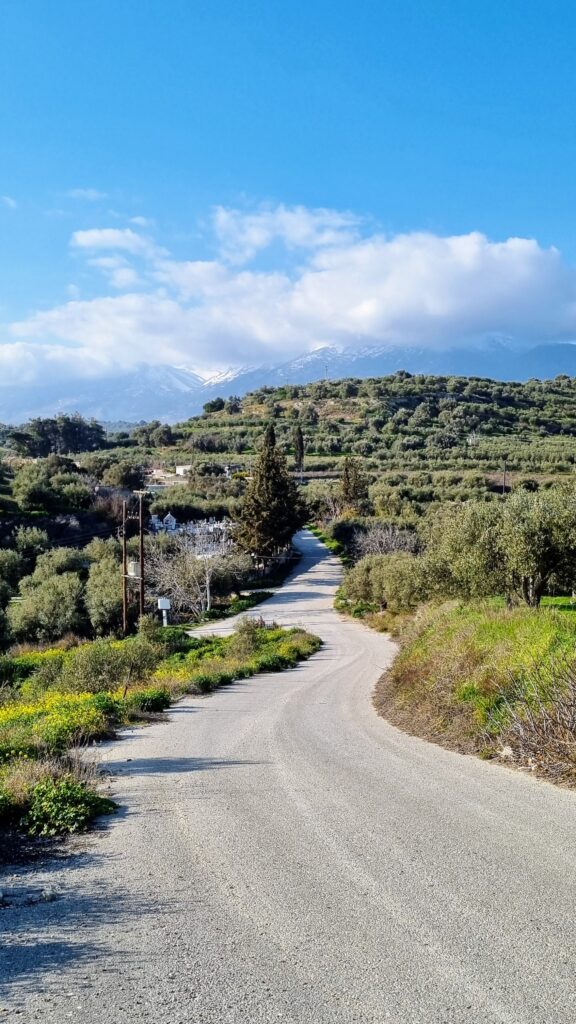
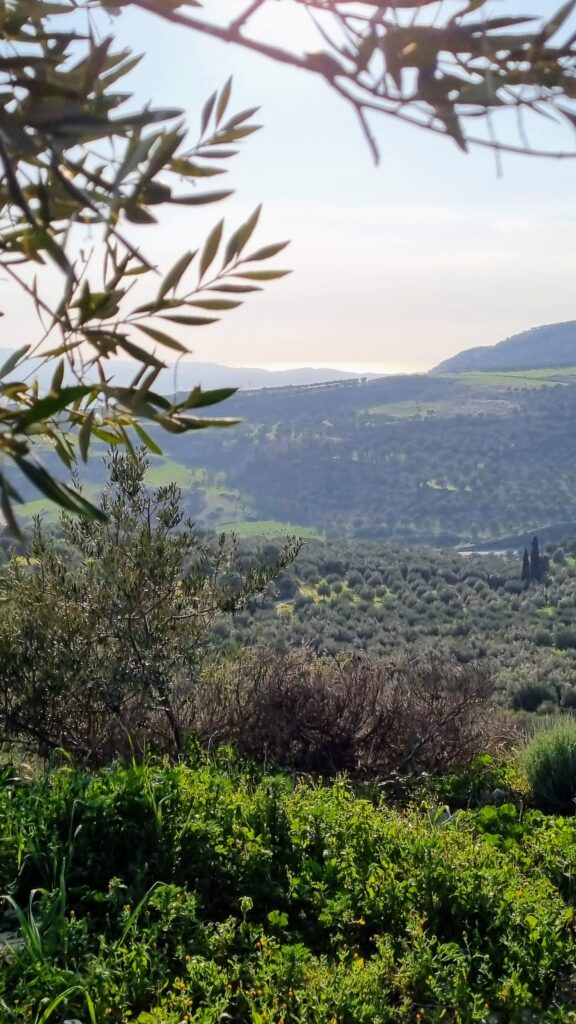
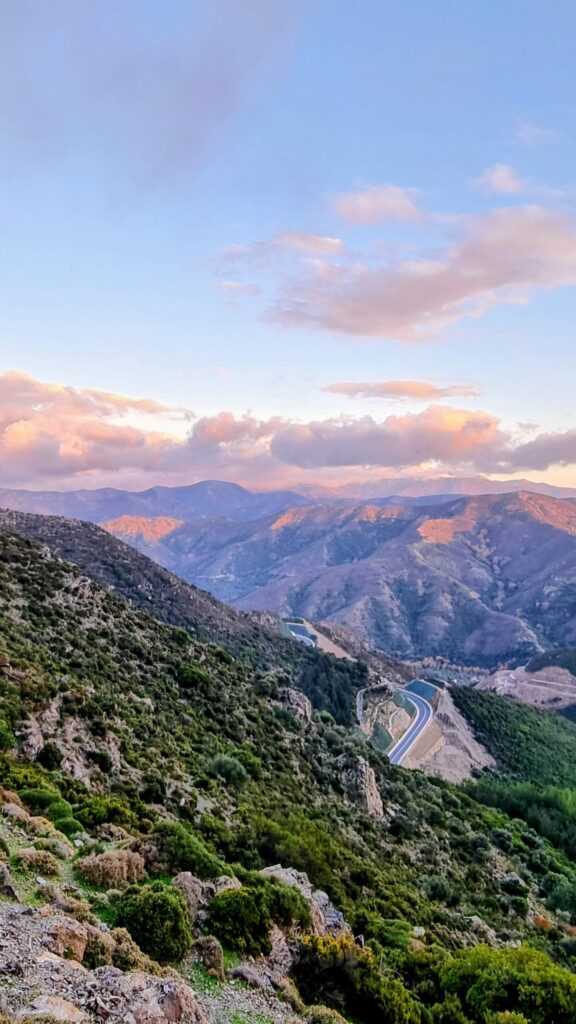
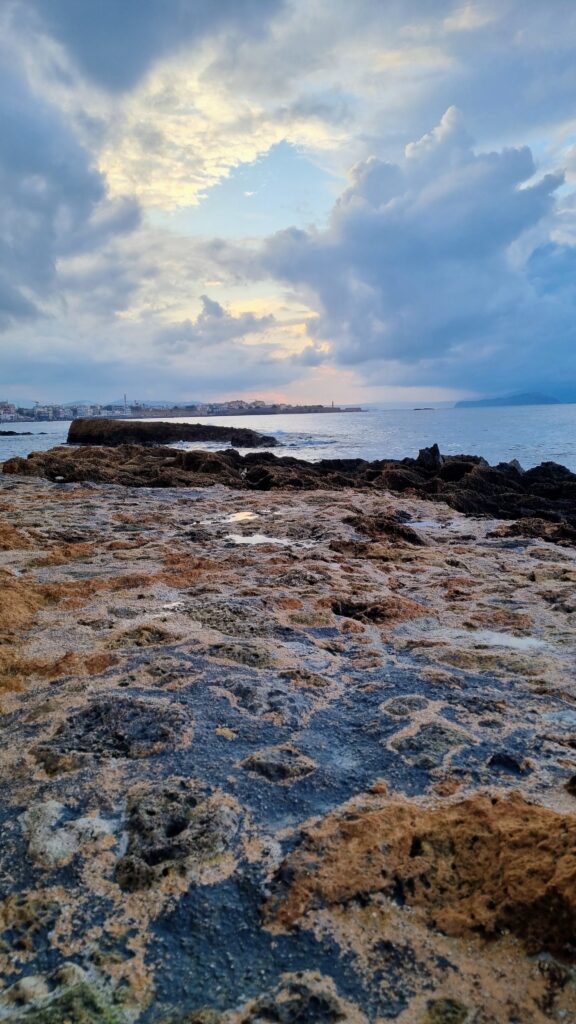
First, let’s determine when winter begins and ends in Crete.
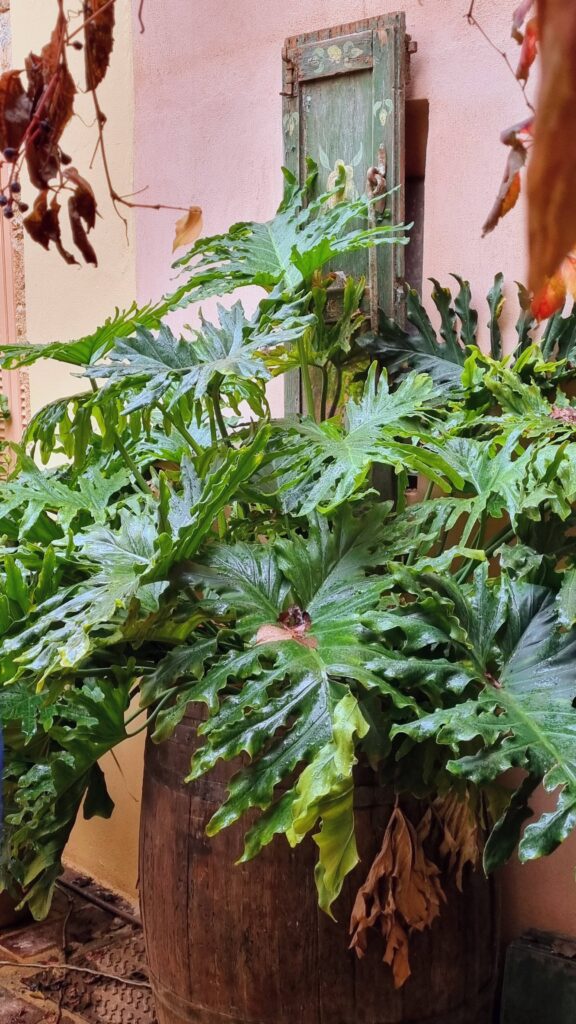
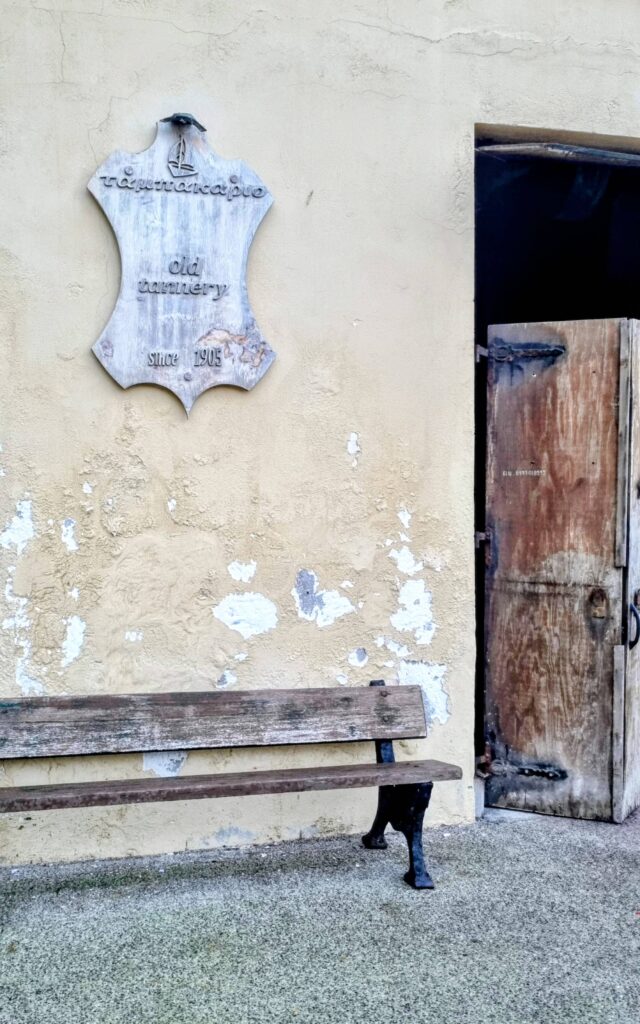
Plouti, central CretePloutiChania to MiliaTabakaria, Chania
According to the calendar, one could say that it begins on 22 December, but that is not entirely true. Winter begins when the crowds of tourists stop coming, that’s all. In Crete, this means the beginning or, at the latest, the middle of November. By the same token, spring begins in early March, although here the calendar loses out to the logic of the nature of the Mediterranean climate.
Hiking trail near MiliaOld town, ChaniaApproaching Thimari GardensFrangokastelloNot far from Xerokampos
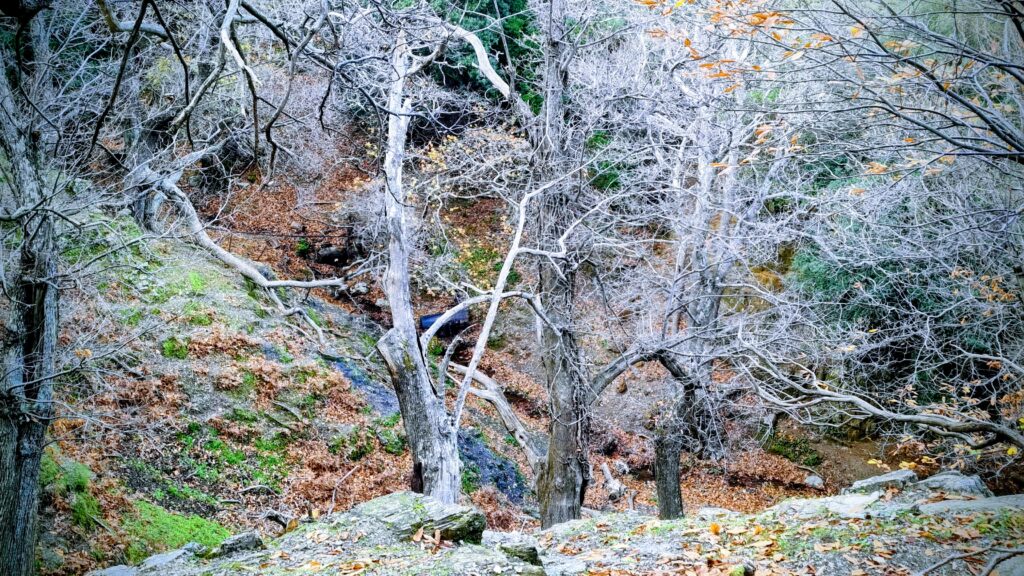
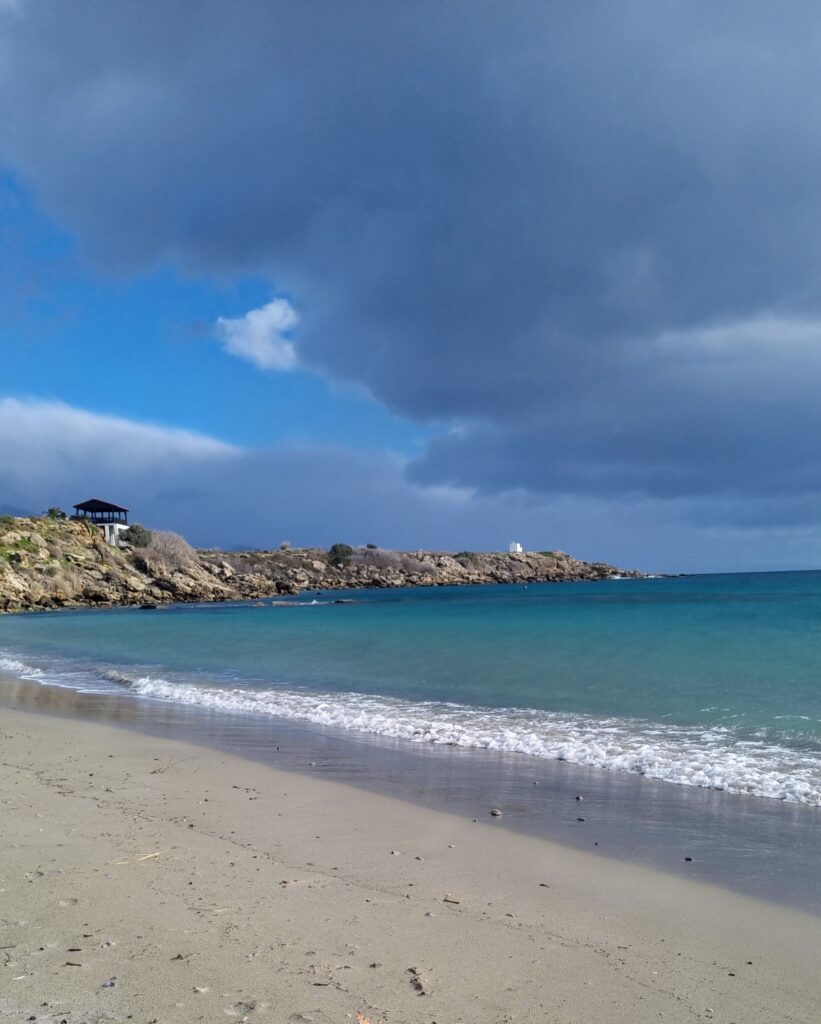
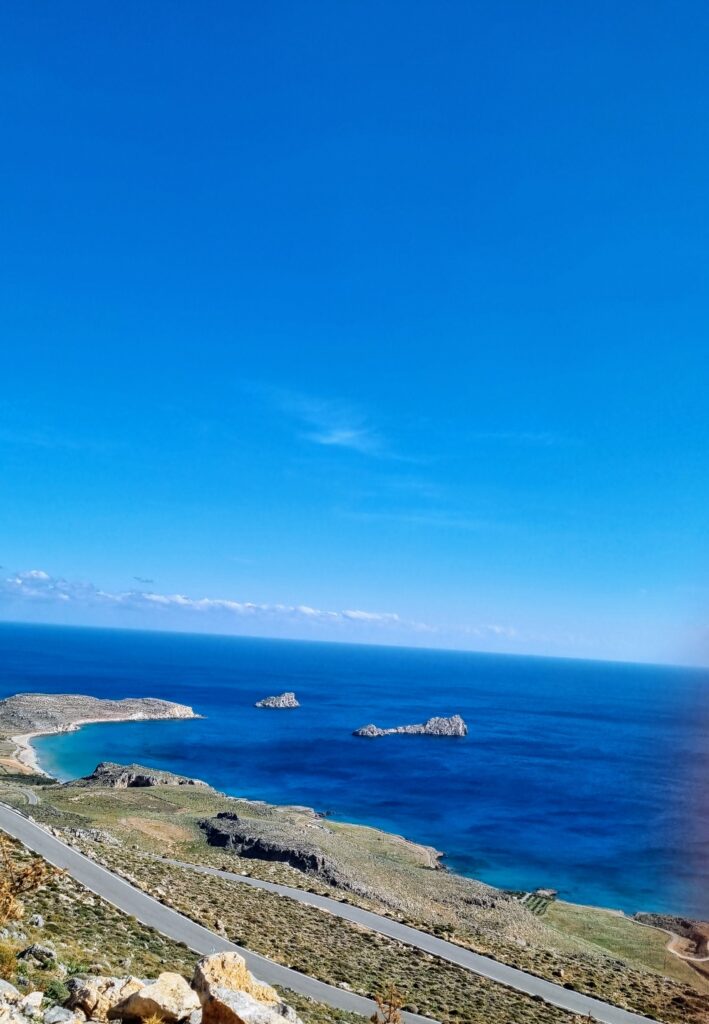
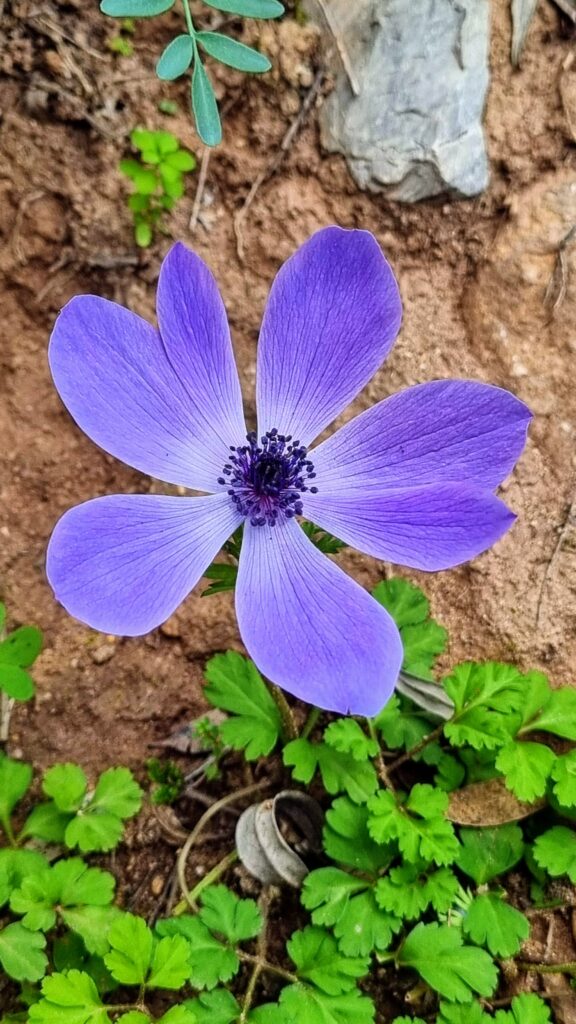
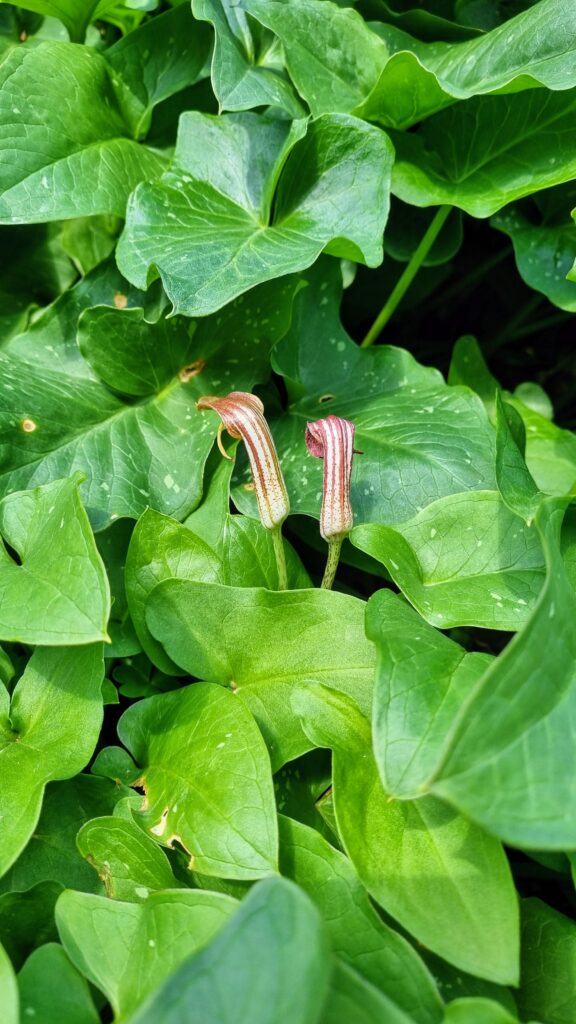
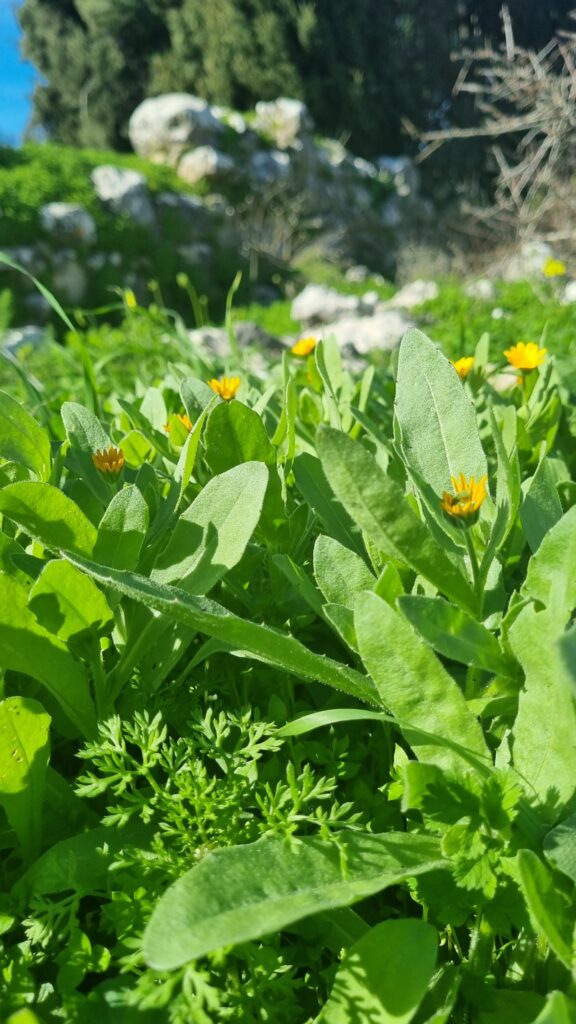
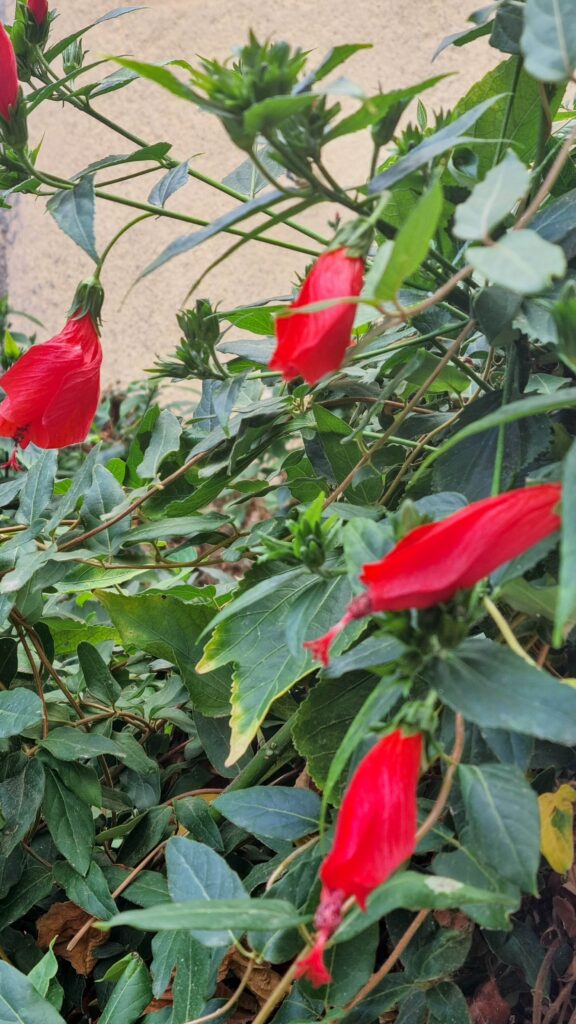
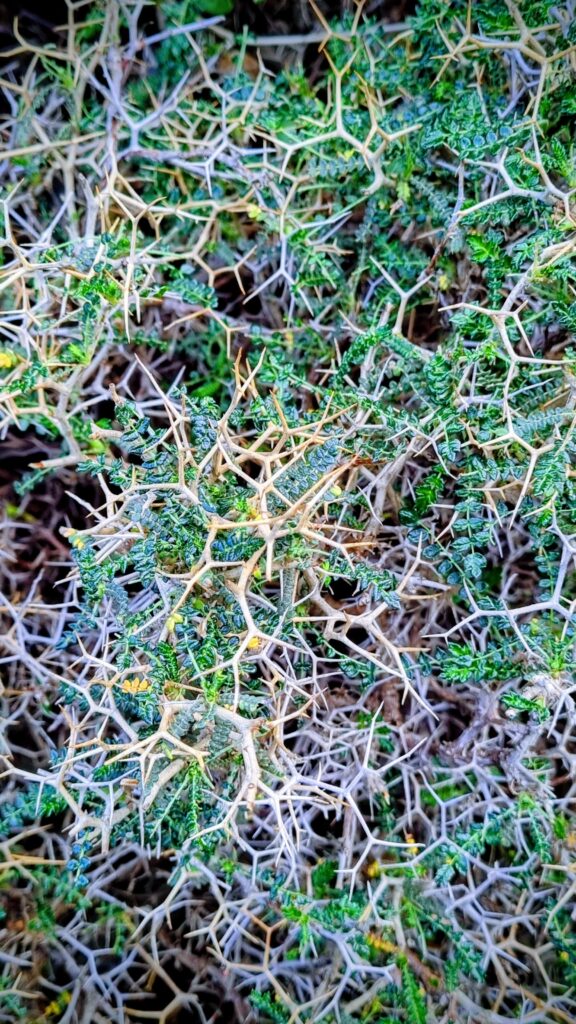
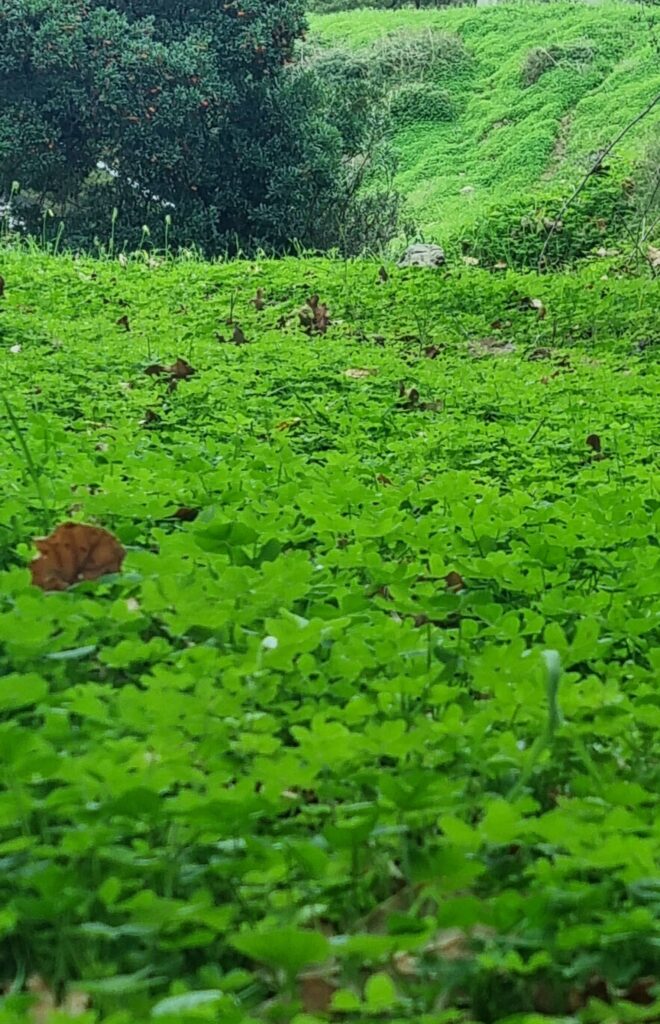
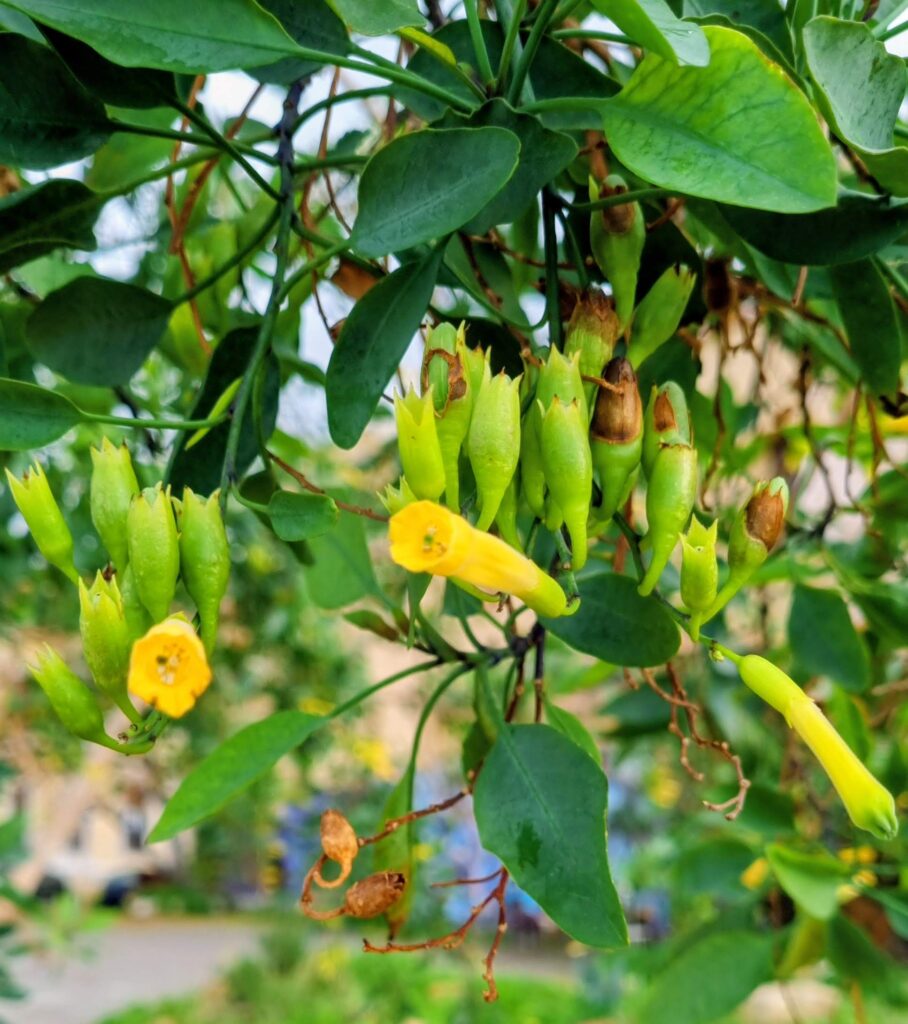
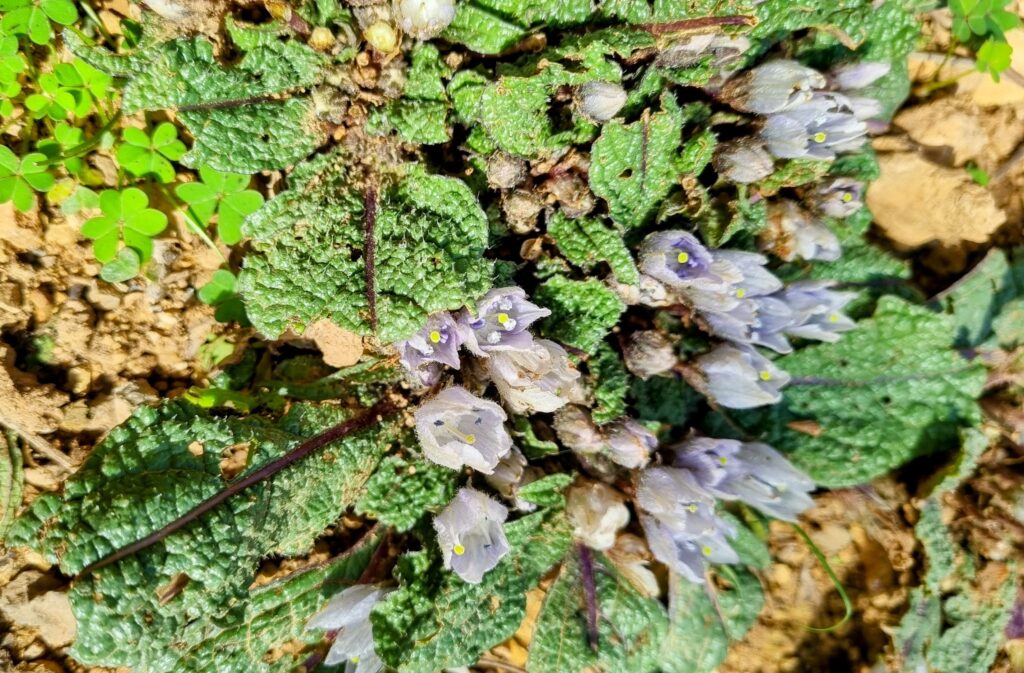
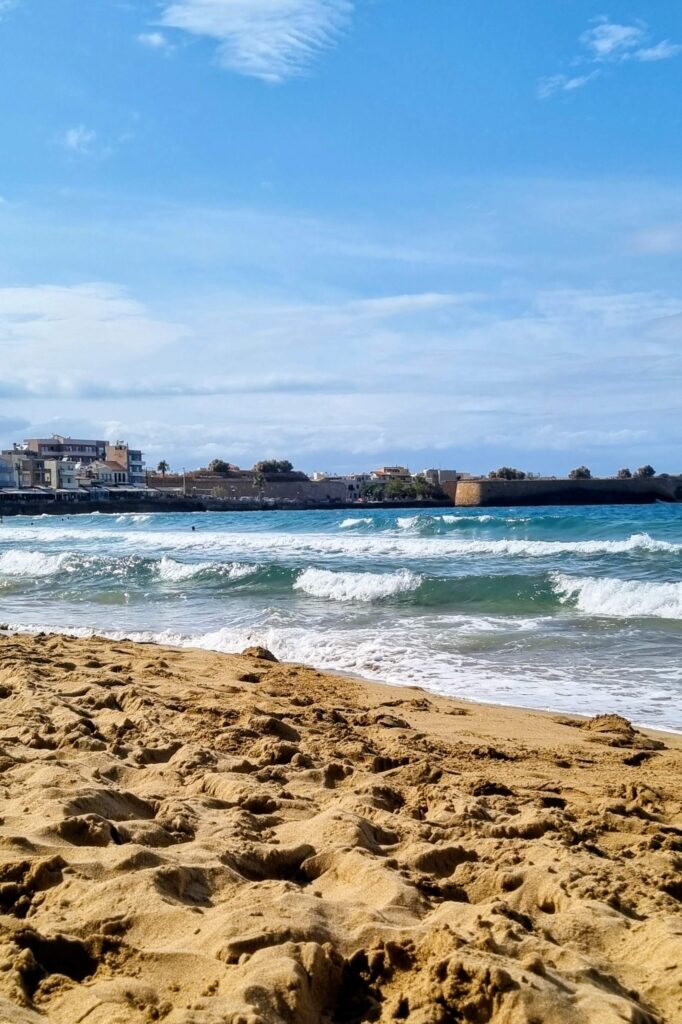
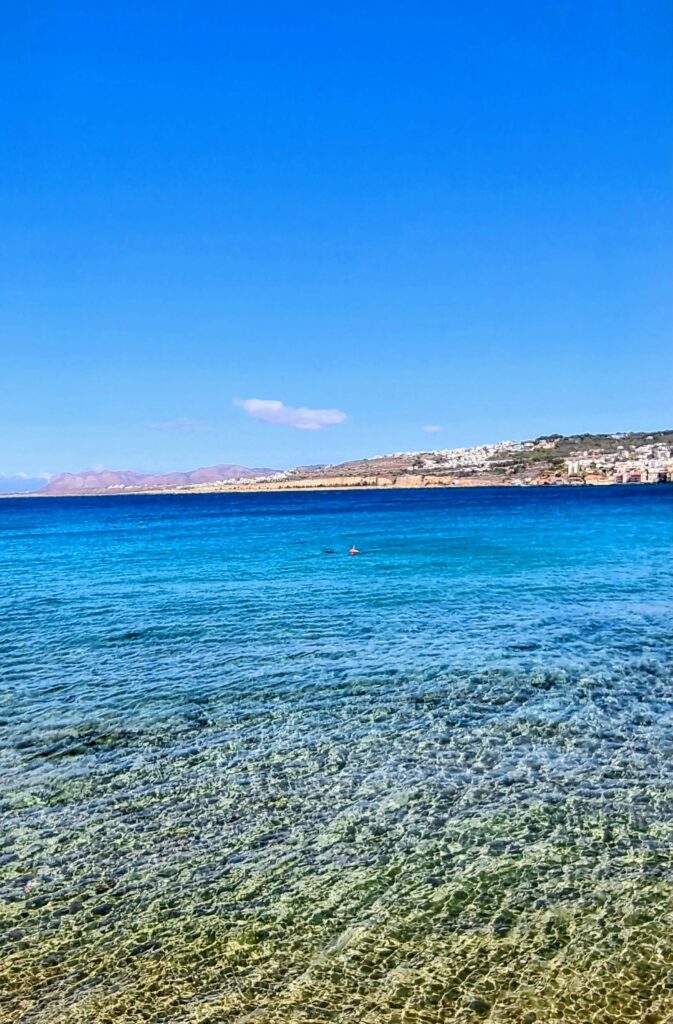
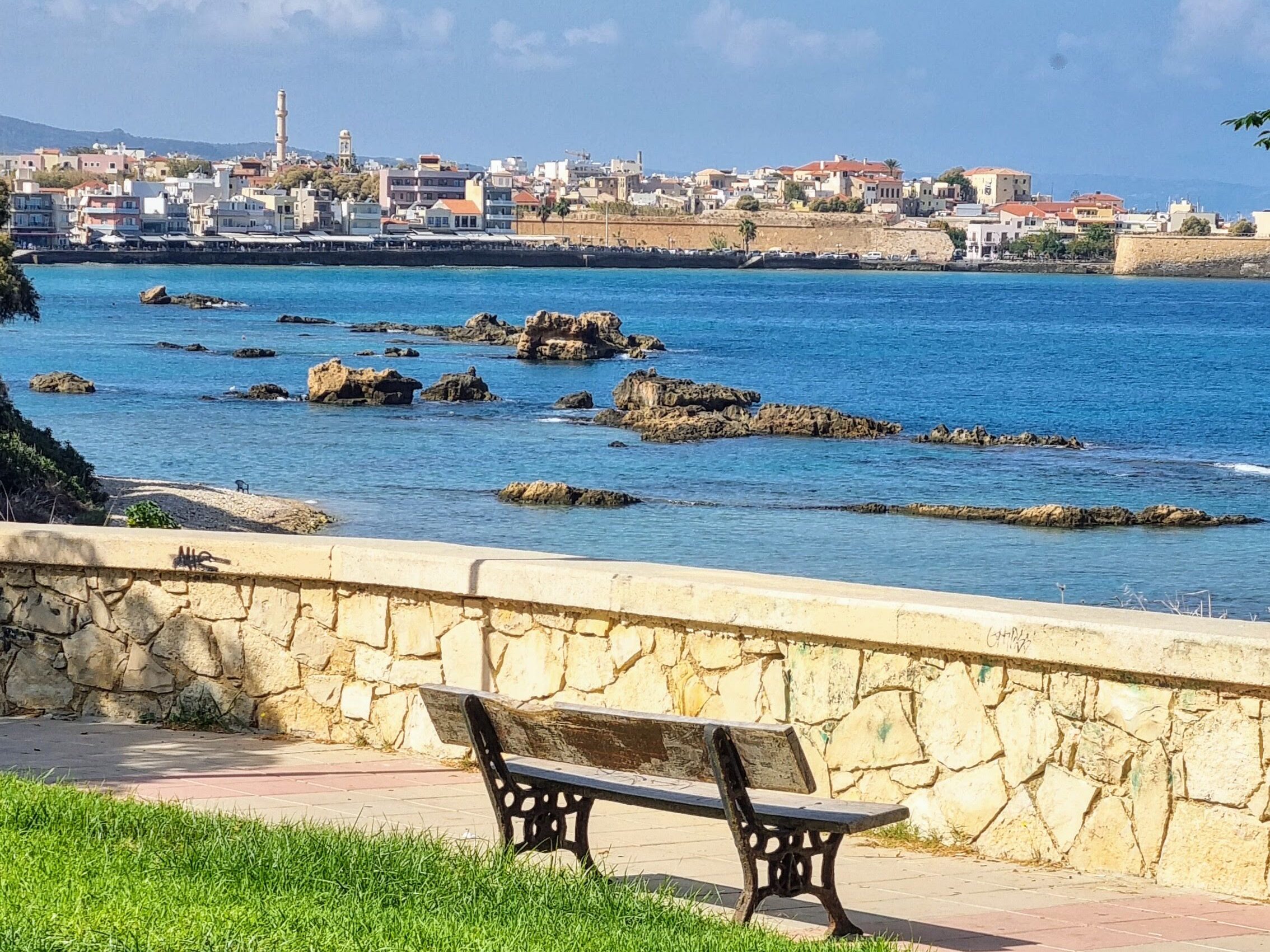
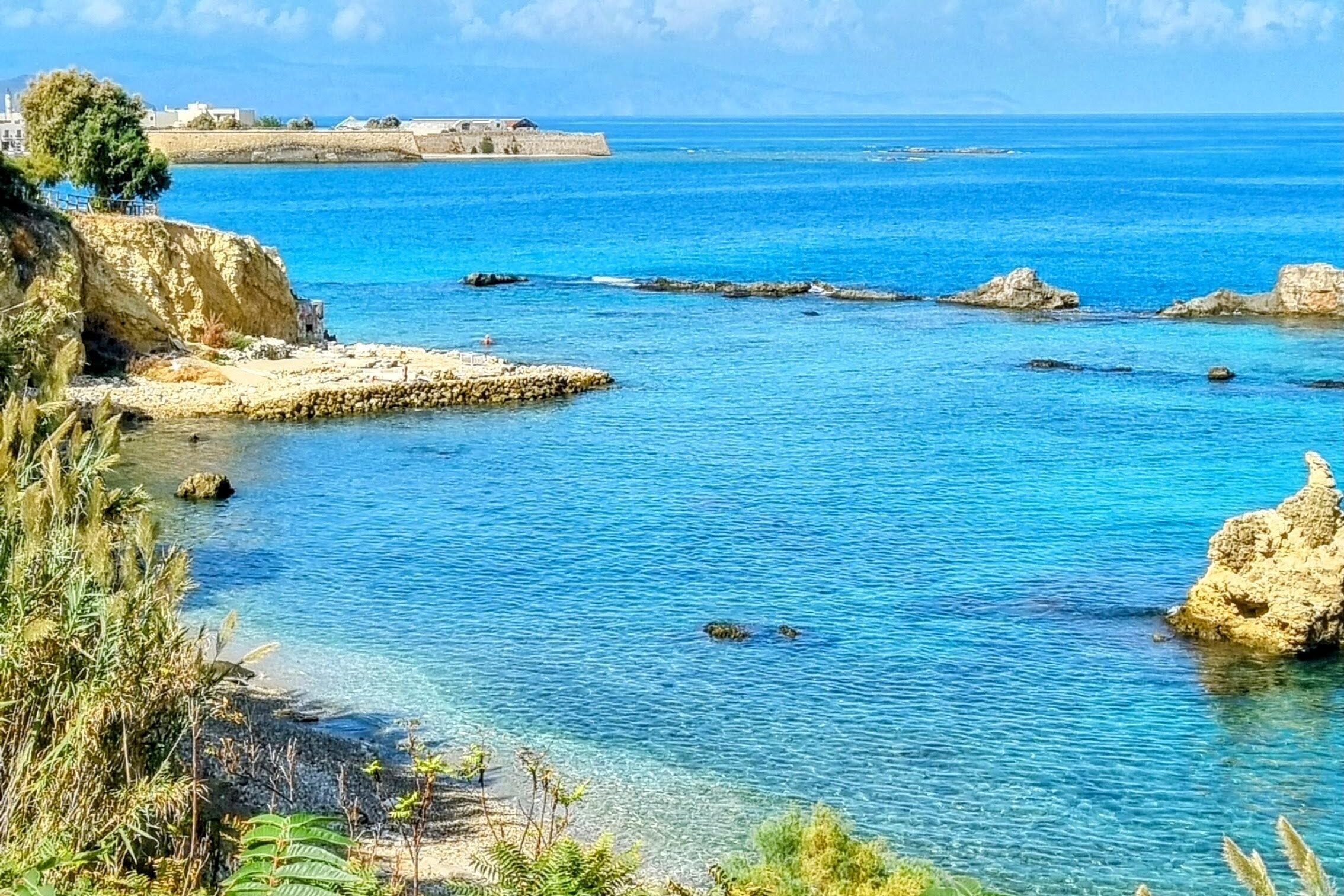
Winter, or the low season, is a time of calm, peace and respite for the people on the island, but also a time of rushing clouds interspersed with the dazzling blue of the sky; turquoise sea by the calm coves, but also waves crashing onto pavements and piers. On the one hand, nature loses its exuberant riot of colours, becomes quieter, turns grey in places, and sepia and smoky shades appear. But on the other hand, winter rains also bring the long-awaited moisture, and where in August there were burnt herbs and brushwood underfoot, now there are green carpets. We also encounter flowers, not as spectacular or lush as in summer, but perhaps all the more sought after and appreciated.
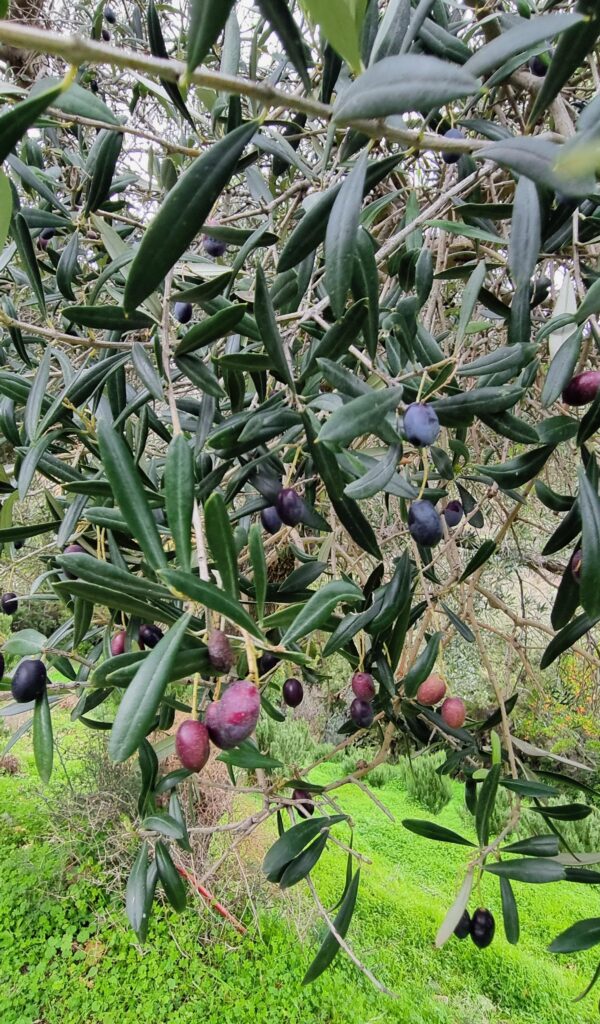
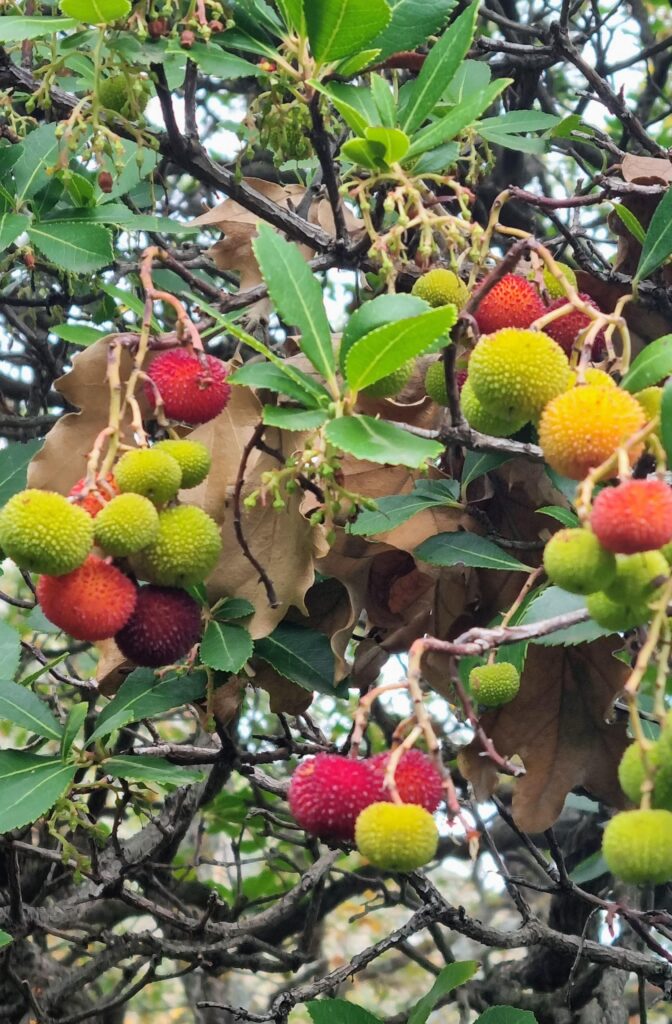
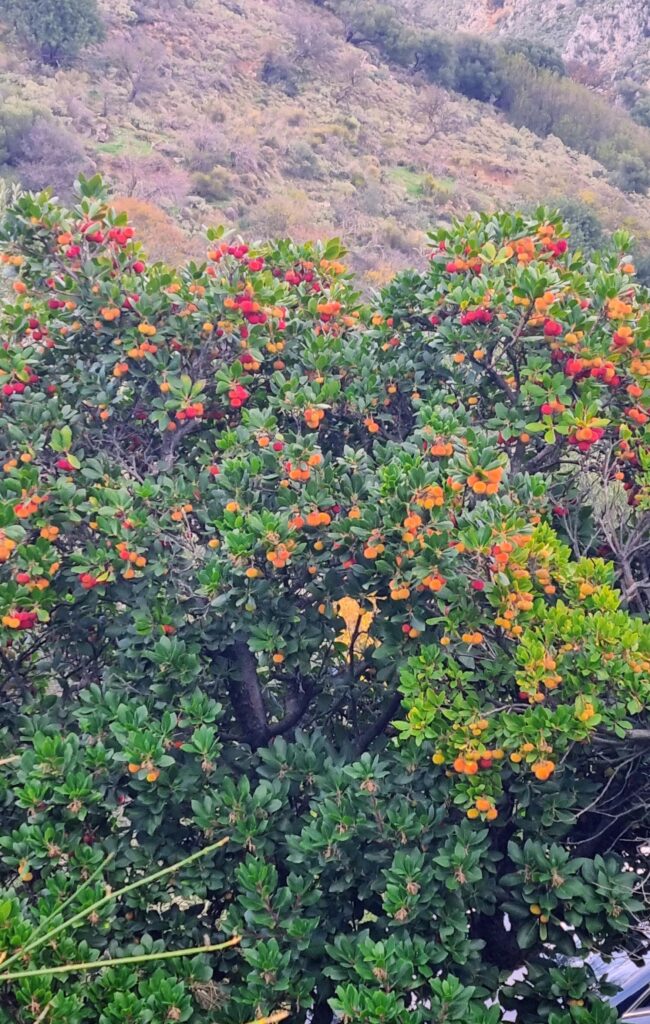
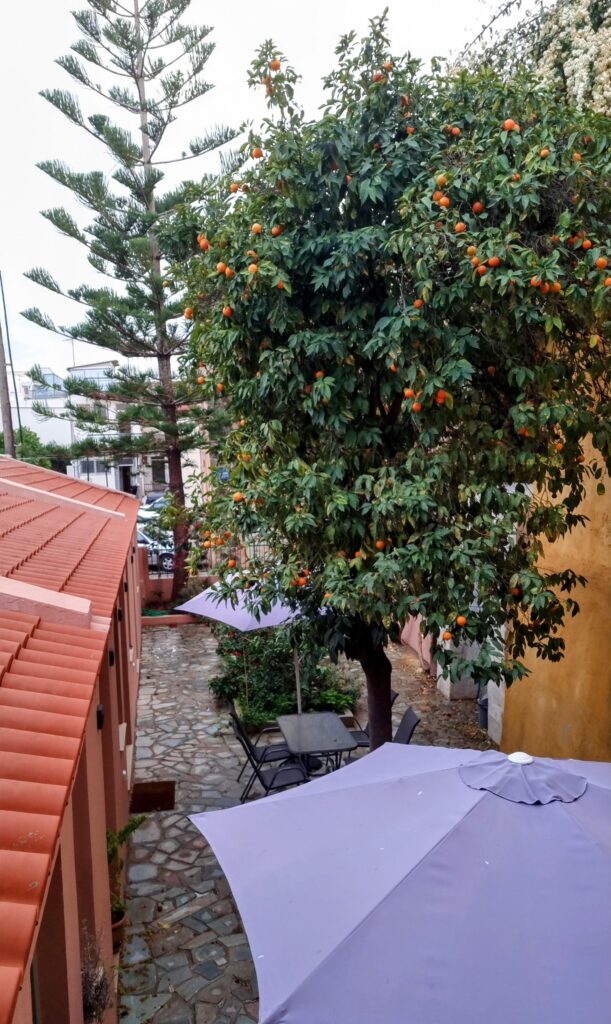
Some trees also bear fruit in winter. From November to January, olives are harvested, bitter oranges, saturated with rain and juices, bend delicate branches to the ground, and you can taste the sensually red berries from the wild strawberry tree.
Fresh olives, some ripe but inedible. Must be cured.Strawberry treeStrawberry treeBitter orange tree, viewed from Thimari Gardens
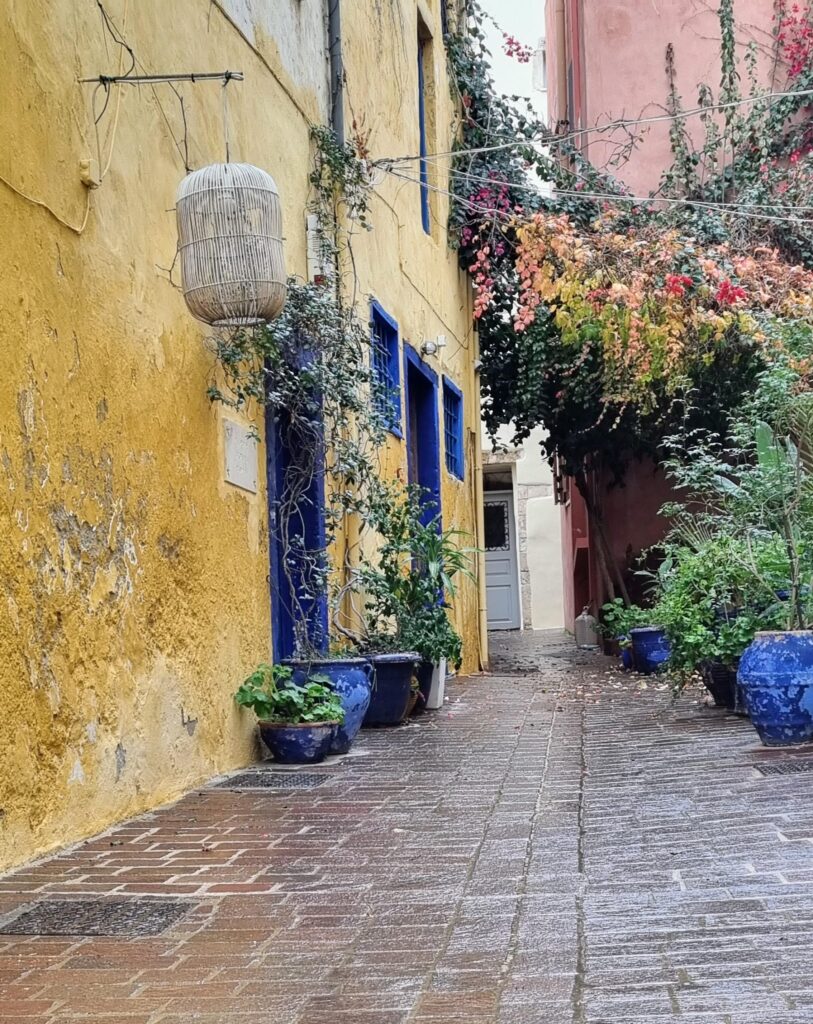
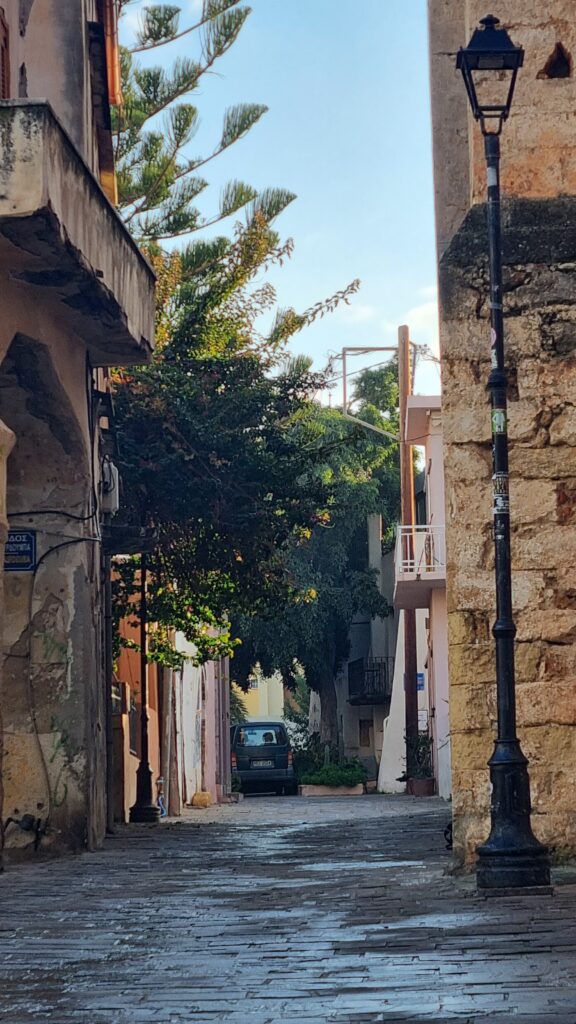
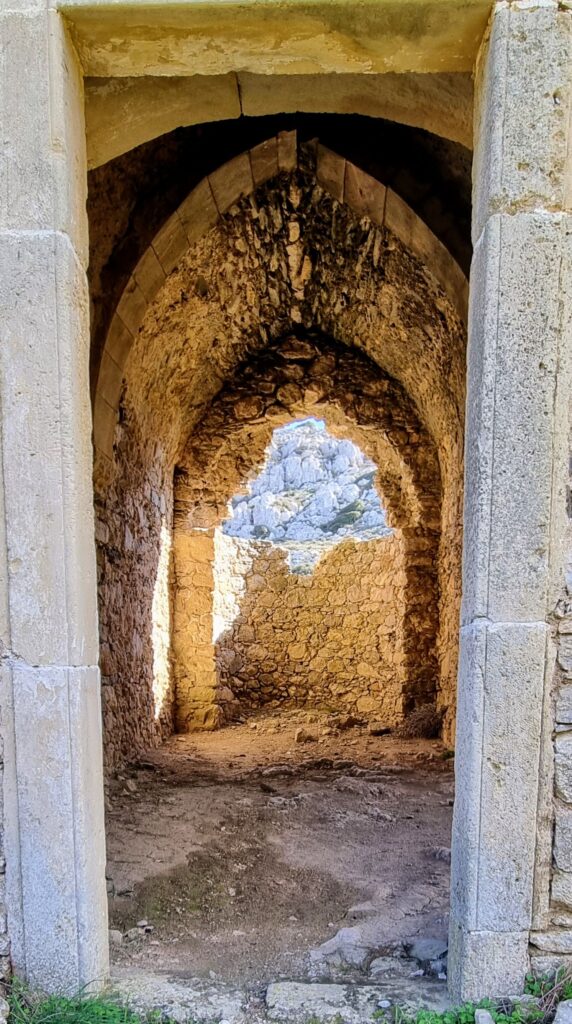
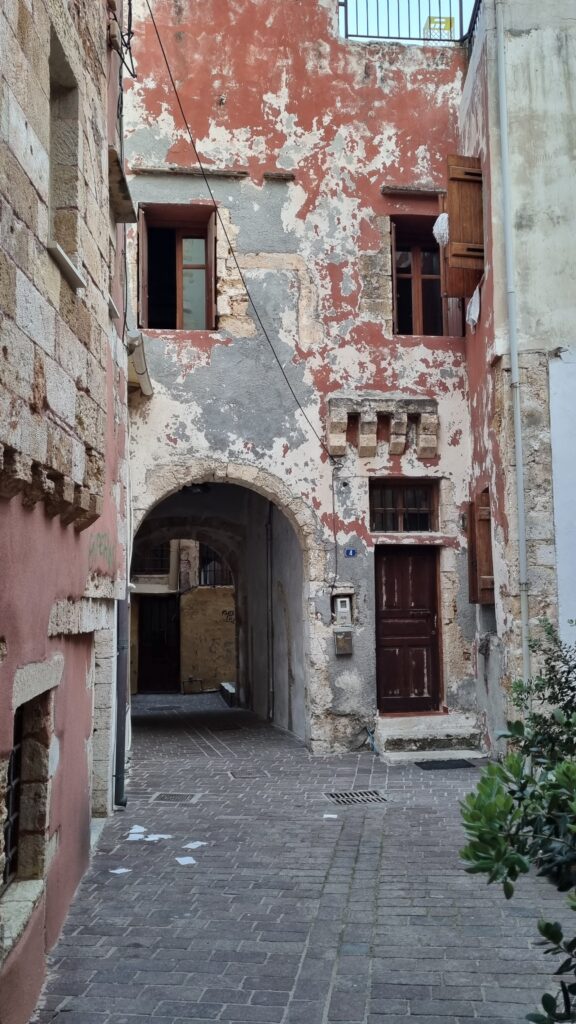
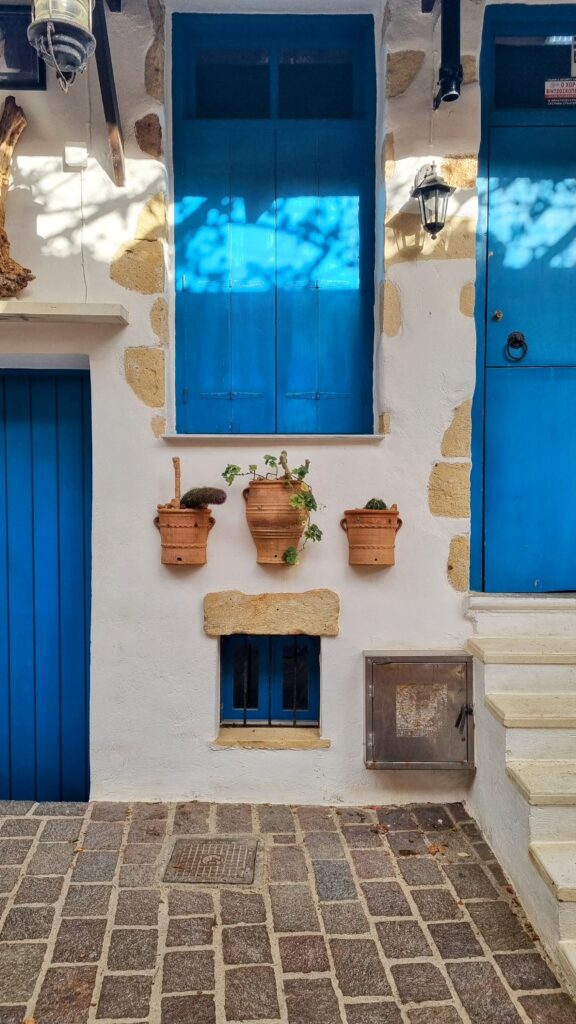
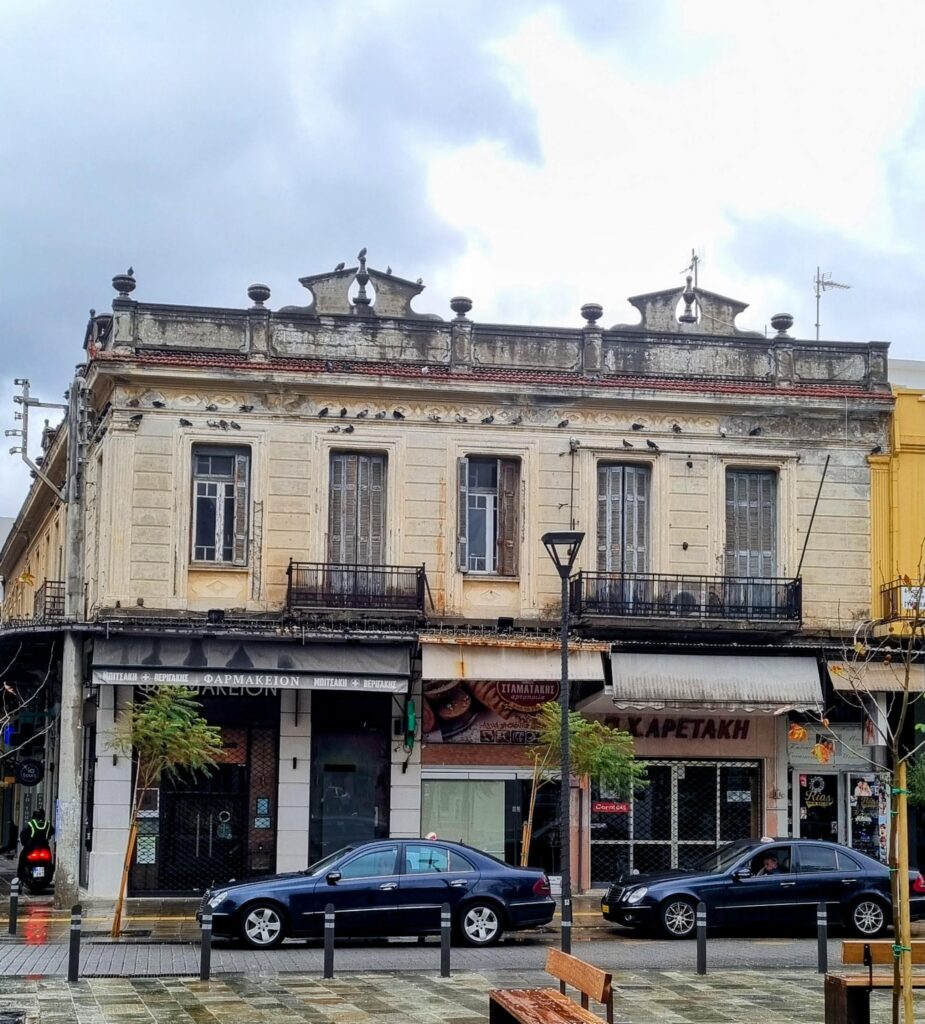
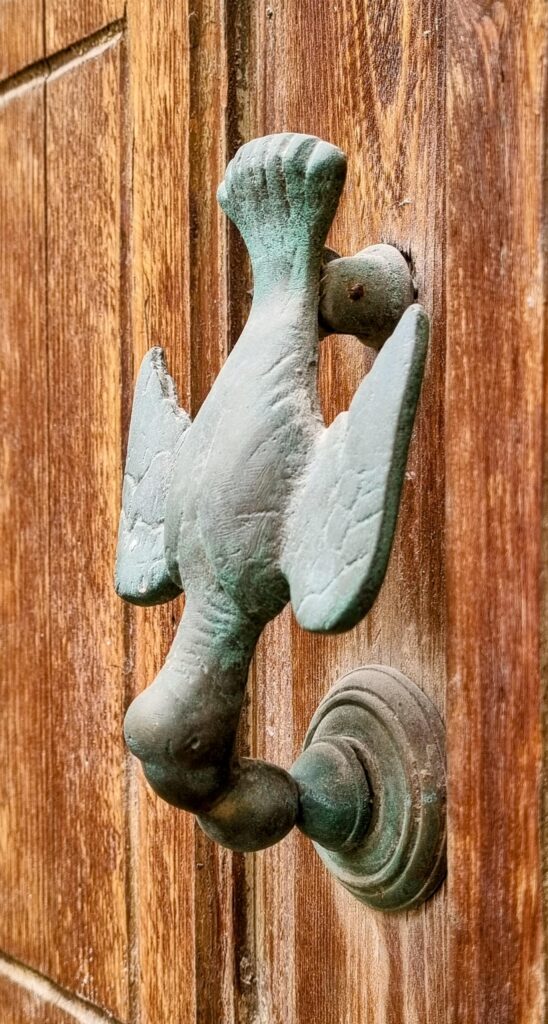
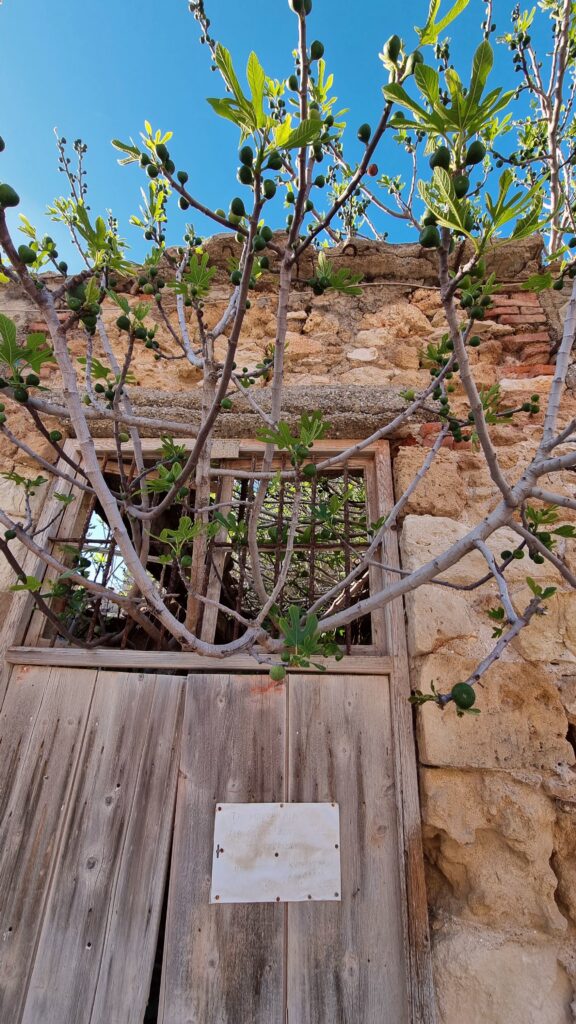
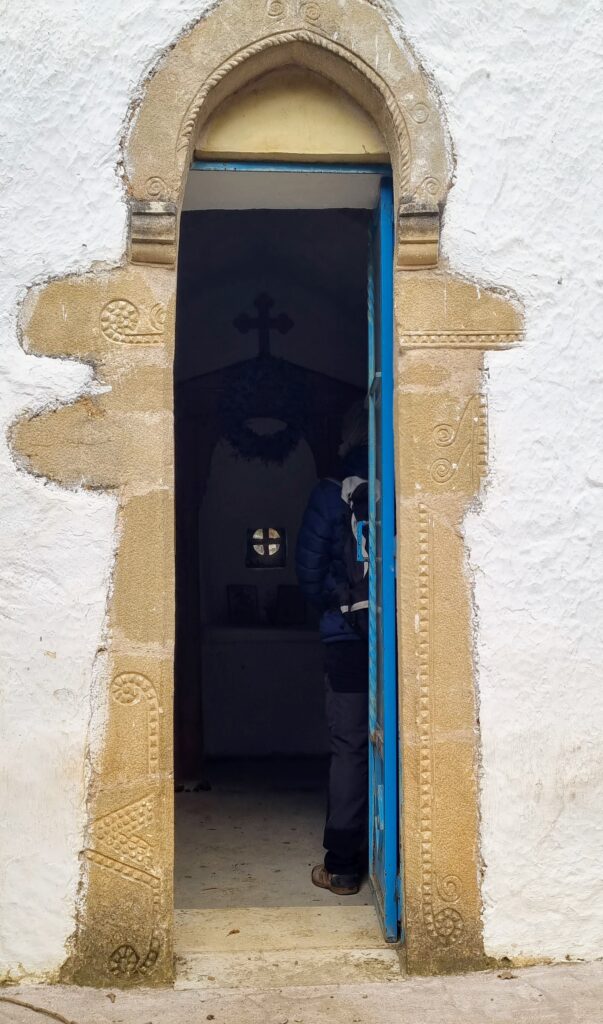
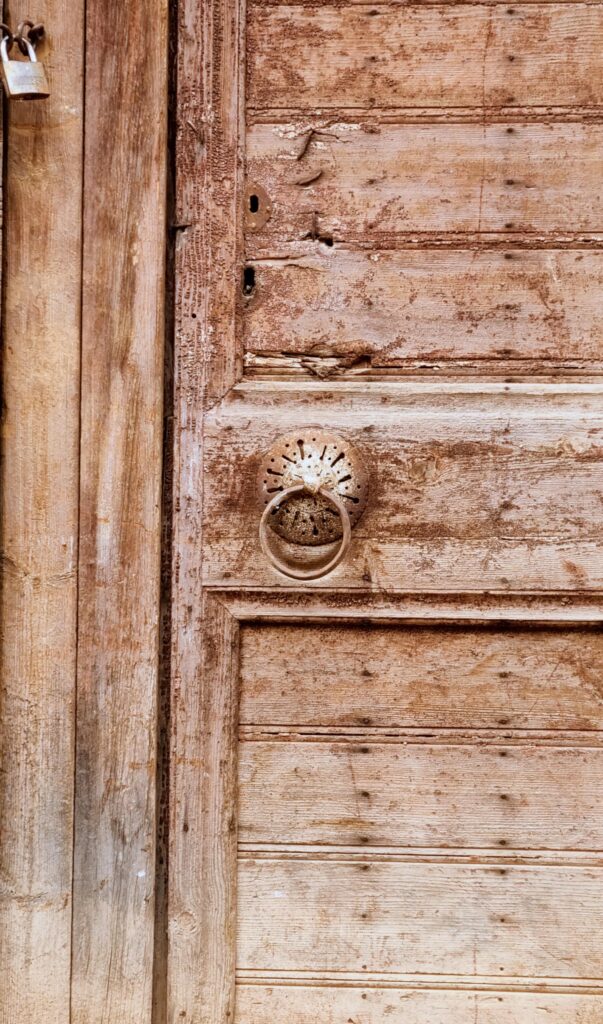
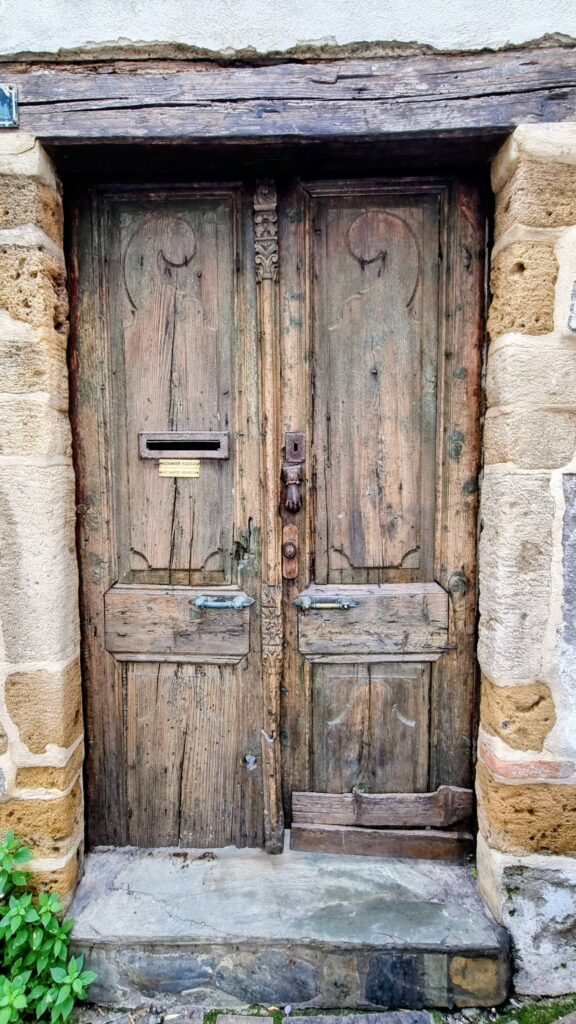
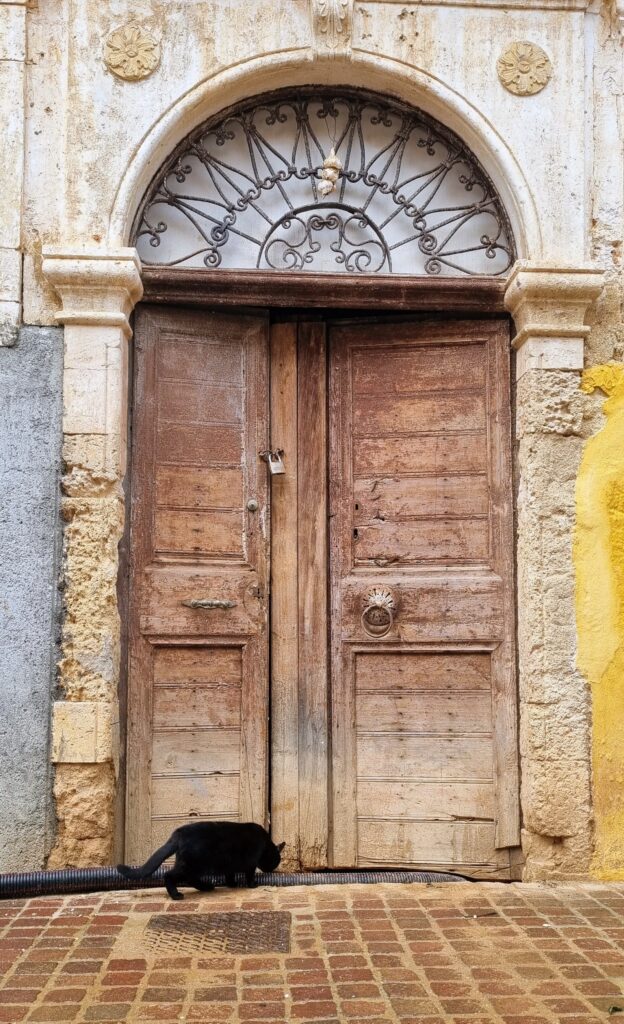
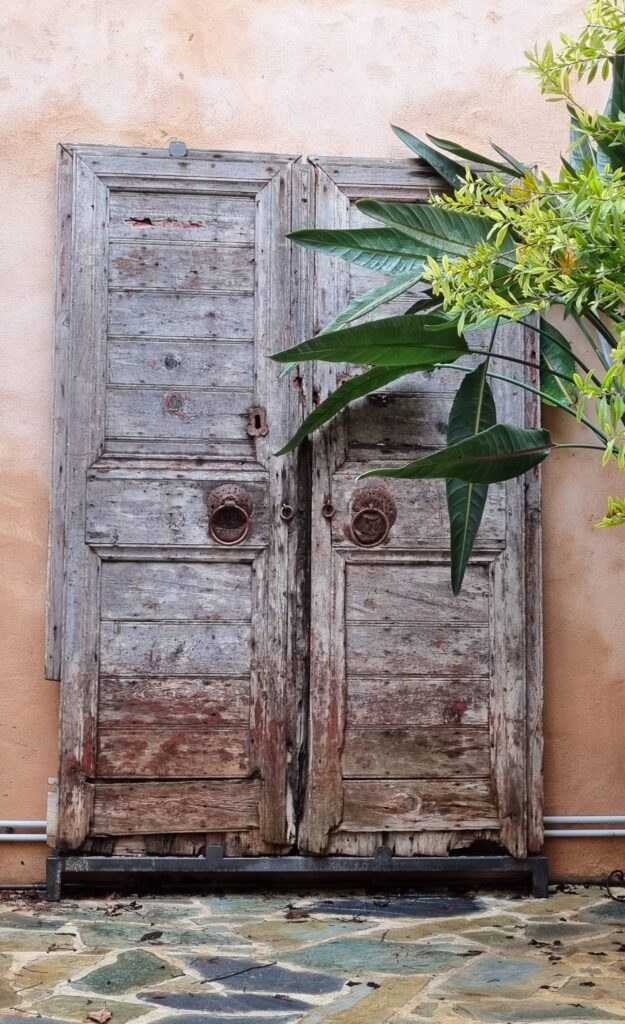
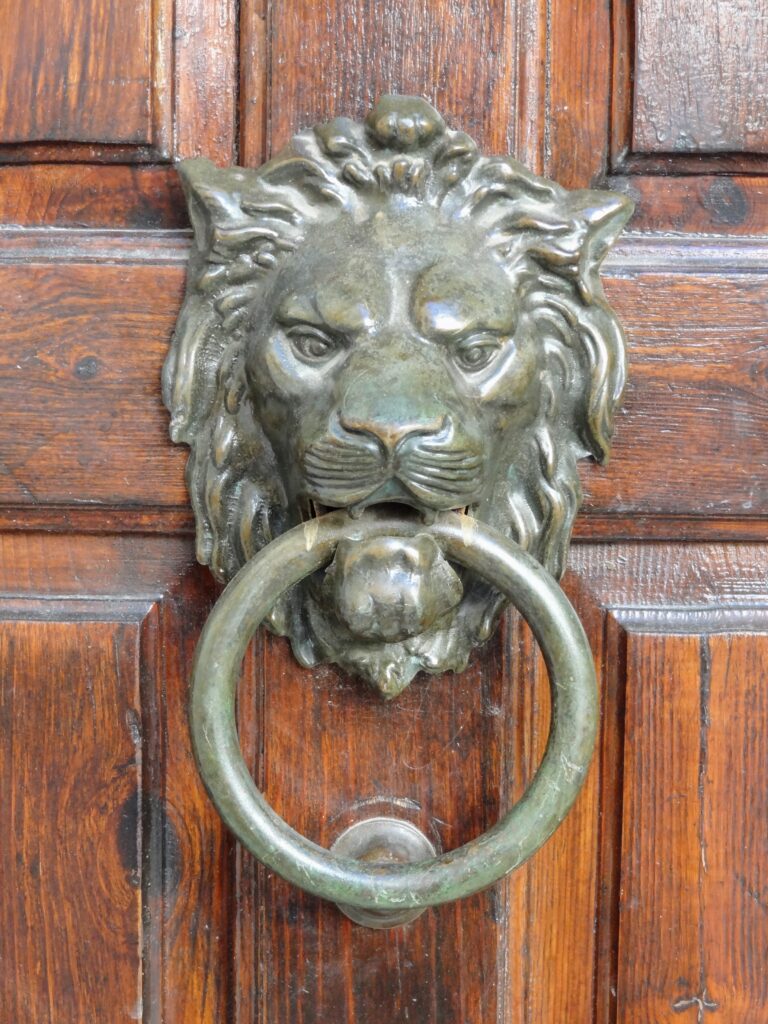
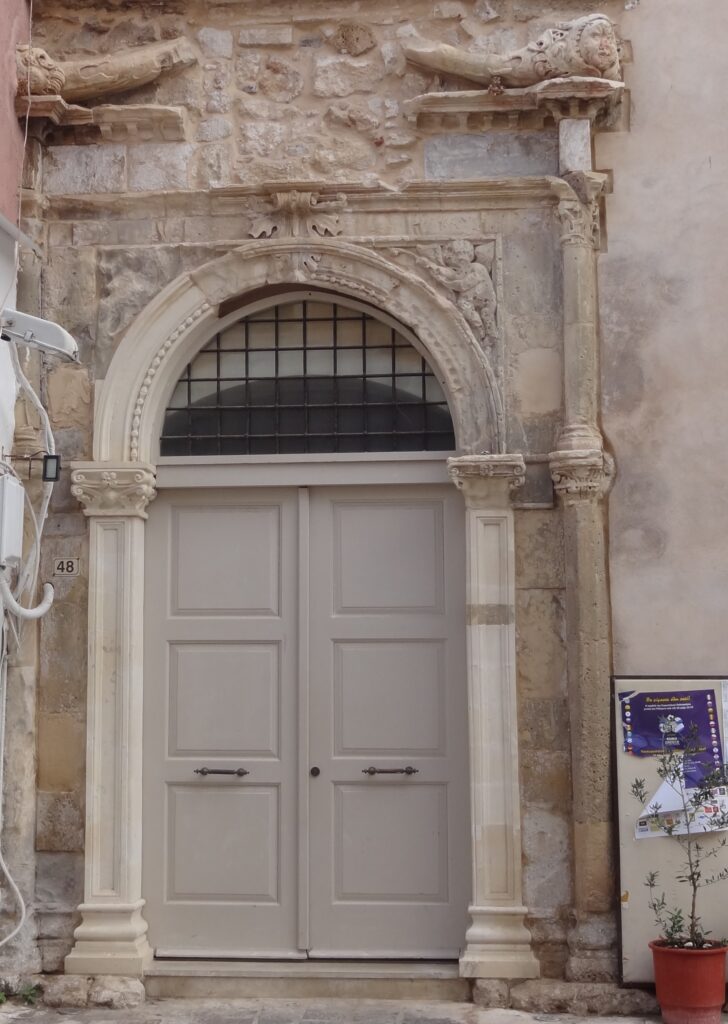
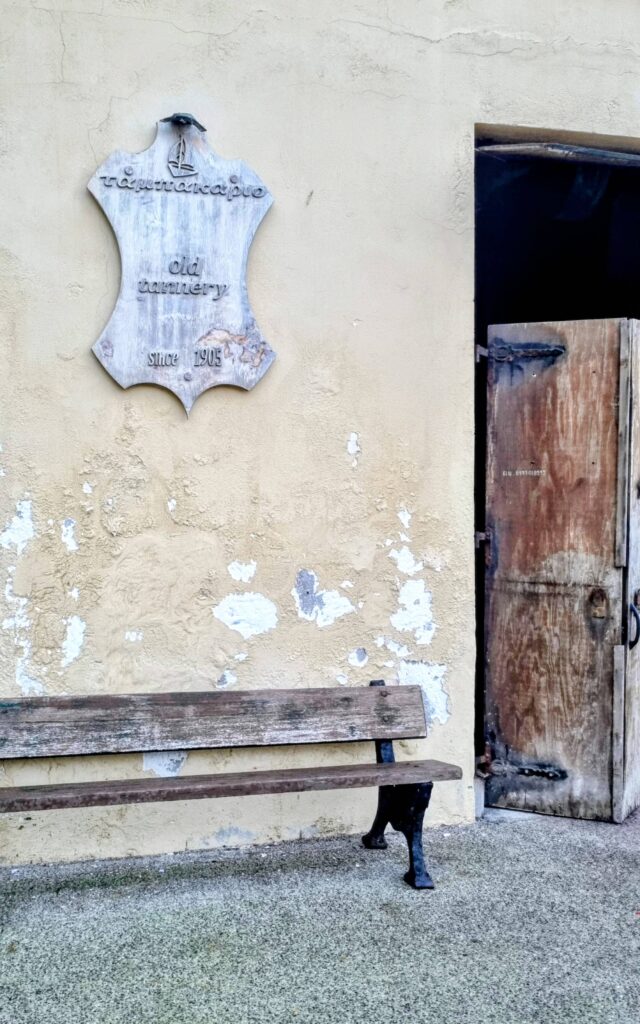
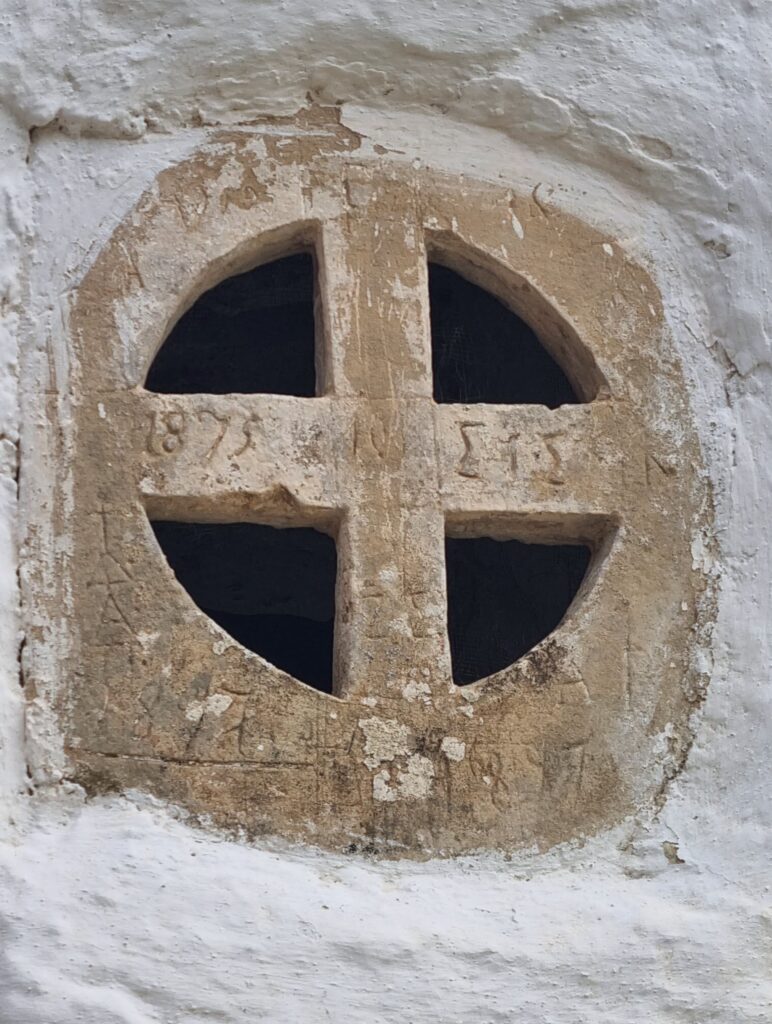
Sometimes they allow us to peek inside, often strictly shielding what is private or secret. They speak of the status of the residents, their ups and downs. Some demand that we stop respectfully and use a knocker or bell, while others allow us to glance inside through a crack worn by time. Sometimes, half-open, they invite guests in. They show time, its passage, history, civilisational changes, and bear traces of wars, shootings and protests.
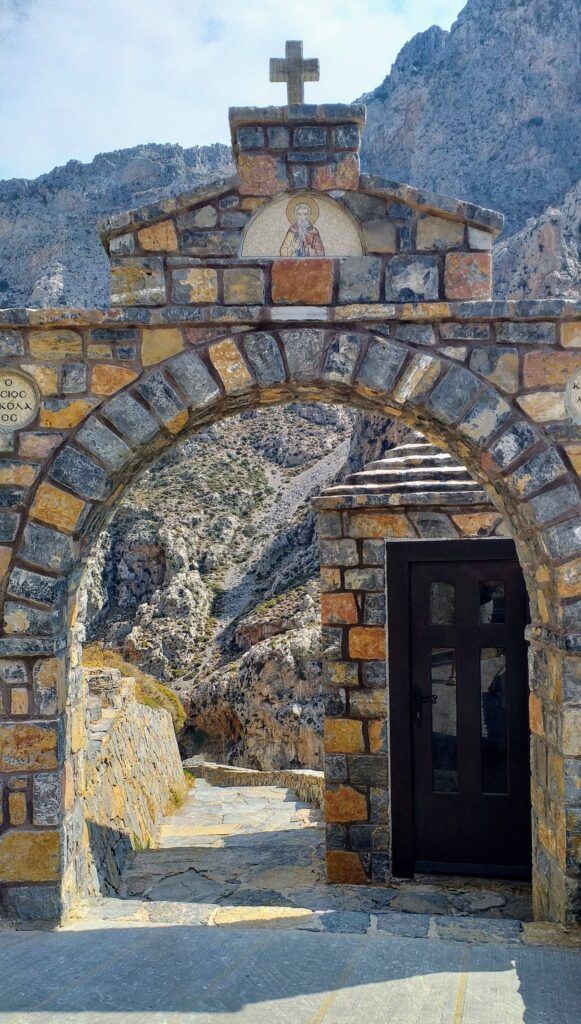
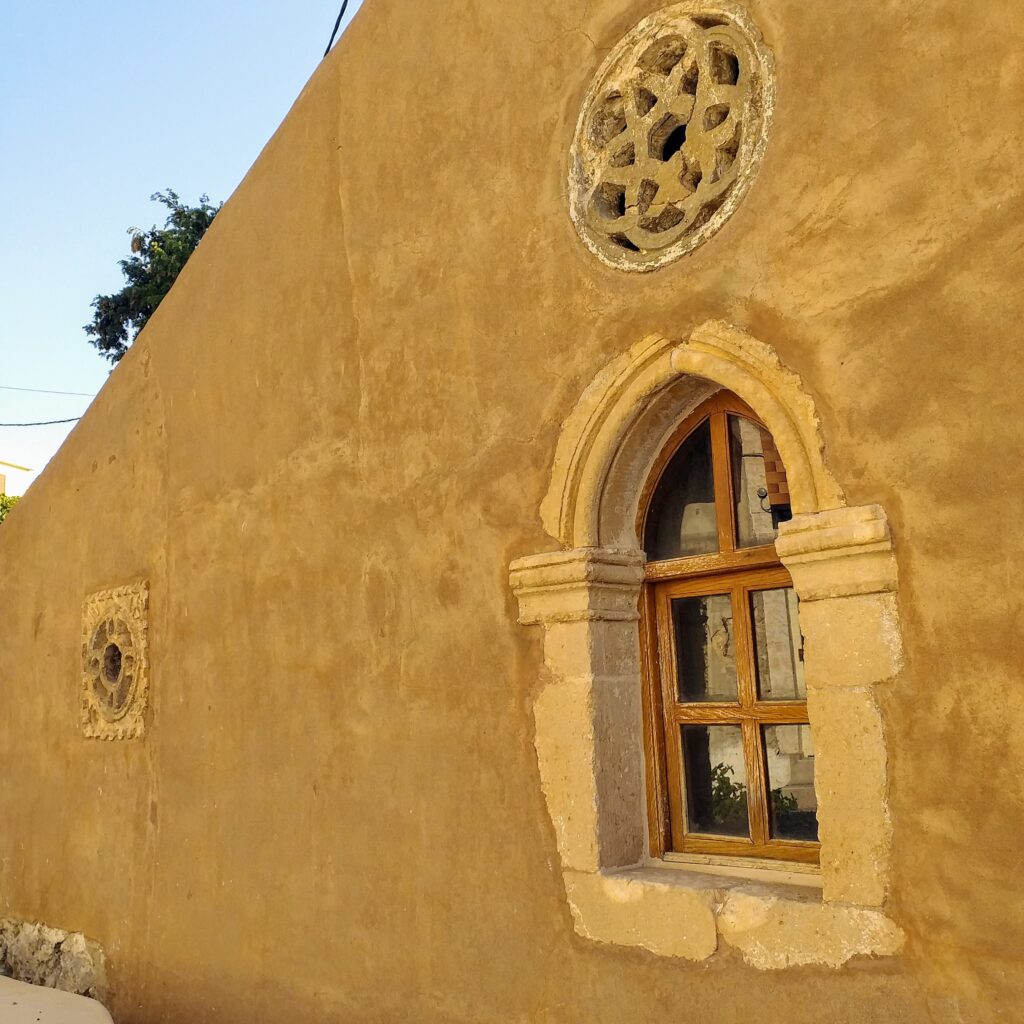
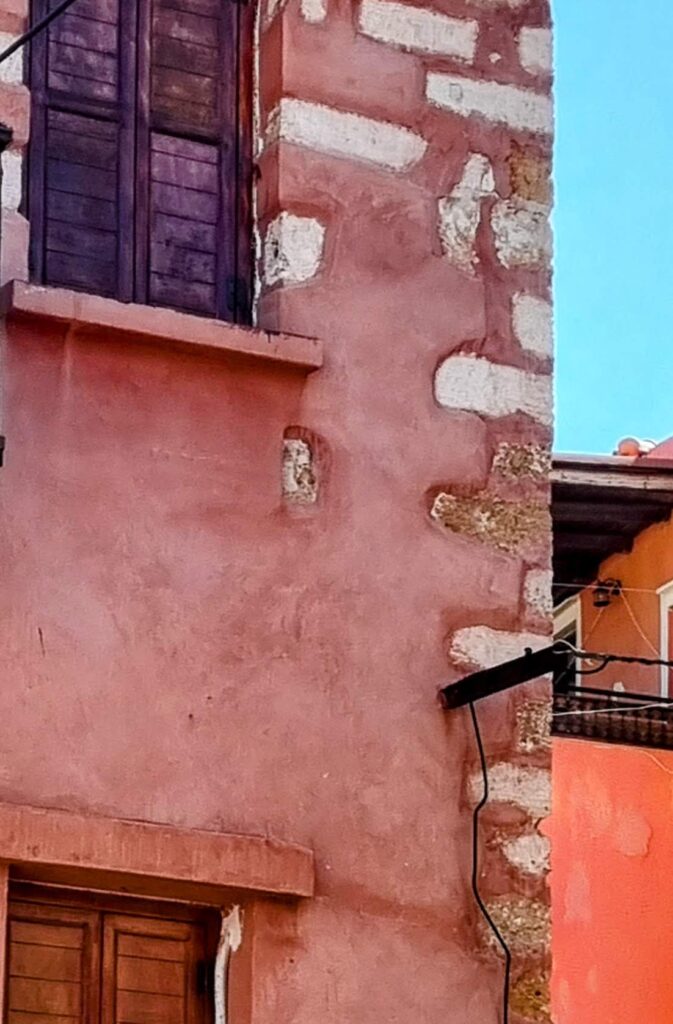
Crete is full of wonderful stories, many of which can be admired or deciphered in its ancient portals, medieval monastery gates, ornate Venetian doors with arched lintels, or distinctive red details from the Ottoman era.
I believe that everyone has heard about Orthodox monasteries in Greece. The monastic cuisine is a culinary tradition naturally shaped by centuries of Orthodox Christian fasting, local agricultural practices, and in case of Crete abundant natural resources. Cretan monks cook with fresh vegetables, wild greens, legumes, and grains, all seasoned with local herbs like oregano, thyme, marjoram, and fennel.
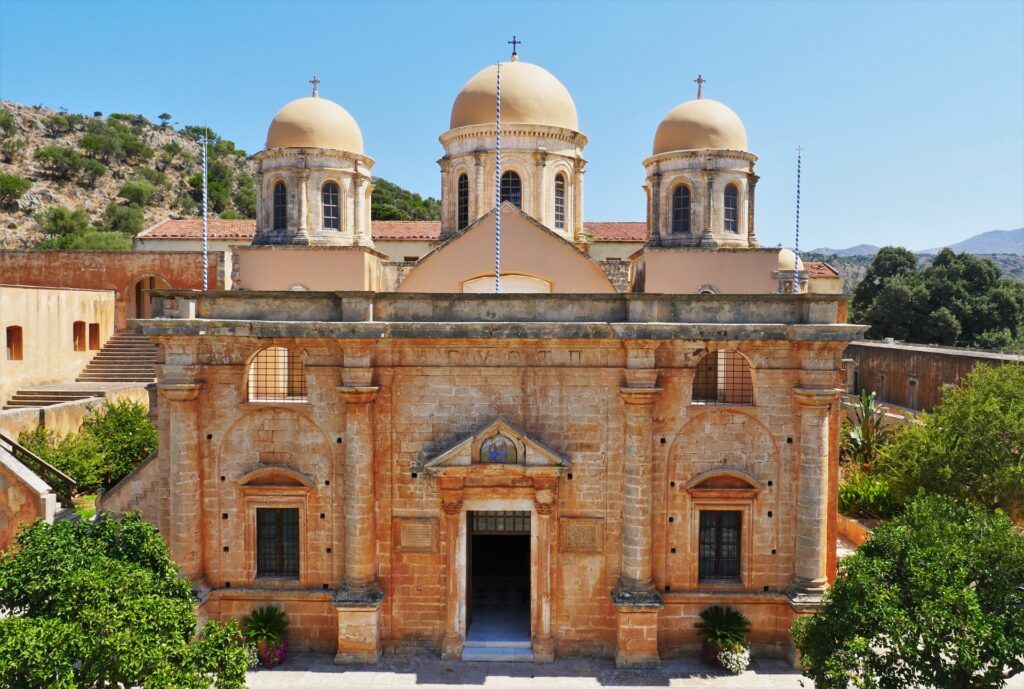
Agia Triada Monastery in Crete
photo credit allincrete.com
Both, the attitude and the practice is shared by plenty of the faithfull and as there are numerous days associated with religious holidays in Greece, many who wish to follow the recommendations of the church may and do fast or follow a restrictive diet for up to two hundred days a year.
Fasting was and is intended to prepare us for the coming holiday, to cleanse our bodies, but also indirectly our souls, to make us lighter. Its purpose was also to instil discipline in us, to teach us to limit ourselves and to appreciate what we have.
Nowadays, we read a lot about the growing popularity of intermittent fasting, which contributes to weight loss, but also to improved health and well-being.
Vegetarianism and veganism, which are becoming increasingly widespread, are an expression of a deep concern for animals, the climate and resources.
All these aspects indicate that it may be worth taking advantage of the wide range of excellent dishes that have been part of the cuisine of the Balkan countries and the Middle East for centuries.
I do not plan to describe the holidays and diets associated with them in detail, but for those interested, I highly recommend Georgina Hayden’s cookbook ‘Nistisima’, which inspired me to write this post. Instead, I will focus on a few interesting facts:
– Some holidays allow the consumption of seafood, but it is important that the creatures do not have a spine (e.g. mussels and taramosalata – a salad with roe – are allowed).
– Often, olive oil is not allowed. This is because in the past it was stored in sheep’s skin.
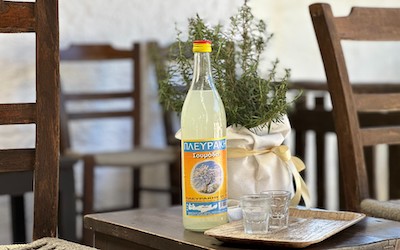
– Almond milk, a substitute for cow’s milk, has been known in Greece, Cyprus and the eastern Mediterranean for a very long time. It is called soumada. In Crete, it is made with a mixture of fresh, locally-grown almonds, sugar, and water, which is simmered in sugar syrup to create this drink.
The most popular vegetarian dishes available daily in traditional Greek restaurants are:
Fava – split pea paste
Dolmades – grape leaves stuffed with seasoned rice, sometimes with pine nuts or raisins
Gemista – stuffed vegetables
Lachanorizo – cabbage and rice stew
Melitzanosalata – eggplant dip
Kolokithoanthi – stuffed courgette flowers
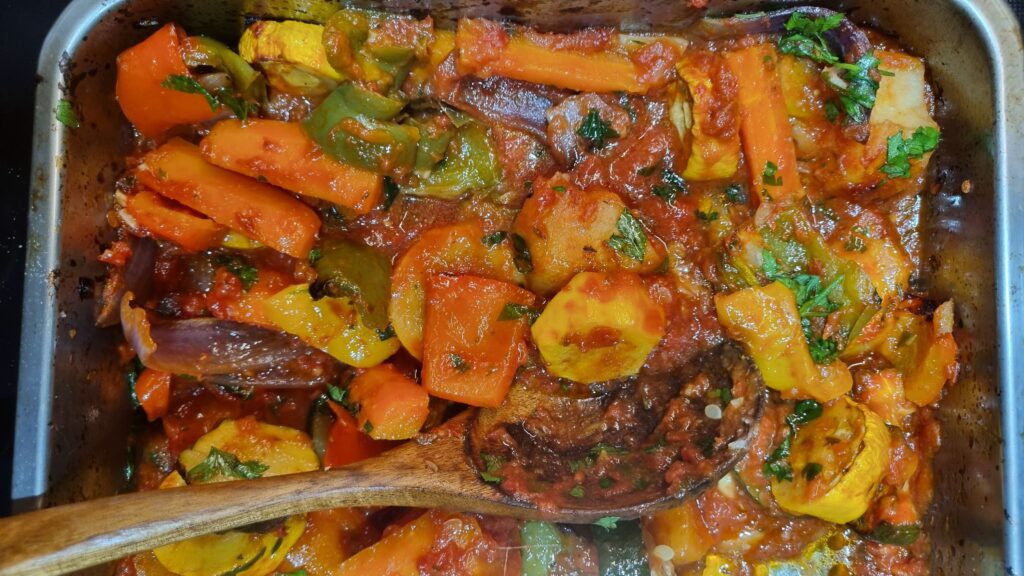
Briam – roasted vegetables medley
This one in the photo is homemade, but still (or maybe more) delicious !
This post was inspired by and used some information from the book ‘Nistisima’ by Georgina Hayden
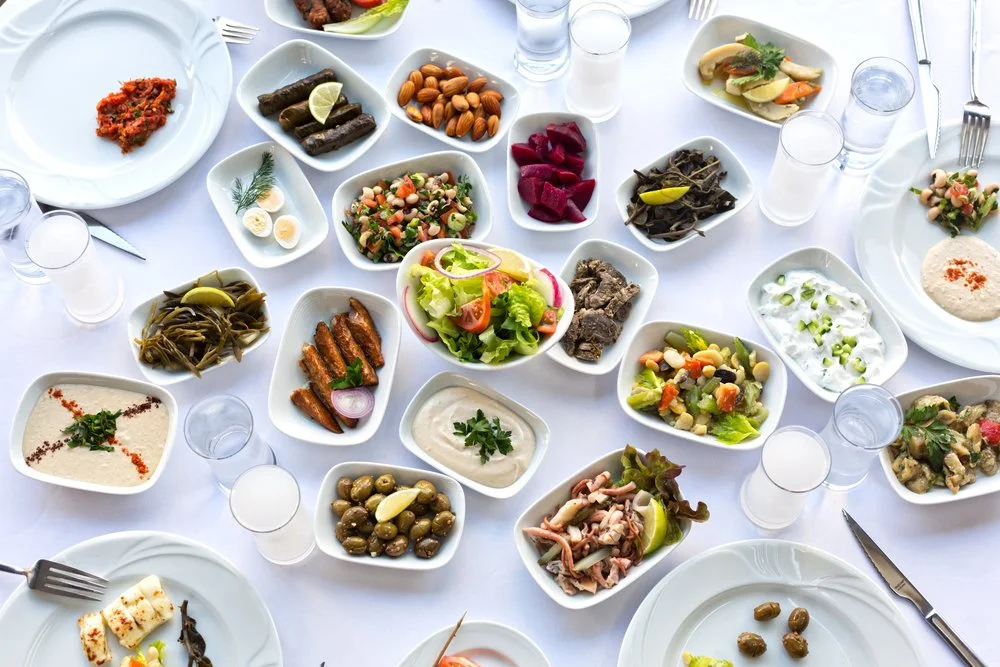
The first thing that comes to mind when I think of Greek cuisine is the simplicity of the dishes, their freshness and the social aspect of eating, i.e. enjoying delicacies together and sharing them. In Greece, hardly anyone eats alone, and as proof of how deeply and long this has been rooted in the culture, there is a whole selection of tiny dishes, appetisers, or as the Greeks say – mezedes (from the singular meze), which we share while sitting at a common table. Meze(des) always occupy a large part of the menu in restaurants and taverns, and it often happens that a few selected from the menu constitute a whole meal for several people.
photo credit wwwkrasiboston.com
Some Greek appetisers are served hot, others cold, and the vast majority are vegetarian or vegan (in Greek, we would use the word nistisima, meaning fasting).
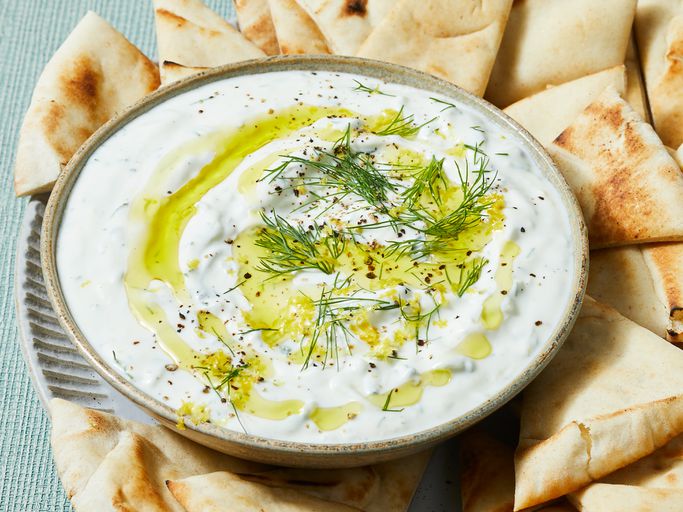
Here, I will write about four extremely popular dip-type appetisers. The first of these is tzatziki, which is a staple on 90% of menus. Tzatziki is a thick Greek yoghurt-based sauce mixed with finely chopped or grated fresh cucumber, dill and garlic. It is extremely refreshing on hot days.
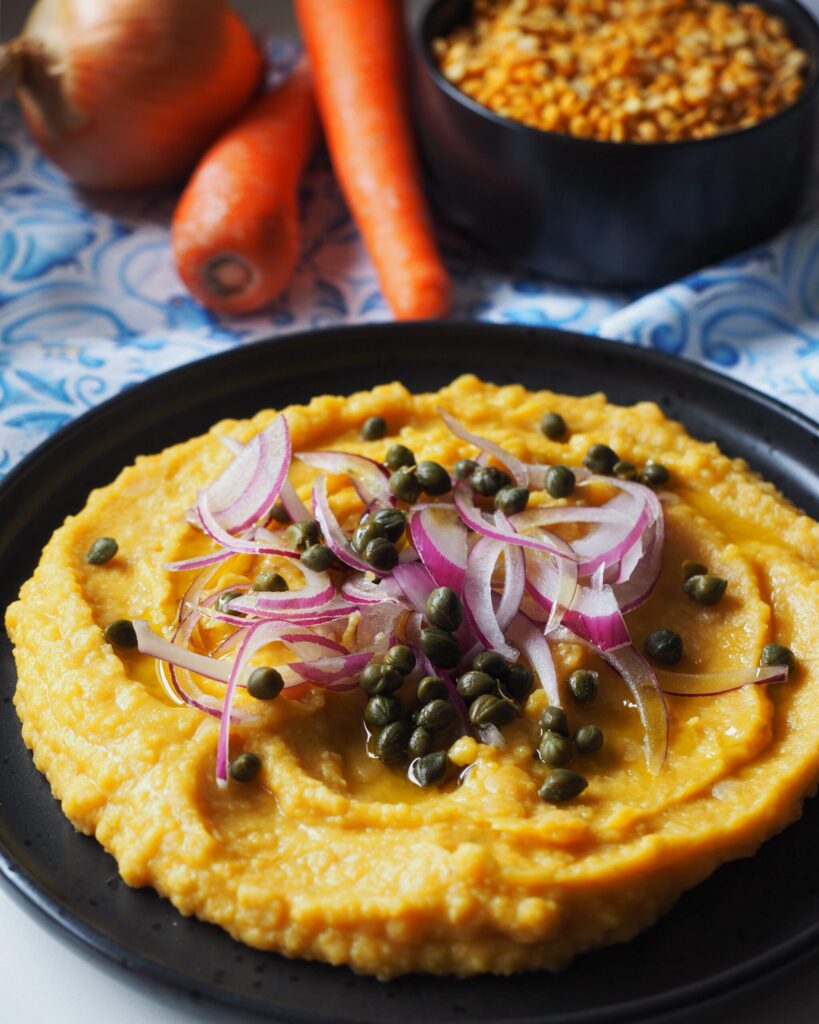
Another dip served with bread or pita is fava. It is a delicious paste made from yellow split peas, seasoned with onion, garlic and lemon. Due to the availability of ingredients, it is one of the oldest known dishes. Archaeological excavations confirm that the peas needed to prepare fava were grown in Santorini over 3,500 years ago.
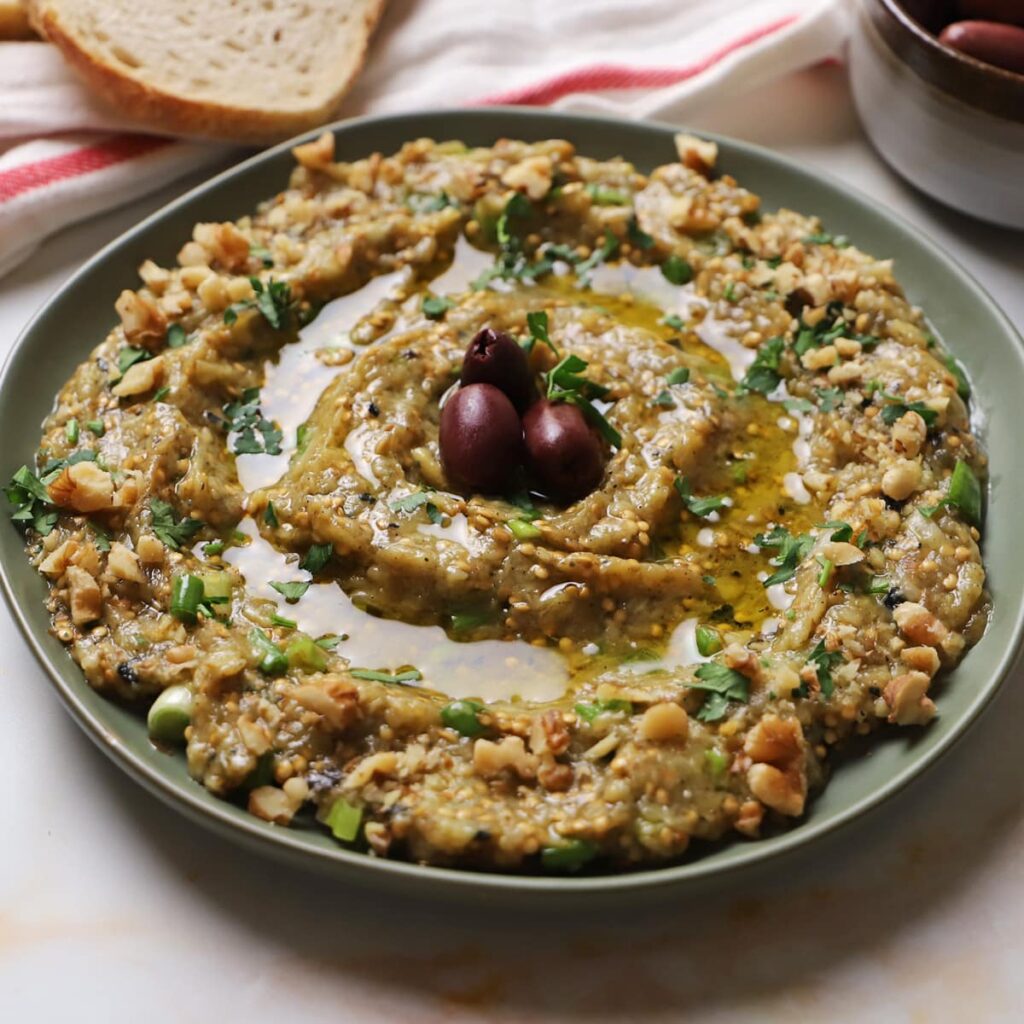
Another delicacy, sometimes called a dip, sometimes a salad, is melitzanosalata, which is roasted and peeled aubergine, garlic, olive oil and lemon. This dish is best when the aubergine is roasted whole and its skin has had a chance to brown a little – the dish then takes on a smoky aroma. Some people add chopped walnuts, which give it a little crunch.
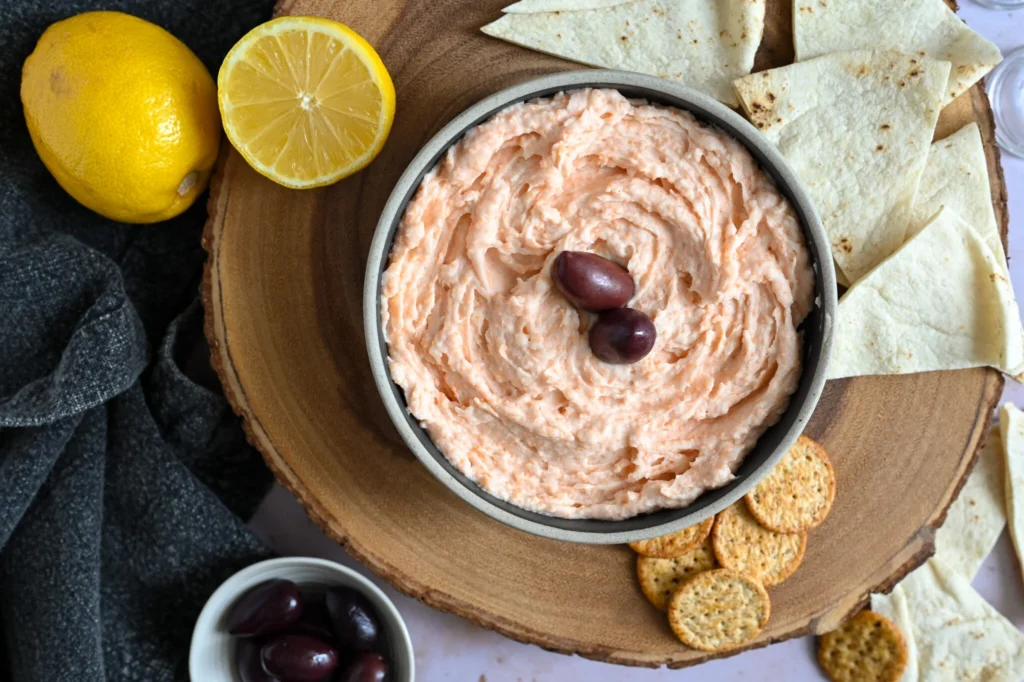
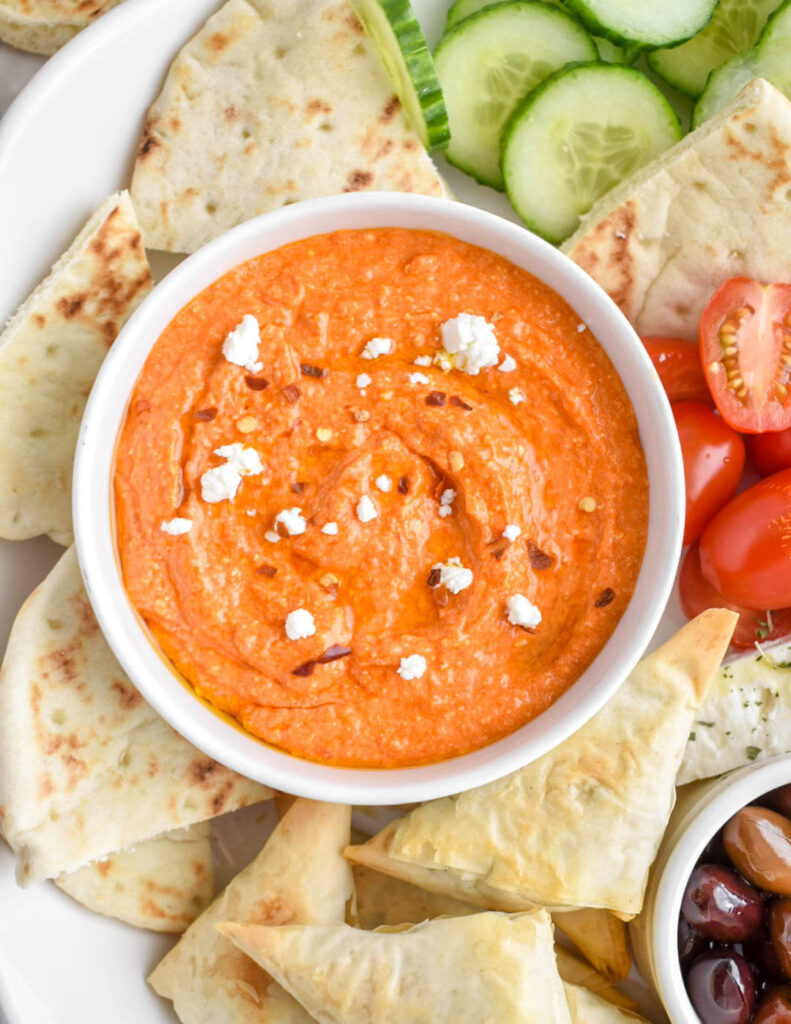
The last dip requires the use of feta, the most famous Greek cheese. It is called tirokafteri and, apart from the cheese, it contains roasted peppers, chilli peppers, olive oil, vinegar and garlic. This appetiser is creamy and spicy, a real flavour bomb!
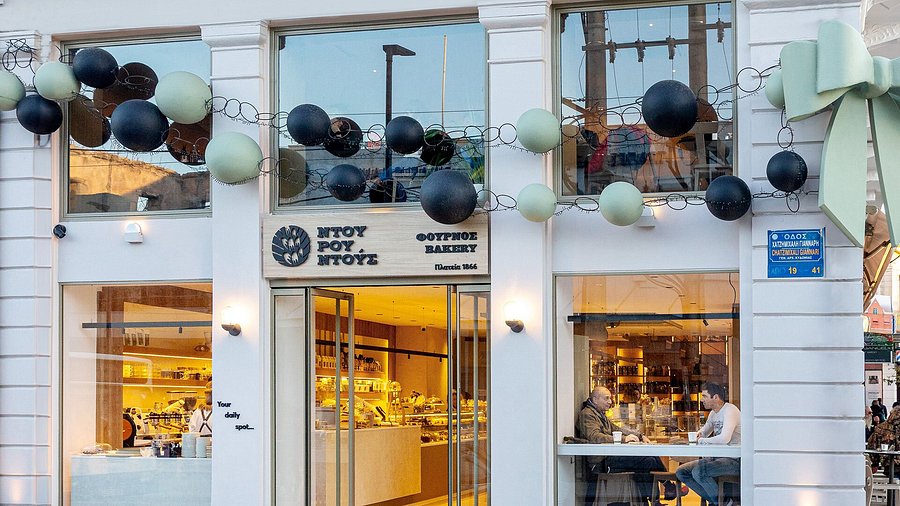
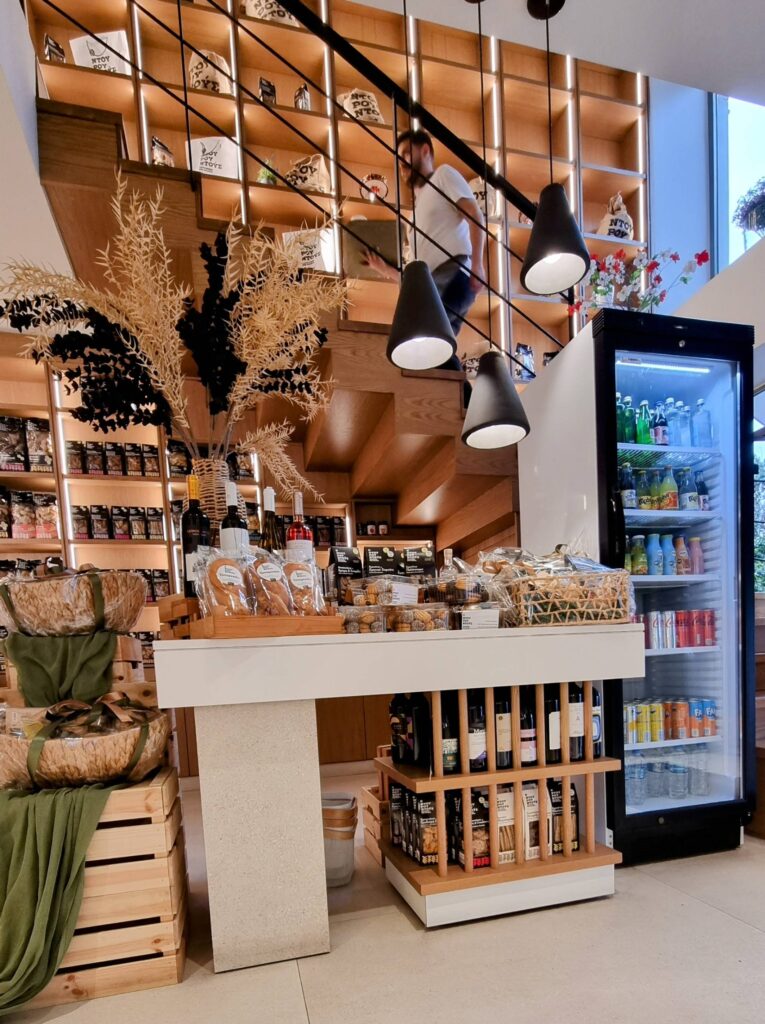
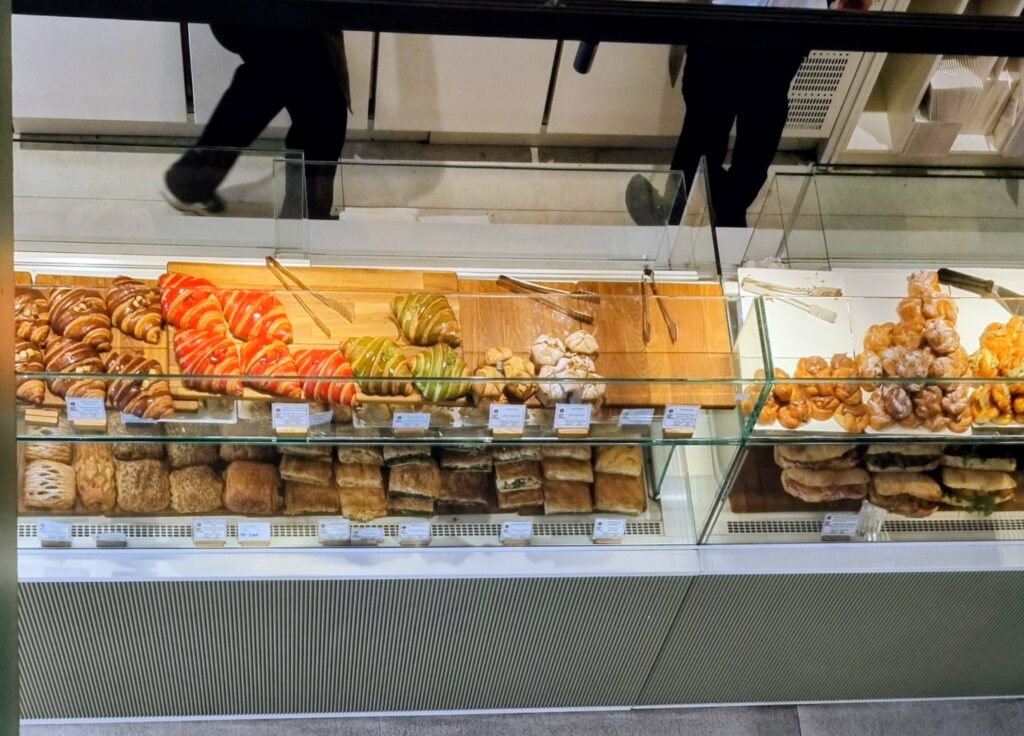
Breakfast category. If you don’t want to limit yourself to a sweet or savoury pastry from a nearby bakery in the morning, head to Ntouroudous: a patisserie, breakfast spot and shop all in one. Ntouroudous is a large establishment consisting of shop counters beautifully displaying products, refrigerators, cash registers and a few bar stools on the ground floor, and a large number of tables for guests on the first floor.
photo credit tripadvisor.com
There are QR codes on the tables with access to the menu, and there are also many electrical sockets, which tourists will appreciate.
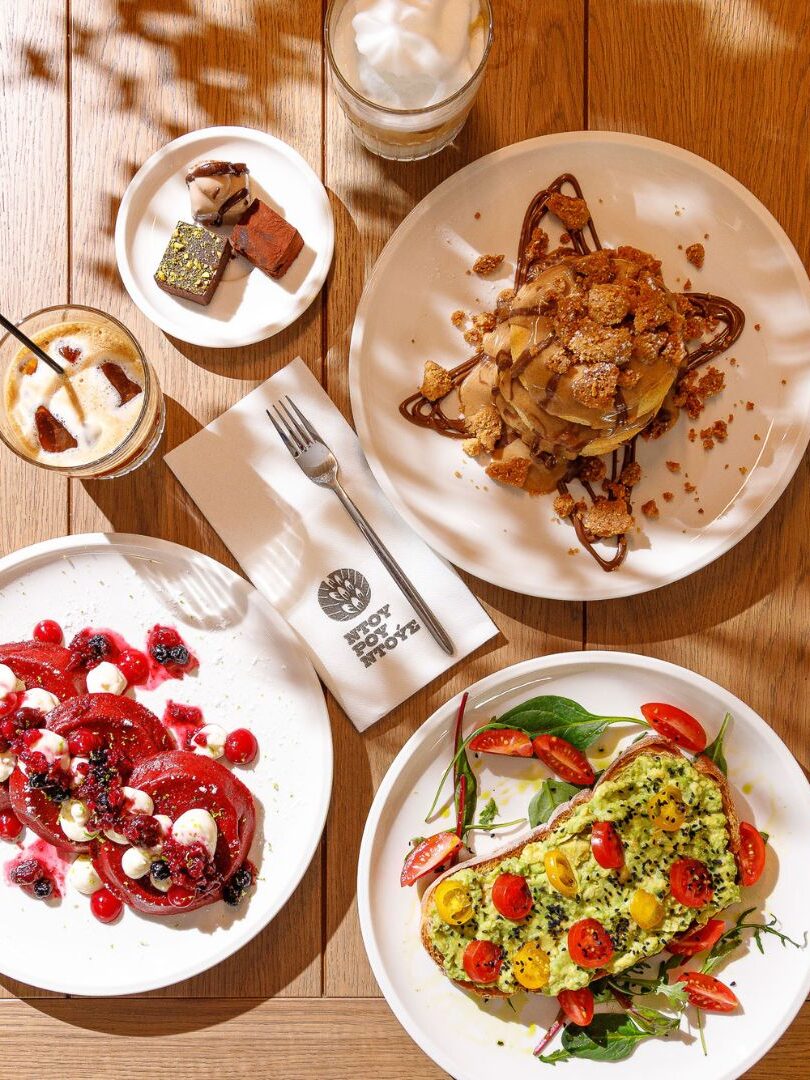
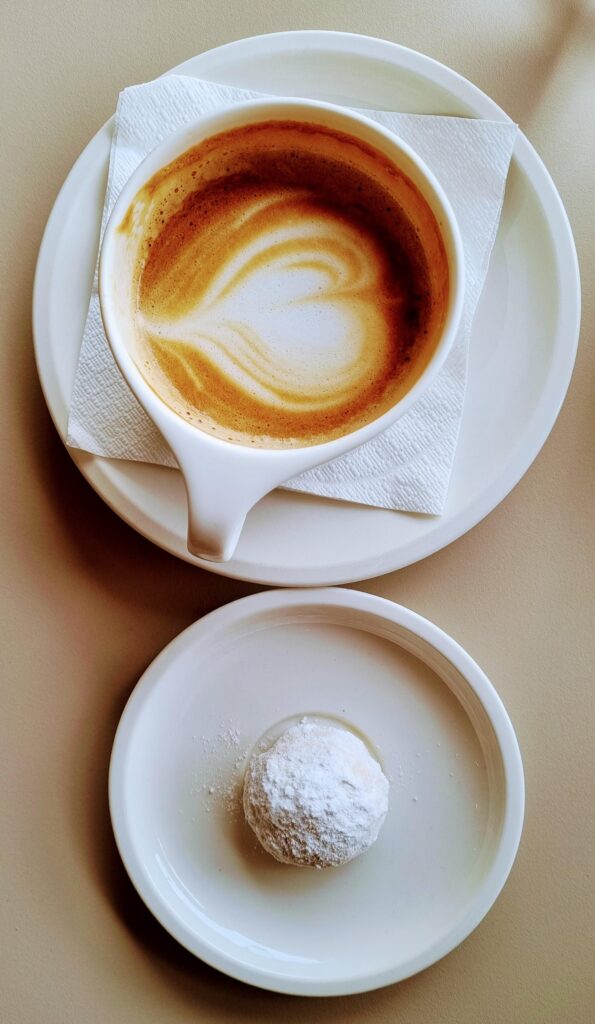
The menu is extensive, ranging from Greek-style sweet pastries (kalitsounia among others) and French-style pastries (of course, croissants are the most popular, with a large selection available), to toast, sandwiches, salads, pancakes and bowls. The establishment offers a full selection of coffees, and you can also enjoy juice.
photo credit chaniacityapp.gr
I would like to point out that both vegetarians and vegans will find something for themselves.
After breakfast, you can treat yourself to something from the shop. Perhaps some thyme honey, delicious cookies or a jar of gliko to koutaliou (spoon sweets – sweet preserves, served in a spoon as a gesture of hospitality).
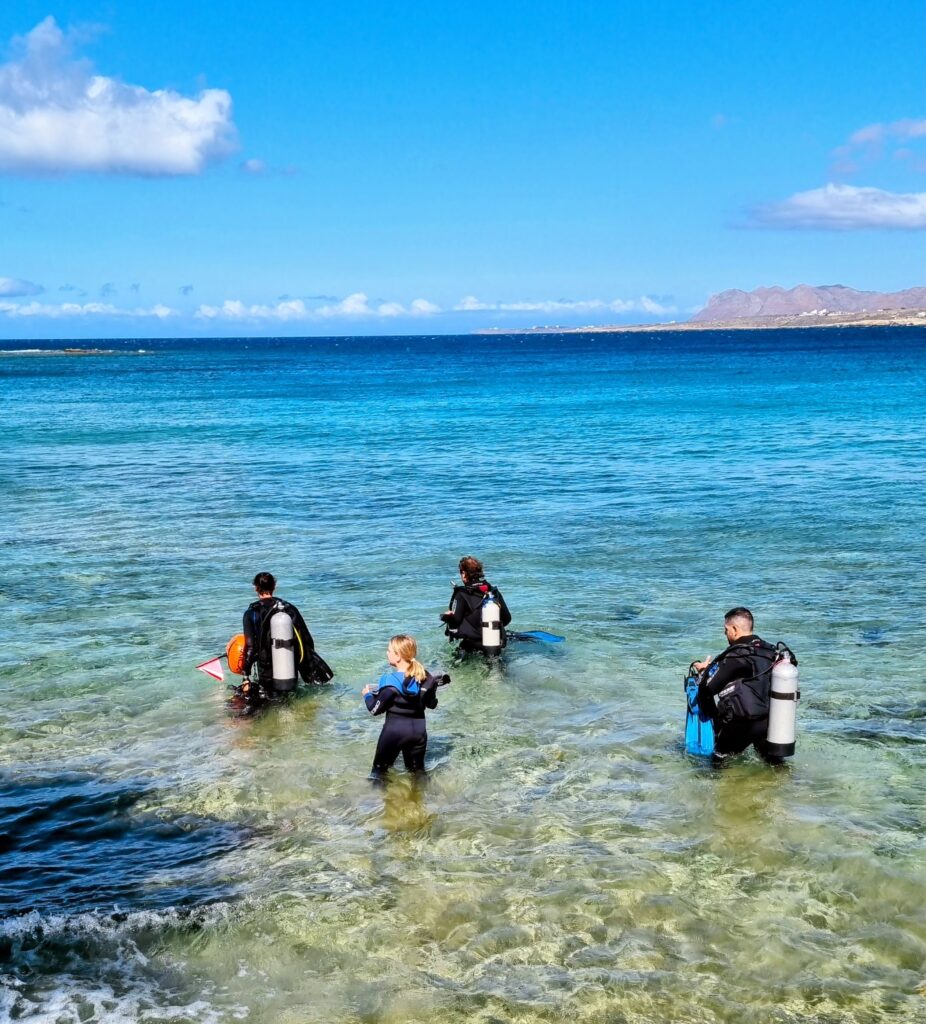
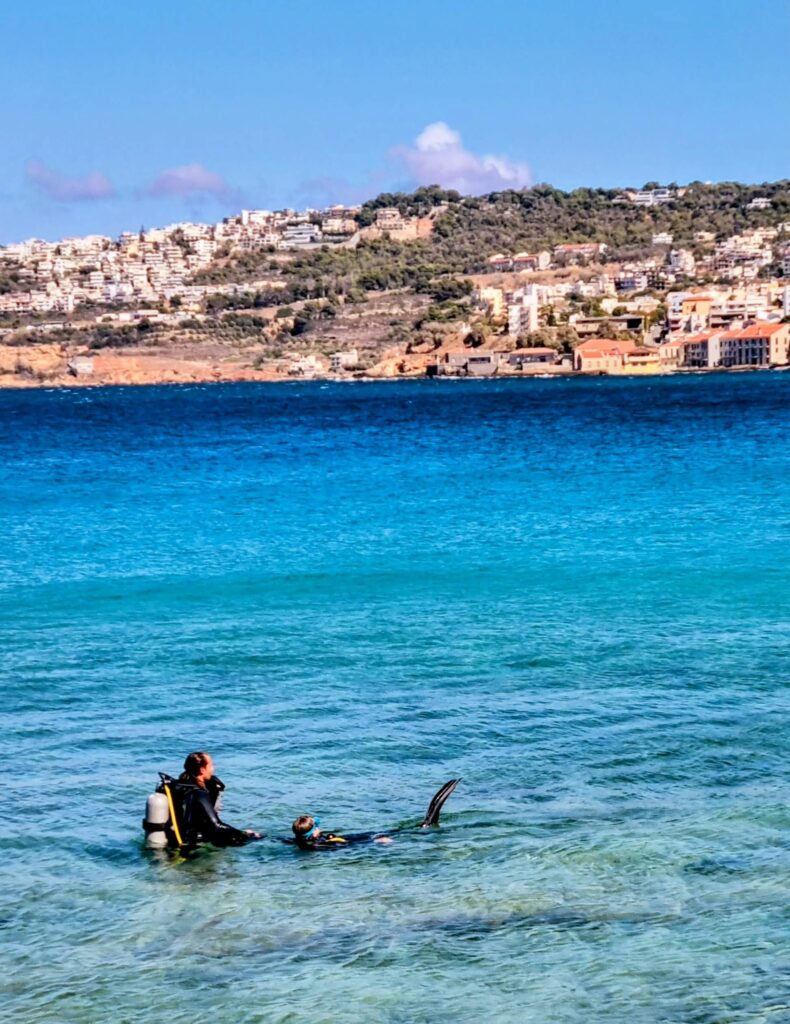
This is another attraction available in the city, aimed at young and old, beginners and certified divers alike.
I have experience with one company, but I assume that others with good reviews operate similarly. My 11-and-a-half-year-old daughter had the opportunity to try diving with Blue Adventures Diving Centre, whose centre is located 300 metres from Thimari Gardens. The option we chose involved entering the water from the beach, not a boat.
First, everyone taking a dip on that day underwent a short theoretical training session. I must admit that the information was conveyed efficiently and clearly, and my daughter had no difficulty understanding it, even though English is not her first language.
Then, with wetsuits, boots, fins and tanks selected, everyone headed to the 150-metre-away Koum Kapi beach under the supervision of an instructor.The weather was beautiful and sunny that day, with not too much wind, which guaranteed a smooth descent into the water and wonderful views.
My daughter had a personal dive master who guided her through all the stages until she dived with a tank quite far from the shore.
After an hour, she came out of the water happy, excited and ready for more!
We were assured that tickets to the museum could be easily purchased on site, so we set off leisurely from Thimari Gardens on a beautiful October day around 11 a.m. Leisurely and on foot. Google suggested that the walk would take 25 minutes and would run picturesquely along the coast, from Splantzia in the old town of Chania, eastwards towards the Halepa district, where the modern and eco-friendly new building of the Archaeological Museum is located.
We were not disappointed. The coastal road winds along the high rocky shore and allows you to either see the magnificent Venetian gate of Chania (Sabbionara) from a new perspective or enjoy tropical views. The last 300 metres lead into the city, but there is still plenty to admire here, because Halepa gained its fame in the 19th century as a centre of politics and business for the greats of this world, which resulted in the creation of many beautiful and unusual villas and estates, which, either carefully renovated or still waiting for an investor with a bag of money, can be seen on the way to the museum.
But there is also the museum building. Low, blending into the hill, quite discreet from the outside, bright, uncluttered and open inside.
Standard tickets cost €6, but all EU residents under the age of 25 enter for free. Audio guides are also free of charge.
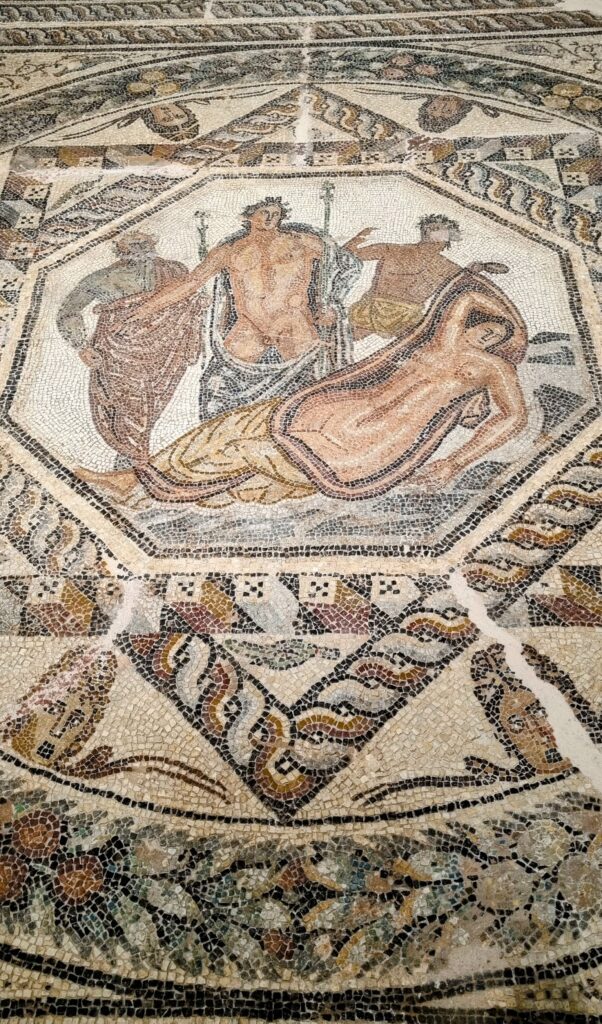
The permanent exhibition, covering the period from the Palaeolithic to Roman times, is housed in three large rooms. Most of the 4,100 exhibits come from the Chania area and the island of Gavdos, which is famous for its remains indicating that it was inhabited as early as 700,000 BC.
The first room presents the prehistory of this part of the world from the Palaeolithic period to the heyday of Minoan culture, with its palatial period, the remains of which are now mostly hidden in the Kastelli district of Chania, then known as Kydonia.
In the second room, we see a collection covering the Iron Age, the time of city-states, led by Kydonia and Aptera.
The third room is a narrative built around the destruction wrought by the terrible earthquake of 365 AD, and in particular the story of the destruction of a house called Filargyros, whose buried remains have become an excellent source of knowledge about that era.
There is another room on the first floor, which houses Mitsotakis’ private collection donated to the museum. It contains an absolute rarity – a stone seal engraved with the Minotaur, dated 1350 BC.
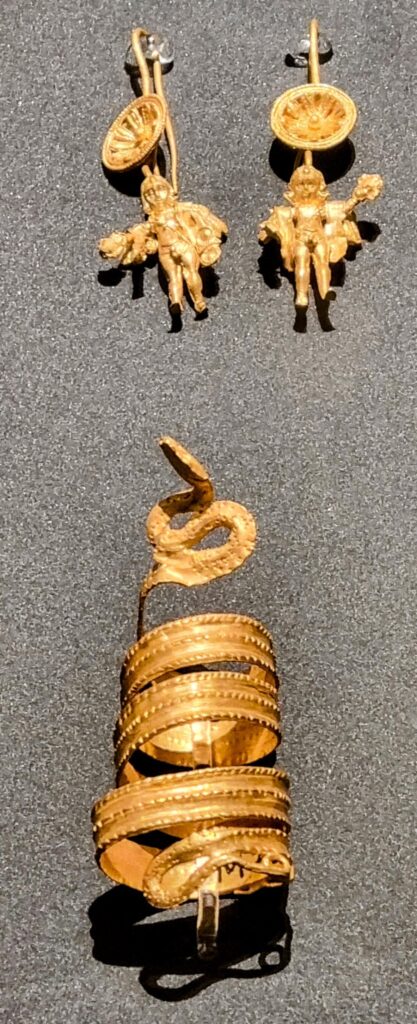
The exhibits are logically arranged, the most interesting ones are displayed and illuminated in an interesting way (I was delighted by the Minoan seal, jewellery, warriors’ graves and Roman mosaics), and clearly described. A leisurely stroll through all the rooms takes about 1.5 hours, and for those who are tired, there is a pleasant café with a terrace on the upper floor, offering an unobstructed, wonderful view of Chania and the Cretan Sea.
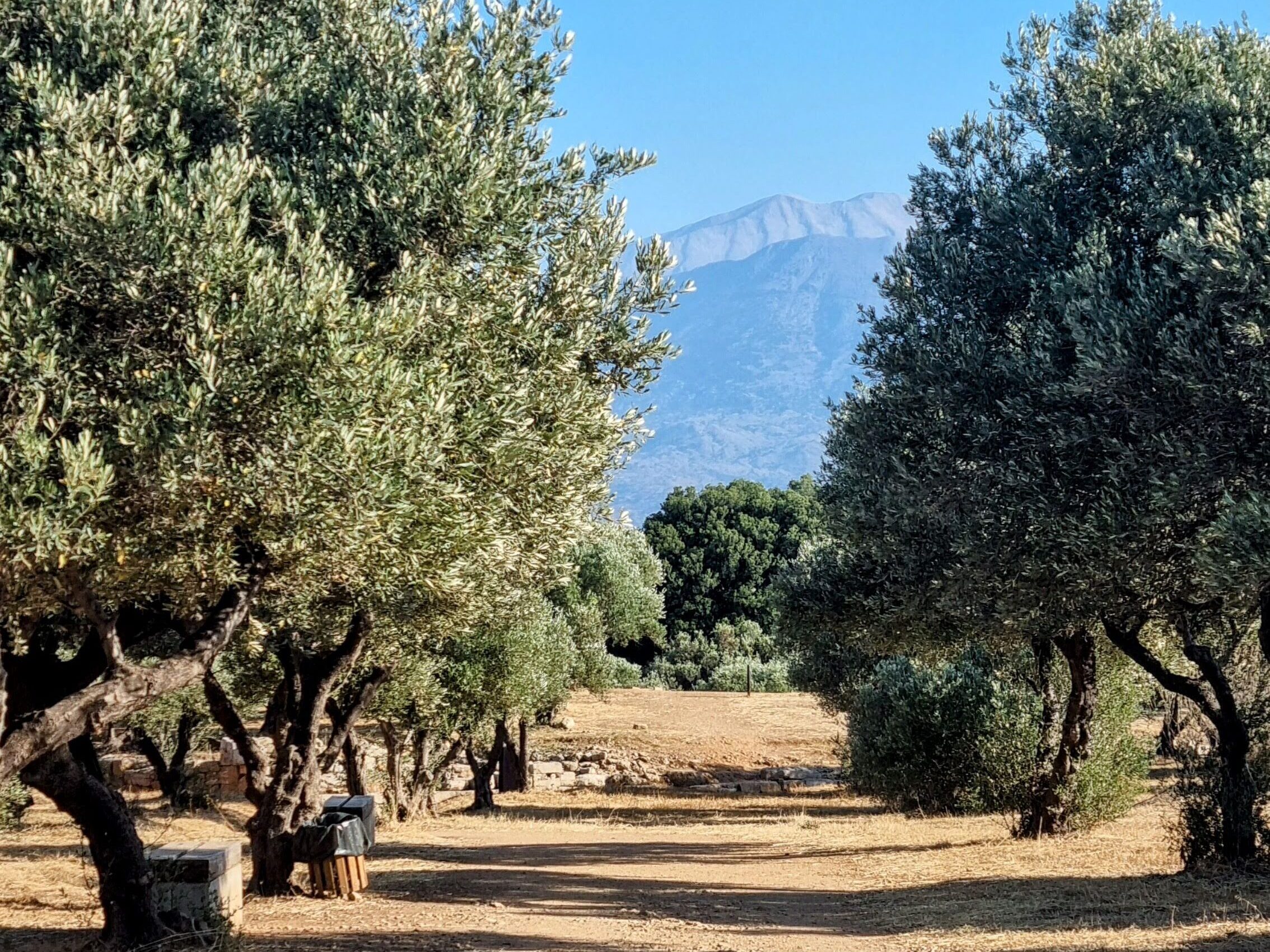
The olive tree, which we know and see today in many Mediterranean countries, has an extremely long history, growing alongside us and satisfying our needs with its wood, fruit and oil. For example, we know that as early as 100,000 years ago in Africa, its wood was certainly used as fuel, and people at that time may also have consumed olives. We also have evidence that it was cultivated in the Mediterranean basin as early as 7,000 years ago. In Crete, its importance as one of the basic crops (along with cereals and vines) reached a very high level in 3000 BC, and many scientists believe that its commercial cultivation and trade were the source of the wealth of the Minoan civilisation. At that time, however, olive oil was mainly used for lamps (including sacred ones), for skin and hair care, and for anointing. Since then, the olive tree and its fruit have held an unshakeable position as the main crop in the Mediterranean region, whether in Spain, Italy or Greece.
The name of the olive tree (Latin: Olea Europea) most likely derives from the Proto-Greek language, and its first written form appeared in the Mycenaean syllabic script Linear B (2200-1900 BC).
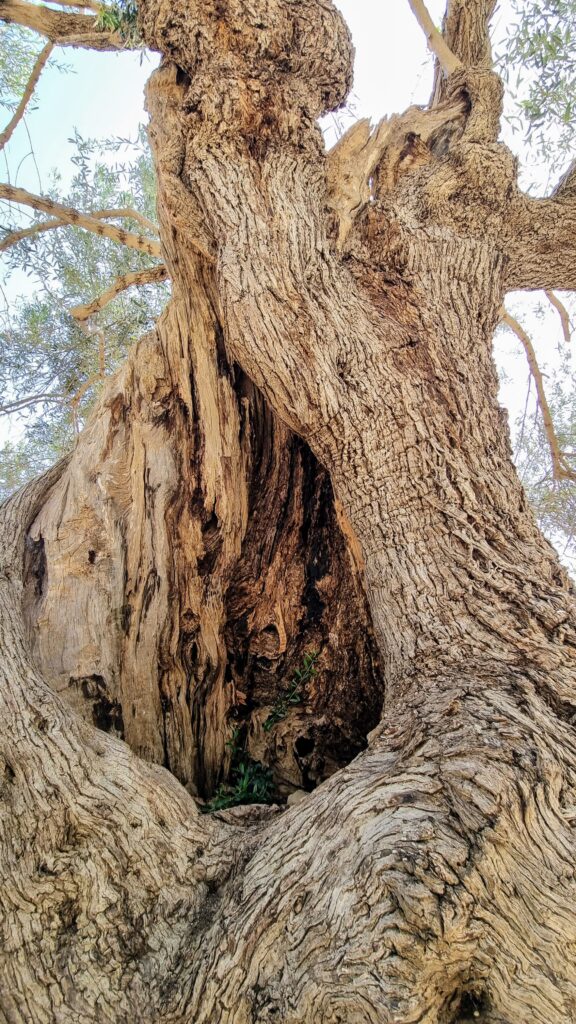
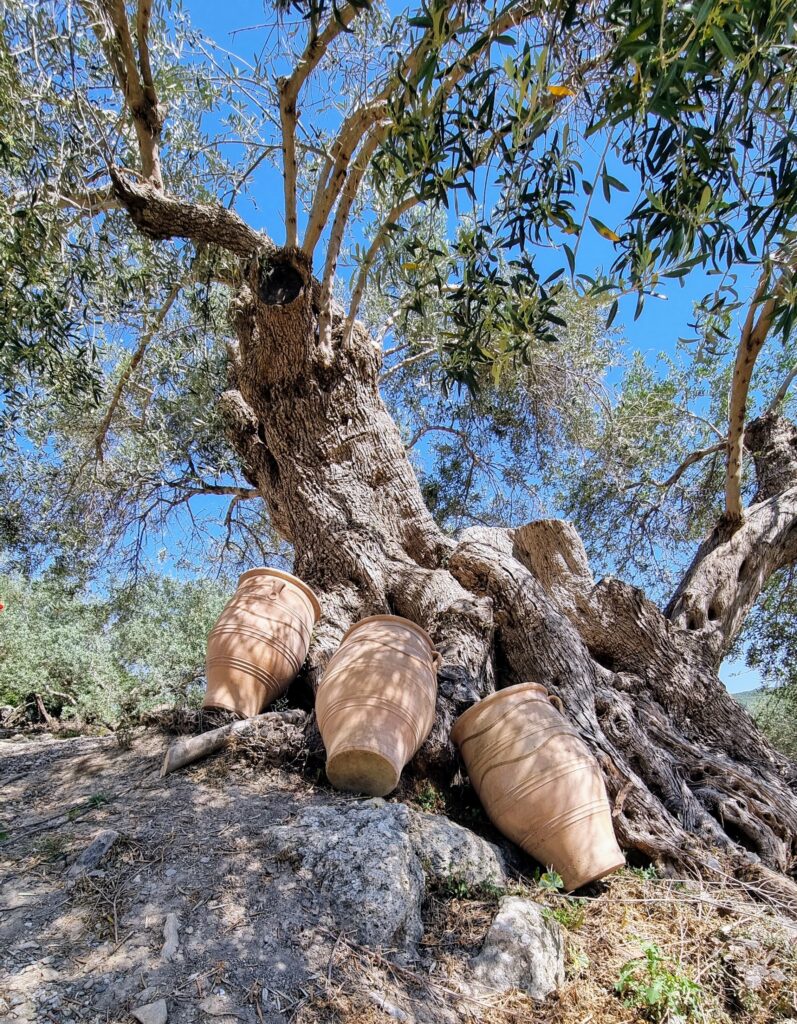
The olive tree has always been a symbol of wisdom, peace, strength, fertility and purity. This is not surprising, as the tree itself is quite remarkable. To thrive, it simply needs sunshine, a little water and well-drained soil. This is enough to keep it alive for hundreds, sometimes thousands, of years. In Crete, in the village of Vouves, 30 kilometres from Chania, you can see the famous olive tree, estimated to be between 2,000 and 4,000 years old. If you decide to visit this national monument, don’t miss the interesting Olive Tree Museum nearby.
Majestic, one of the most ancient olive trees in Crete (Astraka)
Today, Greece remains one of the leading producers of olive oil. Crete alone has about 30 million trees, and annual olive oil production reaches 120,000 metric tonnes, 80% of which is extra virgin olive oil. Although Greece ranks third as a European olive oil producer (after Spain and Italy), it proudly leads the world in olive oil consumption, with 24 litres per capita per year! This is not surprising, as its quality is the highest. The fresher the olive oil, the better. In Crete, olive oil production takes place immediately after the autumn harvest (October-November), the olives are crushed whole, and the greenish, intensely fragrant liquid fills bottles and cans. It is available for sale from December.
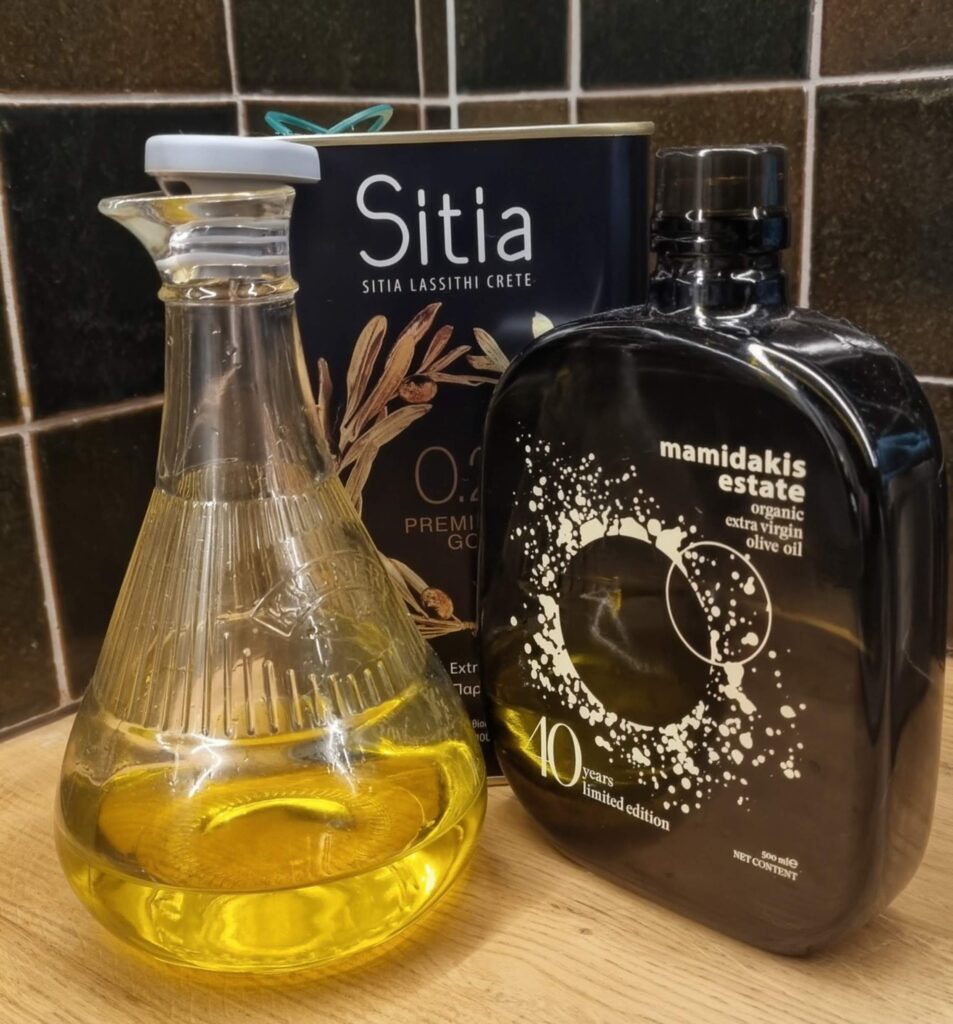
Cretan olive oil is mainly obtained from two varieties: Koronaiki and Tsounadi. The quality of the oil is excellent (as I mentioned earlier, 80% is Extra Virgin, which translates into low acidity – below 0.8% free acidity and a fruity flavour), but the oils naturally differ in taste depending on the region they come from. The Chania region is famous for the producers Chania Kritis and Kolymvari Chanion Kritis, whose oils are known for their slightly peppery taste. Those who prefer milder, less ‘demanding’ types can try olive oil from Kritsa or Sitia. For the more adventurous, many producers offer oils with added herbs (e.g. rosemary), lemon or orange peel.
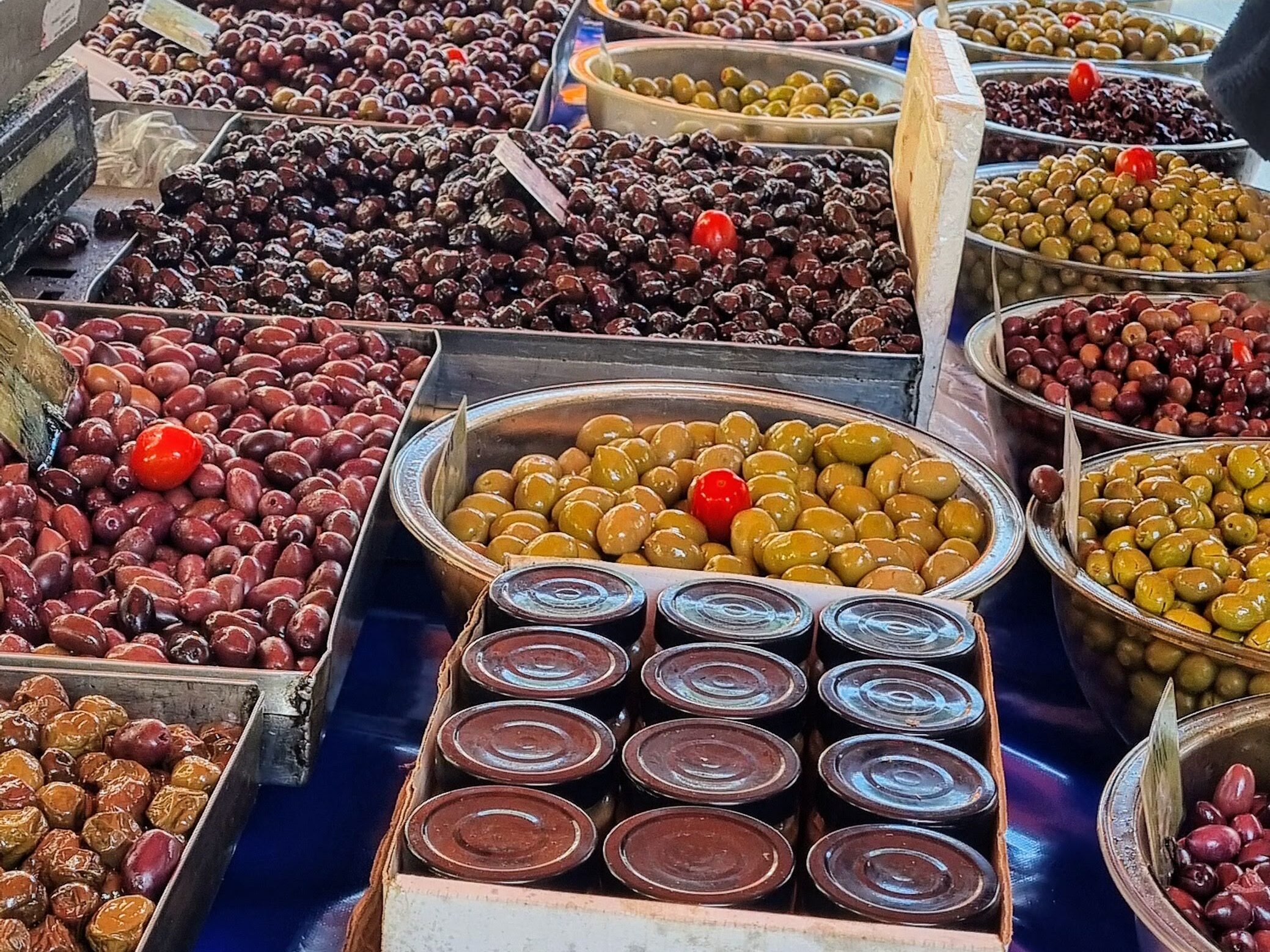
In addition to buying olive oil, tourists are keen to choose from dozens of types of marinated olives, and often buy kitchen utensils or bowls made of hard, durable but very decorative olive wood.
Being an animal lover and a fan of Crete, I thought I had the perfect topic for a blog post.
However, exploring the topic turned out to be not entirely satisfactory, and the material I gathered was rather sparse. Well, Crete, being an island, is by definition practically devoid of predators, boasts a small number of mammals, and, in addition, human activity has decimated and limited the local fauna. Unfortunately, though once upon a time even small elephants lived there, now if someone spots a WILD animal in the wilderness or in a ravine, it immediately becomes an event, as if it were a great animal migration in Tanzania.
photo credit villaterracreta.com
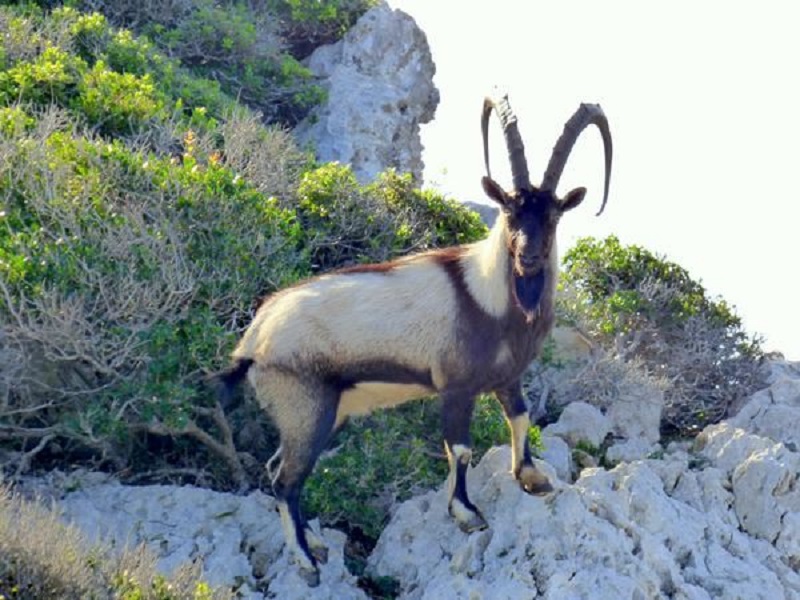
But to the point, what can lucky and observant travellers hope to see? The most talked about animal is the wild and shy Cretan kri-kri goat (also known as agrimi), of which there are about 2,500 left. These goats are famous for their acrobatic agility, which allows them to stay on almost vertical rocky cliffs or outcrops. The males with long, twisted horns look particularly impressive. Currently, these animals can be found in the gorges of Samaria, Agia Irini or Tripiti and their wild surroundings. In an attempt to prevent the kri-kri from interbreeding with domestic goats (which were very eager to diversify their genetic makeup), many of them were transported to two uninhabited islands near Crete, Dia and Theodorou, but apparently they did not like the conditions there.
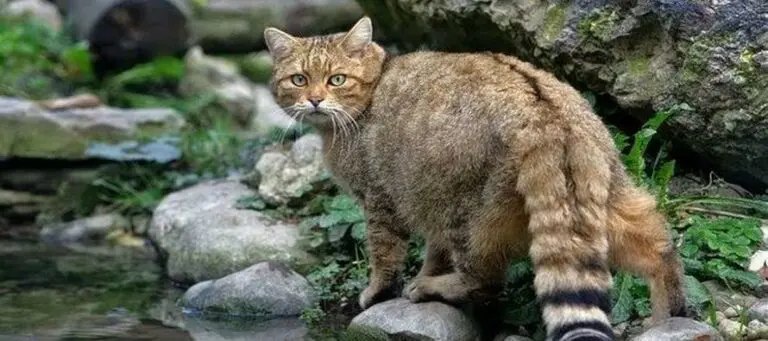
My dream would be to encounter the elusive and extremely rare Cretan wildcat (fourogatos). In all likelihood, there are only a few left on the island; in 2016, one individual was seen on the Lasithi plateau. These cats are larger than domestic cats and have thick fur covered with a distinctive pattern.
In addition to the animals mentioned above, there are many smaller mammals living on the island. We may encounter hedgehogs, rabbits, badgers, weasels, shrews, rats and bats. Interestingly, there are no foxes in Crete and therefore no problem with rabies.
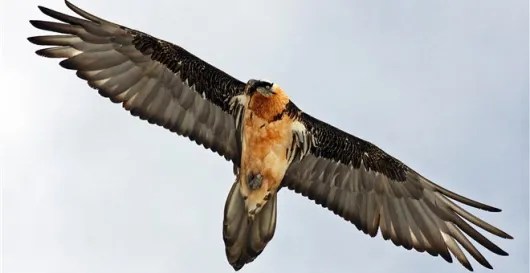
Birds are also moderately represented, despite the fact that Crete lies on the migration route to Africa for many species, providing them with a convenient stopover on their long journey. In the mountains, look out for the impressive griffon vultures circling in search of food. The island is also home to golden eagles, bearded vultures, falcons and owls. Smaller but particularly beautifully coloured birds are represented by bee-eaters.
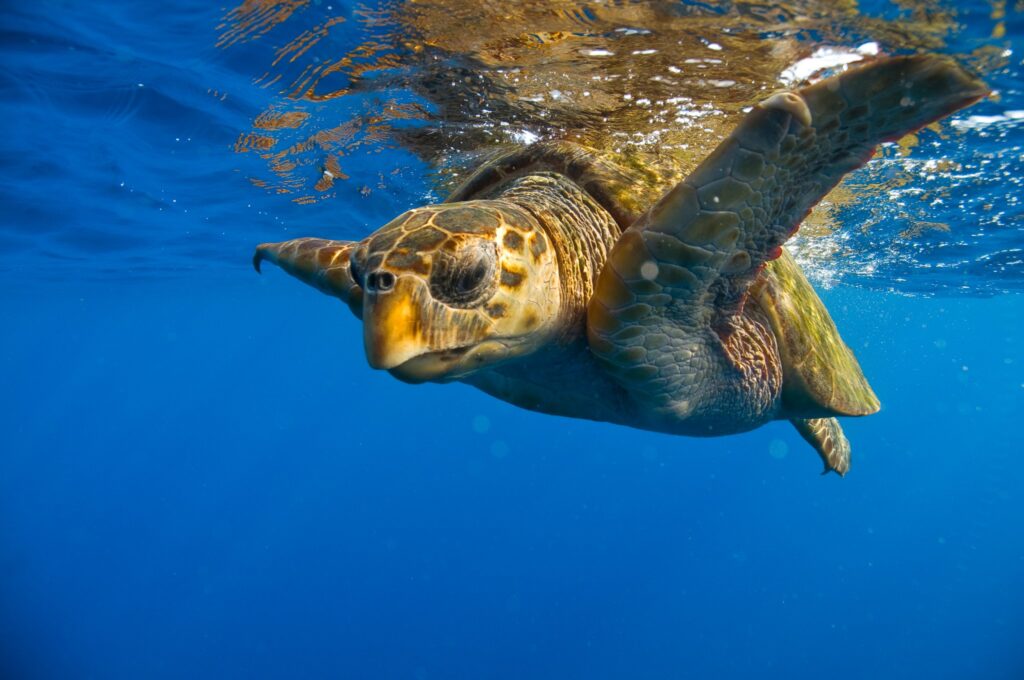
Among the reptiles, the magnificent Caretta turtles, which can measure 120-130 cm and weigh up to 160 kg, are sure to attract attention! These are sea turtles that come out of the sea 2-3 times a year to lay their eggs on the beach. They prepare a nesting site for about 100 eggs, each the size of a tennis ball, by digging a hole 50-100 cm deep. After laying their eggs, they carefully bury the hole and return to the sea.
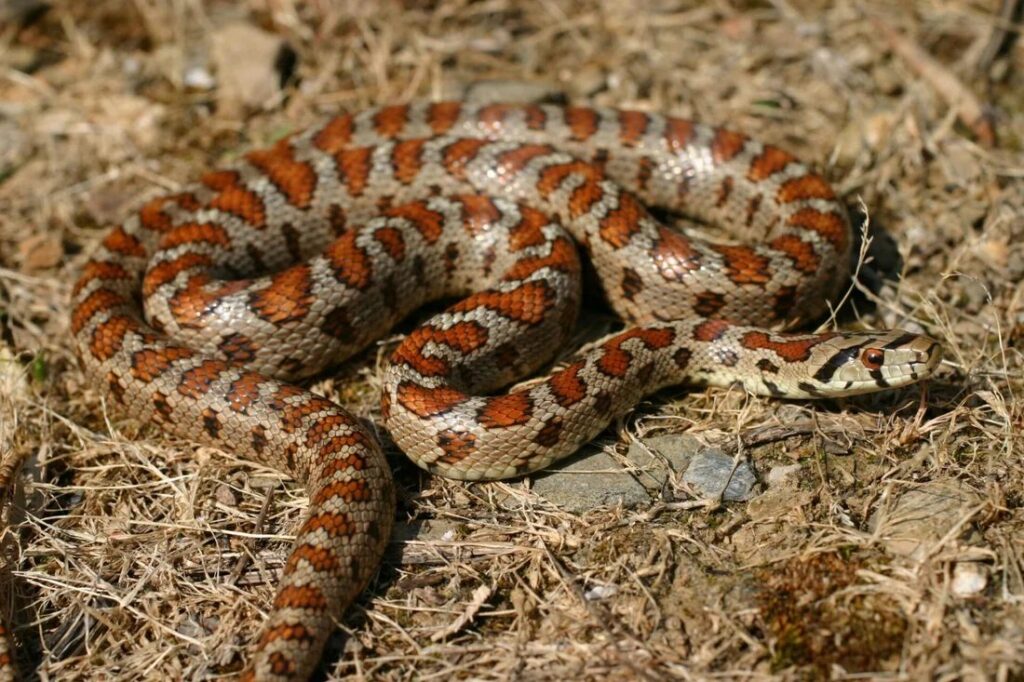
Apart from turtles, Crete is home to several species of small geckos and lizards (only the Podarcis cretensis, or Cretan wall lizard, is endemic) and four species of completely harmless snakes, of which the leopard snake is particularly striking in appearance.
It takes a lifetime for someone to discover Greece, but it only takes an instant to fall in love with her – Henry Miller.
About
My name is Marta, a Pole with Greece in heart. I am also a living proof that longlife dreams can come true. I always dreamt of having my place in beloved Greece and now here it is! And not just anywhere, but in the most wonderful city, steeped in the culture of ancient Greece, the Venetian Republic and the Ottoman Empire, my dream city of Chania, Crete.
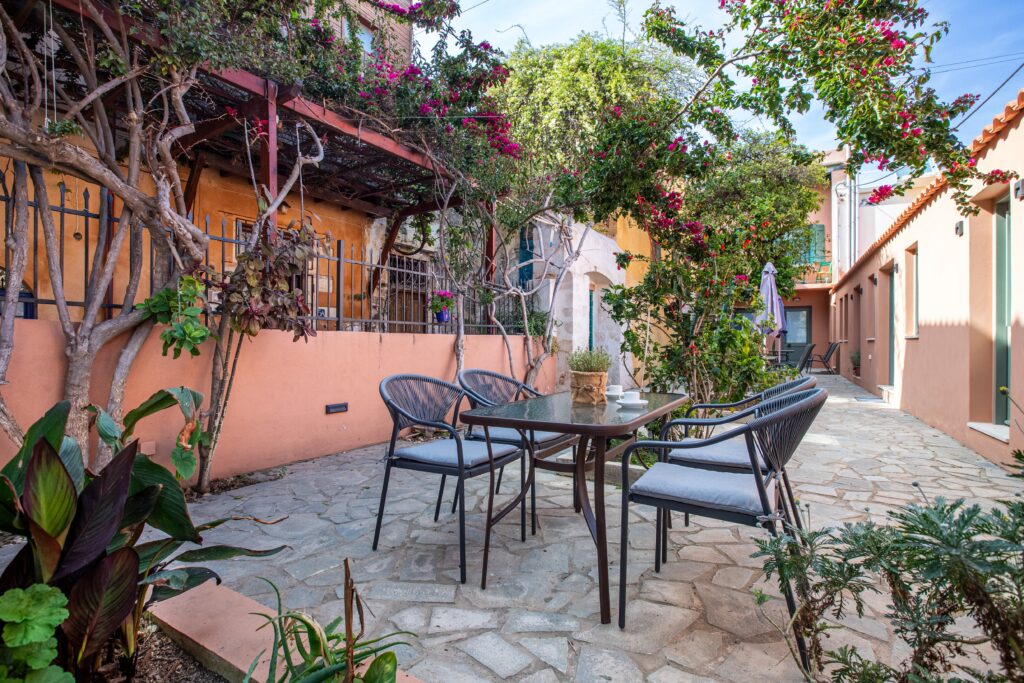
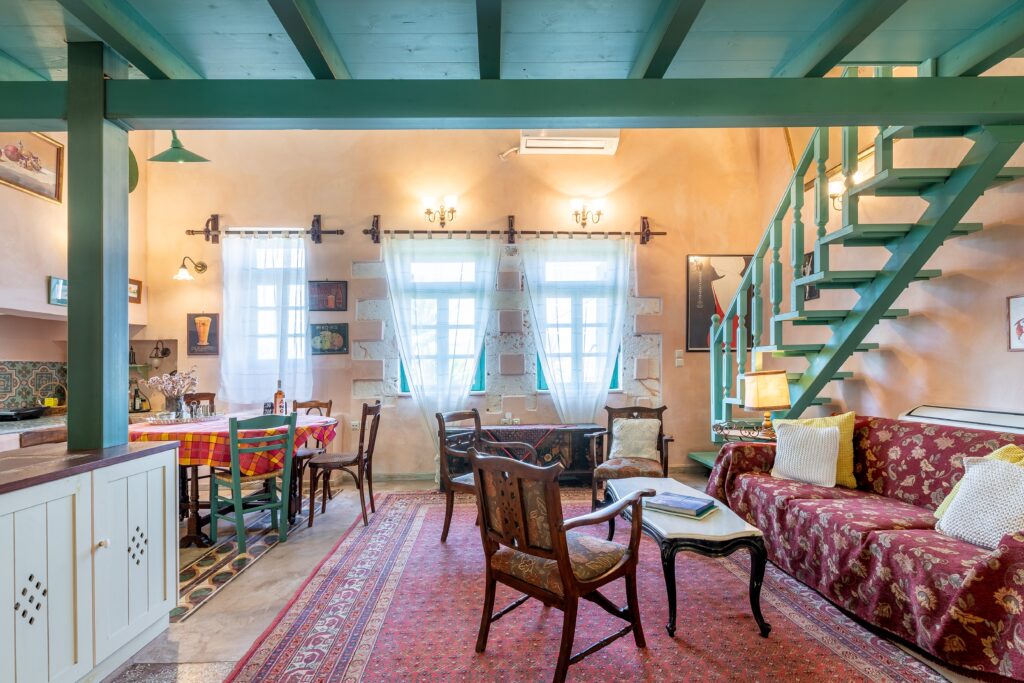
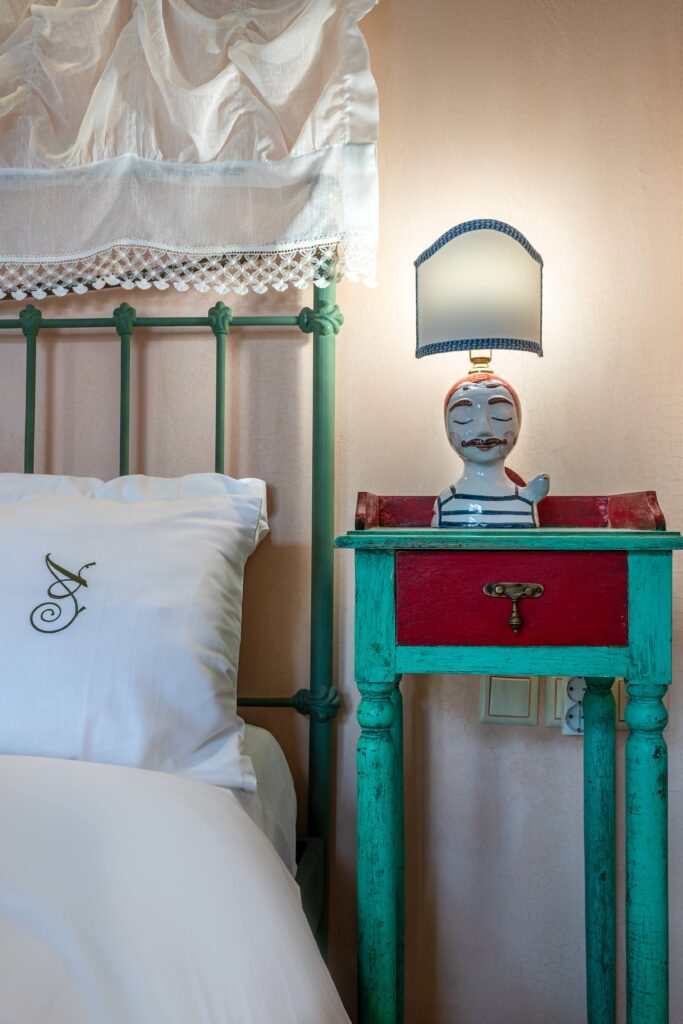
This blog aims at promoting Crete, Chania but also our home there- Thimari Gardens - which is seasonally rented out. More information about the apartment is available when you press the tab above named Thimari Gardens.
If you wish to ask about our rental offer, send an email at thimarigardens@gmail.com