Posted on Leave a comment

Our apartment – history, style and location

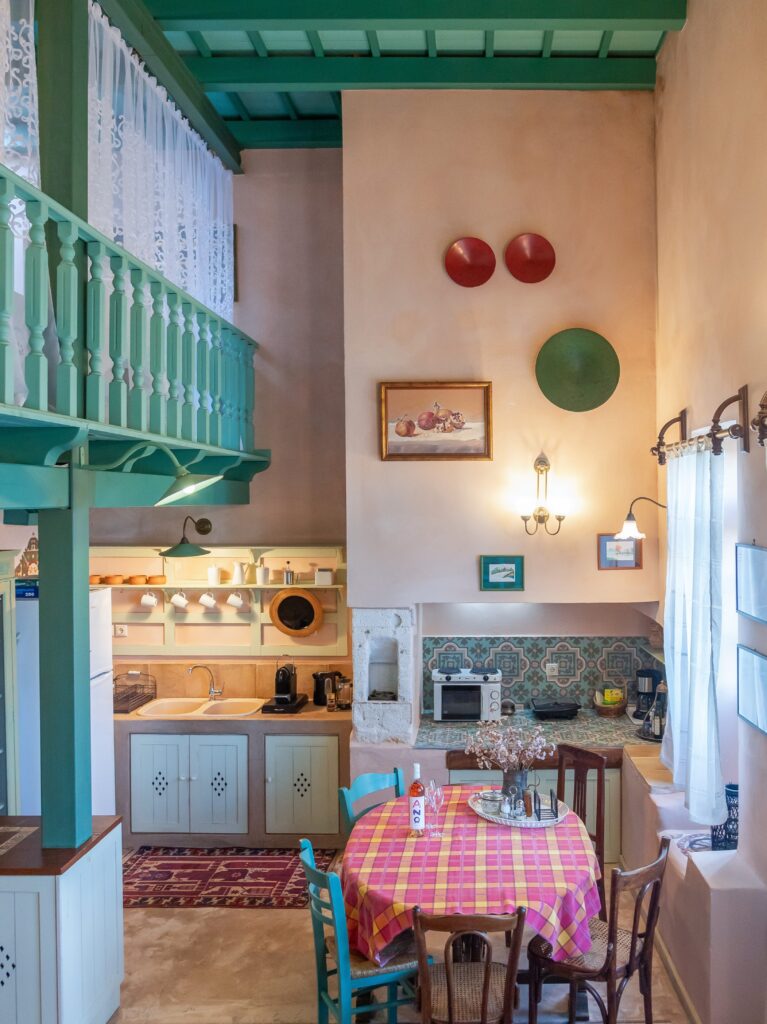
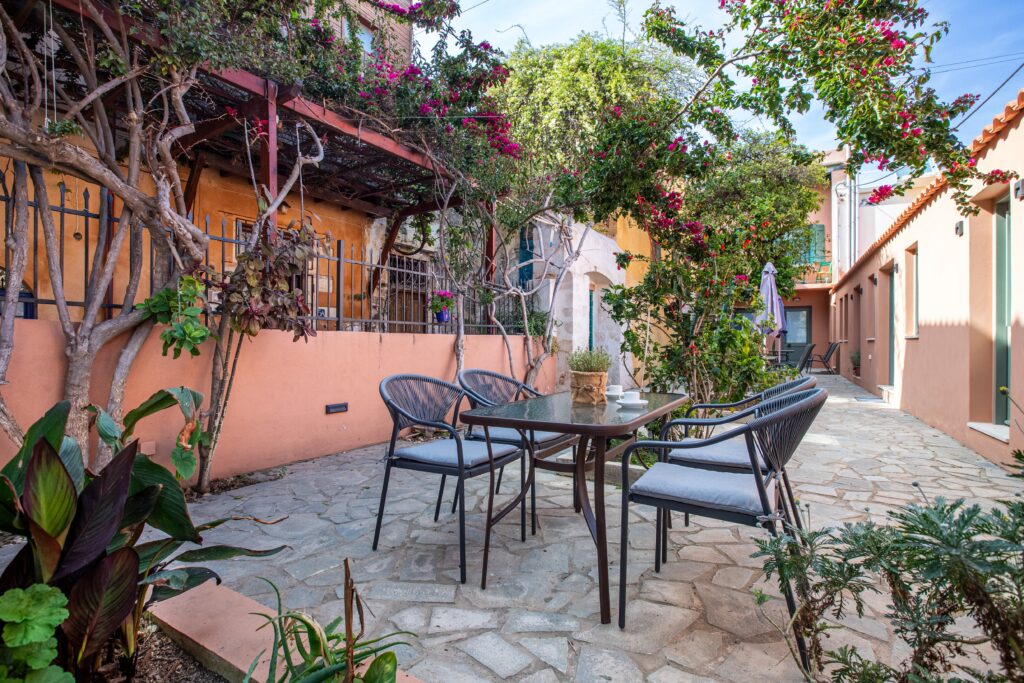
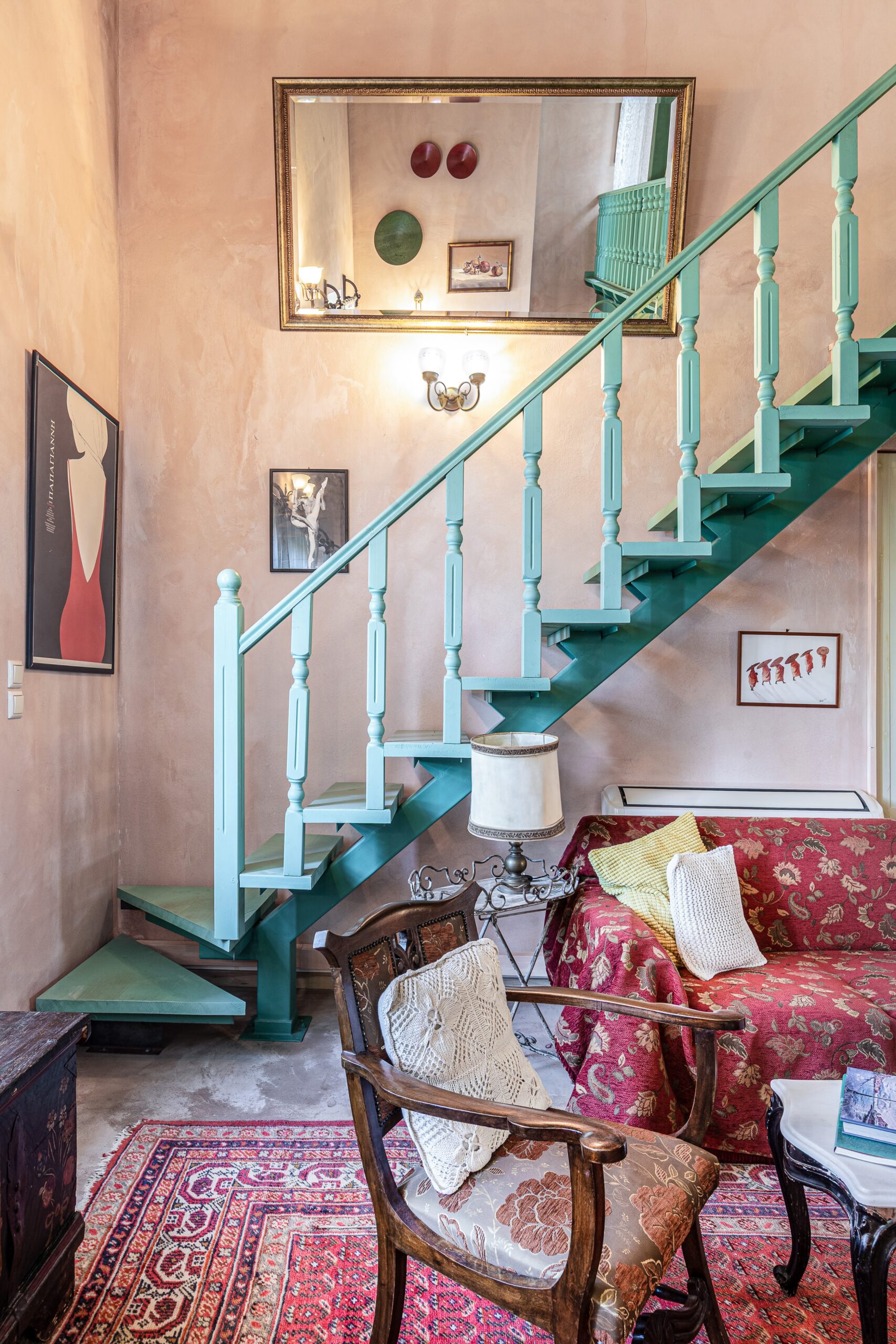
Thimari Gardens is more than yet another Airbnb place. A century old house was built on ruins of Dominican Convent dated back to 1320 A.D. 100 sqm house with a mezzanine, gives a lot of space, while green spaces we have on both sides keep temperatures moderate. What is really unusual for old towns, it remains calm, without street noises.

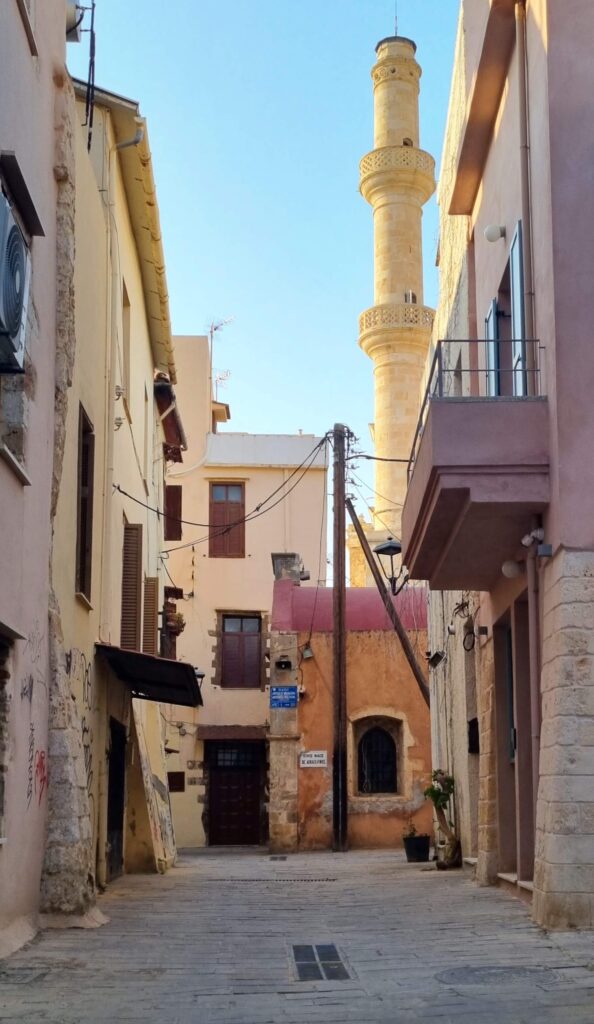
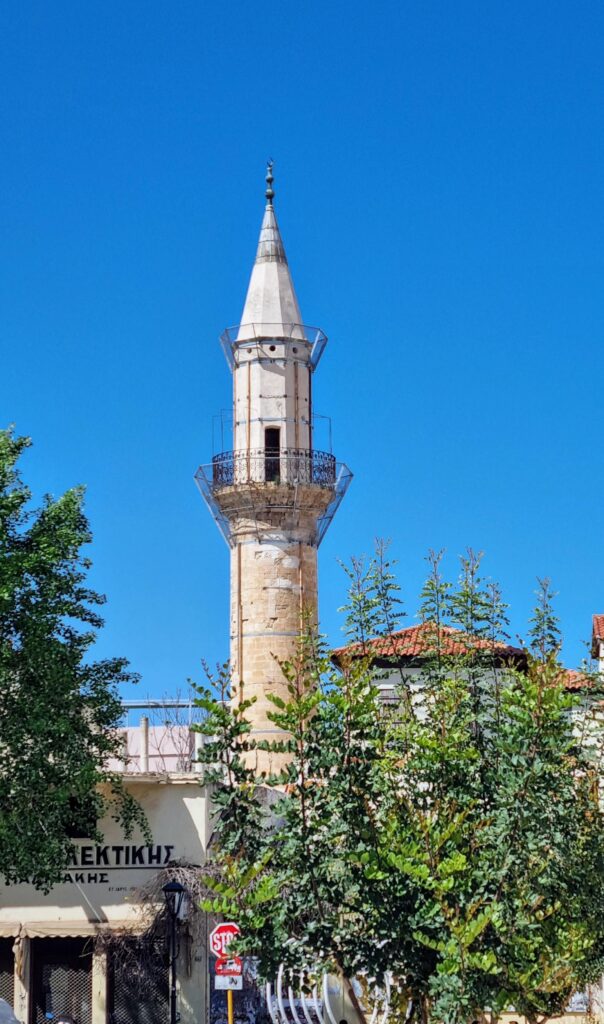
You will find the apartment in the historic Turkish quarter of Splantzia, next to the Dominican temple of St. Nicholas and Splantzia Square (aka ‘Plateia 1821’).
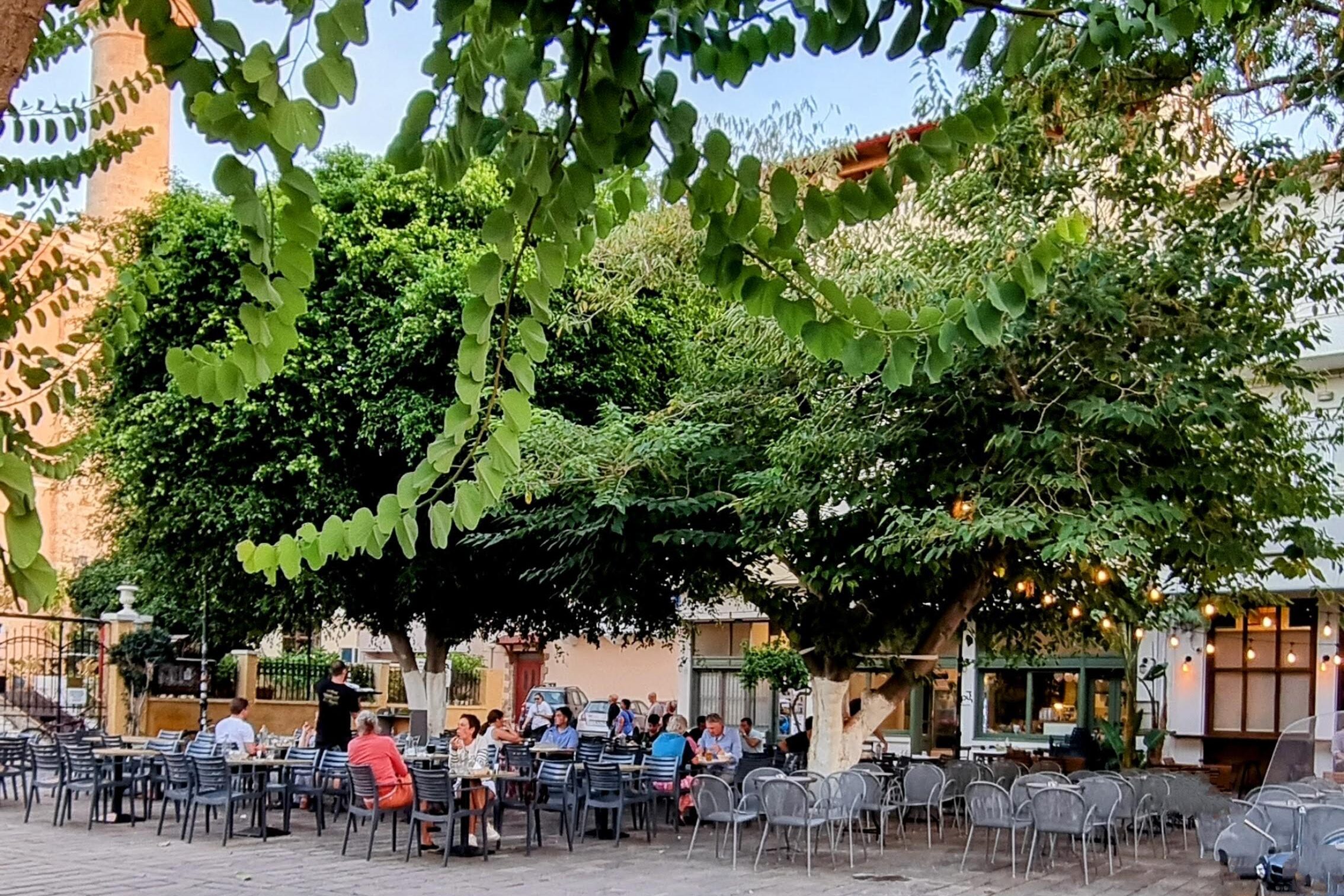
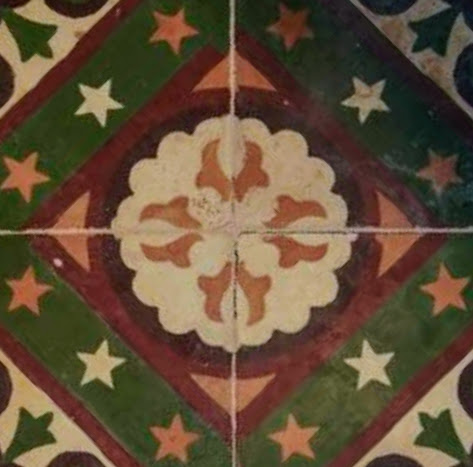
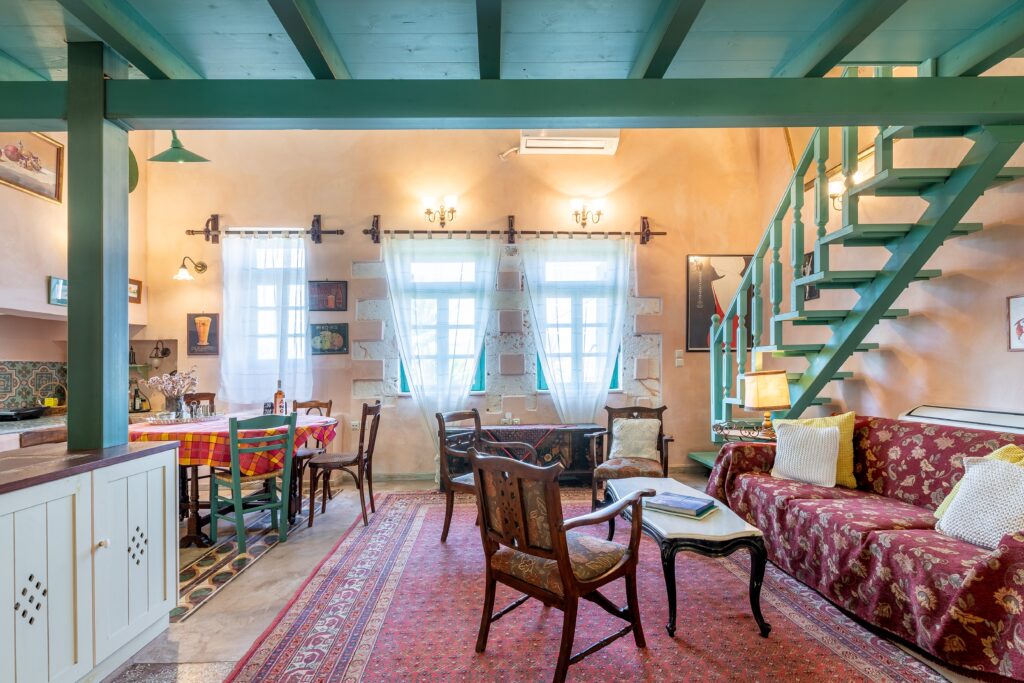
Our apartment  once constituted part of the closter built during Venetian rule and assumed its present form, more or less, during the 1930s. In 2007 it went through a major renovation and it was made sure that as many aspects as possible of the 1930s structure were preserved. The mosaic floors were kept where possible and all the kitchen floor tiles that remained intact got used as decoration on the bathroom and kitchen walls. In the living room, you can see some of the stones the walls are made of and ‘Stucco Veneziano’ throughout the house, giving it the texture you see on many buildings of the Old Town.

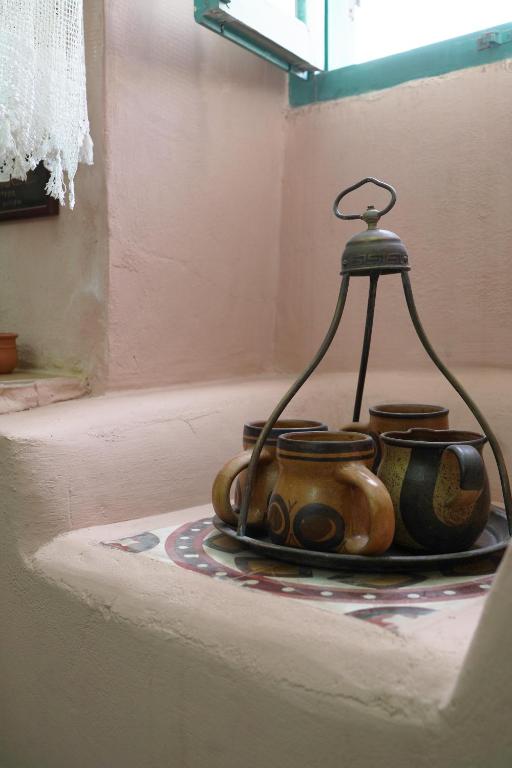
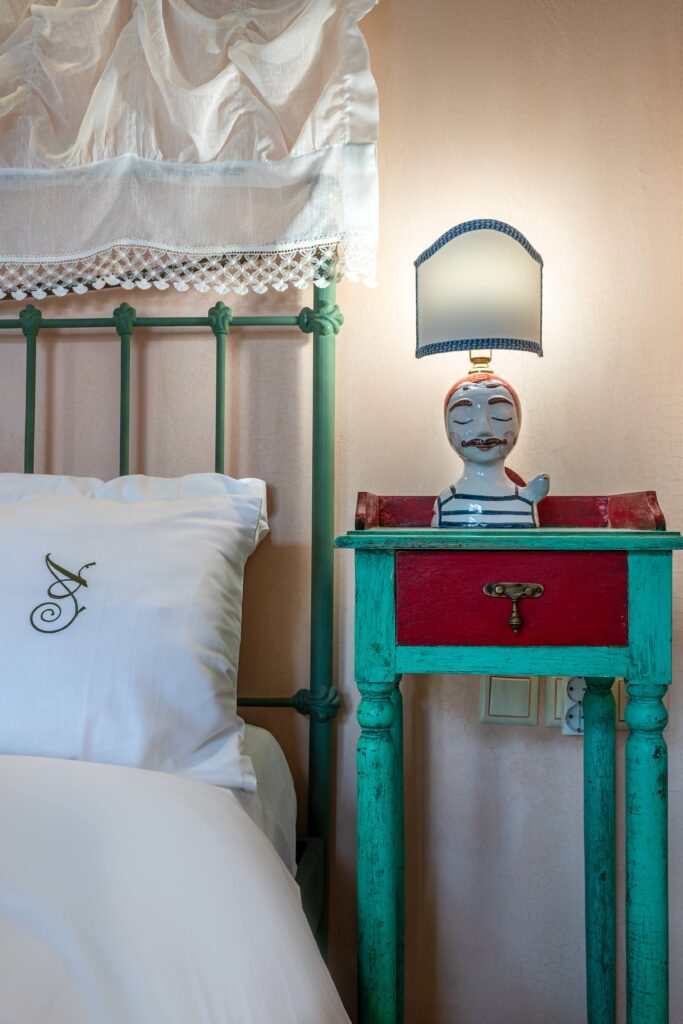
Special attention and respect were paid to details and the rustic character resembling that of the old town. Lovers of antiques and all things vintage will appreciate its character and will find it welcoming and easy to inhabit, especially after a busy day out in town.
Posted on Leave a comment

Splantzia (Square)

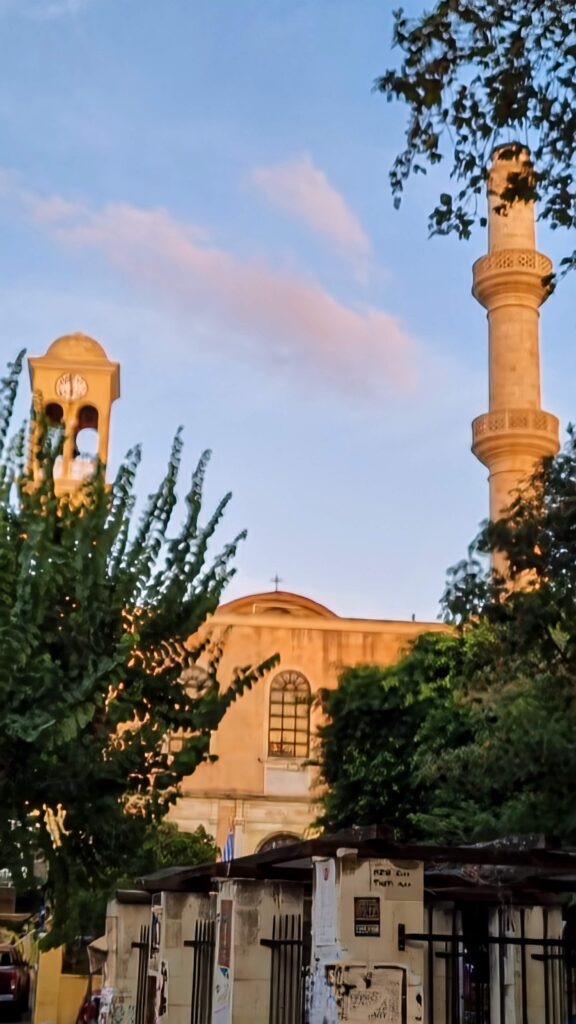
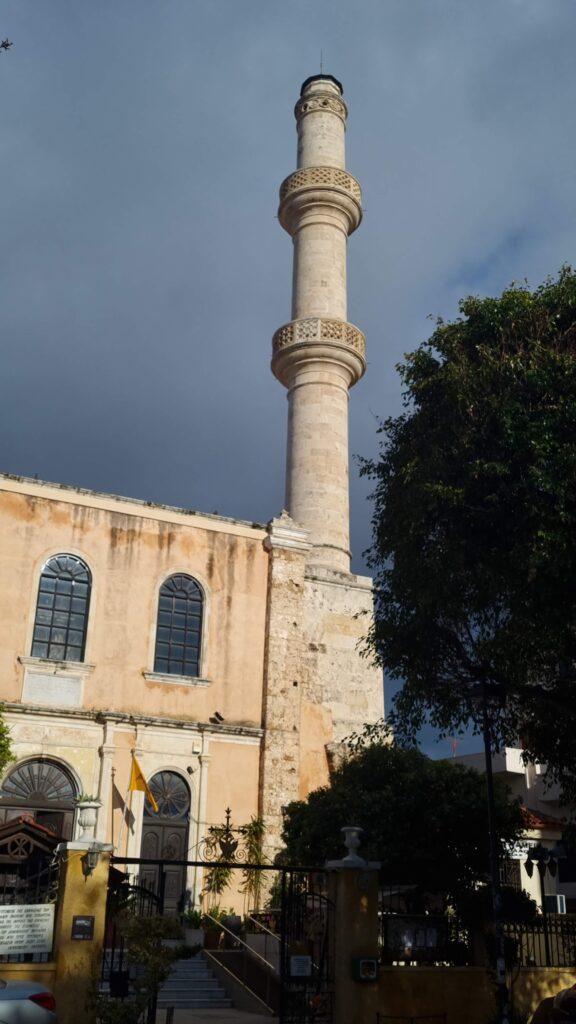
The area has a long and interesting history, going all the way back to the Venetian era. Back then, it was called Ponte Dei Viari, which means ‘bridge of the viari’ in Italian. This was because there was a bridge that connected the eastern gate of the Kasteli settlement with modern Daskalogianni Street and Splantzia Square. The bridge was named after a rich Venetian family who helped the city out when it was down on its luck. The area had lots of underground water, which explains why there were underground Venetian water tanks that could supply the city for six whole months. The current St. Nicholas Church was originally the monastery’s temple, which was run by the Order of the Dominican monks. It was built in 1320. After the Turks took over in 1645, they turned the church into a mosque called Houghiar Tzamissi – Hünkâr Camisi, by adding a minaret on the south side of the building.

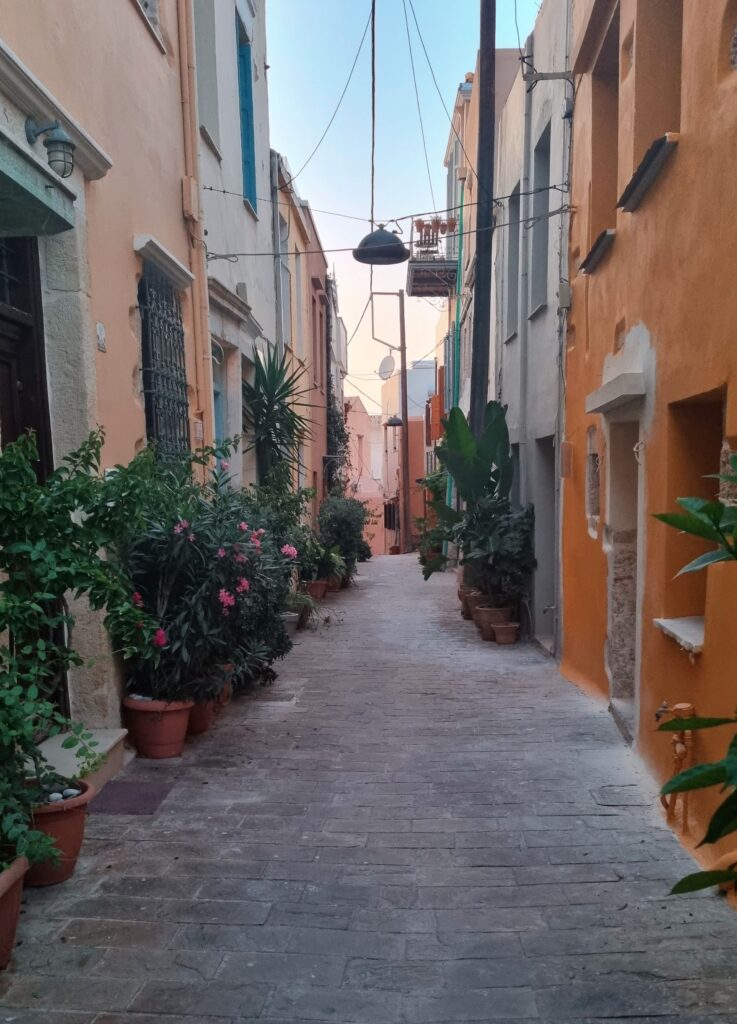
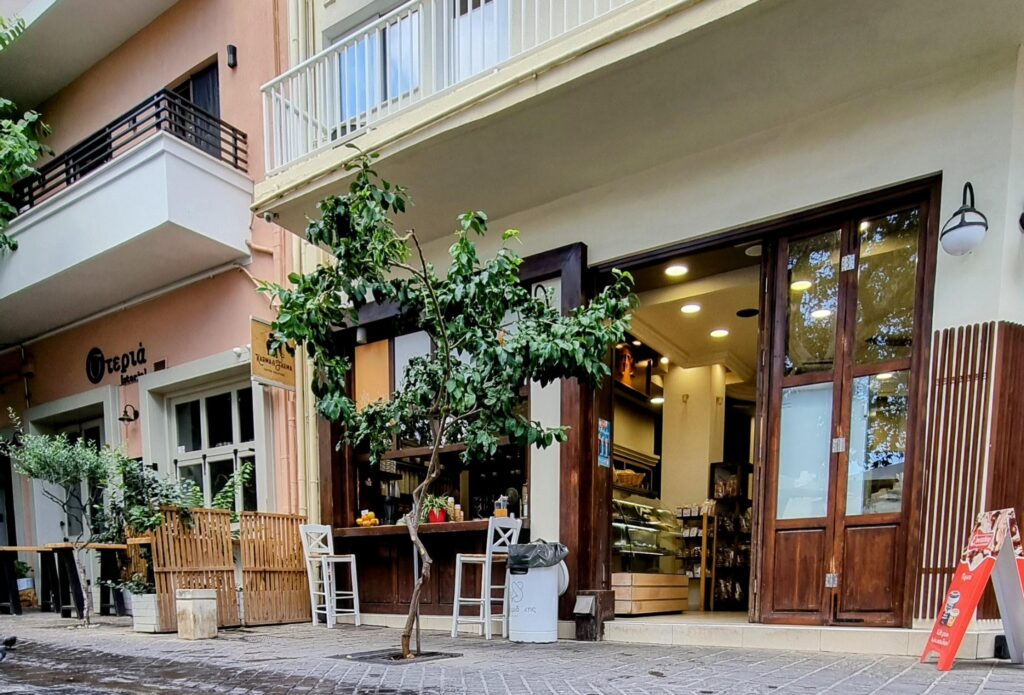
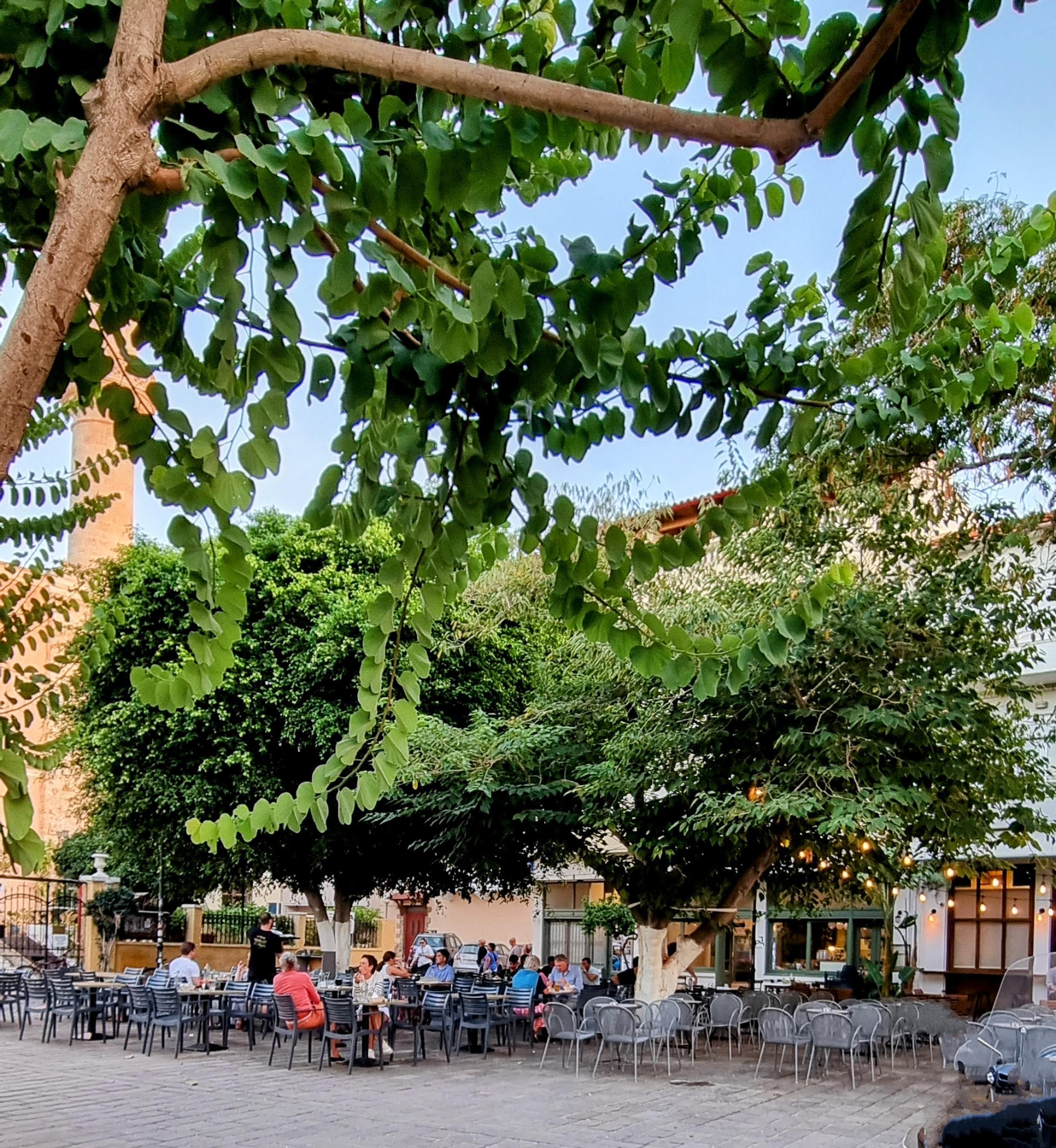
The Splantzia district after the Turks had been made to leave it (and whole Crete) entirely in the 1920s was synonymous with neglectand rough neighbourhood. However in recent years it has cleaned up its act, with many of its houses renovated, lots of young and alternative businesses popping up, and it has transformed into the most independent district of the old town. Fortunately, it has not yet succumbed to mass tourism, so it retains its local atmosphere, making it ideal for those seeking refuge rather than a tourist hotspot. The centrepiece of the neighbourhood is the historic square, officially known as ‘Plateia 1821’, with the equally historic Dominican church of St. Nicholas mentioned before. Either at the square or just a few steps away, you will find everything you need: a bakery, a mini-market, a pharmacy, a bookshop, a laundrette, as well as many interesting and high-quality restaurants and bars. Some of them are located right next to the square, under an old tree, which offers a pleasant place to relax on hot summer days and nights.

Posted on Leave a comment

Tabakaria (a lovely walk)

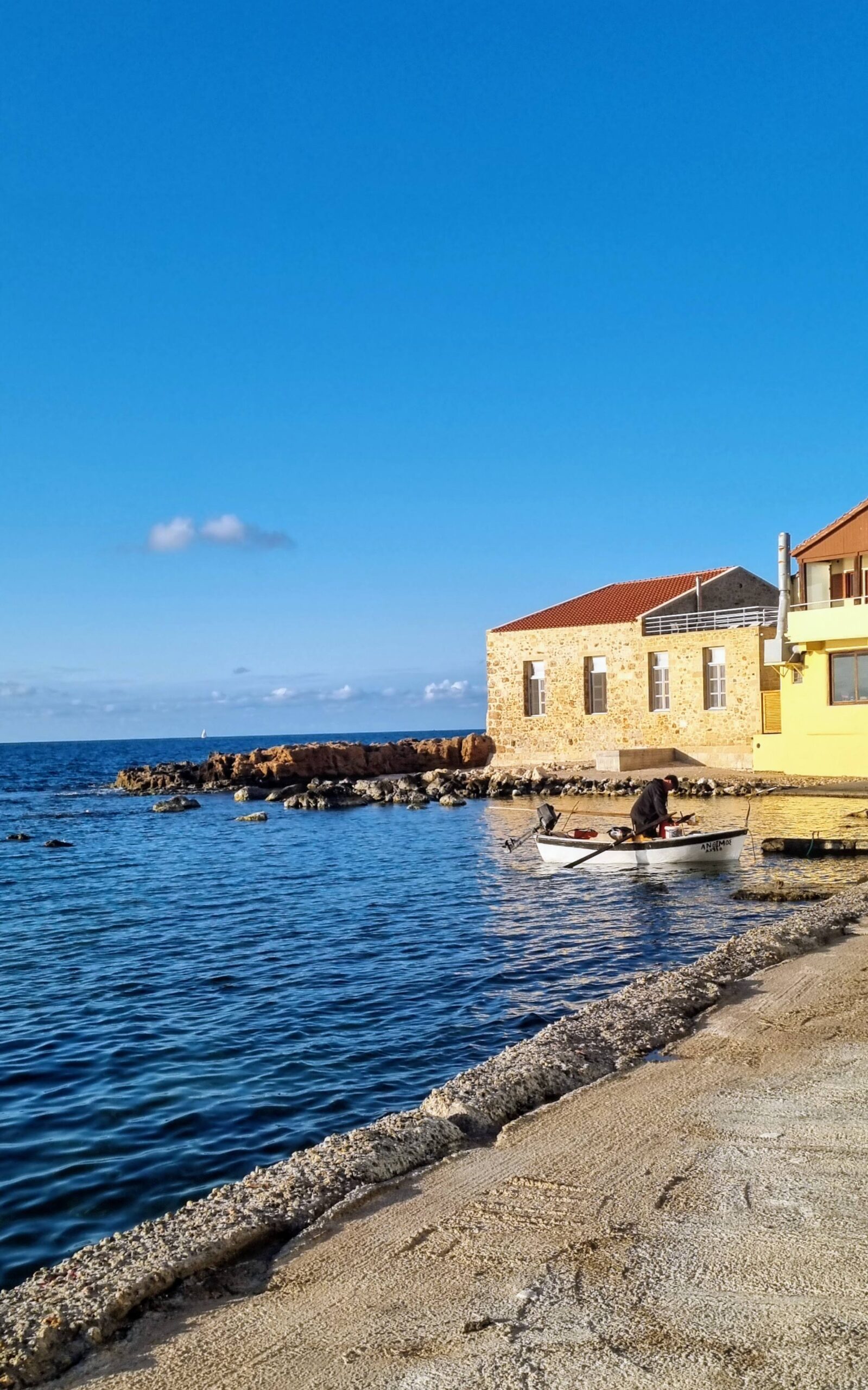
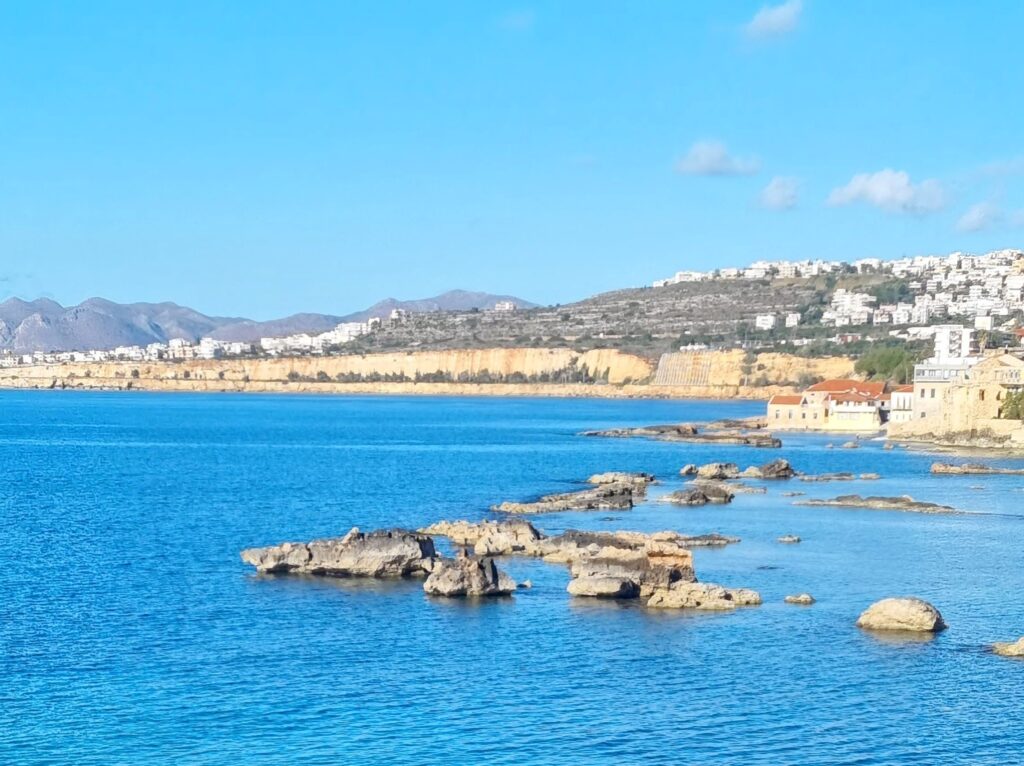
Today we headed to Tabakaria (Ταμπακαριά), roughly two kilometers from Thimari Gardens to the east. What a marvelous walk there, full of celestial blue, carpets of flowers in bloom and sweet scents of spring. Tabakaria, which used to be an area full of tanneries from the mid XIX century to the 70s of the XX century (80 of them at a certain point of history) now is slowly but constantly being revitalized. I predict that in 5-10 years its popularity may catch up with the old town of Chania as the views and its general ambiance are truly captivating.

Posted on Leave a comment

Wine and olive tasting in Anoskeli

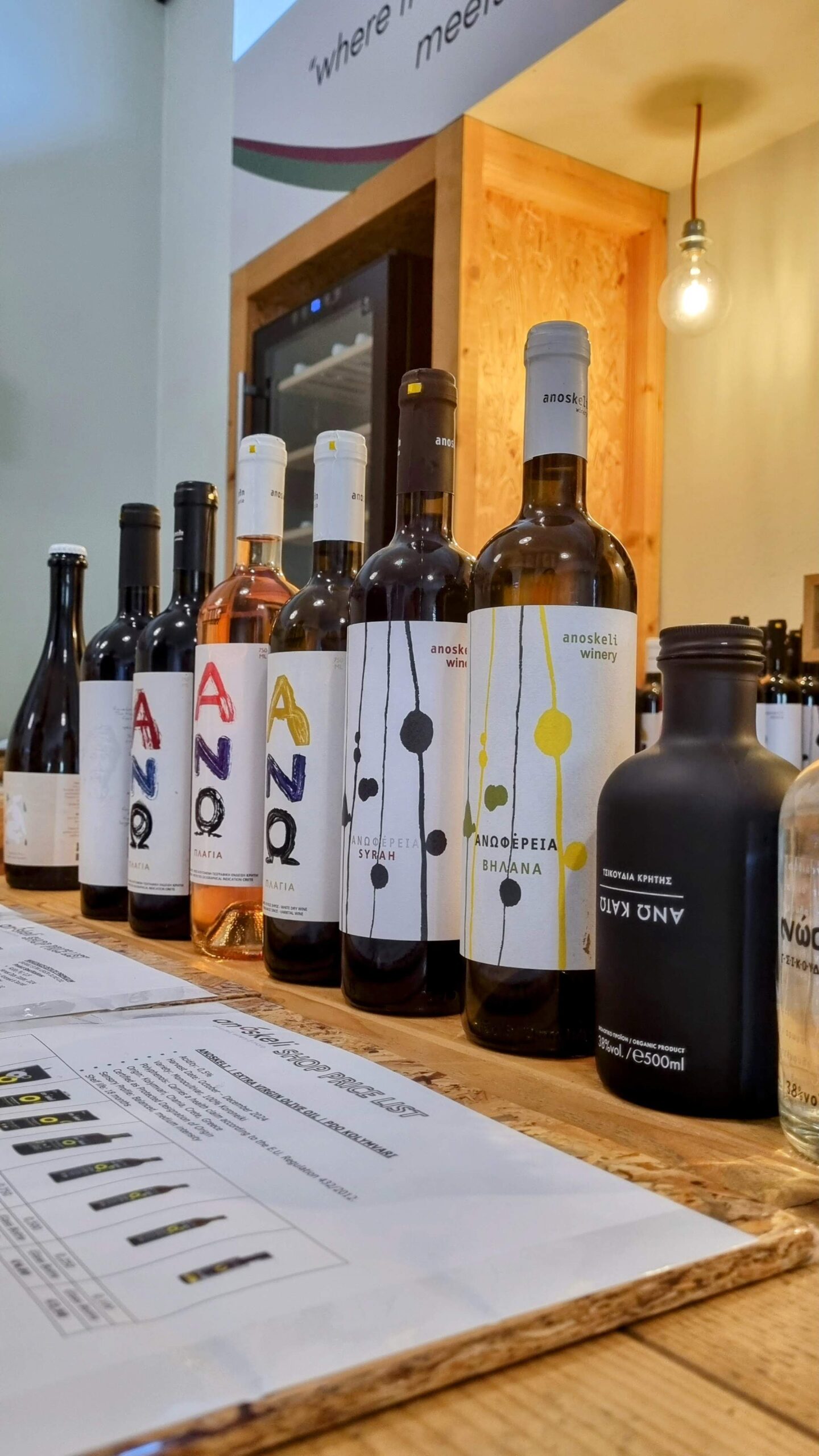
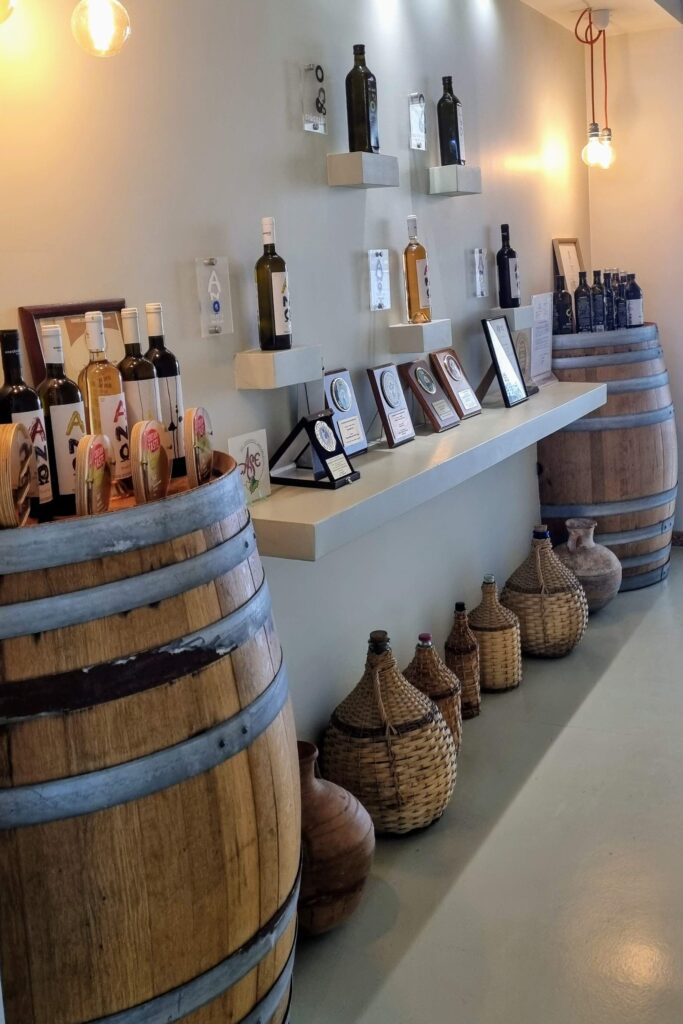
Wine tasting at Anoskeli Olive Mill and Winery, Chania region, Crete.

Another relaxing and short trip from Thimari Gardens took us to Anoskeli Olive Mill and Winery. It takes about 35 minutes to reach the rolling hills where this place is located.

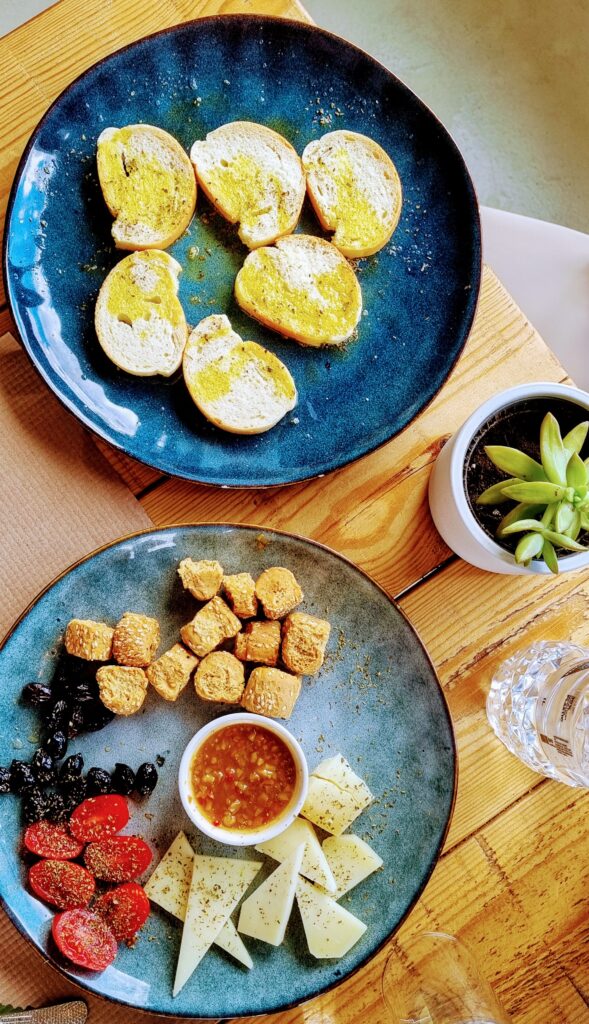
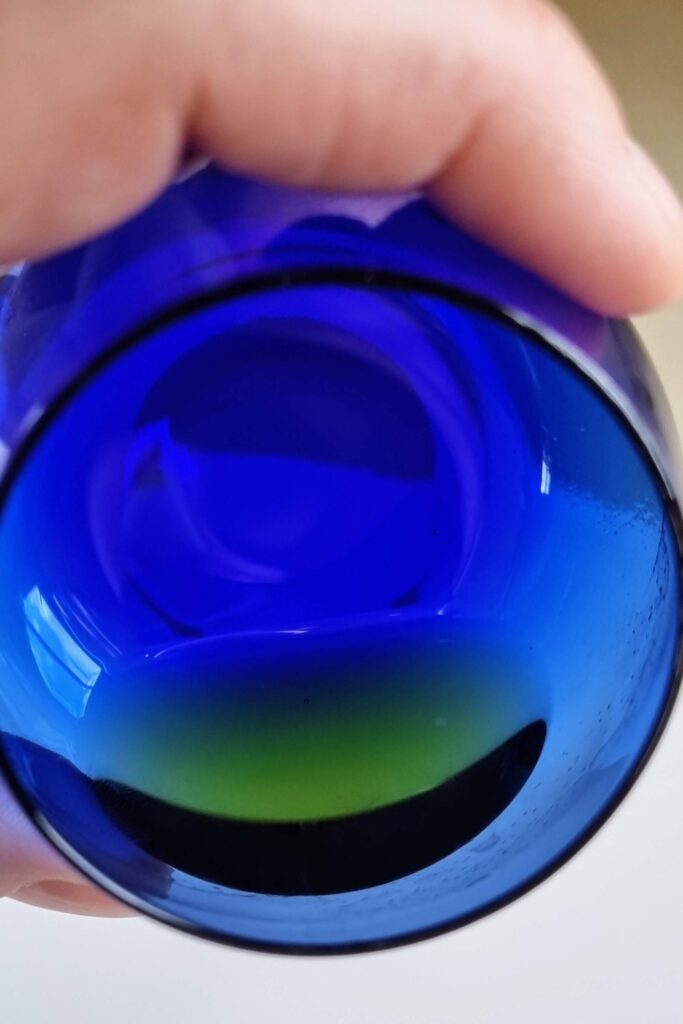
Tasting sessions at Anoskeli are led by an experienced sommelier and include olive oil tasting, wine tasting and food pairing.

We opted for the Signature wine tasting and had the opportunity to try their excellent, very fresh olive oil and six different wines with vegetarian food in our case.

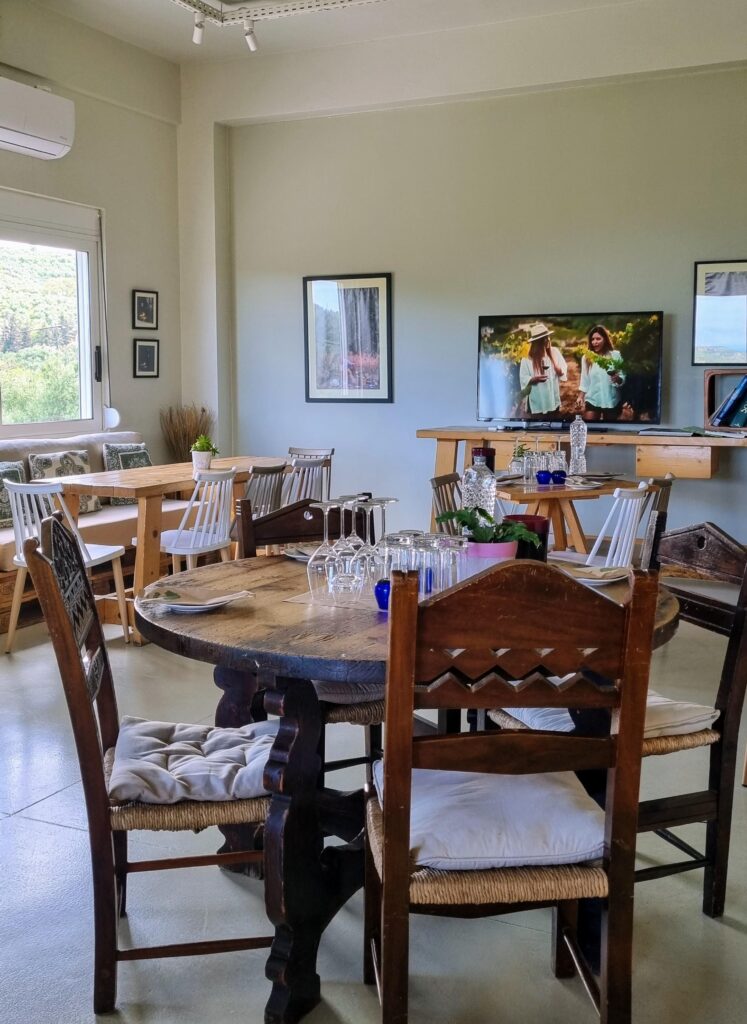
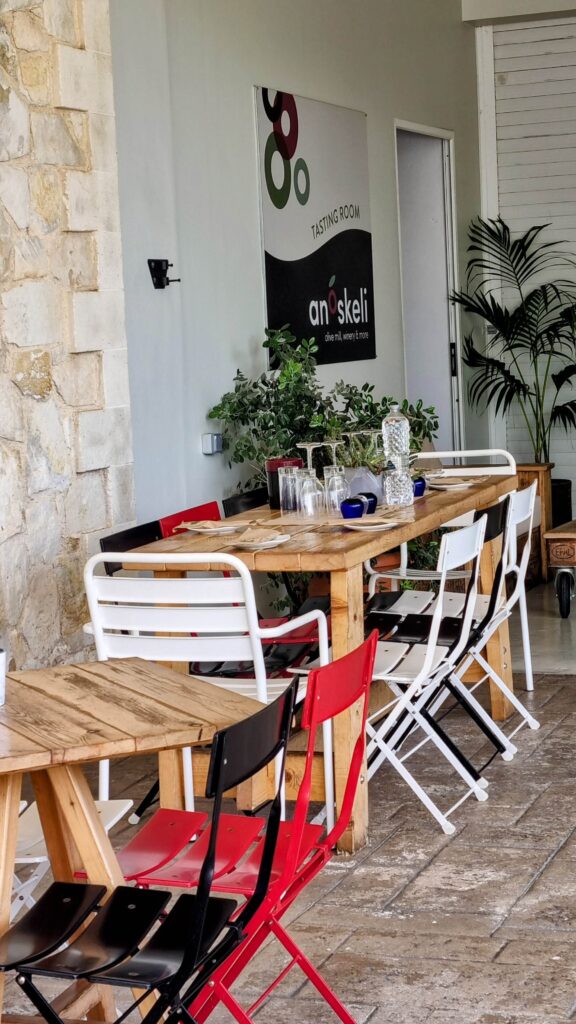
Both the wine and food were beautifully presented, the tasting room was tastefully decorated, and the view of the green hills and the sea only enhanced the experience.

Wine and olive oil production at Anoskeli is very limited, and because their olive oil has won numerous international awards, it is very popular and difficult to buy anywhere else. We only saw their wine labels once in the Votani shop on Dakalogianni Street in Chania.

This type of attraction costs €18 per person, but in our opinion, anyone who is even slightly interested in oenology and, more broadly, Greek flavours, will enjoy it.