This post is for those who, after three days in one place, start to feel restless and can’t sit still. And think: where shall I go?
I’m someone who craves experiences and sensations; I’m always on the lookout for something to stimulate my senses. A day on the beach isn’t for me – I’ll always choose a trip, a new place, or exploring unknown nooks and crannies.
And although I love Chania dearly, whenever I have the chance and the time, I fire up my little car and set off to explore not just the immediate surroundings, but the whole of Crete.
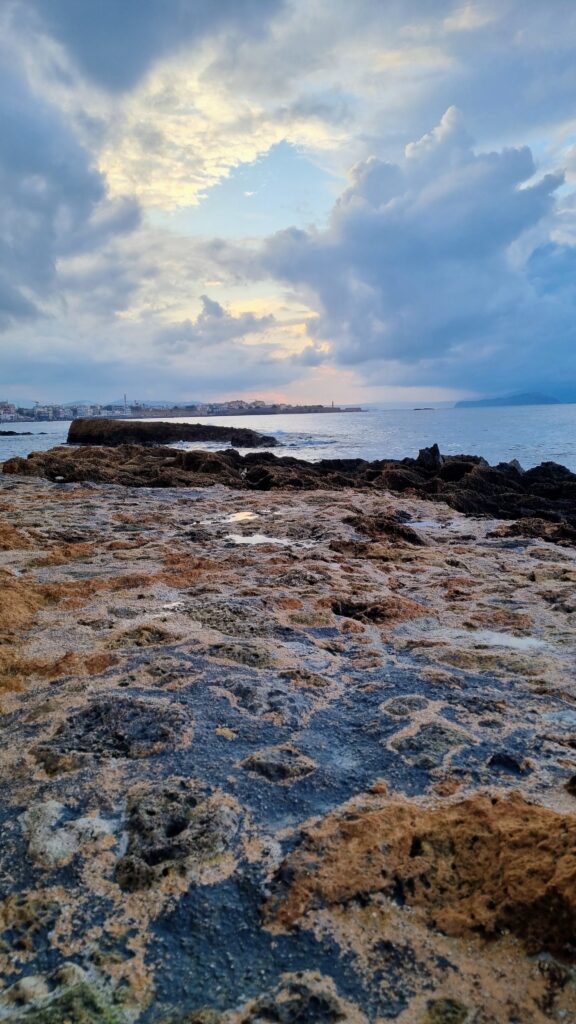
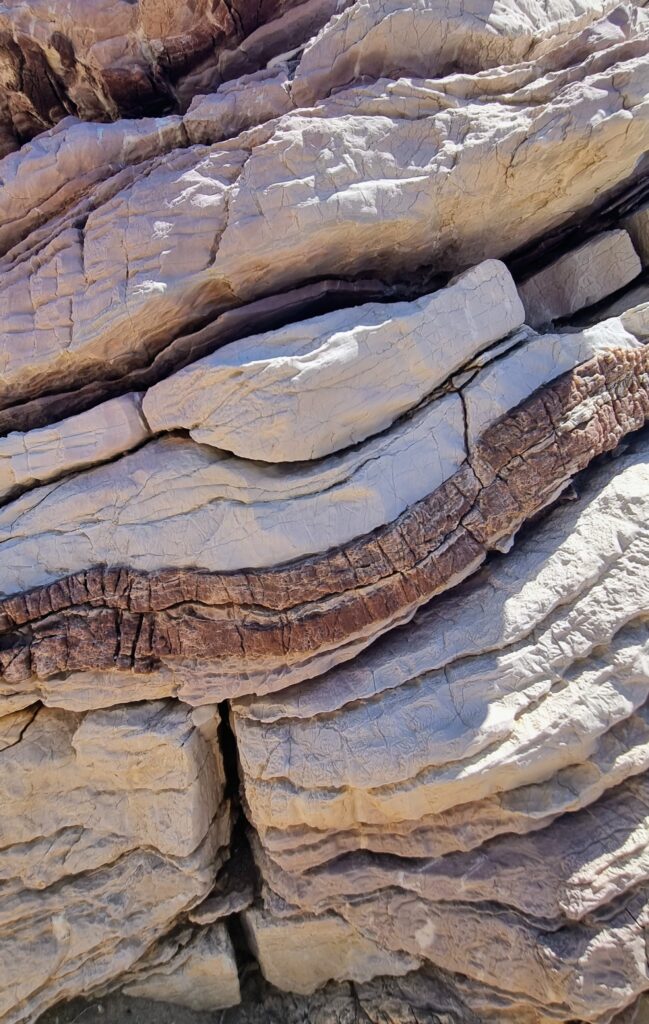
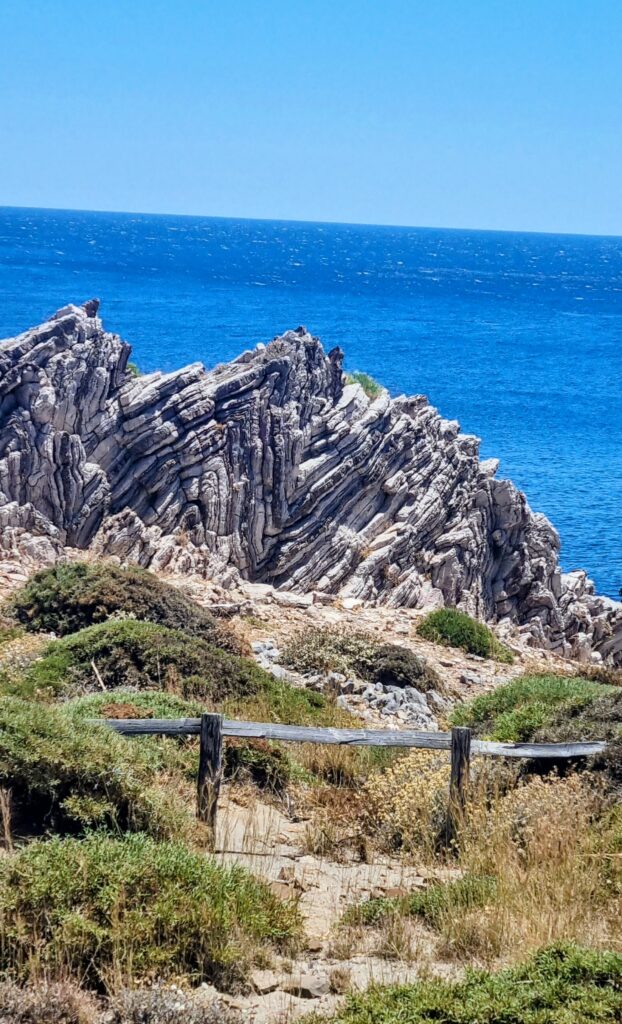
This time, my course was set by photos of multicoloured rocks – layers of limestone deposits arranged in slabs, alternating between yellow and pink. This is the first I’ve heard of such an attraction in Crete! I’m off!
On the map, they’re located on the south coast, near Rethymno. That’s 110 km from Chania, over a two-hour drive. It doesn’t put me off at all; I love driving through the mountains of Crete, soaking up every view, which then stays with me for a long time.
These picturesque rocks are known as Apoplystra; you’ll find them between the village of Agios Pavlos and Cape Melissa.
Before I see them, to add a bit of variety to the trip, I’ll pop into Triopetra Beach, and on the way back I’ll stop off at the famous Moni Arkadiou monastery.
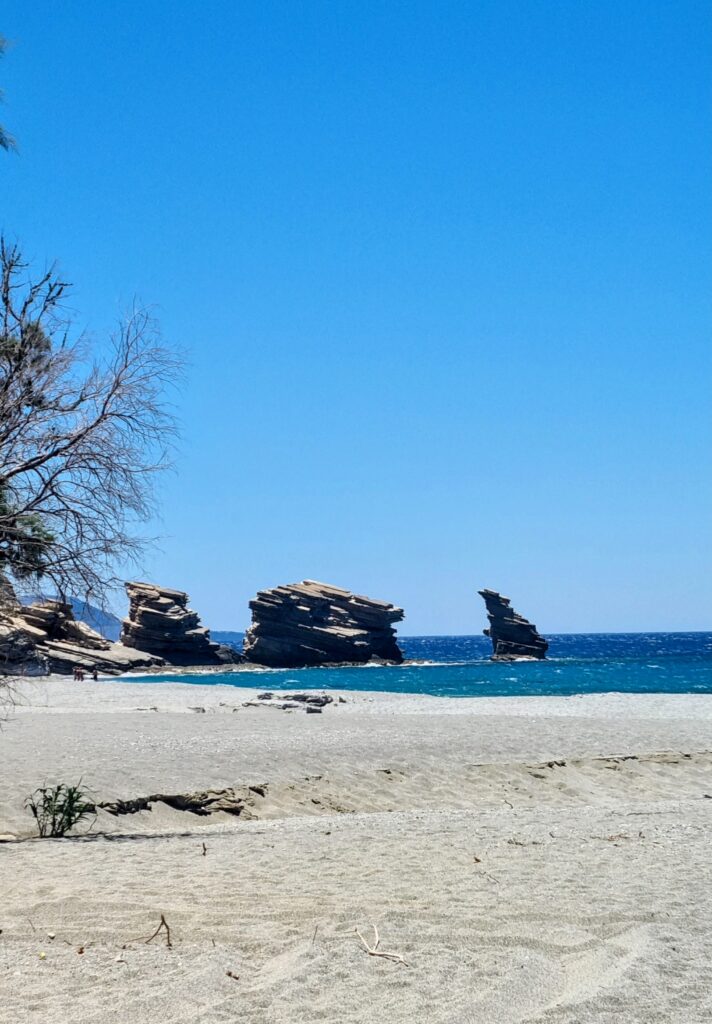
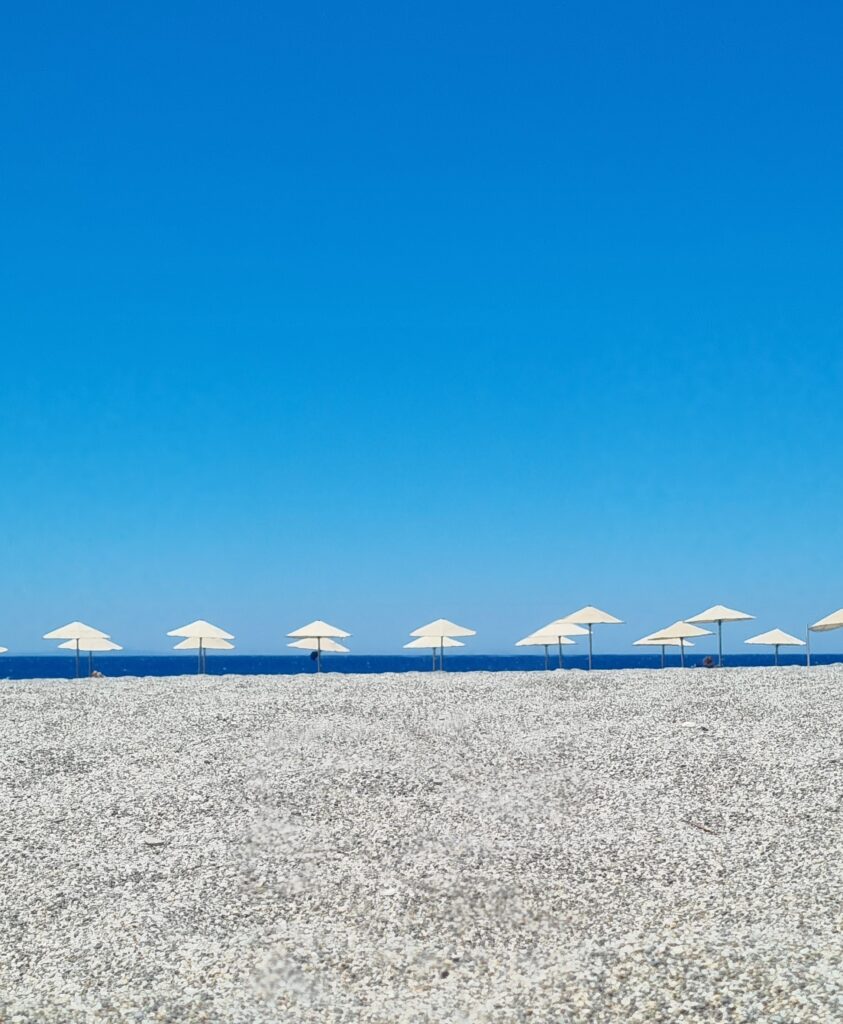
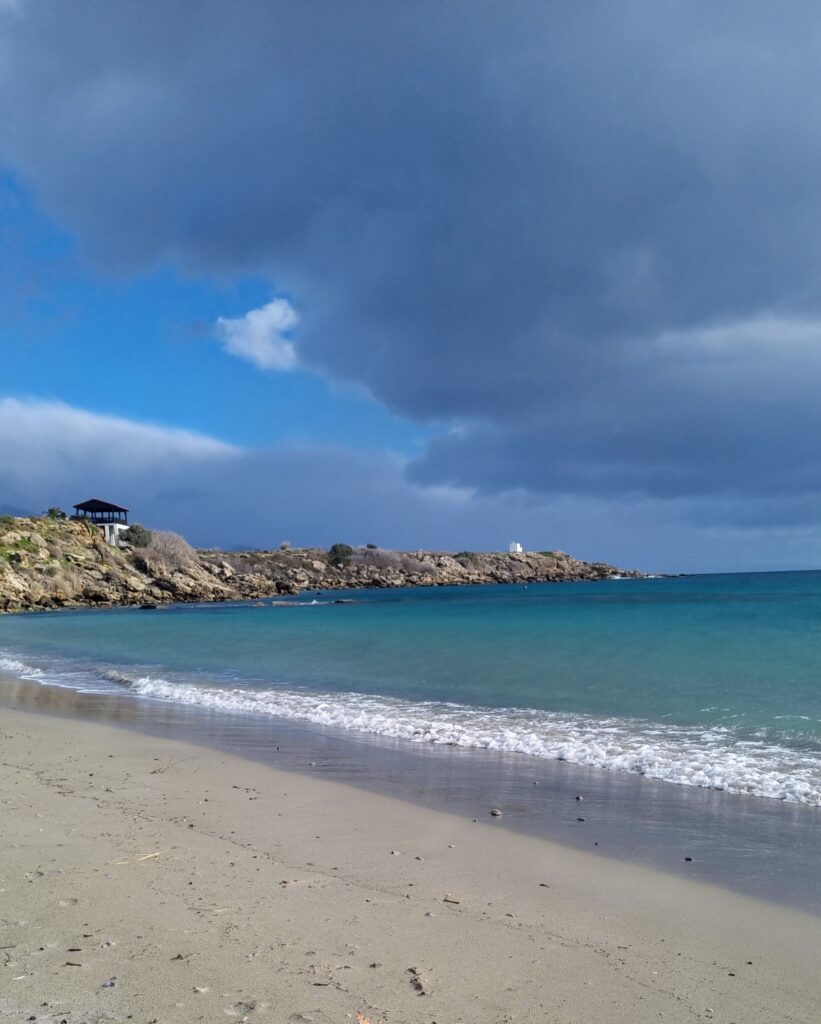
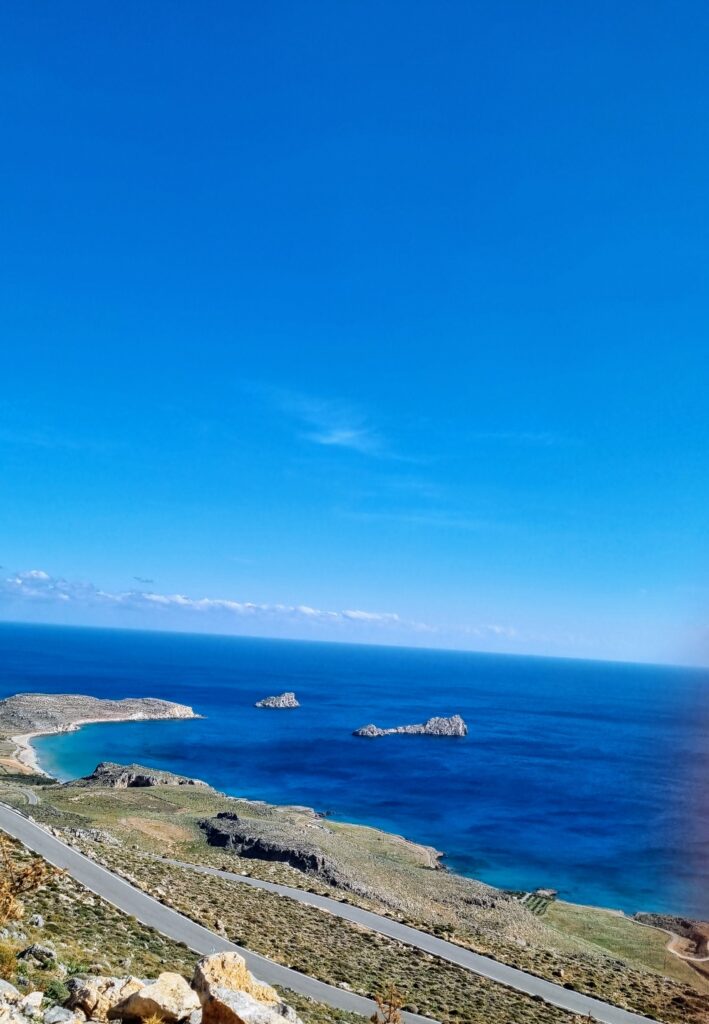
Triopetra Beach offers a picturesque approach and has an ‘end-of-the-world’ feel to it. The vast stretch of sand and fine gravel is framed on one side by the sight of three majestic rocks rising from the sea – from which the beach takes its name – and on the other by the boundless expanse of the beach itself. This spot offers tranquillity, space and few other beachgoers. A few tavernas and a row of beach umbrellas can be found near the beach entrance, offering the best view of the three rocks.
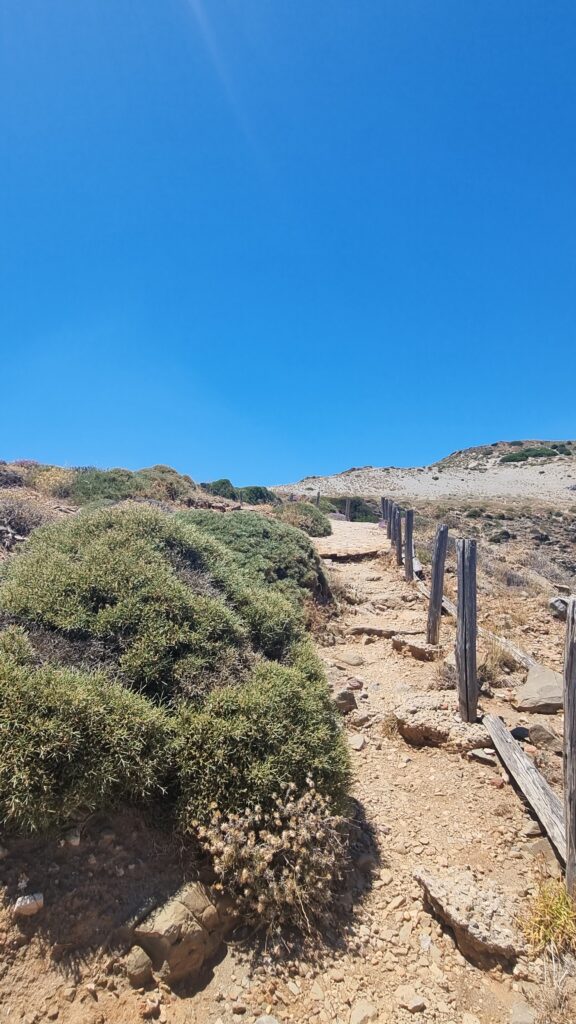
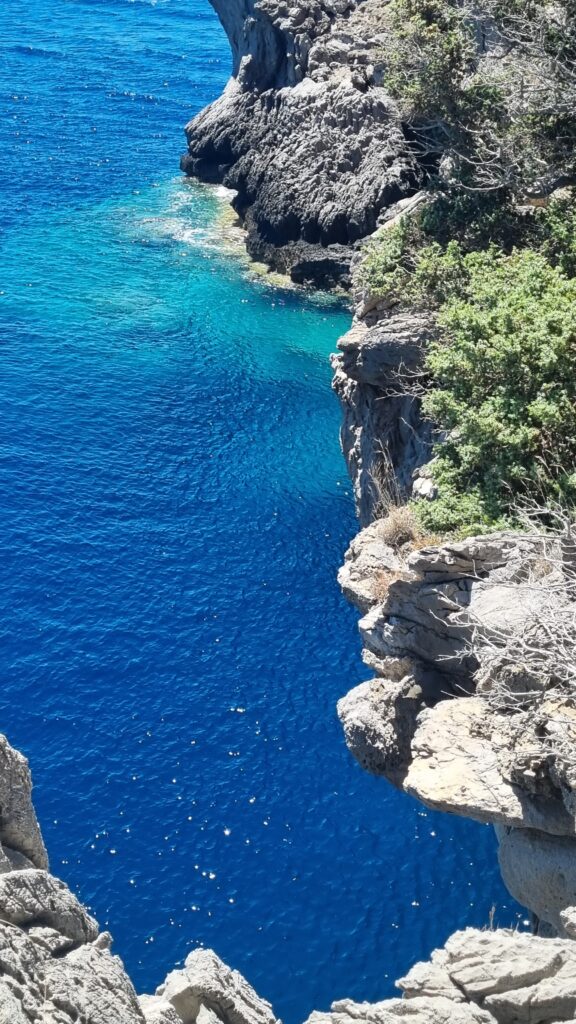
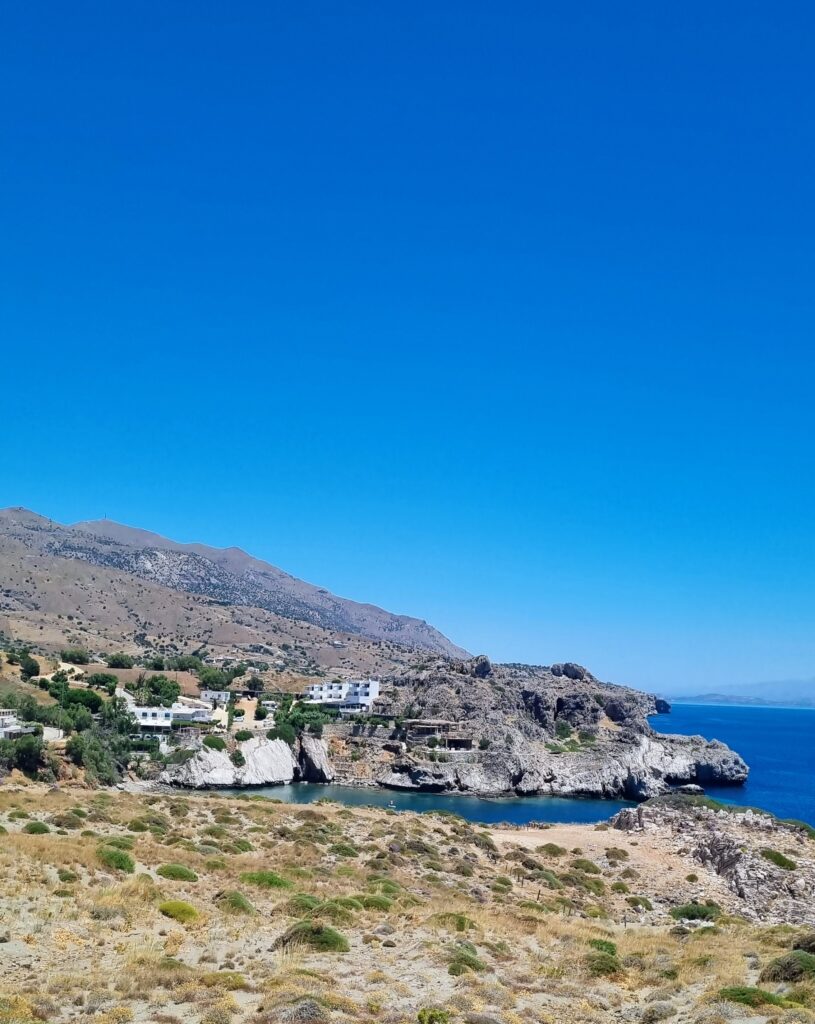
From there, it’s just a short drive to Apoplystra – perhaps 20 minutes. There’s a small car park at this geological attraction, and you can reach the rocks by heading towards the sea. The area with the most spectacular rock formations is marked by wooden stakes, which also indicate the path. The walk takes no more than half an hour, but in my opinion the views are well worth the effort of travelling to this spot. You can also climb up to the rocks from the village of Agios Pavlos, where you can also have a drink or a bite to eat.
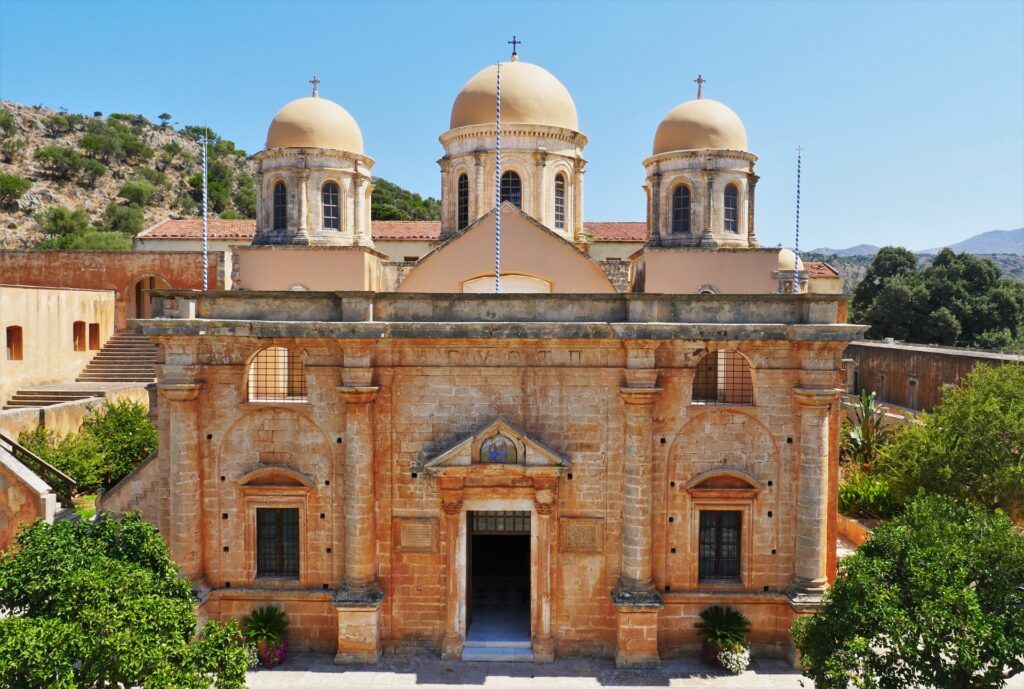
Moni Arkadiou is much closer to the northern tip of the island, just 20 kilometres from Rethymno. This monastery is perhaps the best-known religious site on the whole island and remains a symbol of the resilience, courage and character of the Cretan people.
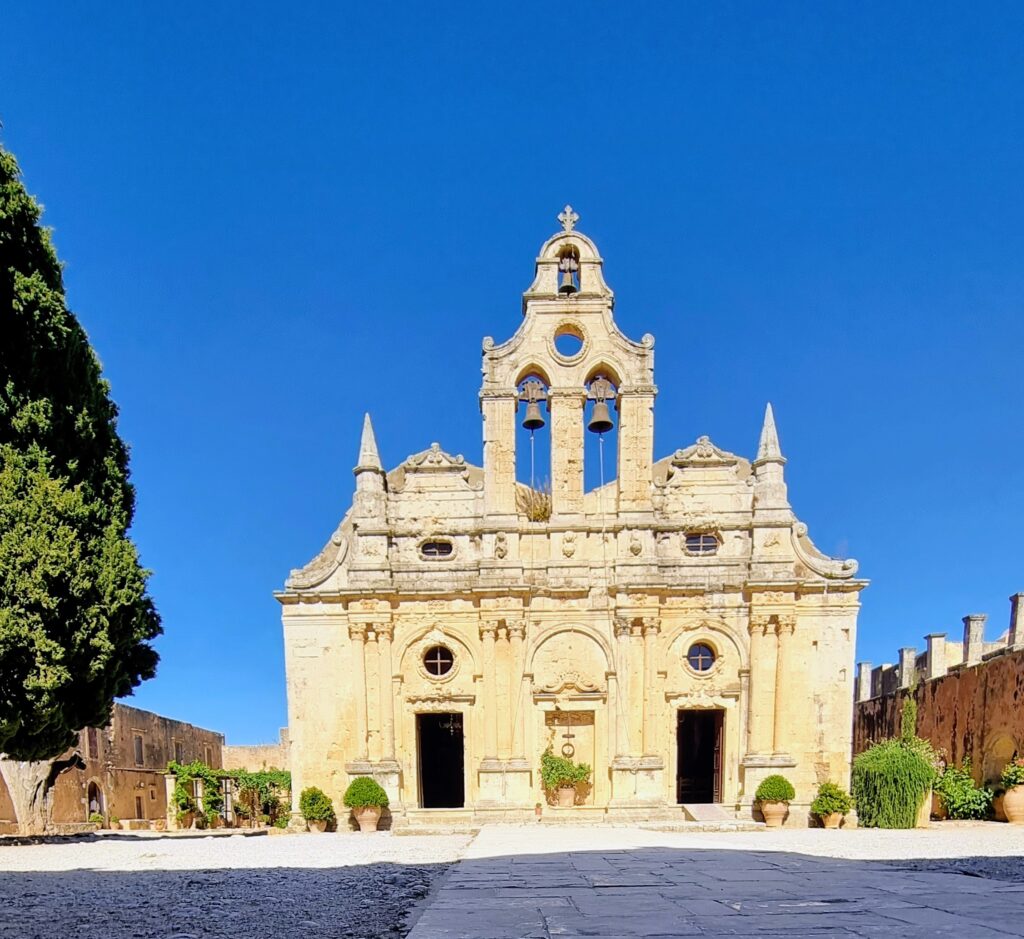
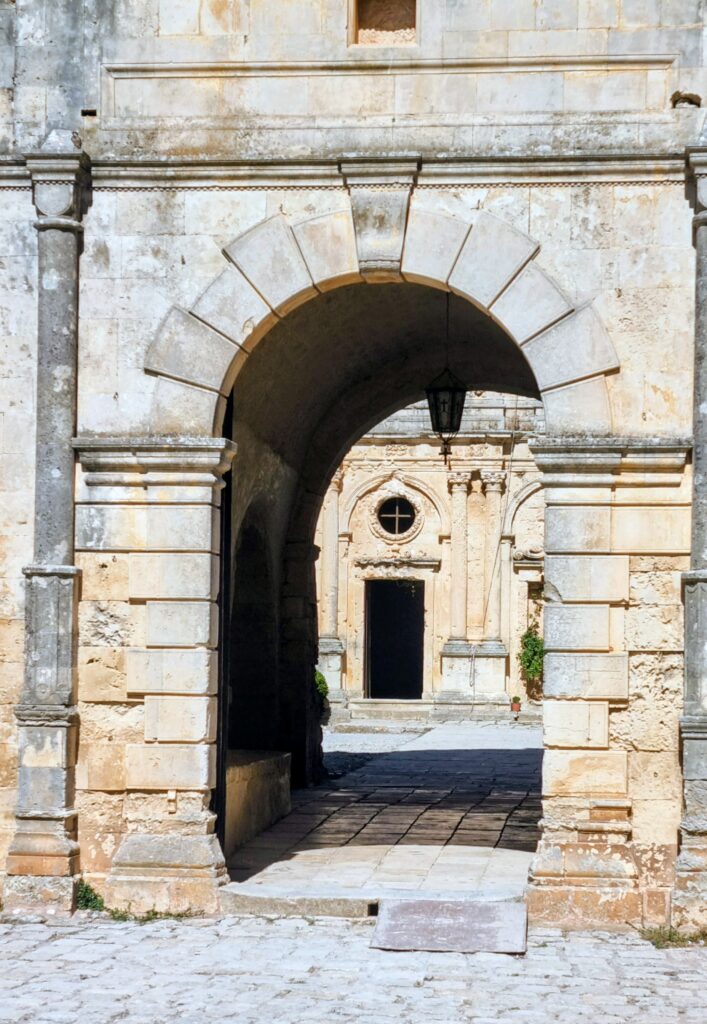
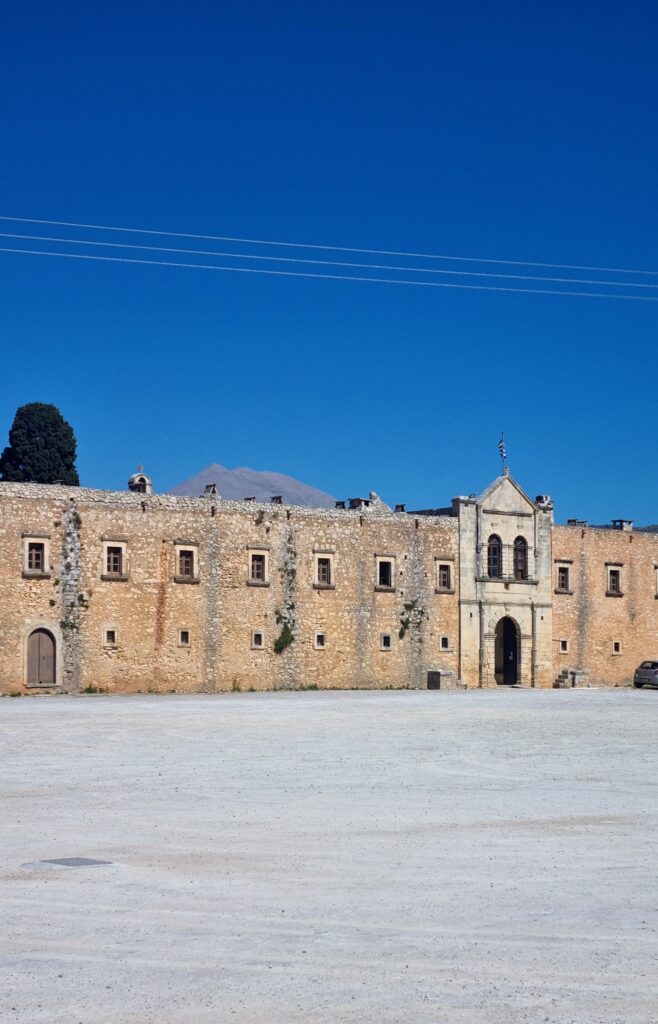
Construction of the monastery began as early as the 13th century, and the magnificent double-nave church was built in 1587. In keeping with the architectural norms of the late Venetian period, the monastery as a whole combines Gothic and Renaissance elements in its architecture.
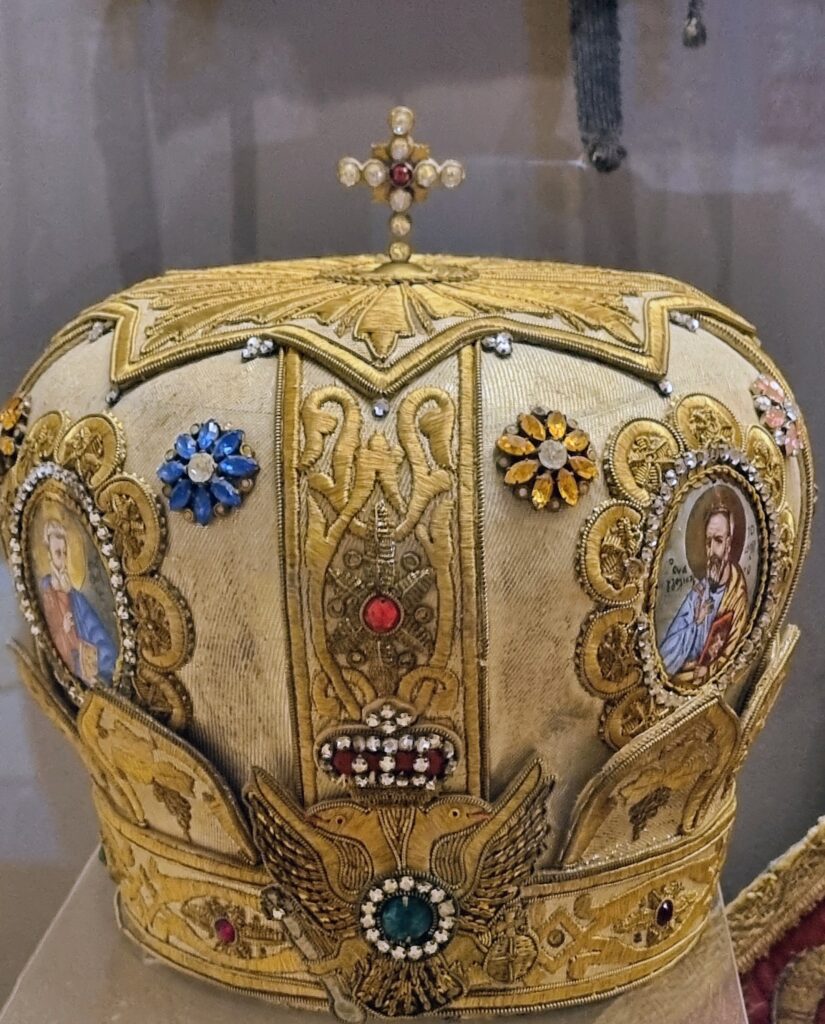
It is worth noting that Moni Arkadiou was a centre of art and literature of European significance; beautifully illuminated manuscripts and intricate embroidery worked in gold thread have survived to this day.
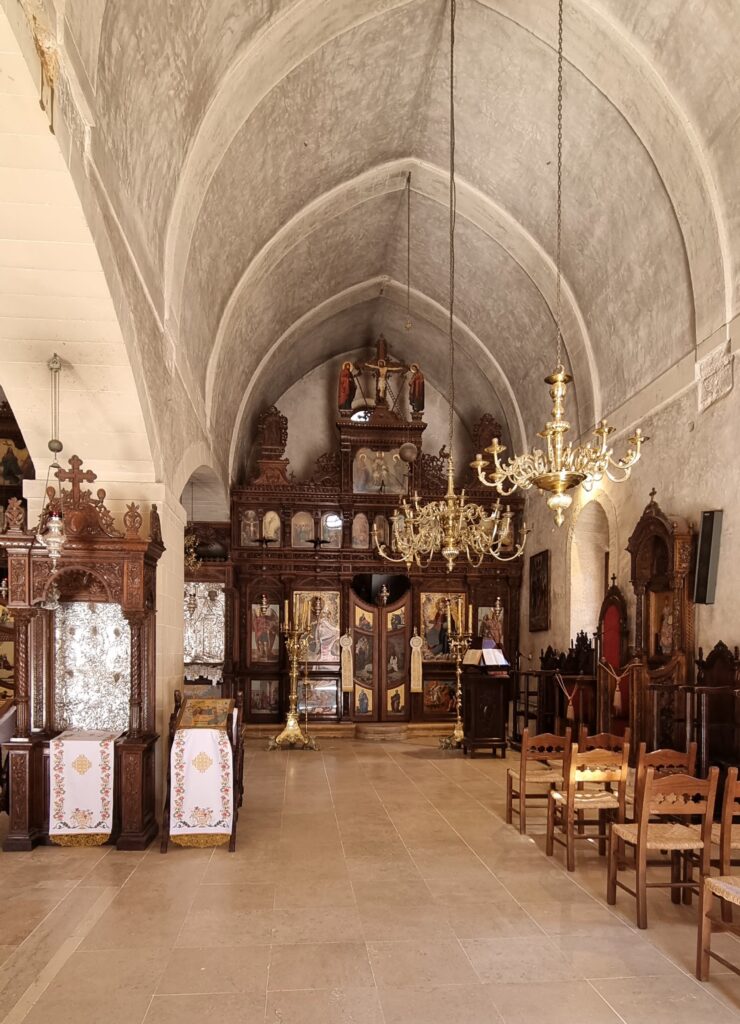
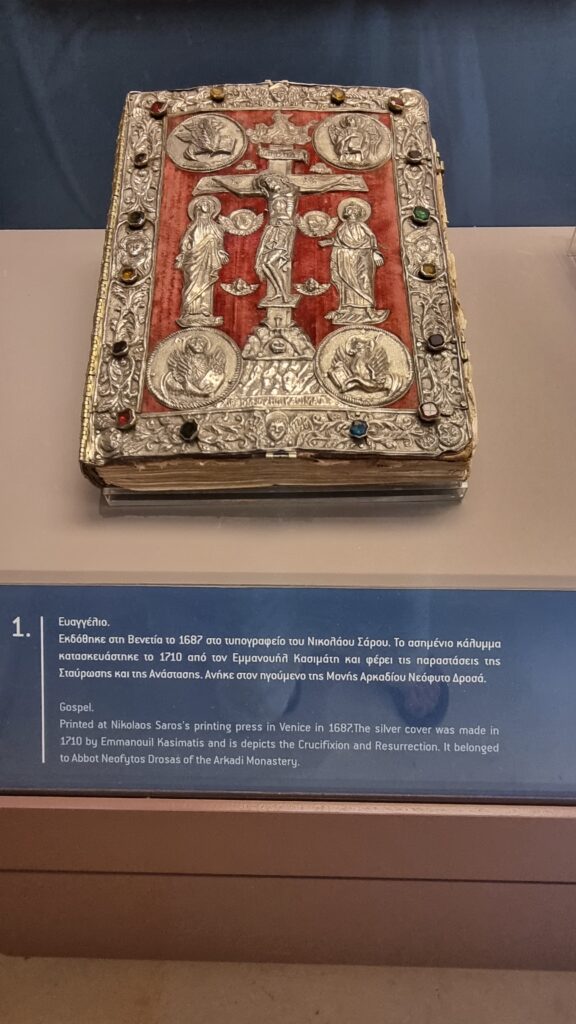
However, it is the role the monastery played in the struggle for independence during the 1866 Revolution that evokes the strongest associations. A group of nearly 1,000 refugees – residents of nearby villages, families with children – took refuge within the monastery grounds from Mustafa Pasha’s 15,000 soldiers. On 8 November, the Turks surrounded the monastery, and on 9 November, a merciless massacre of those seeking refuge there began. Faced with inevitable defeat, the defenders decided to set fire to the gunpowder store, preferring to die alongside the enemy rather than submit to Turkish rule.
Within the complex, visitors can explore the centrally located church, the refectory, a monk’s cell, a museum, a small art gallery and an ossuary situated 80 metres from the monastery gates.
Admission to the monastery costs 4 euros; there is a tavern, a small shop and toilets on site.