Posted on Leave a comment

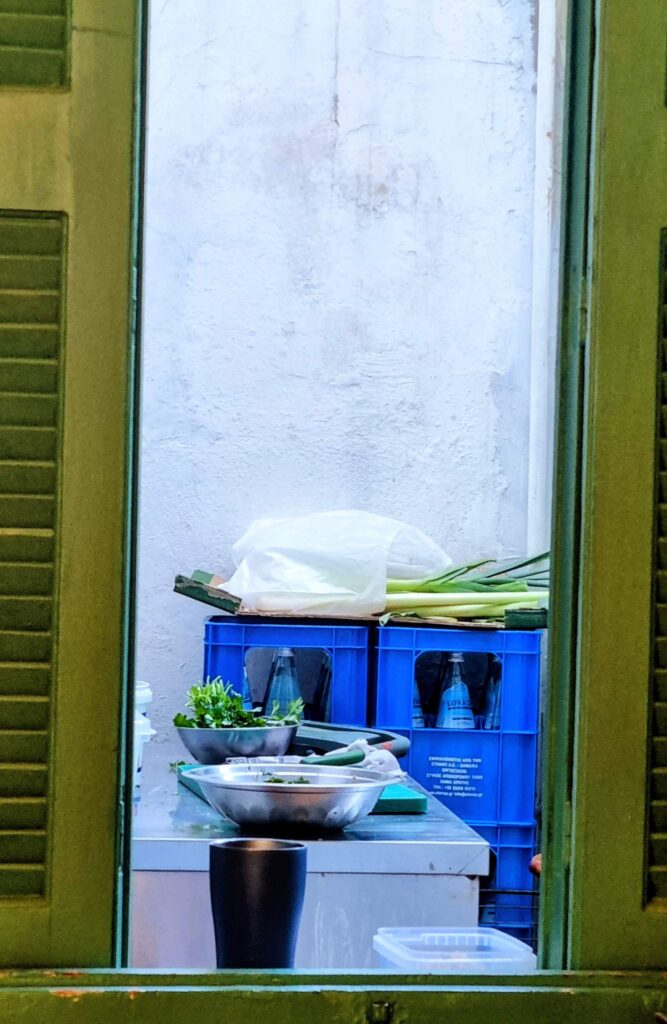
Why do I love winter in Crete?

First, let’s determine when winter begins and ends in Crete.
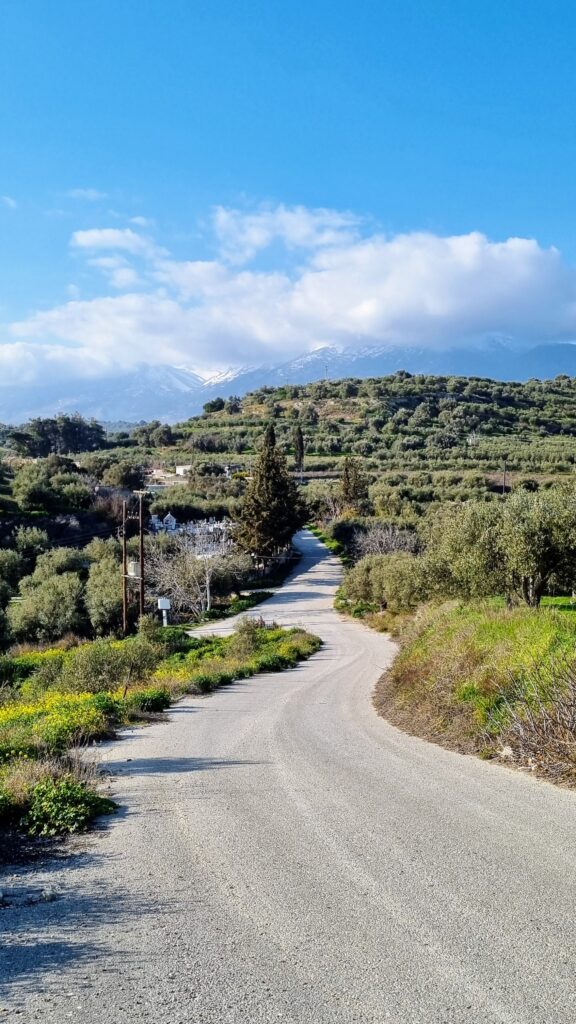
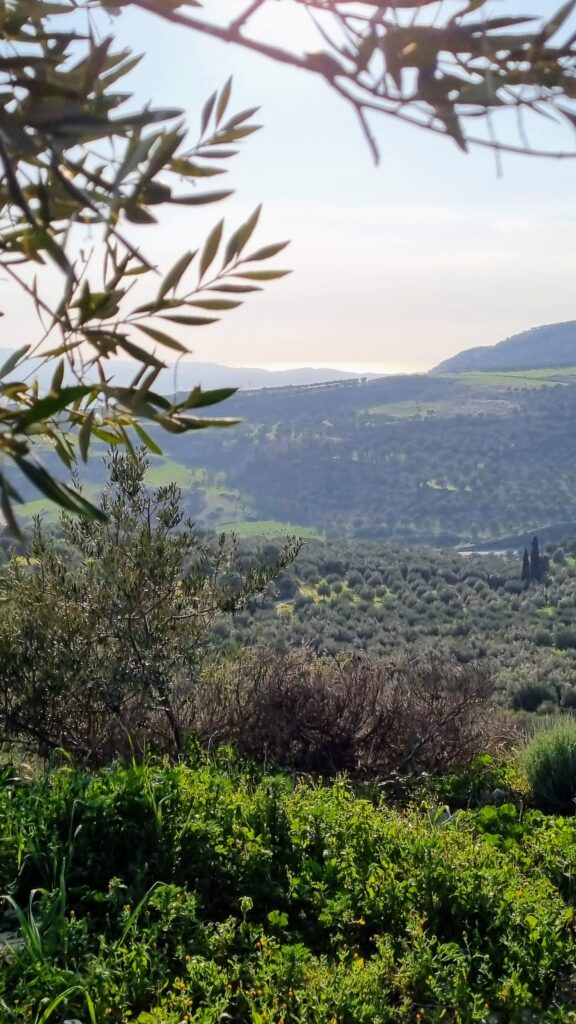
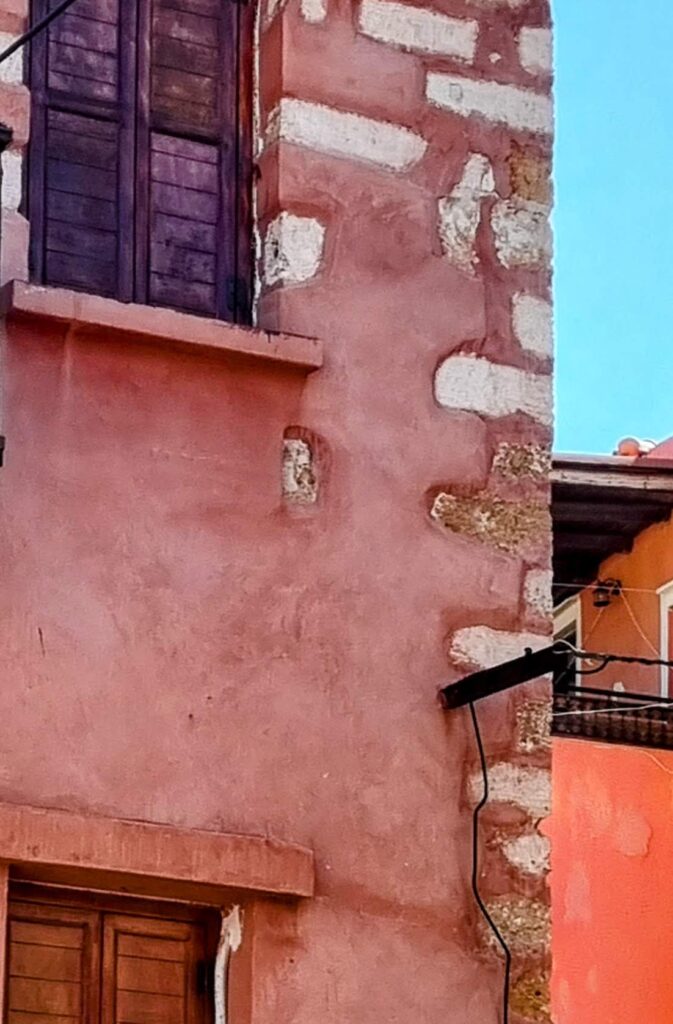
According to the calendar, one could say that it begins on 22 December, but that is not entirely true. Winter begins when the crowds of tourists stop coming, that’s all. In Crete, this means the beginning or, at the latest, the middle of November. By the same token, spring begins in early March, although here the calendar loses out to the logic of the nature of the Mediterranean climate.
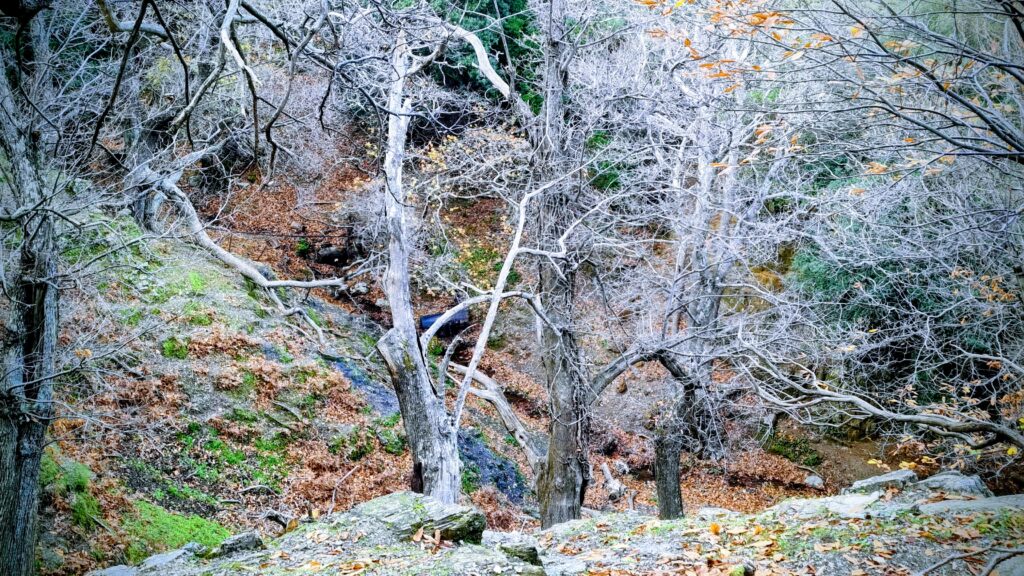
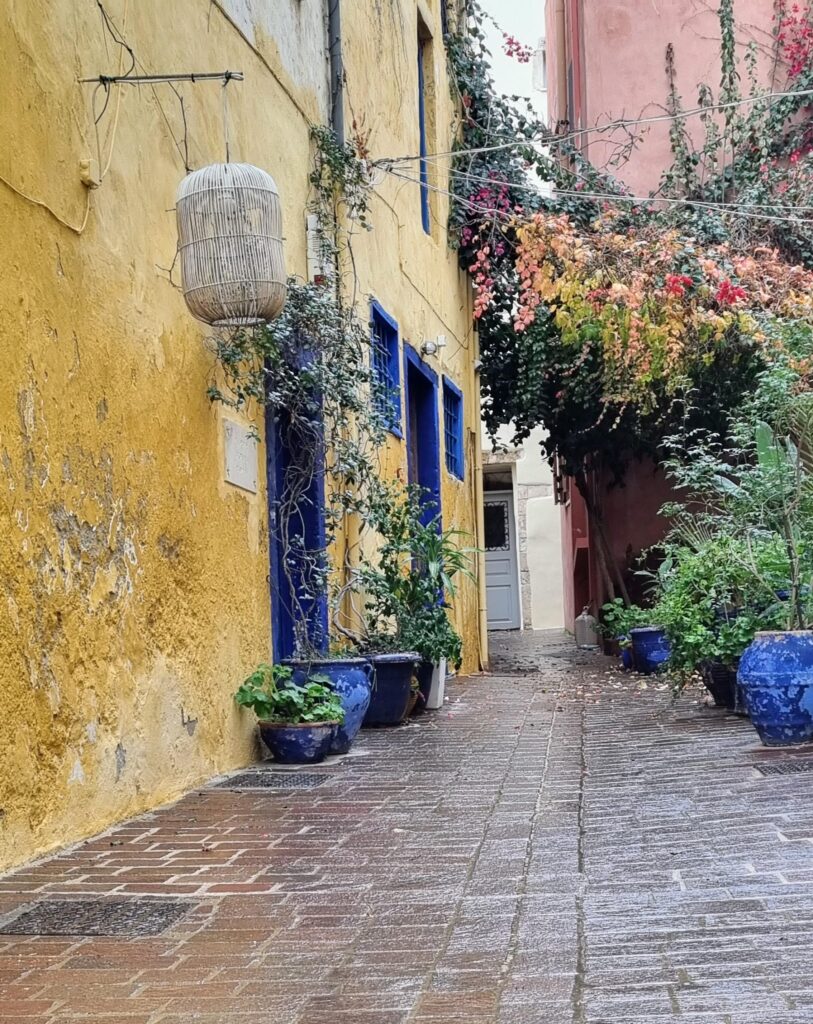
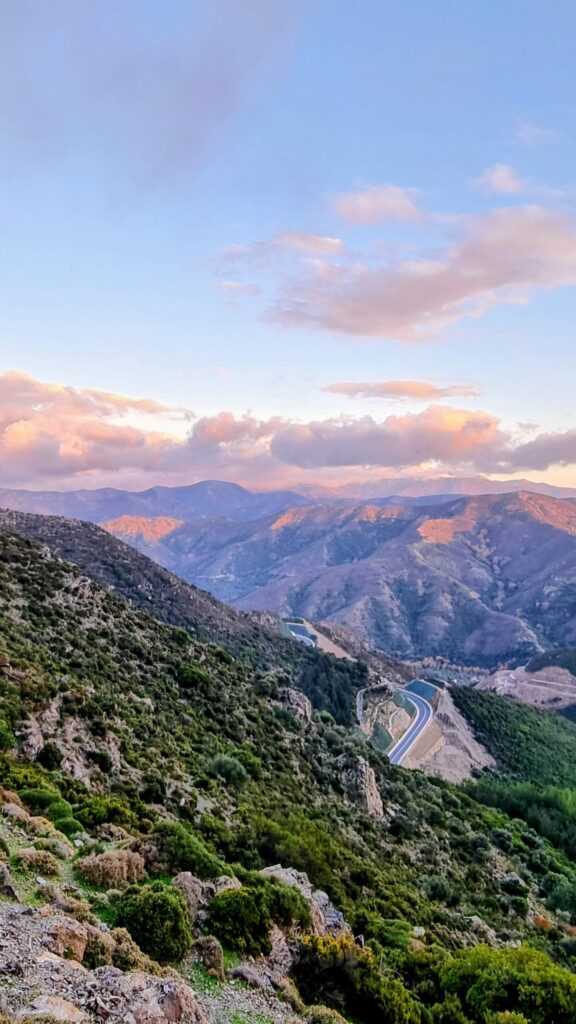
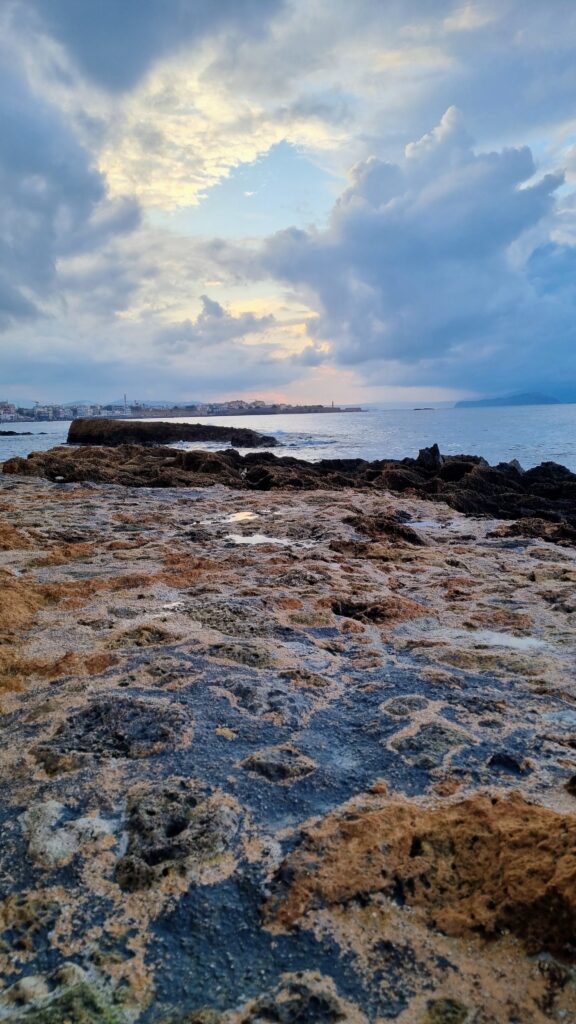
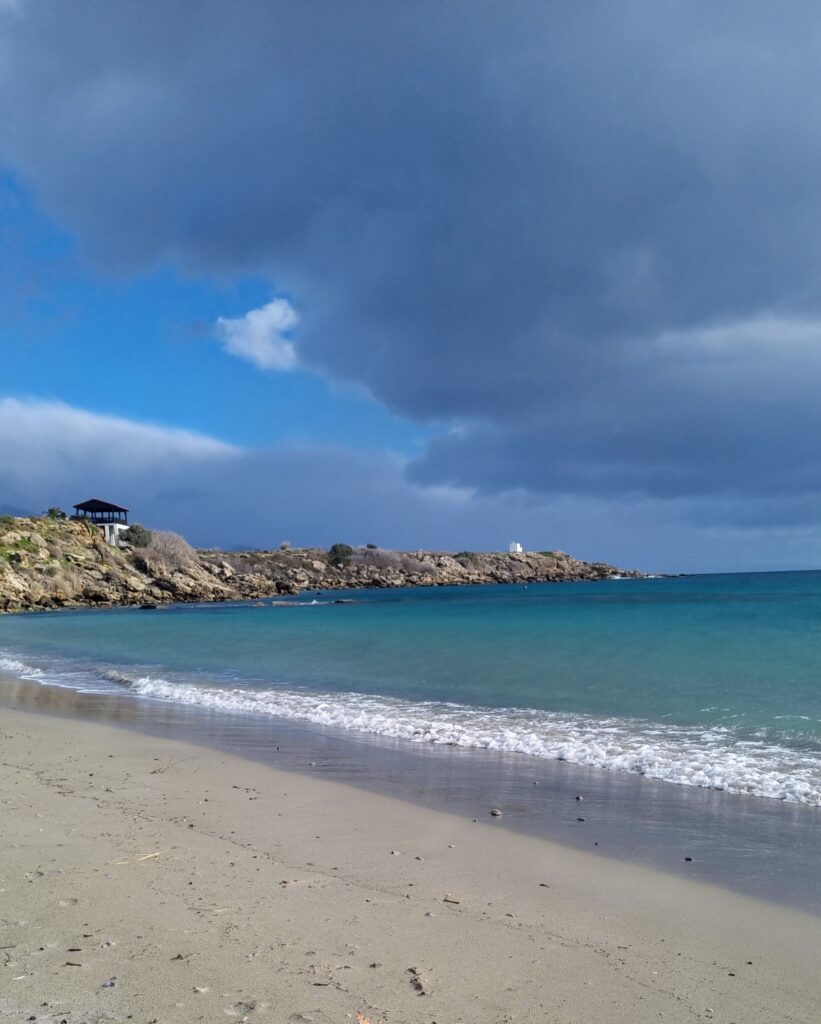
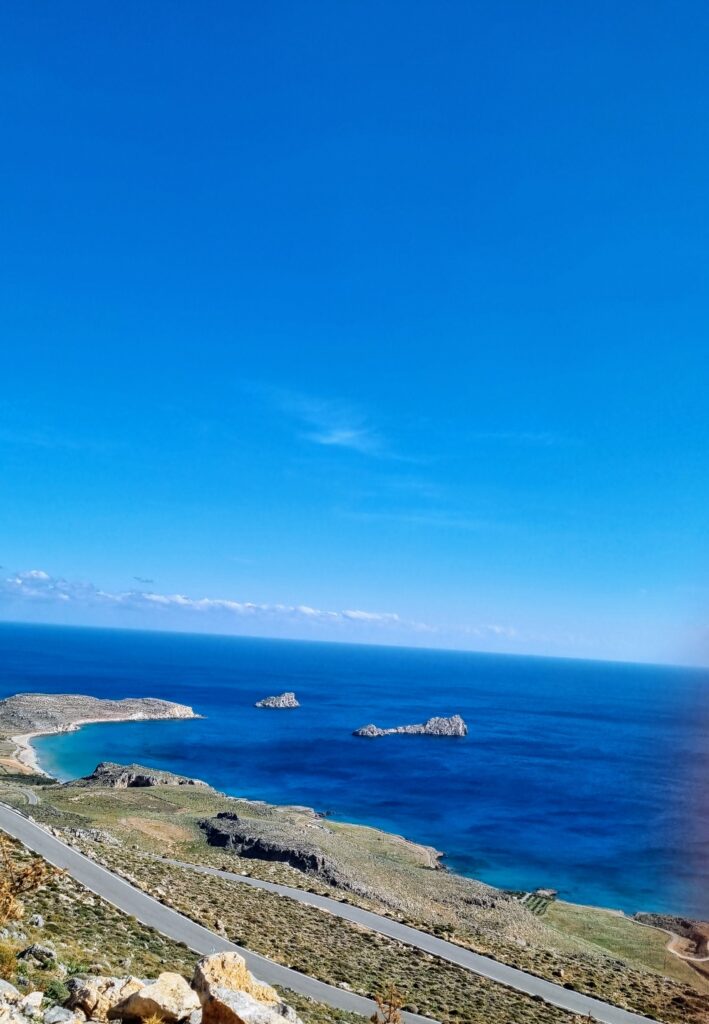
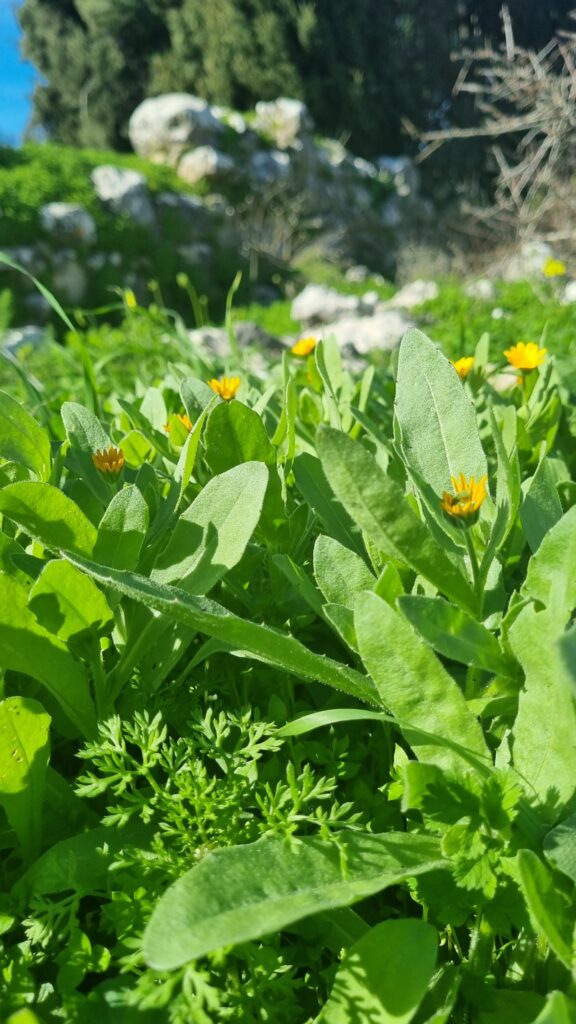
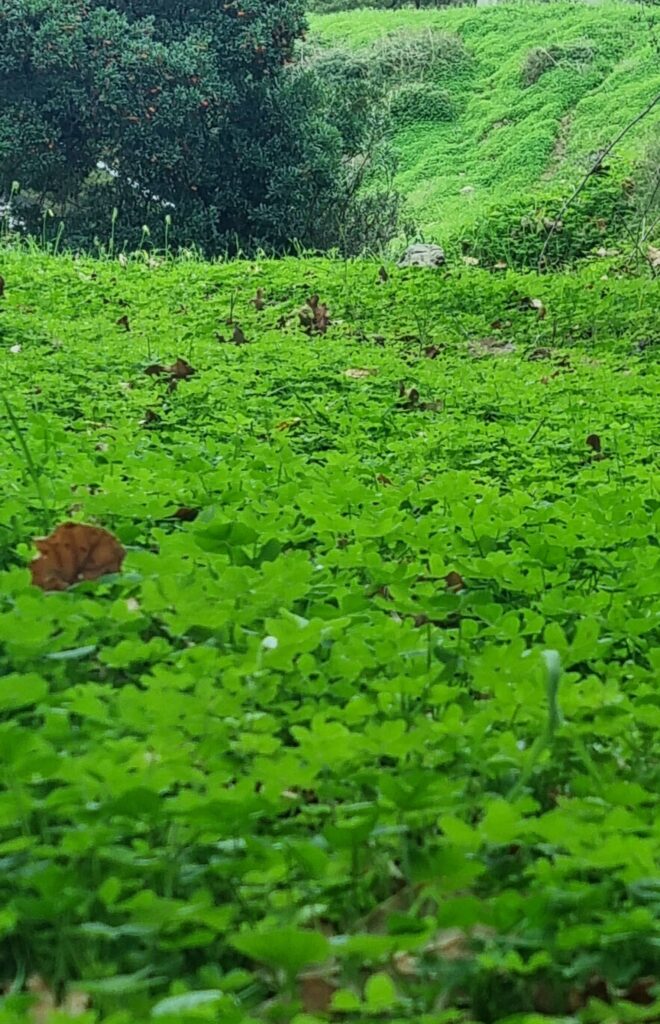
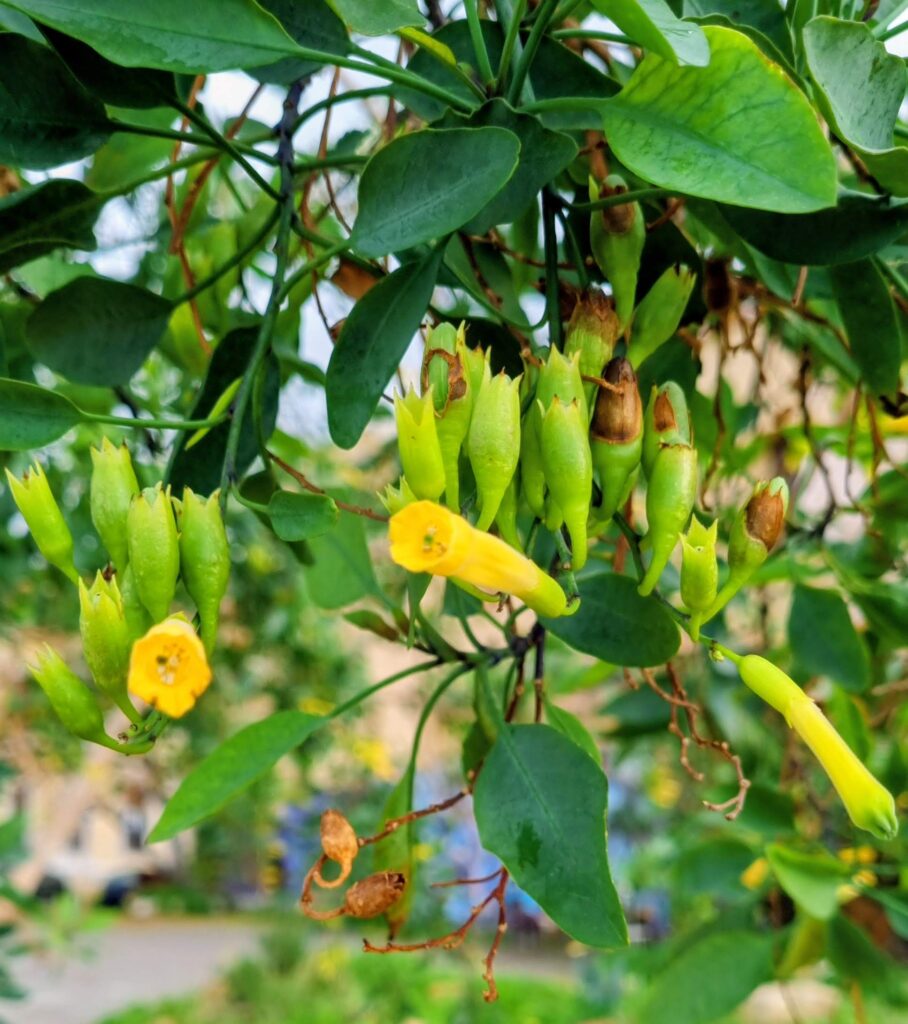
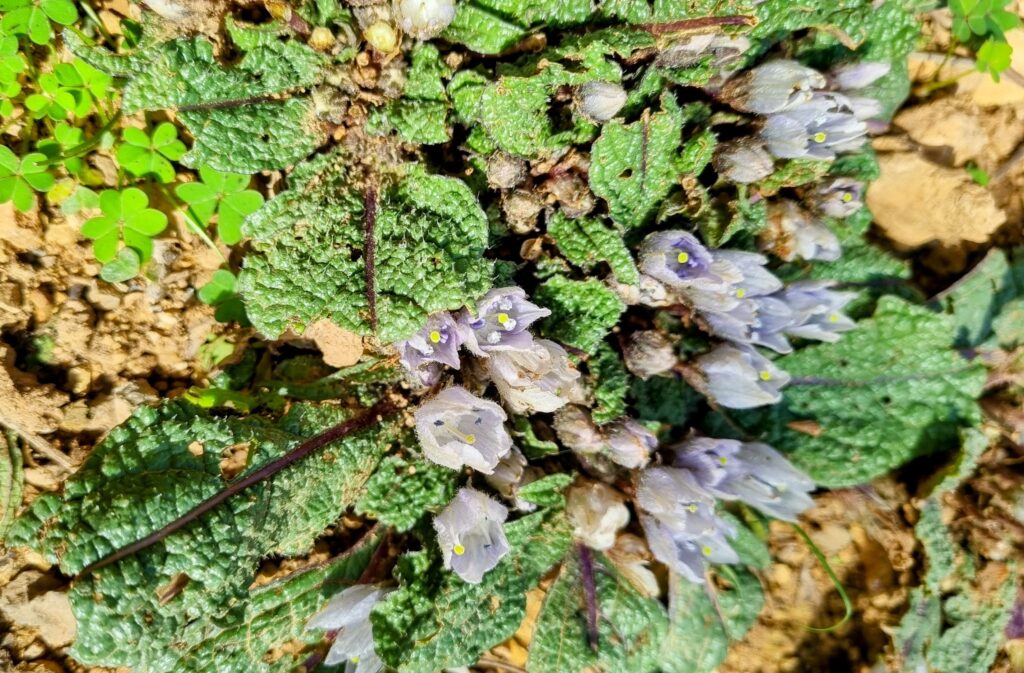
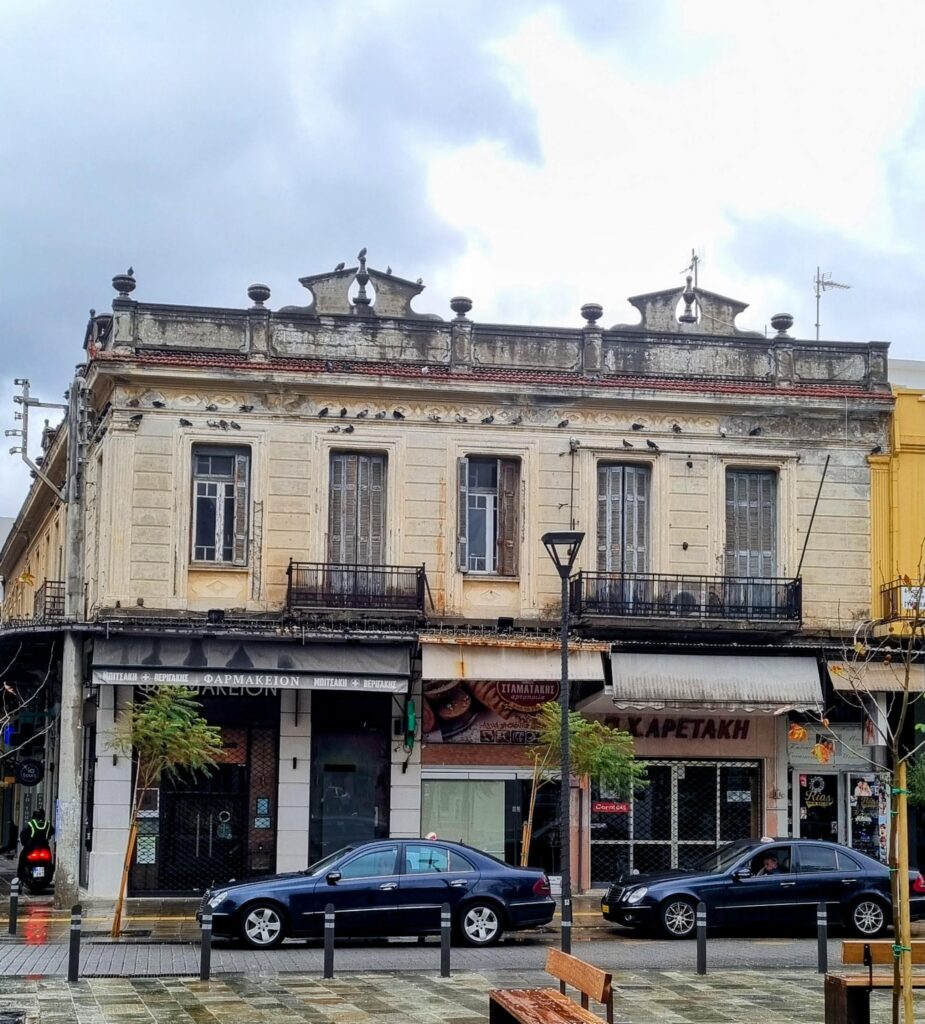
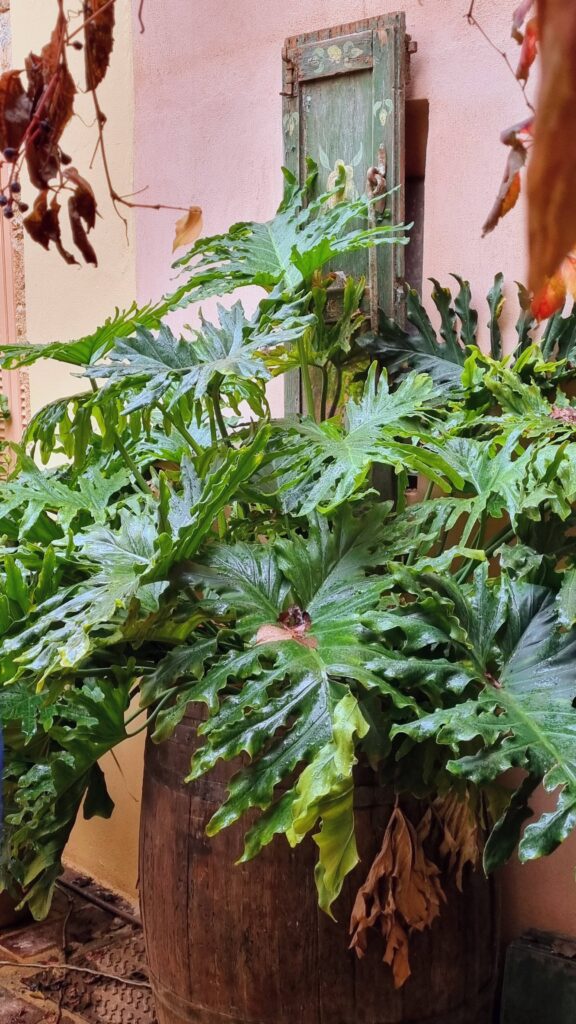
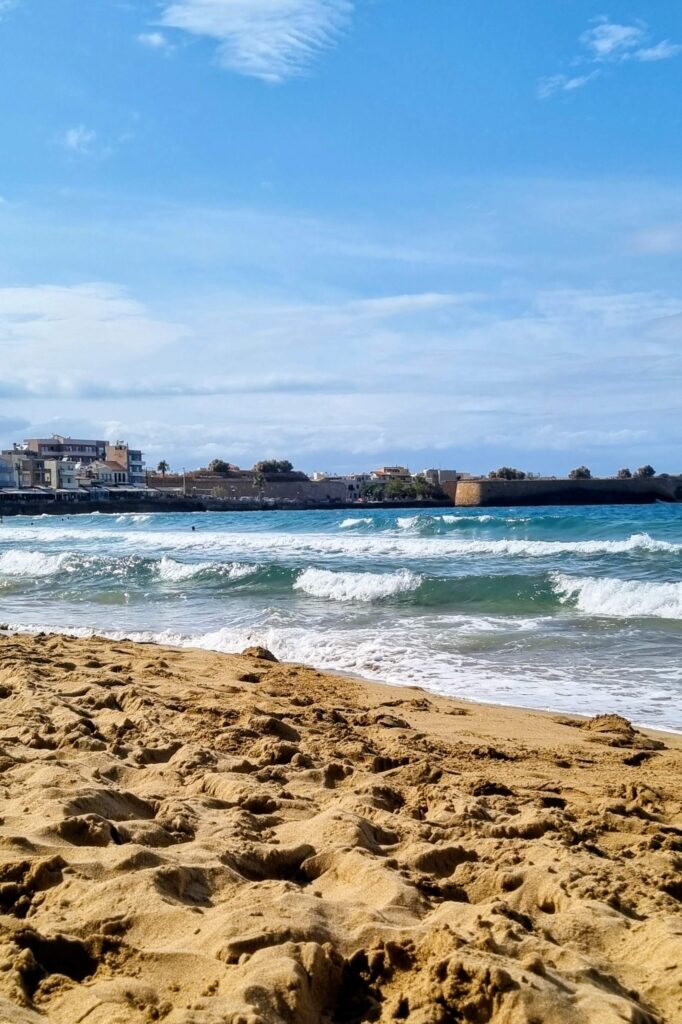
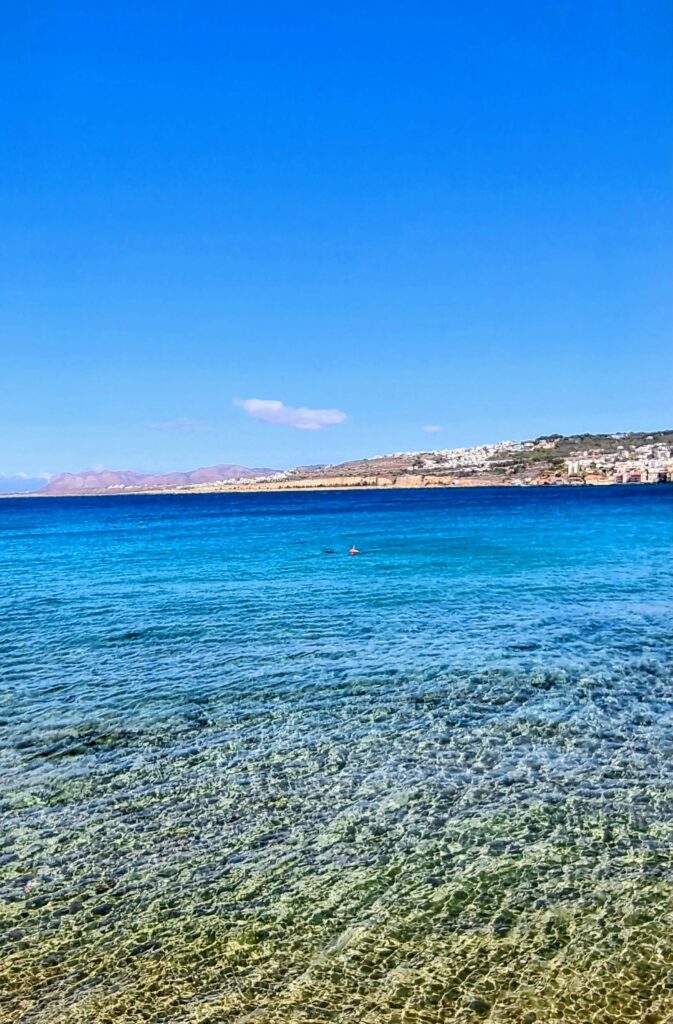
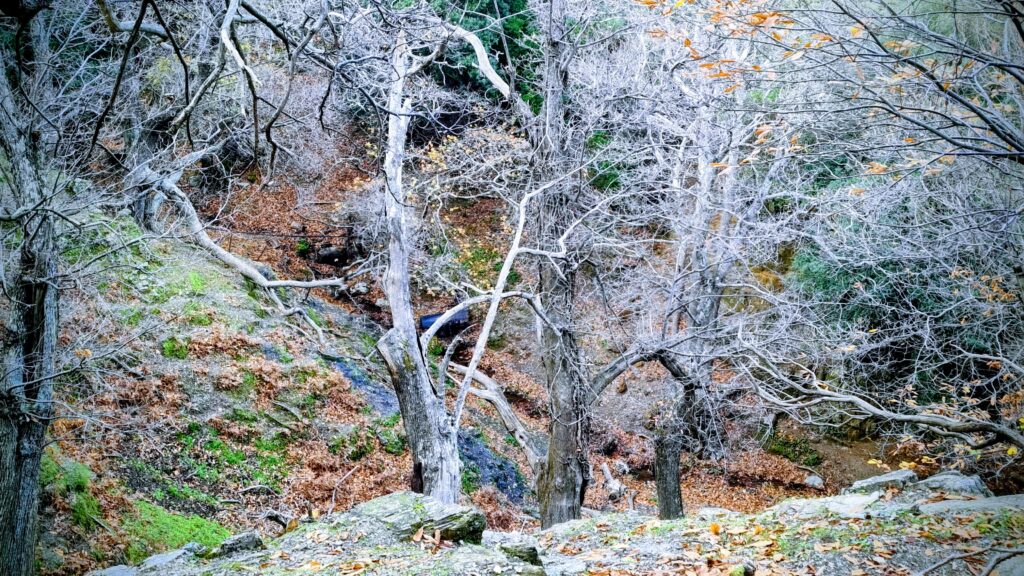
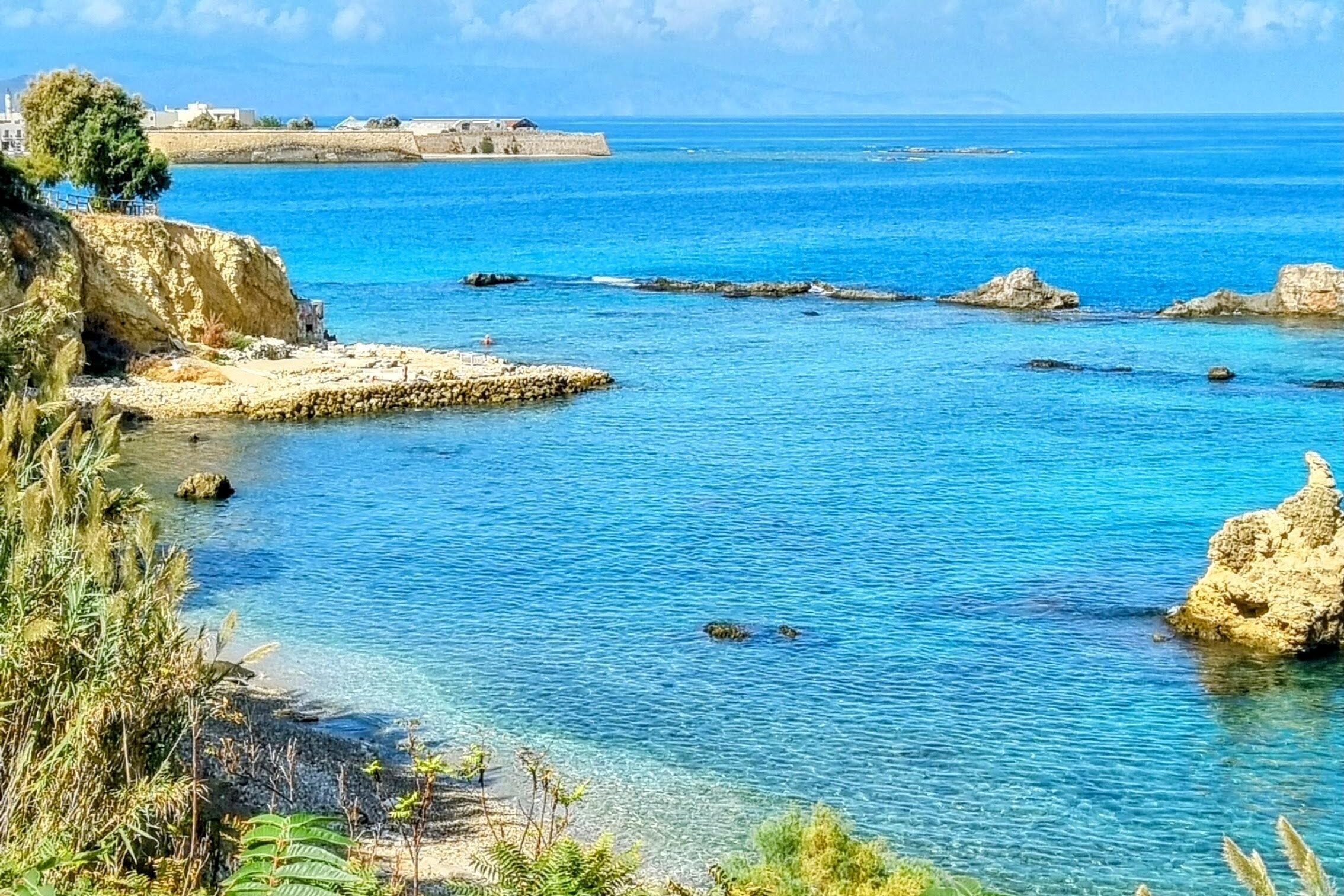
Winter, or the low season, is a time of calm, peace and respite for the people on the island, but also a time of rushing clouds interspersed with the dazzling blue of the sky; turquoise sea by the calm coves, but also waves crashing onto pavements and piers. On the one hand, nature loses its exuberant riot of colours, becomes quieter, turns grey in places, and sepia and smoky shades appear. But on the other hand, winter rains also bring the long-awaited moisture, and where in August there were burnt herbs and brushwood underfoot, now there are green carpets. We also encounter flowers, not as spectacular or lush as in summer, but perhaps all the more sought after and appreciated.
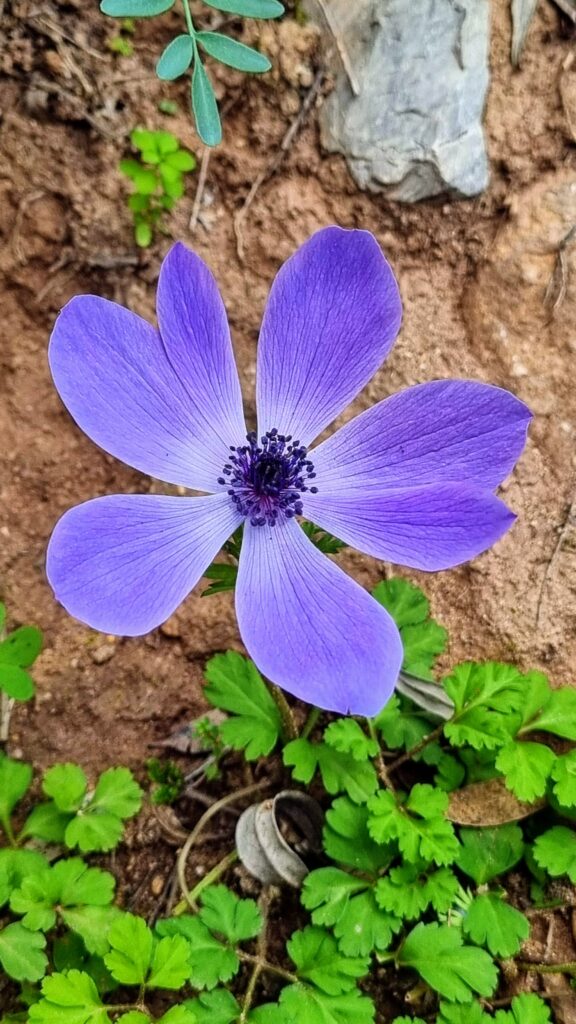
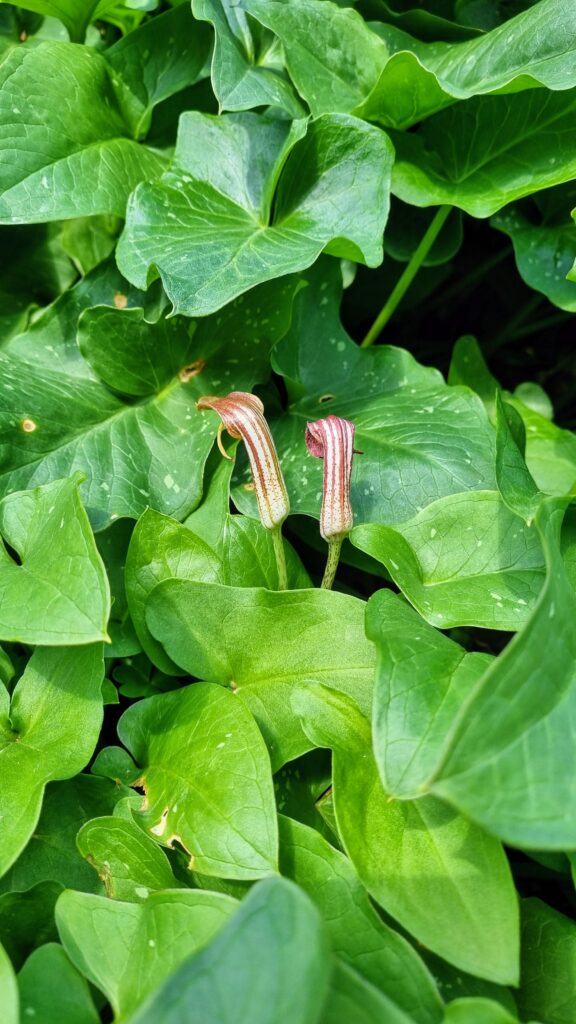
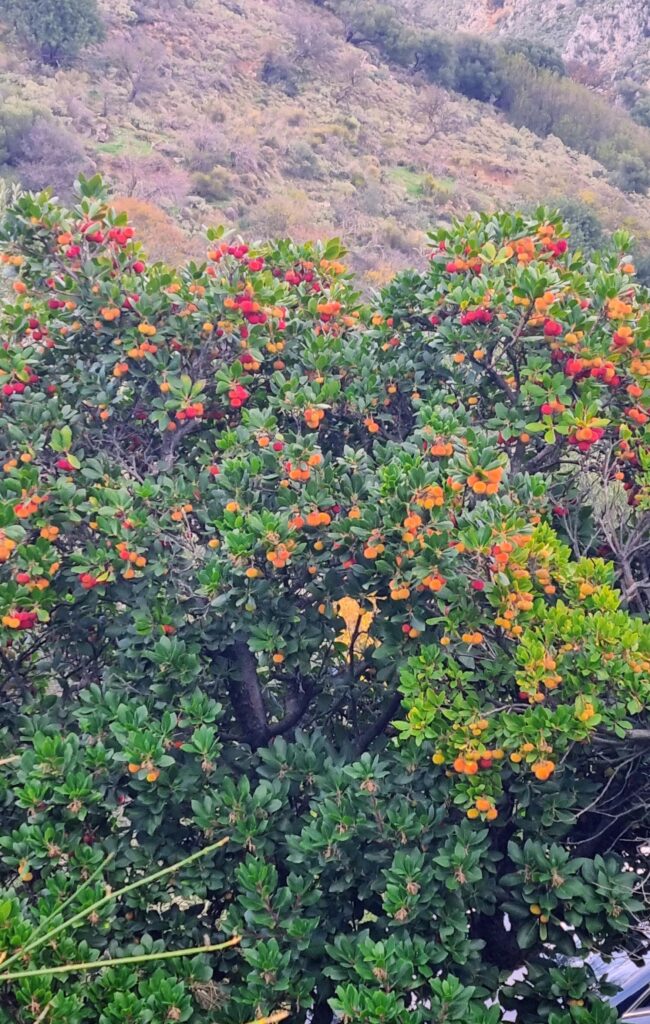
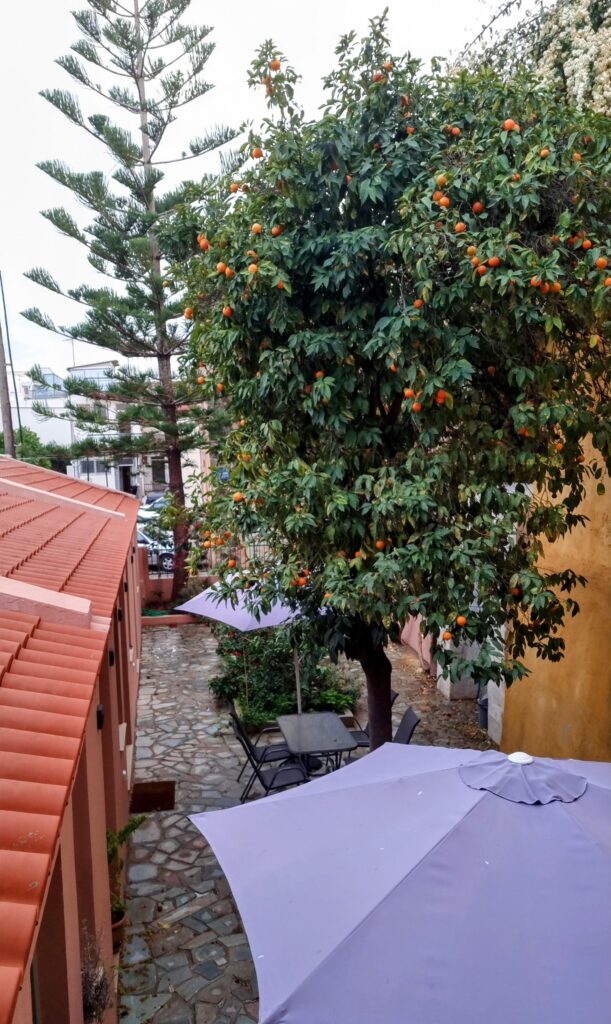
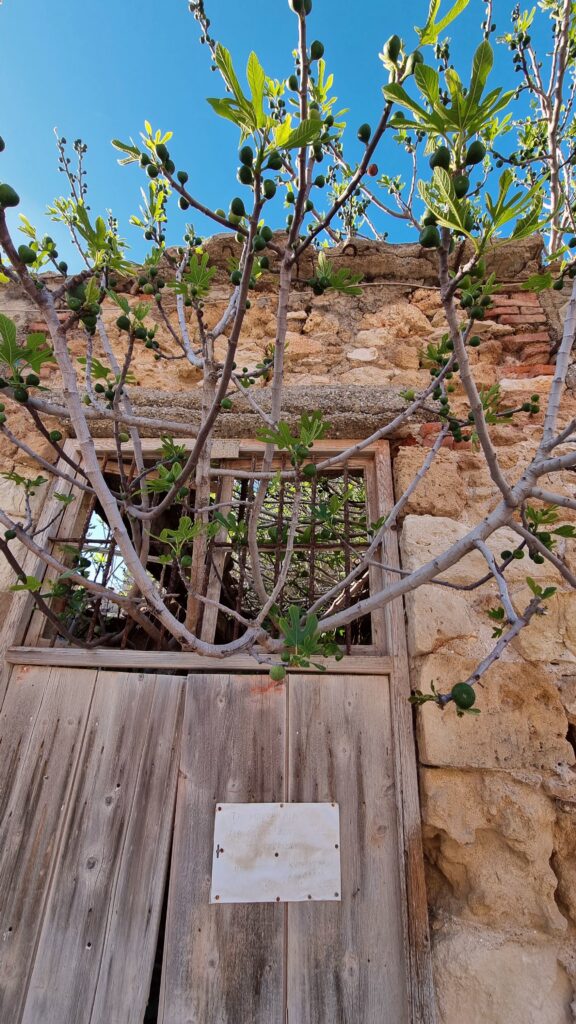
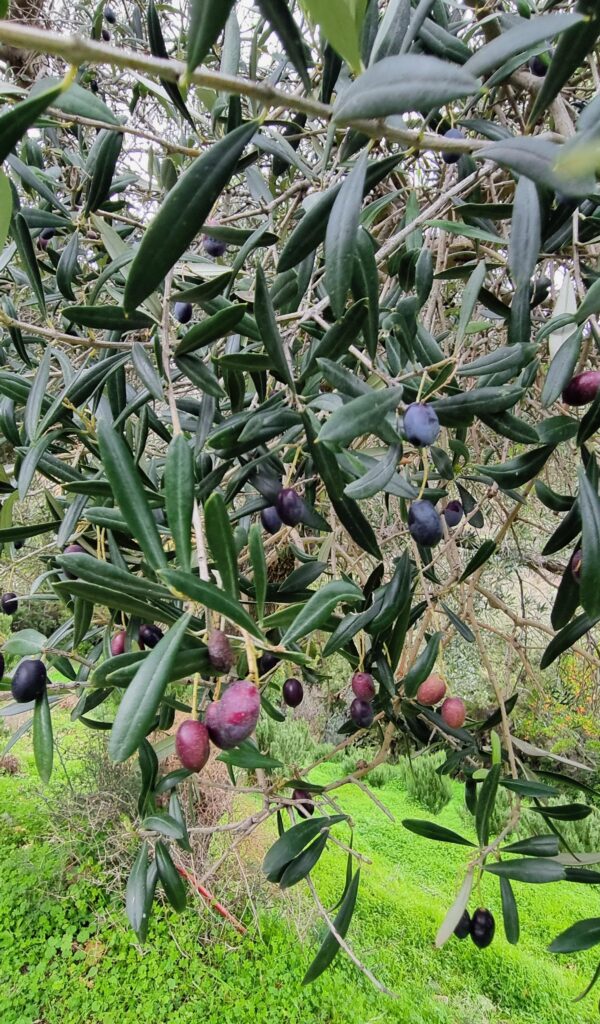
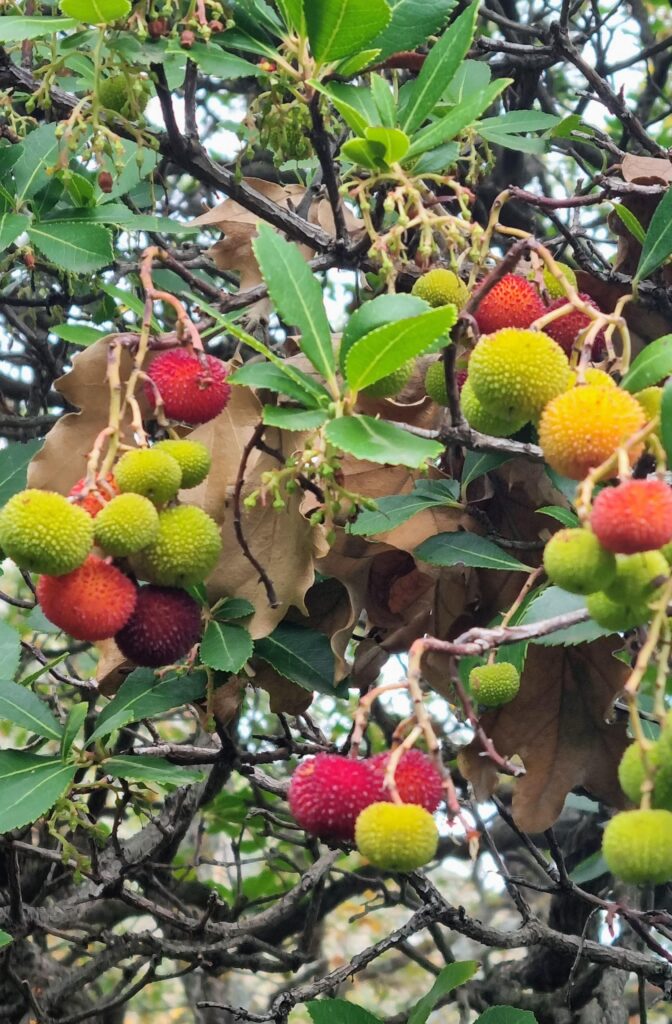
Some trees also bear fruit in winter. From November to January, olives are harvested, bitter oranges, saturated with rain and juices, bend delicate branches to the ground, and you can taste the sensually red berries from the wild strawberry tree.
Posted on Leave a comment

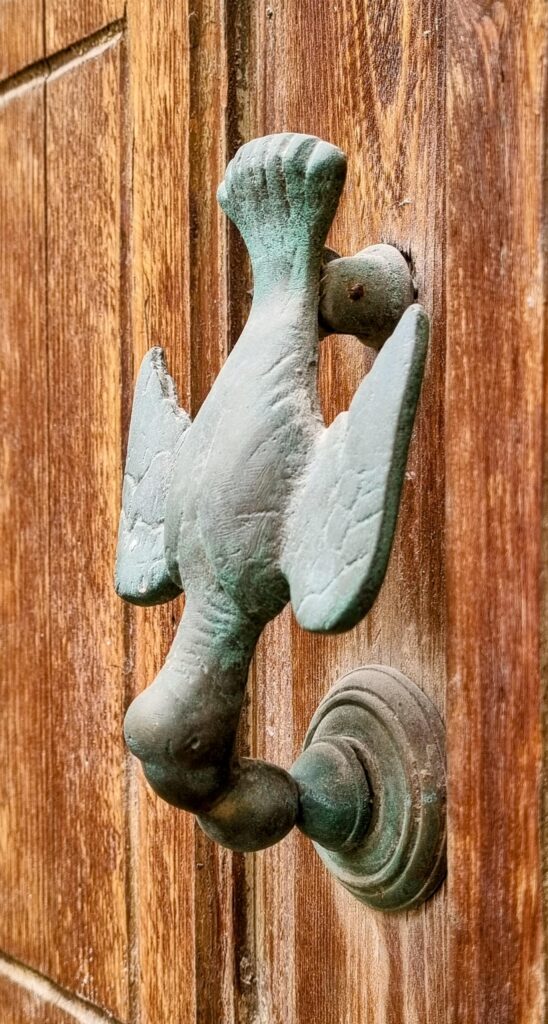
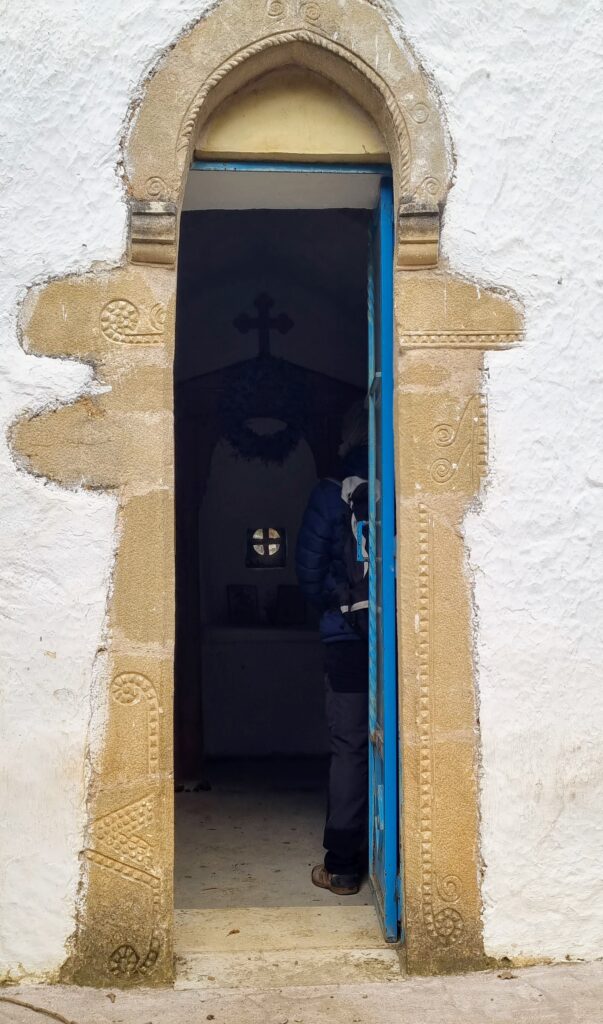
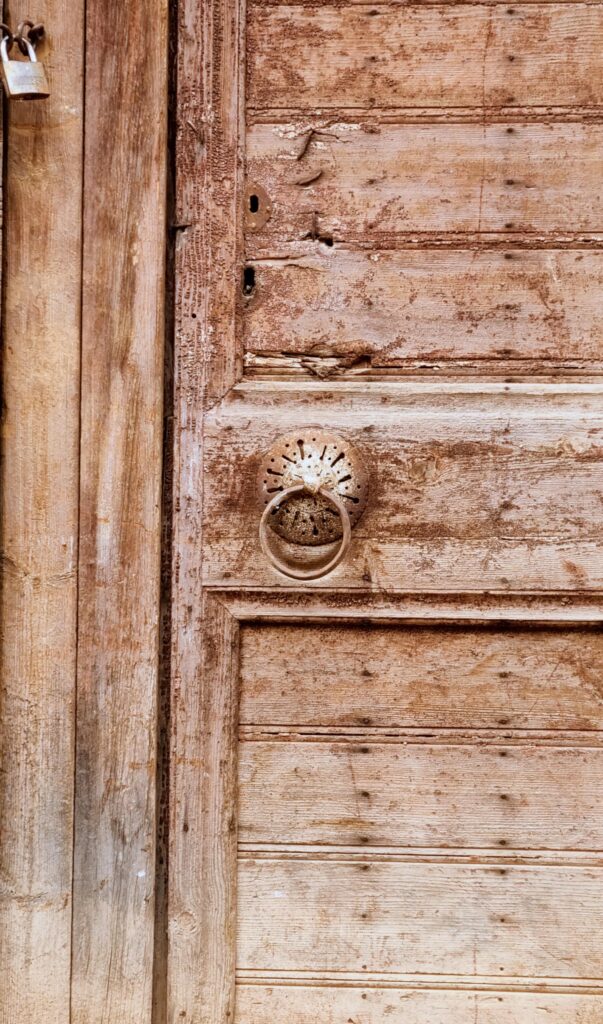
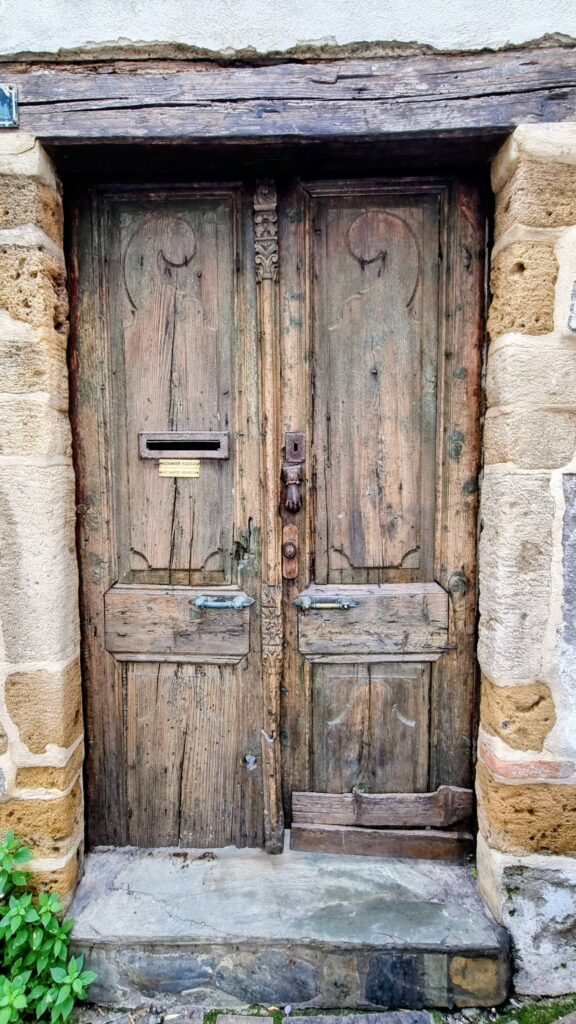
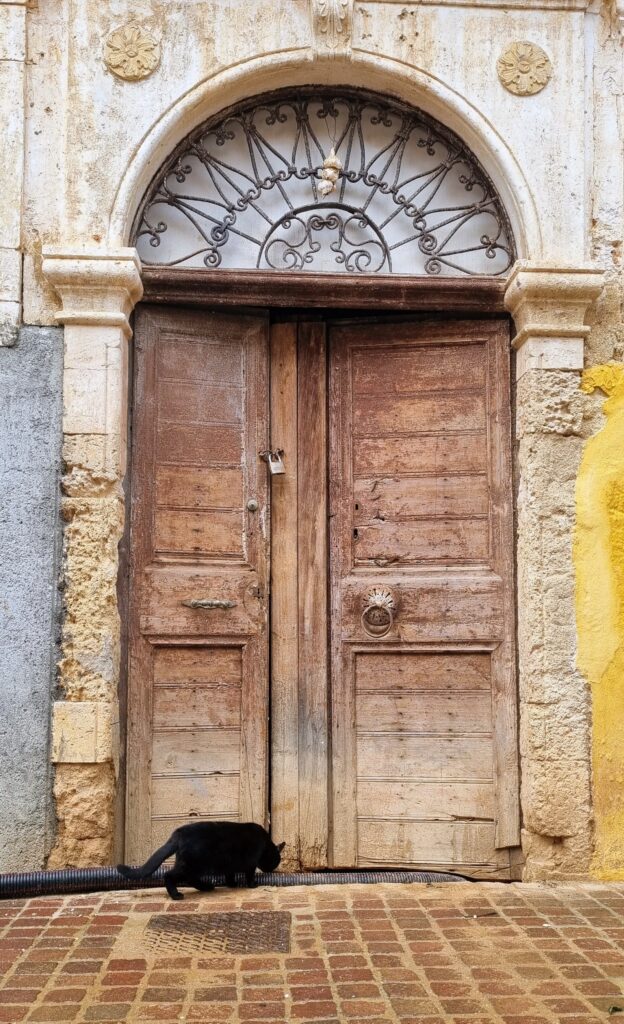
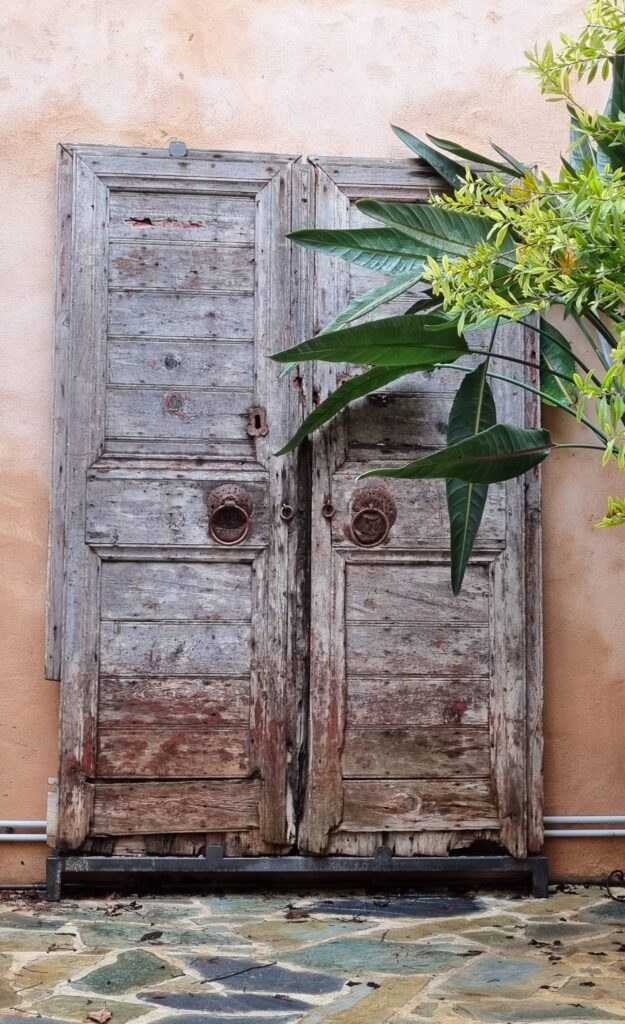
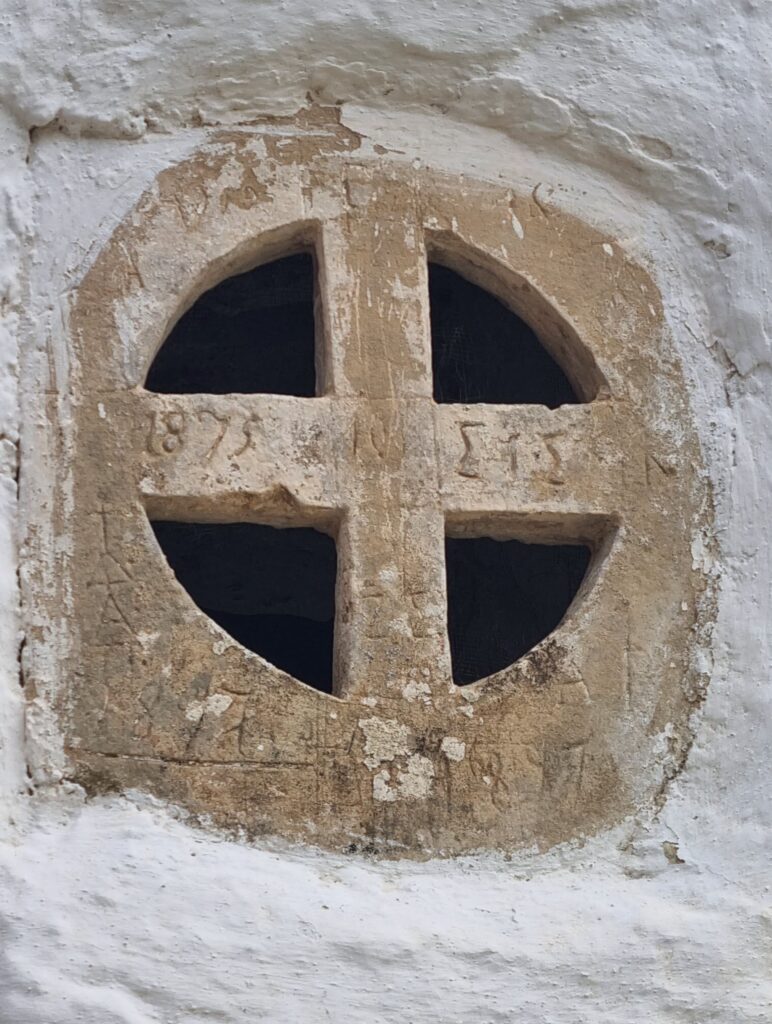
Gates, doors, entryways, openings and rose windows

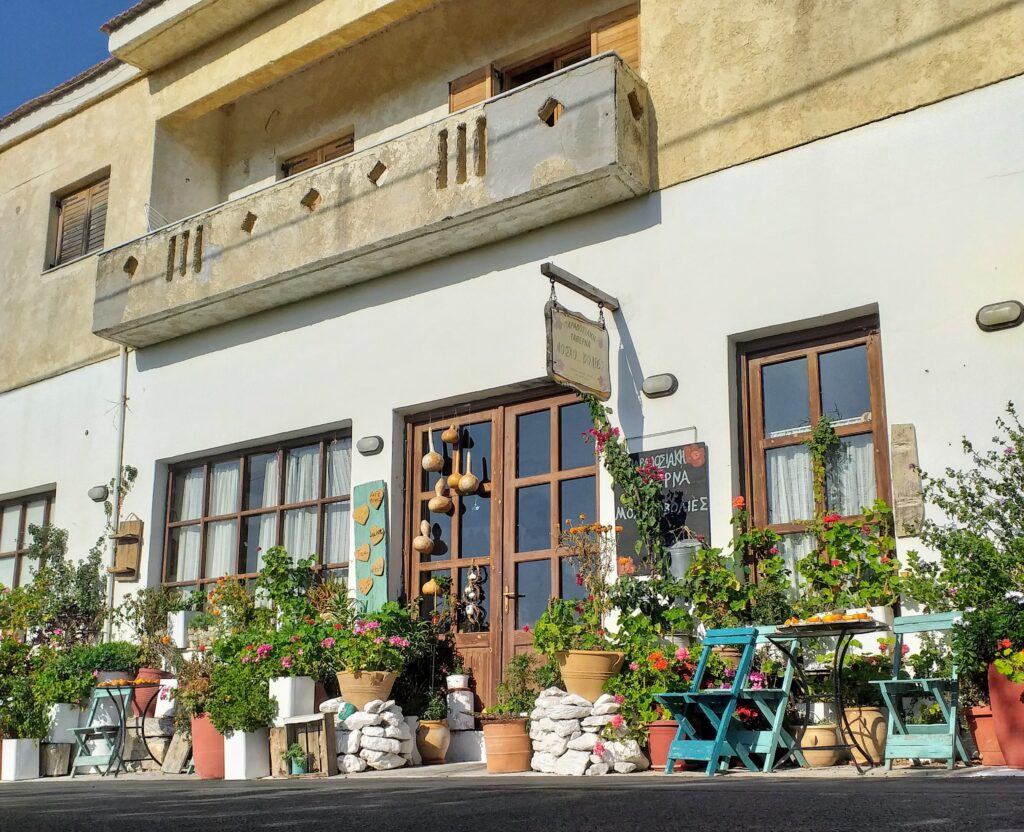
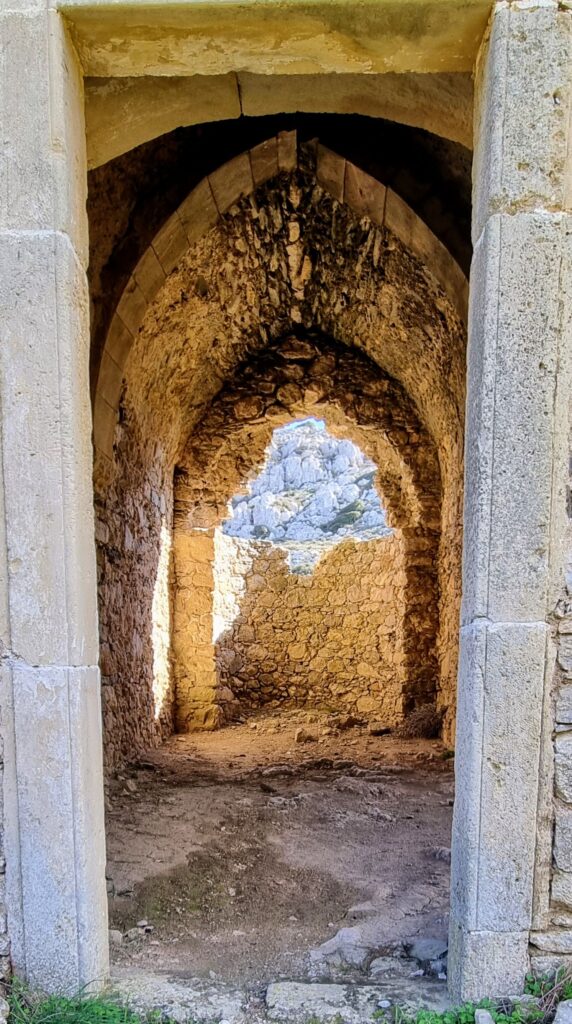
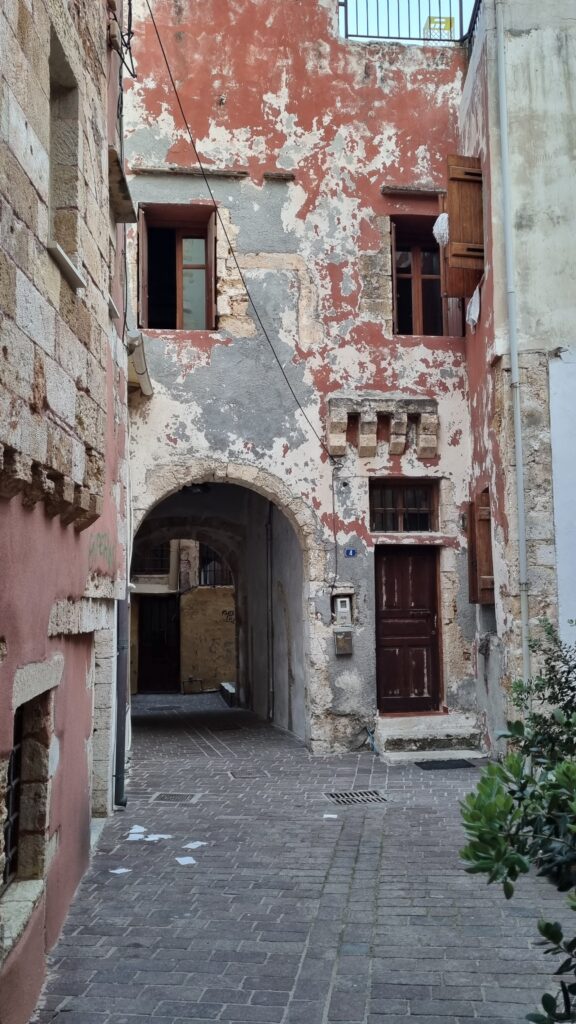
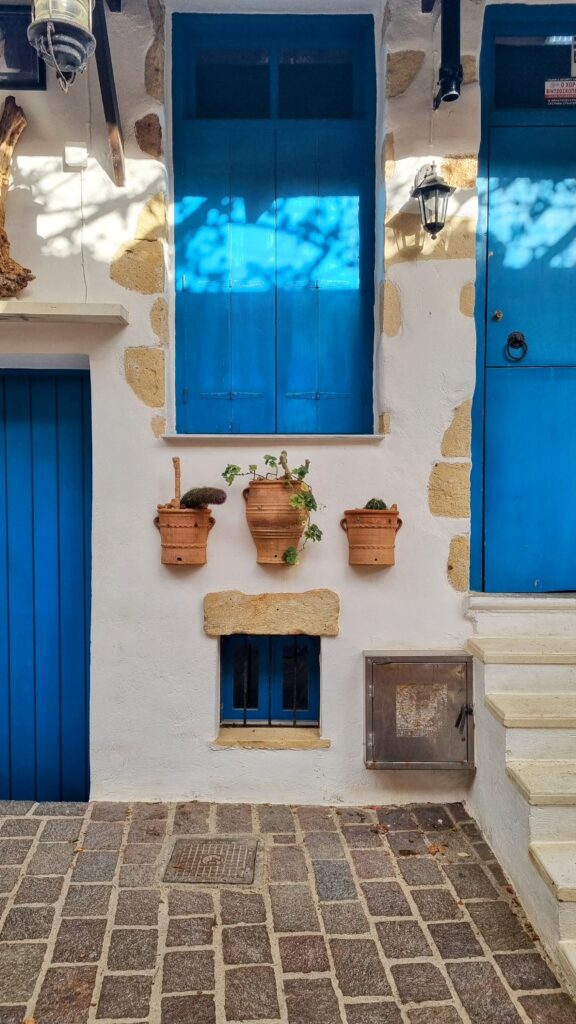
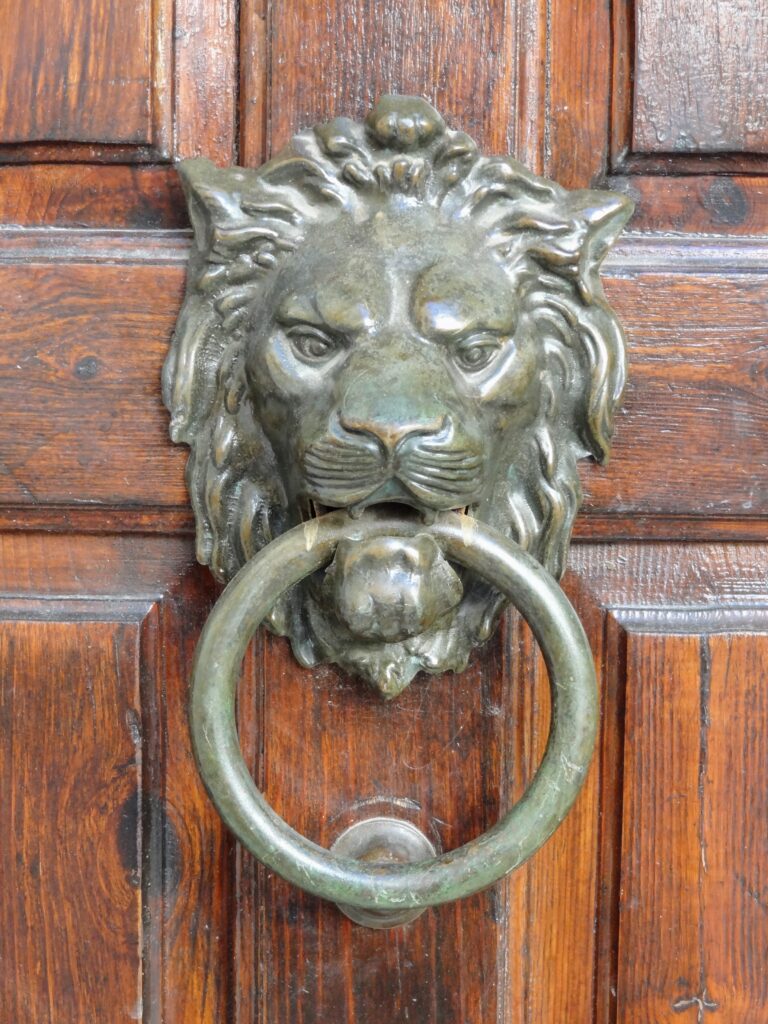
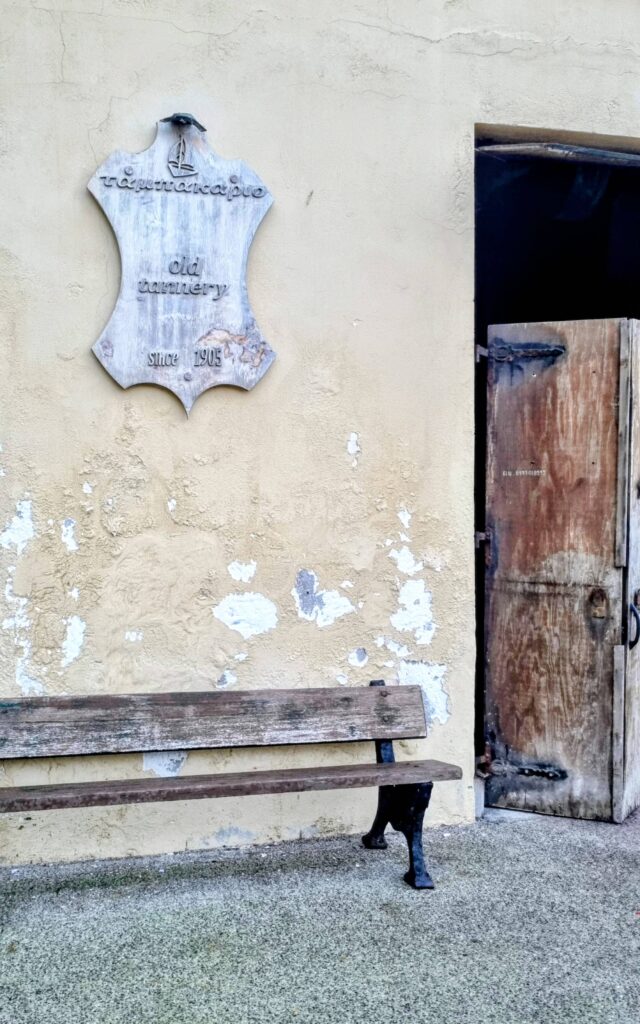
Sometimes they allow us to peek inside, often strictly shielding what is private or secret. They speak of the status of the residents, their ups and downs. Some demand that we stop respectfully and use a knocker or bell, while others allow us to glance inside through a crack worn by time. Sometimes, half-open, they invite guests in. They show time, its passage, history, civilisational changes, and bear traces of wars, shootings and protests.

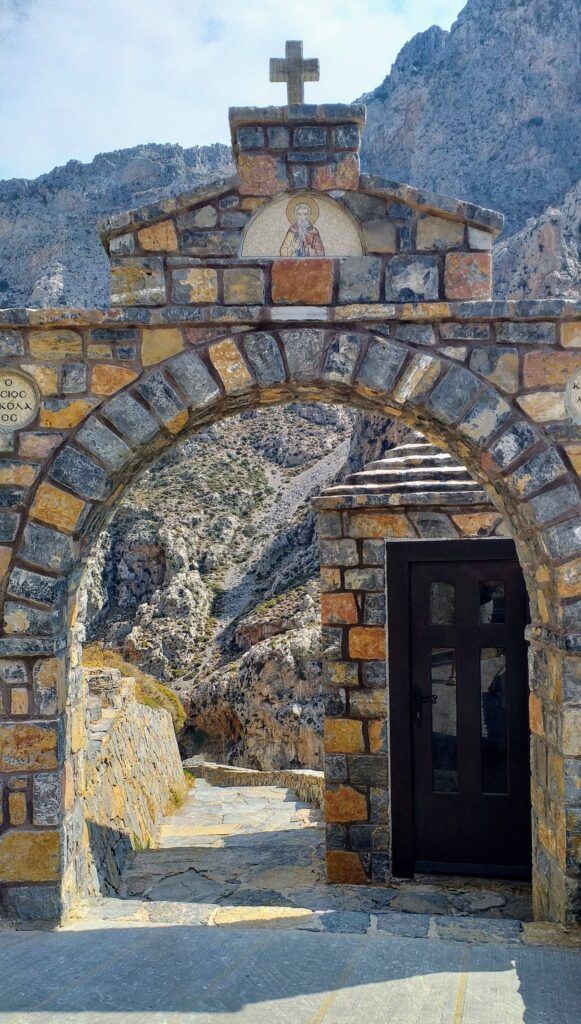
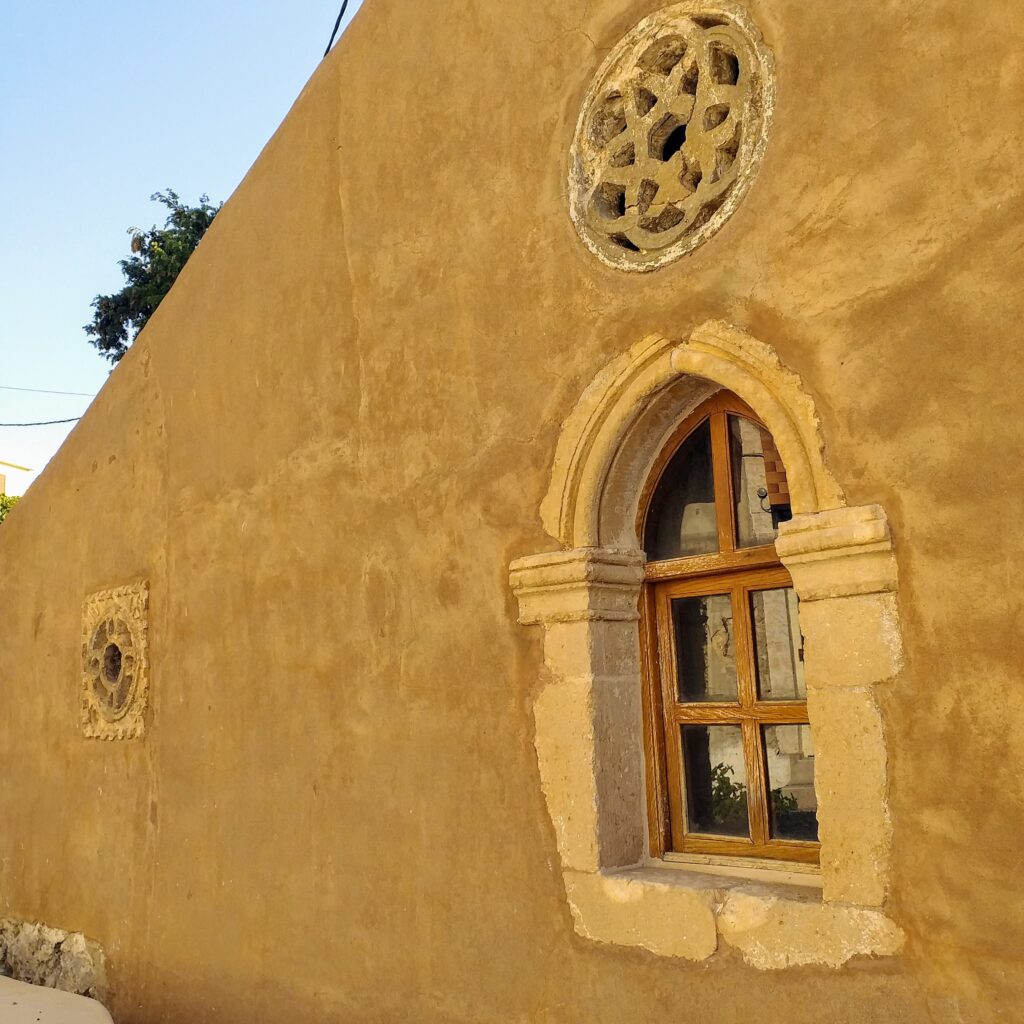
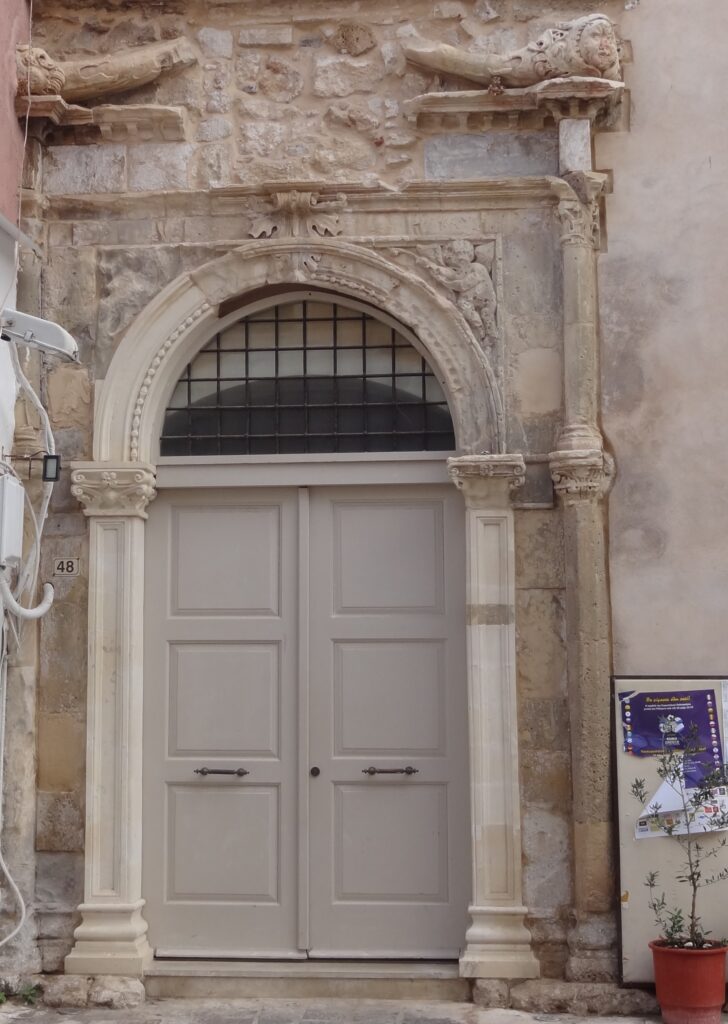
Crete is full of wonderful stories, many of which can be admired or deciphered in its ancient portals, medieval monastery gates, ornate Venetian doors with arched lintels, or distinctive red details from the Ottoman era.

Posted on Leave a comment

Diving in Chania

This is another attraction available in the city, aimed at young and old, beginners and certified divers alike.

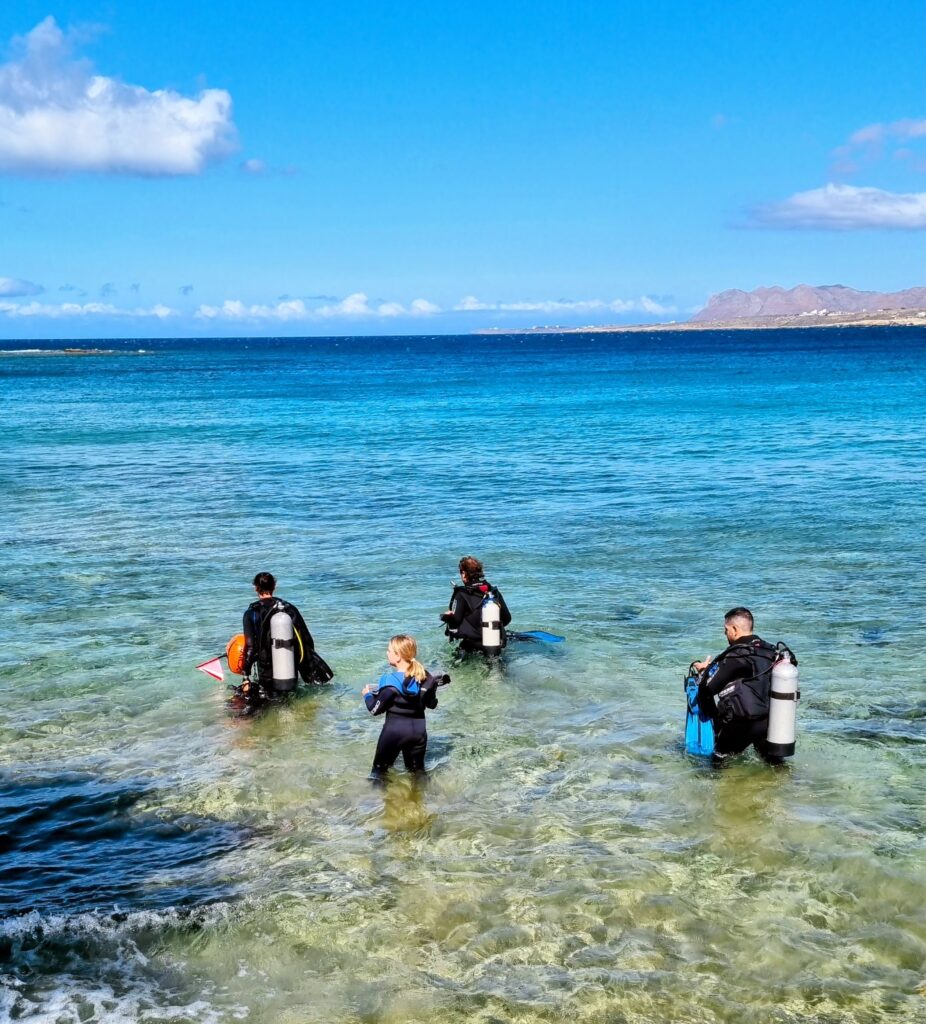
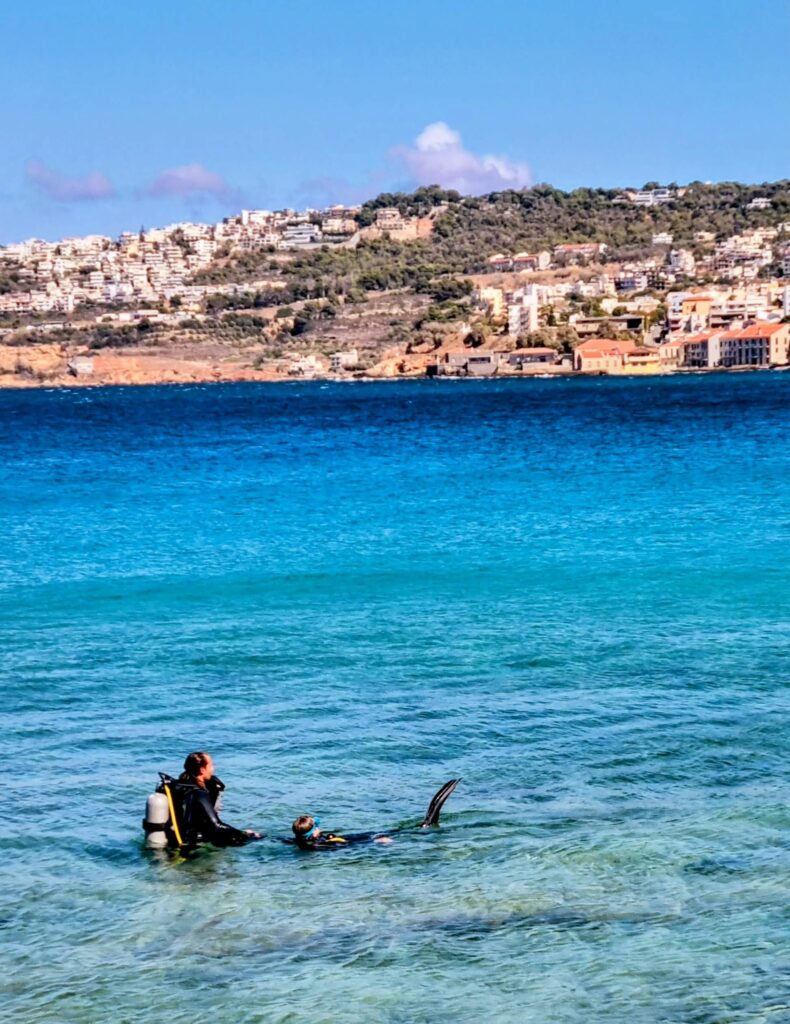
I have experience with one company, but I assume that others with good reviews operate similarly. My 11-and-a-half-year-old daughter had the opportunity to try diving with Blue Adventures Diving Centre, whose centre is located 300 metres from Thimari Gardens. The option we chose involved entering the water from the beach, not a boat.

First, everyone taking a dip on that day underwent a short theoretical training session. I must admit that the information was conveyed efficiently and clearly, and my daughter had no difficulty understanding it, even though English is not her first language.

Then, with wetsuits, boots, fins and tanks selected, everyone headed to the 150-metre-away Koum Kapi beach under the supervision of an instructor.The weather was beautiful and sunny that day, with not too much wind, which guaranteed a smooth descent into the water and wonderful views.

My daughter had a personal dive master who guided her through all the stages until she dived with a tank quite far from the shore.

After an hour, she came out of the water happy, excited and ready for more!

Posted on Leave a comment

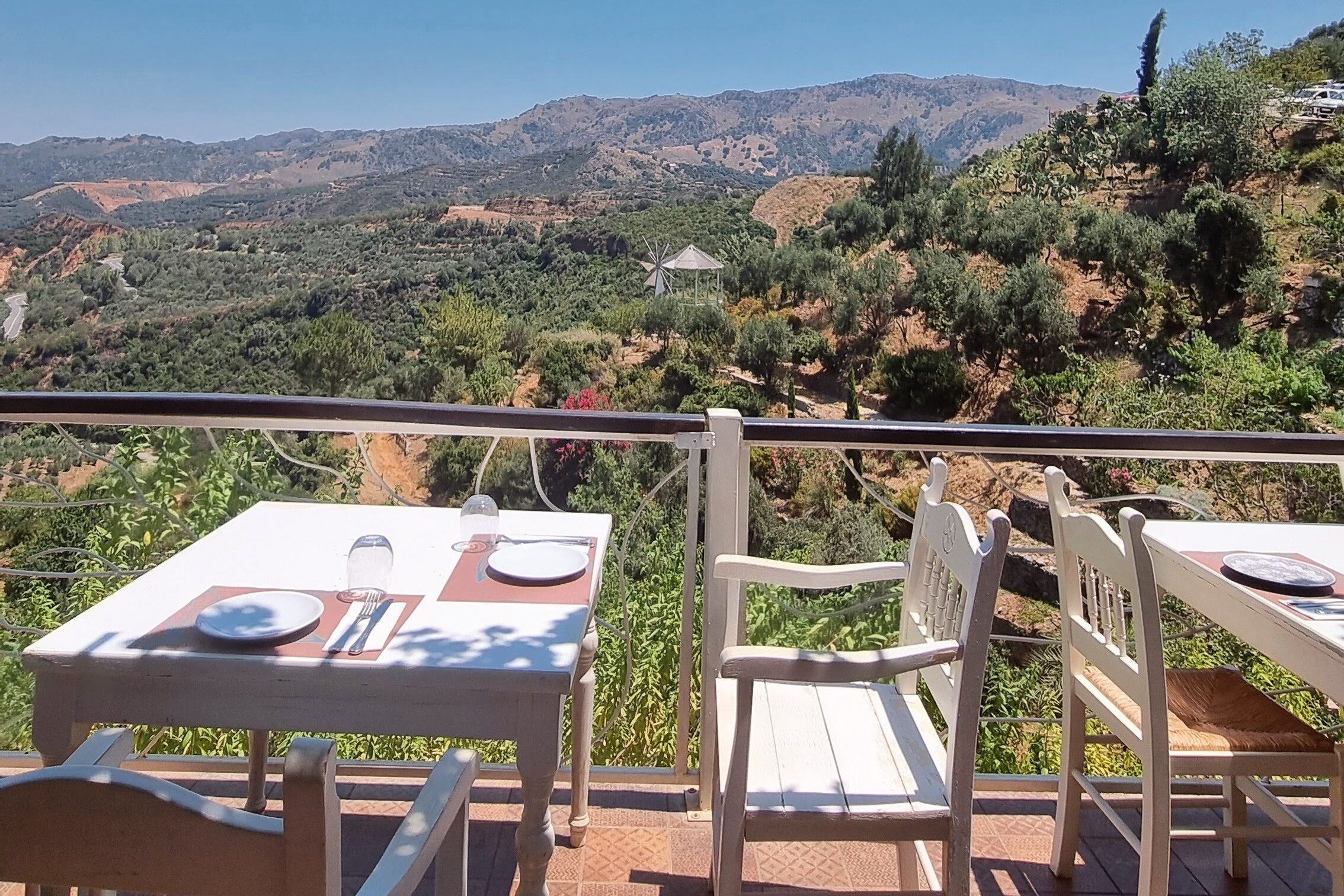
Milia – mountain retreat and restaurant

Milia is a secret known only to those in the know, but I will share it with you.

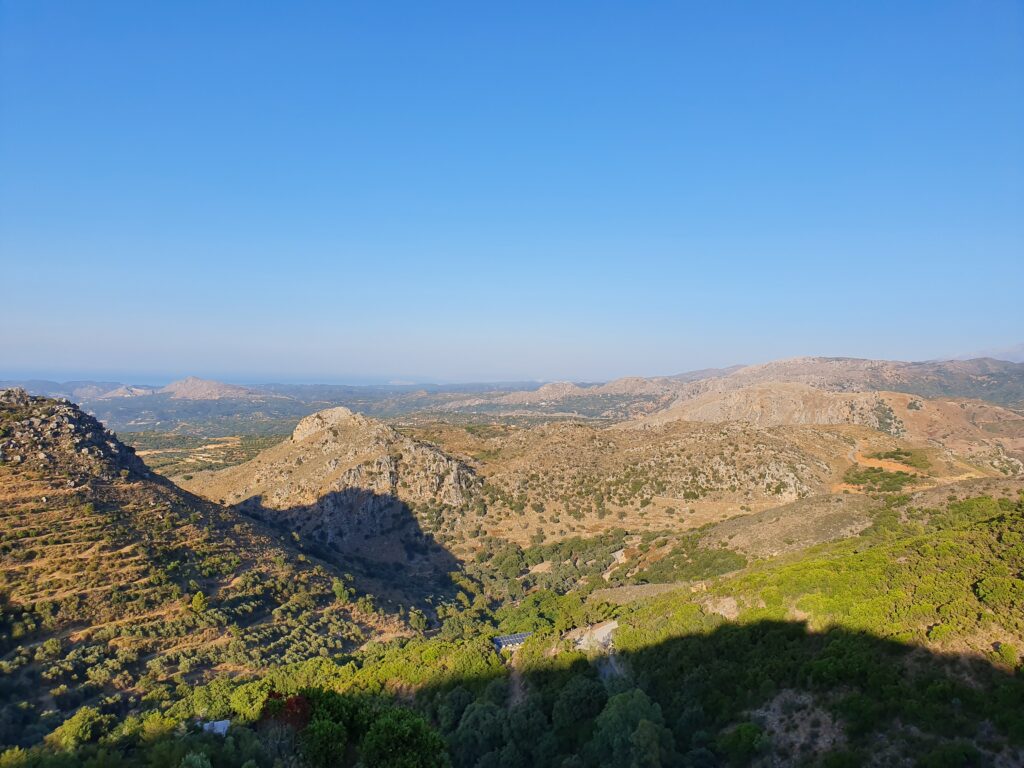
To reach this magical place, nestled between mountains and gorges, you have to drive for over an hour from Chania, and the road winds like a snake, eventually turning into a dirt track.

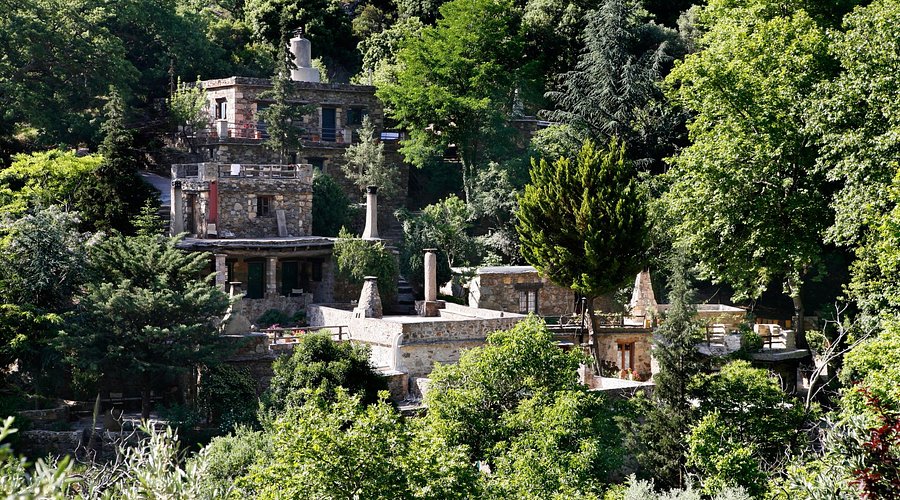
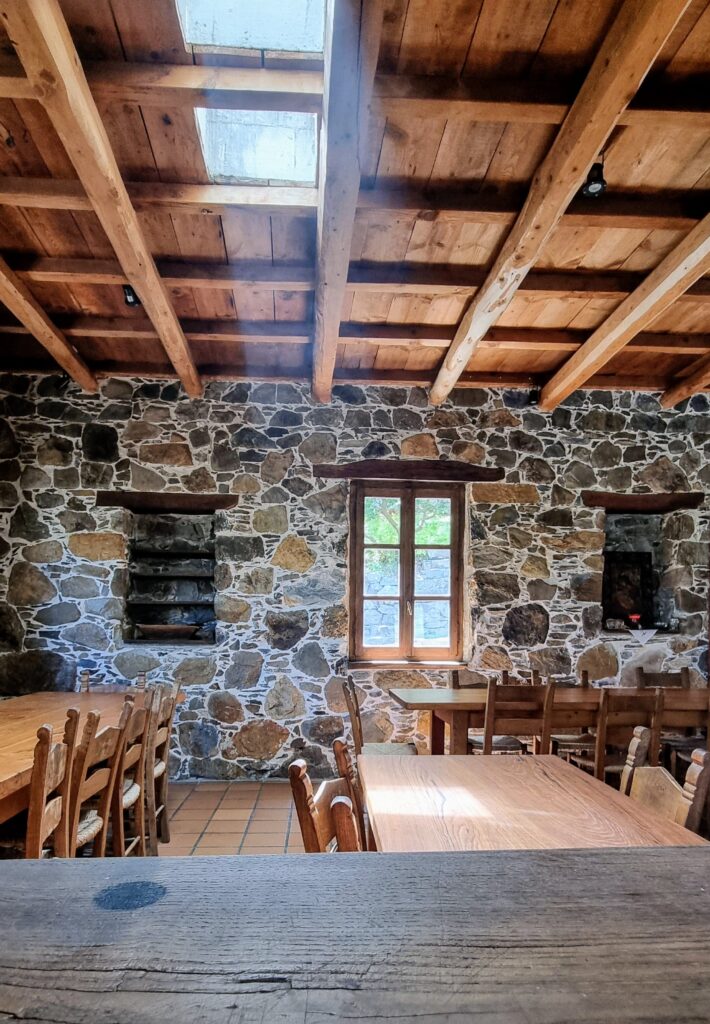
At the end of the journey, a unique place awaits us, beautiful in its simplicity and fidelity to tradition. Milia is now a tourist resort, but it is housed in beautifully restored cottages that were once part of a mountain settlement. The owners have put a lot of work into creating such an atmospheric and authentic place from the remains of medieval buildings.

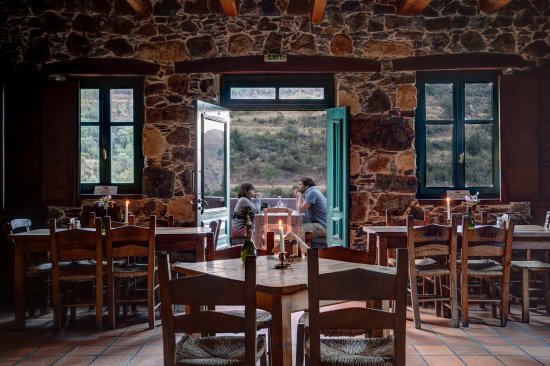
Milia is not only an eco-friendly retreat, but it also boasts one of the best restaurants in Crete. Word of honour!

In line with the philosophy of the place, the dishes are prepared with local products, some of which come from their own garden, and although the recipies are essentially Cretan, they often feature an innovative approach.

If you want to eat there, I recommend booking a table in advance, especially during the holiday season.

Milia offers more than acommodation or dining experience, though. Several walking trails start there, ranging from leisurely walks to long, demanding trails in the surrounding mountains and gorges (e.g.Topolia Gorge Circuit, Sirikari Gorge).

Posted on Leave a comment

Love at first sight

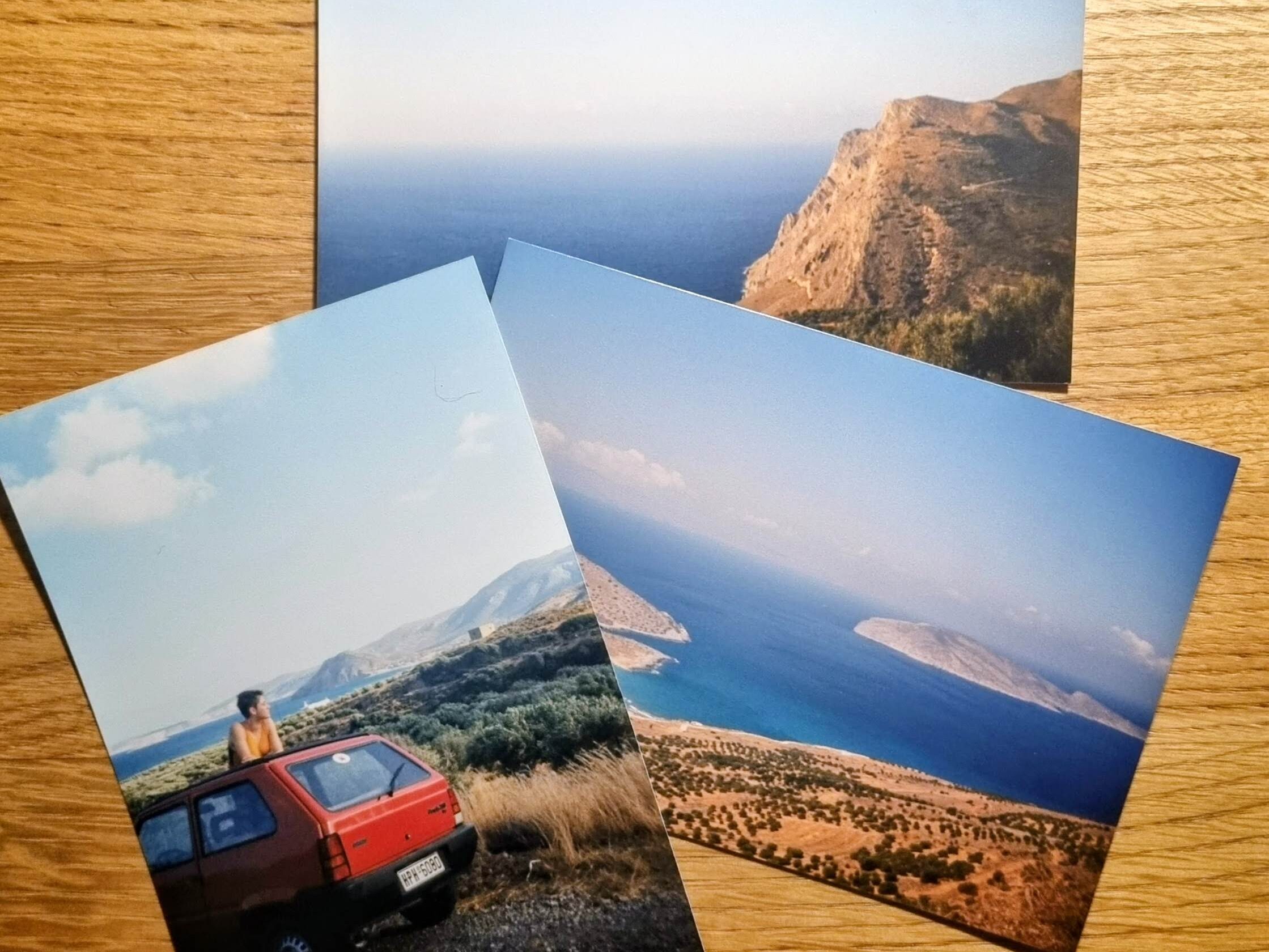
I first set foot in Crete in 1995. We had so little money at the time that the small amount we had saved allowed us to escape from an uninteresting town near Heraklion for only two trips. One day by car, to the southern tip of the island, through the mountains, to Vai beach, and one day by scooter (oh my God!) to the caves carved into the rocks in Matala. Although we came back from the scooter trip soaked, because somehow it was raining in the summer, I also came back stunned by the beauty of this island.

It was love.

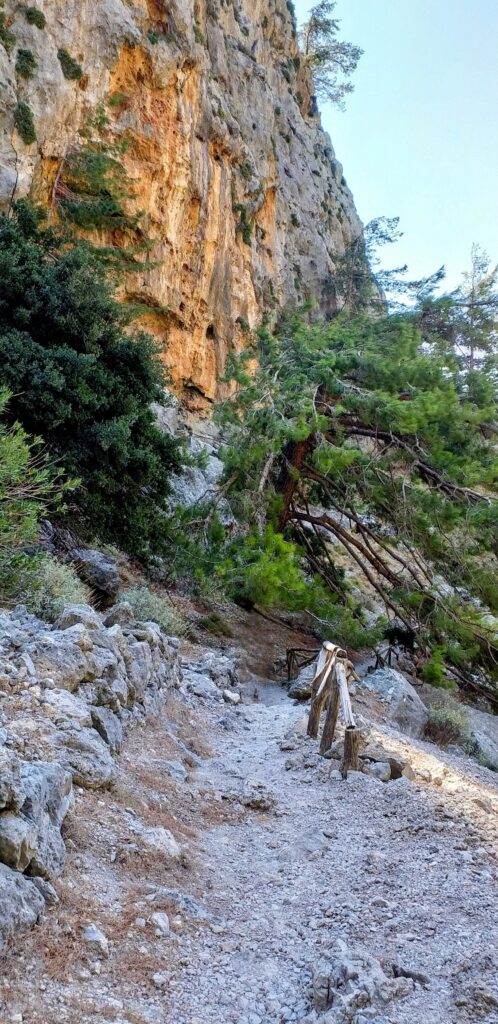
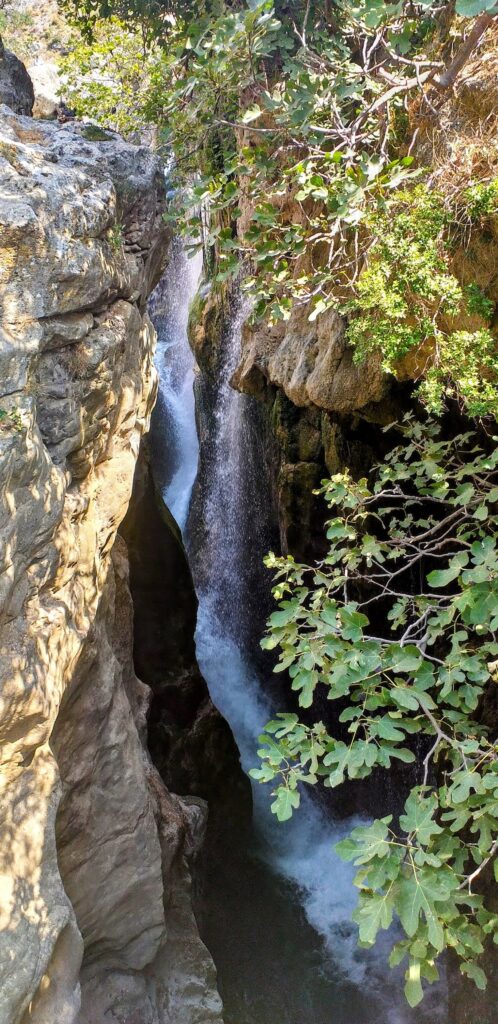
Since then, I have visited Crete many times. And basically every time, whether we were as a couple, with a child, or I was travelling alone, I went to the nearest accessible gorge. Because hiking in gorges is my thing, my passion, my beloved activity.

And in Crete, mainly in the west, there are over 400 of them!!! From pleasant walks with children, through more technically demanding ones with ropes and ladders, to the famous Samaria (not recommended in summer), the longest dry gorge in Europe.

So… there’s plenty to do!

From Chania, where we invite you to our Thimari Gardens, you can easily reach several interesting gorges within two hours, and private buses will also take you to Samaria.

Posted on Leave a comment

Botanical Garden in Crete

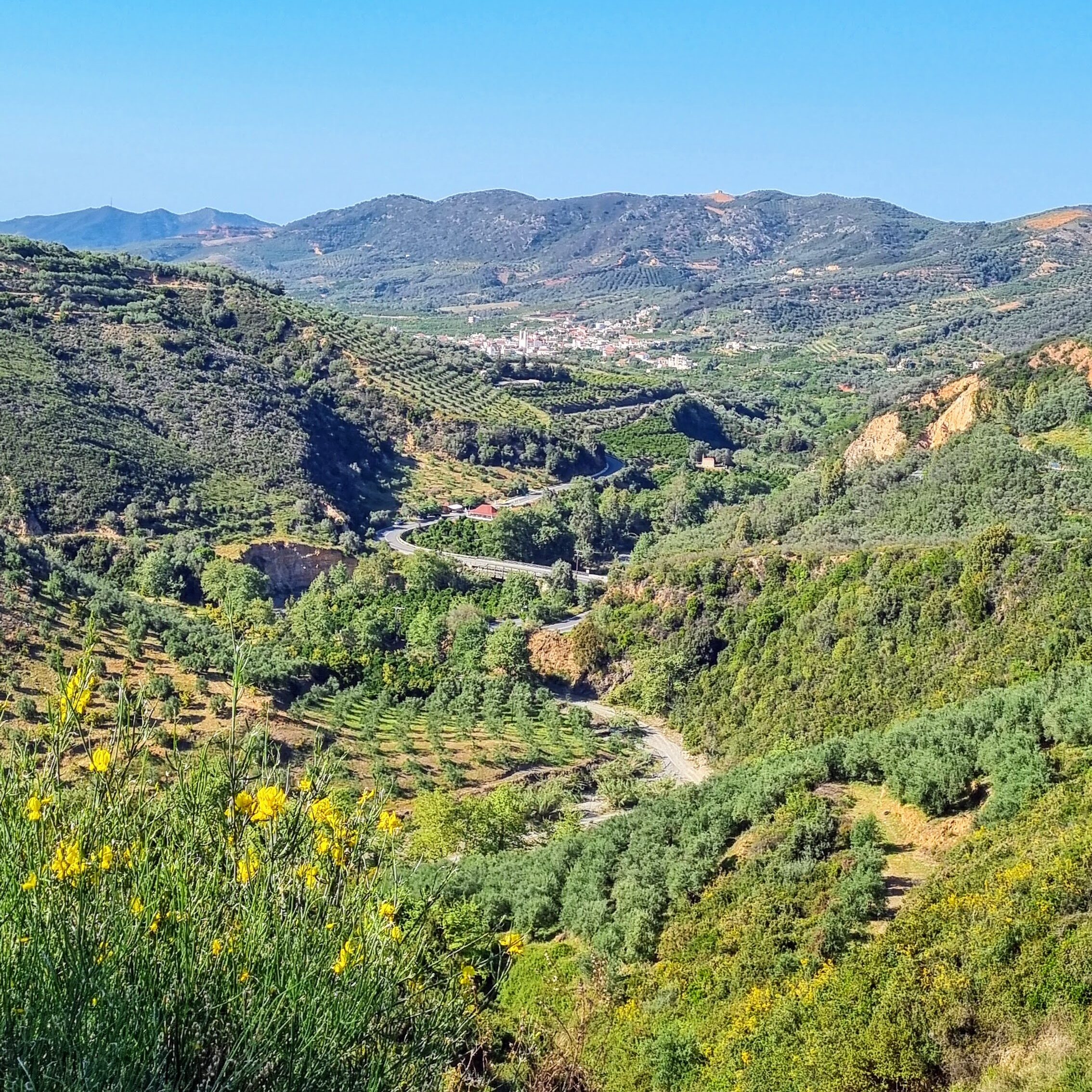
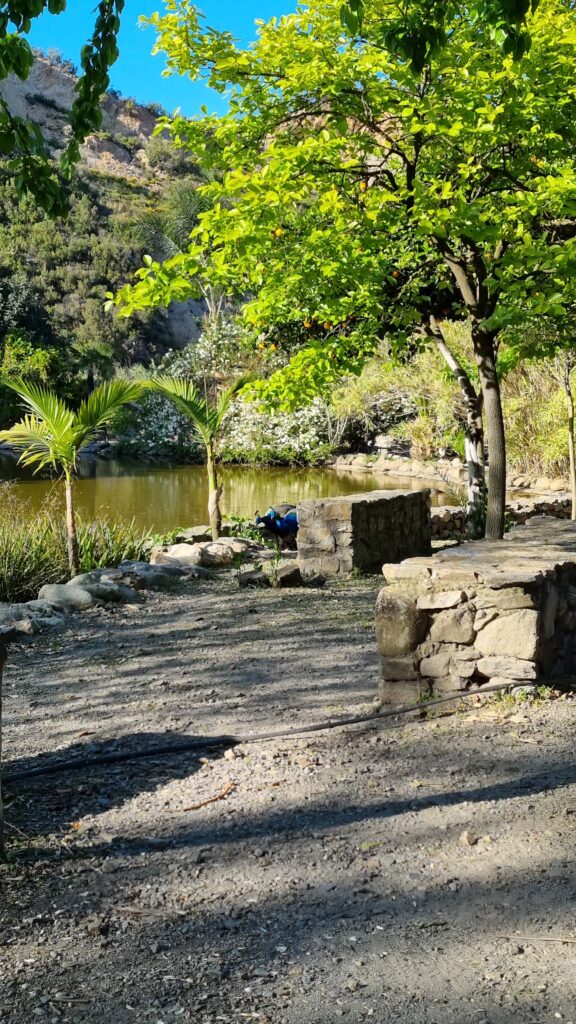
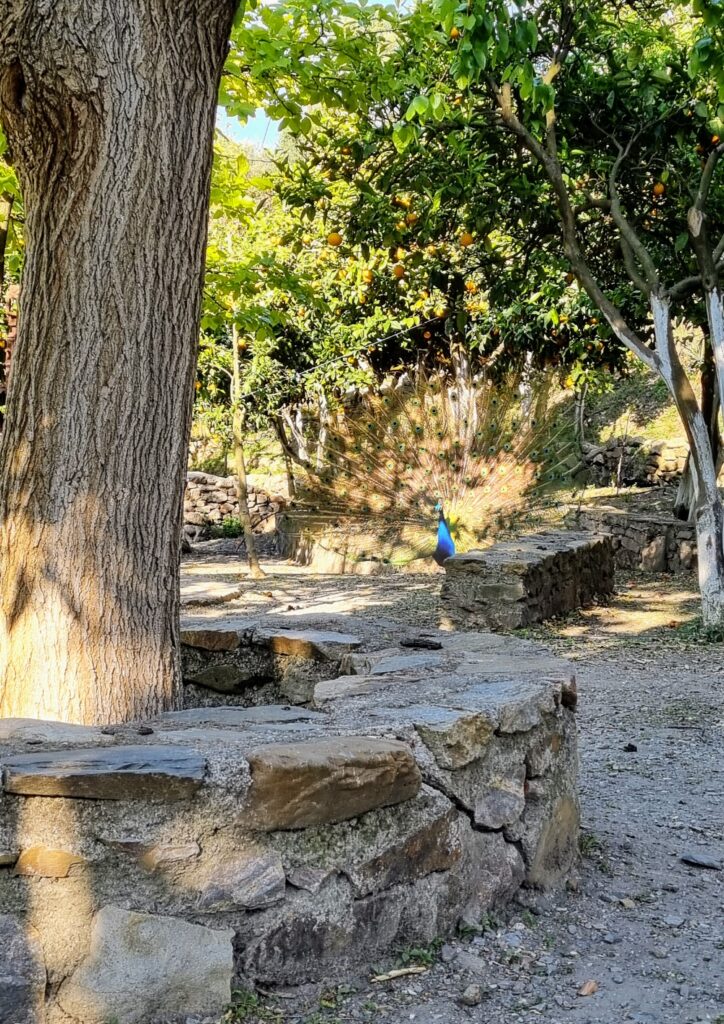
It doesn’t take long to get there, just half an hour by car from Chania. The road itself is a feast for the eyes, with valleys and mountains and picturesque twists and turns in the asphalt. Eventually you arrive at an oasis, a place that offers respite, especially in summer – the Botanical Park and Gardens of Crete, located 20 kilometres south of the city.

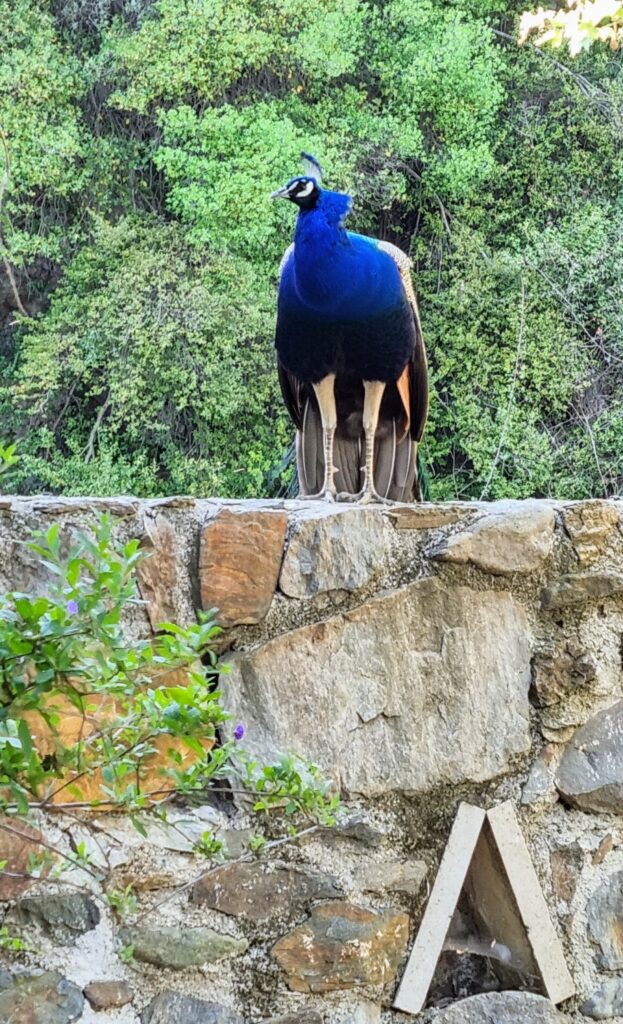
Twenty hectares of park and gardens are spectacularly spread out on the slopes and, even from a distance, encourage visitors to come and explore. We park, pay a few euros for admission, and the park is open to us. And there is plenty to see along the 2.5-kilometre loop that leads through all its corners. You will find themed gardens (e.g. Mediterranean, aromatic herbs, citrus or tropical), encounter a variety of animals (from peacocks and donkeys to a multitude of butterflies), and take a stroll along the lake.

The flora is diverse and interesting. It is impressive that the park was established just over 20 years ago and has achieved such results. In 2003, a terrible fire ravaged the area, burning 100,000 ancient olive trees and leaving only ashes. Thanks to the inspiration and hard work of founder Petros Marinakis, the area has been beautifully restored, to the benefit of all.

After a walk, which takes about 2 hours, you leave the park at a very nice restaurant, ideal for lunch or early dinner in beautiful surroundings.

There is also a shop on site, selling mainly famous Cretan herbs and typical locally produced spirits: raki, or as they call it in Crete – tsikoudia.

https://www.botanical-park.com

Posted on Leave a comment

Archaeological Museum in Chania

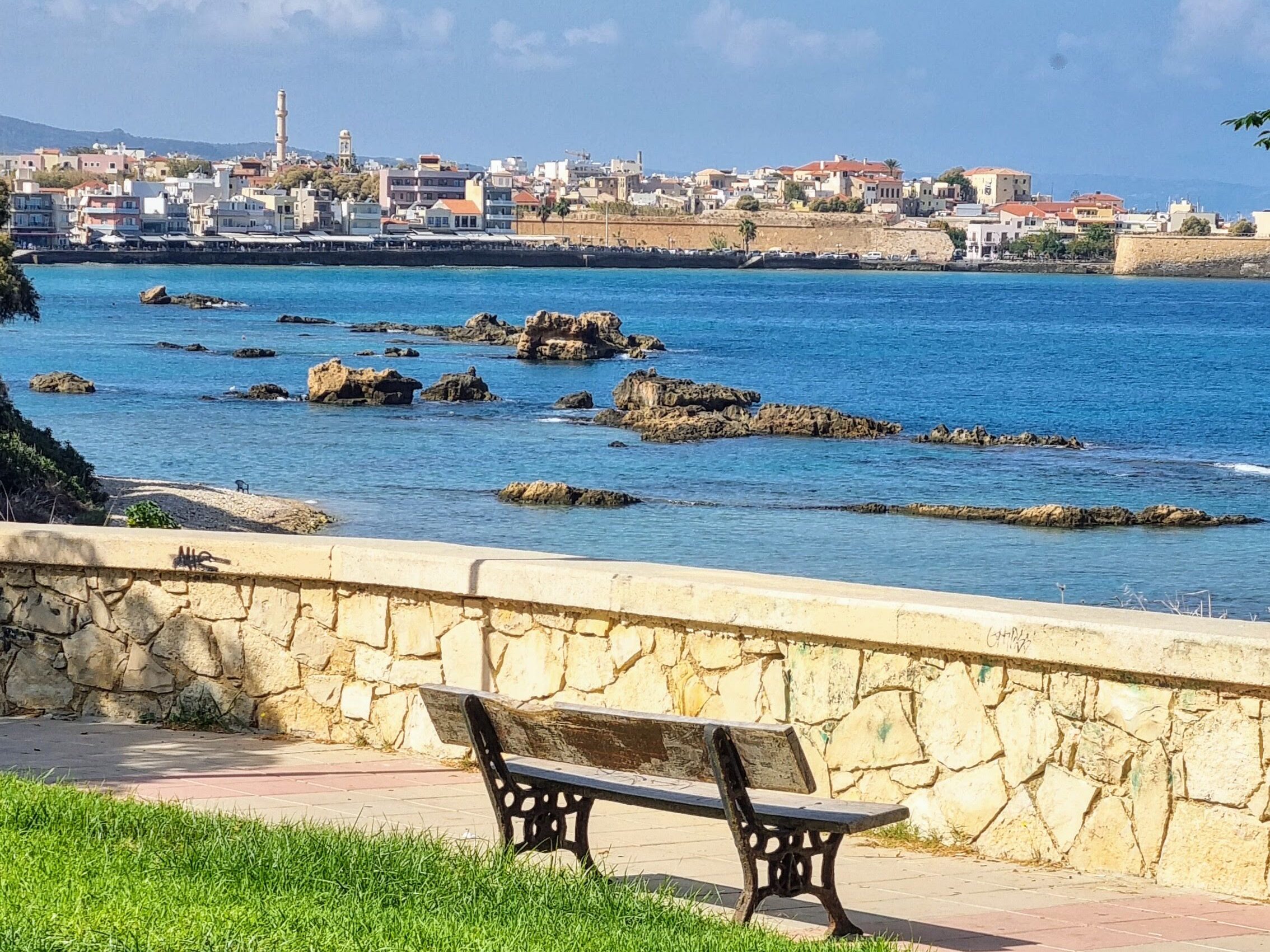
We were assured that tickets to the museum could be easily purchased on site, so we set off leisurely from Thimari Gardens on a beautiful October day around 11 a.m. Leisurely and on foot. Google suggested that the walk would take 25 minutes and would run picturesquely along the coast, from Splantzia in the old town of Chania, eastwards towards the Halepa district, where the modern and eco-friendly new building of the Archaeological Museum is located.

We were not disappointed. The coastal road winds along the high rocky shore and allows you to either see the magnificent Venetian gate of Chania (Sabbionara) from a new perspective or enjoy tropical views. The last 300 metres lead into the city, but there is still plenty to admire here, because Halepa gained its fame in the 19th century as a centre of politics and business for the greats of this world, which resulted in the creation of many beautiful and unusual villas and estates, which, either carefully renovated or still waiting for an investor with a bag of money, can be seen on the way to the museum.

But there is also the museum building. Low, blending into the hill, quite discreet from the outside, bright, uncluttered and open inside.

Standard tickets cost €6, but all EU residents under the age of 25 enter for free. Audio guides are also free of charge.
The permanent exhibition, covering the period from the Palaeolithic to Roman times, is housed in three large rooms. Most of the 4,100 exhibits come from the Chania area and the island of Gavdos, which is famous for its remains indicating that it was inhabited as early as 700,000 BC.
The first room presents the prehistory of this part of the world from the Palaeolithic period to the heyday of Minoan culture, with its palatial period, the remains of which are now mostly hidden in the Kastelli district of Chania, then known as Kydonia.

In the second room, we see a collection covering the Iron Age, the time of city-states, led by Kydonia and Aptera.

The third room is a narrative built around the destruction wrought by the terrible earthquake of 365 AD, and in particular the story of the destruction of a house called Filargyros, whose buried remains have become an excellent source of knowledge about that era.

There is another room on the first floor, which houses Mitsotakis’ private collection donated to the museum. It contains an absolute rarity – a stone seal engraved with the Minotaur, dated 1350 BC.

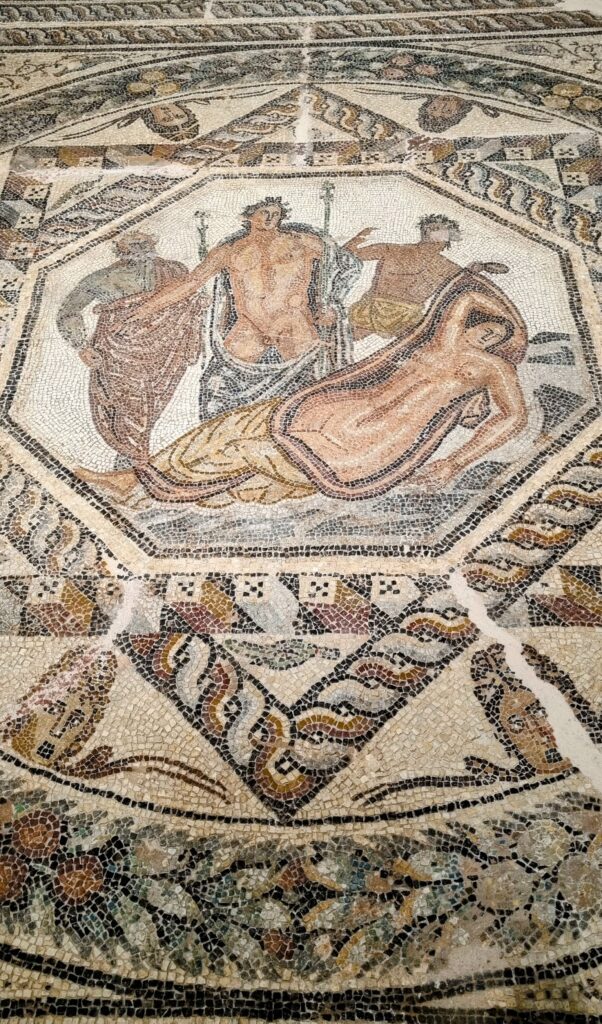
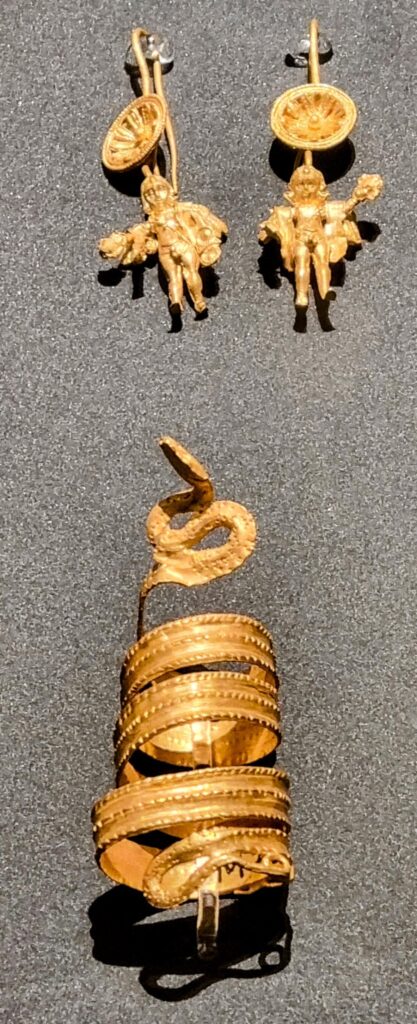
The exhibits are logically arranged, the most interesting ones are displayed and illuminated in an interesting way (I was delighted by the Minoan seal, jewellery, warriors’ graves and Roman mosaics), and clearly described. A leisurely stroll through all the rooms takes about 1.5 hours, and for those who are tired, there is a pleasant café with a terrace on the upper floor, offering an unobstructed, wonderful view of Chania and the Cretan Sea.

Posted on Leave a comment

Aptera – little explored, yet dazzling

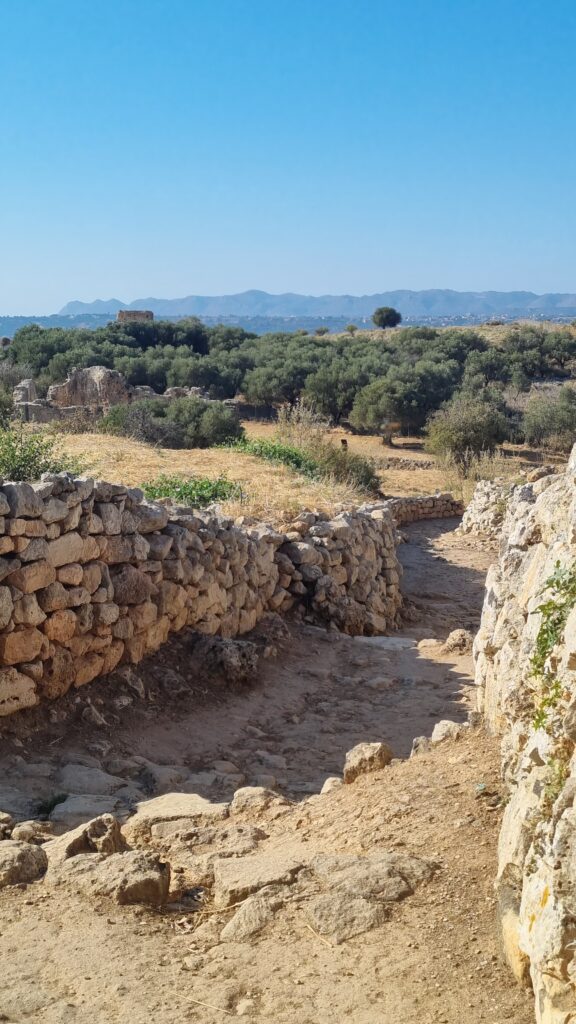
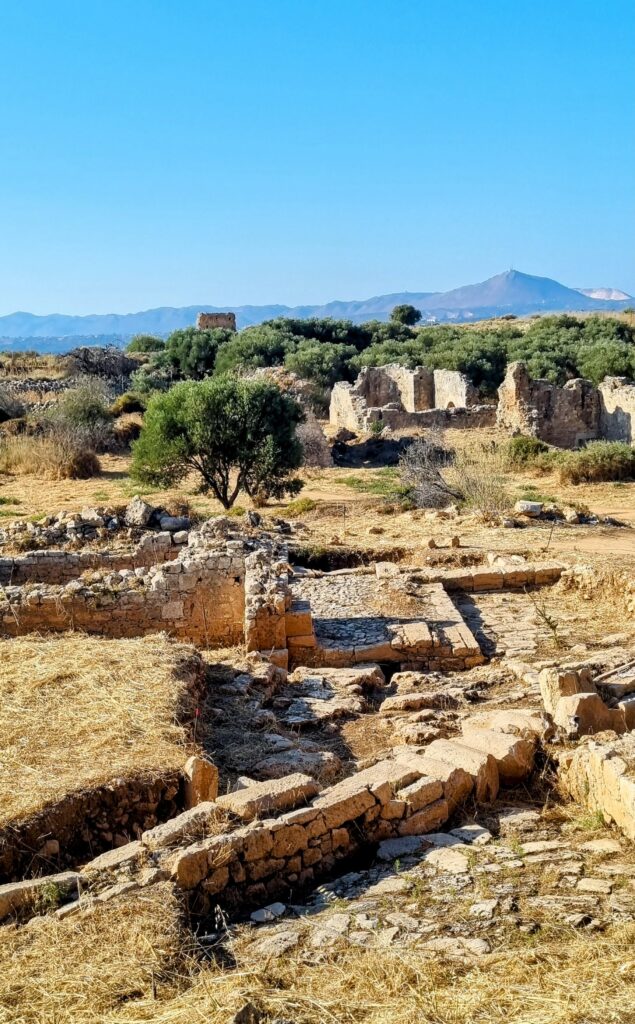
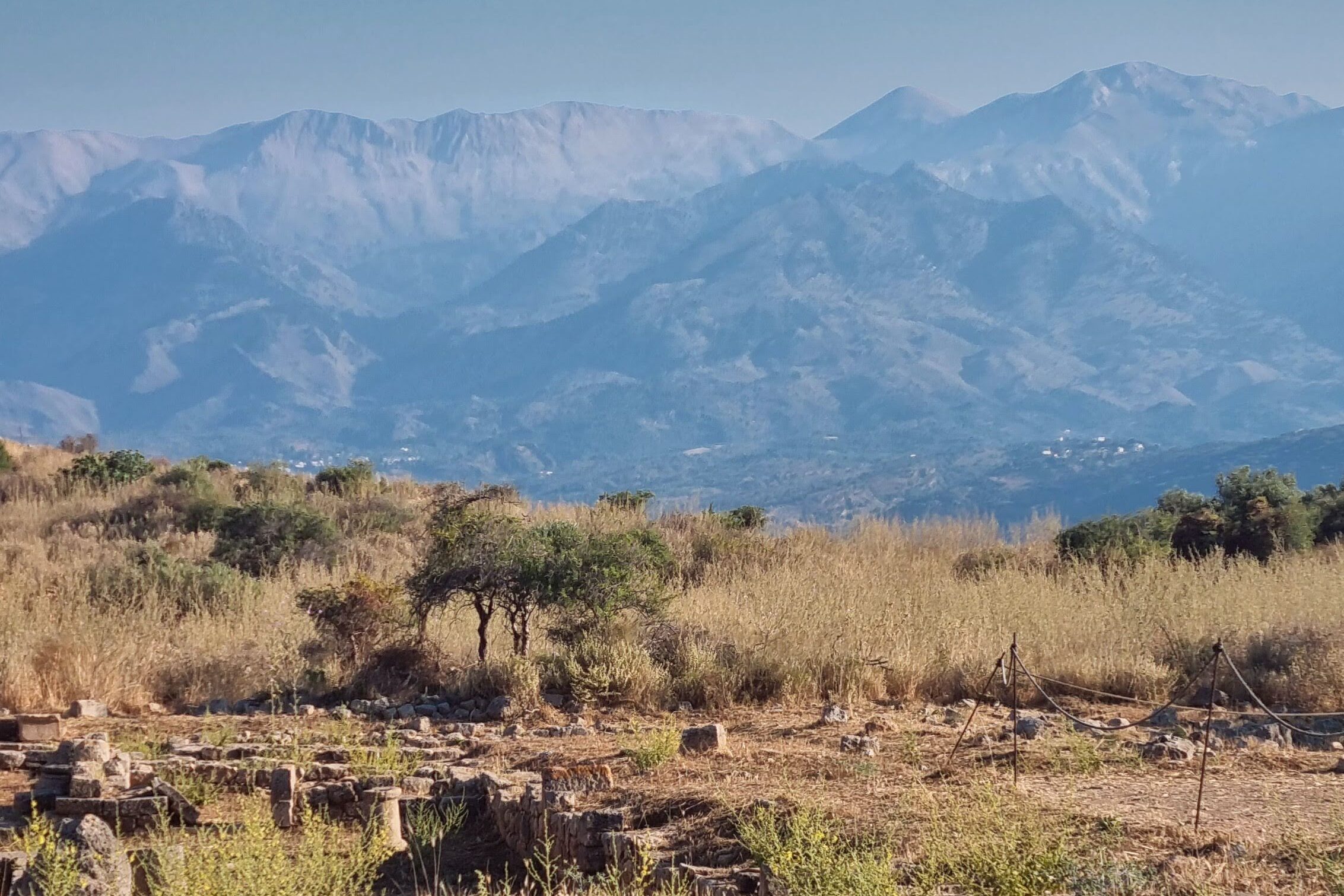
Ancient Aptera, a 30-minute drive east of Chania, stretches across a plateau near the hill of Paliokastro, which dominates the south-eastern part of Souda Bay. Recent archaeological research suggests that settlement in this area began in the 11th-12th century BC.

The 3,480-metre-long defensive wall surrounding the main settlement was built before the mid-4th century BC. The city enjoyed an era of prosperity during the Roman period, but after a terrible earthquake in the 7th century, it was so badly damaged that it was not until the 12th century that it became a significant urban centre again and played an important role until the Venetian period (16th and 17th centuries).

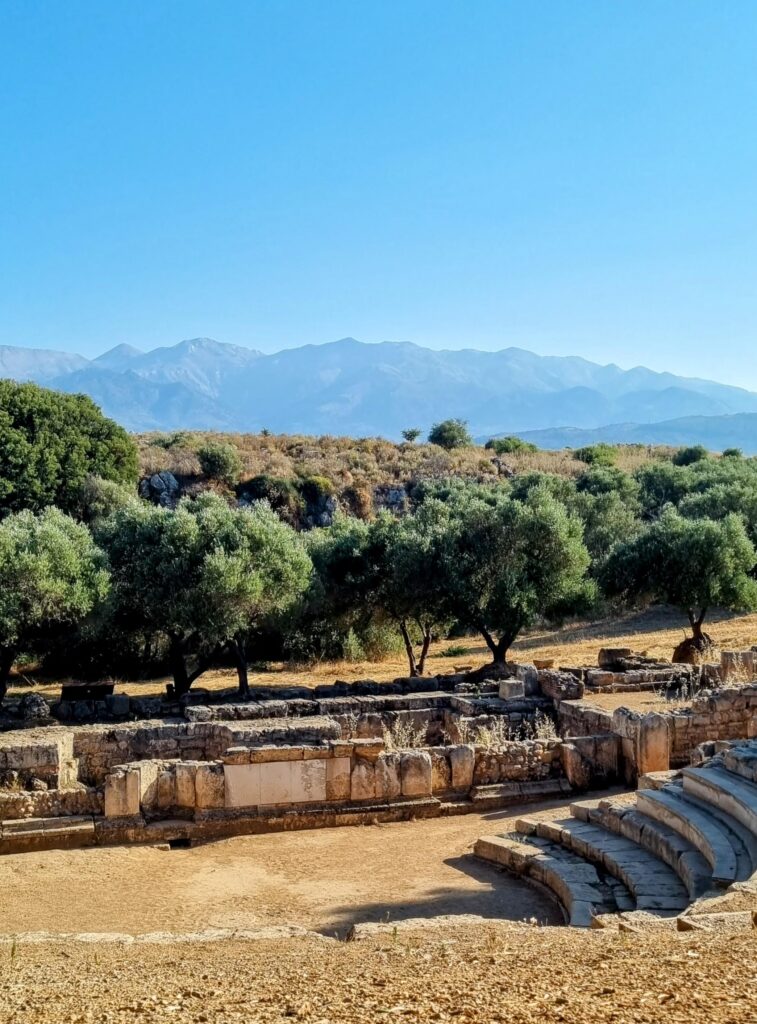
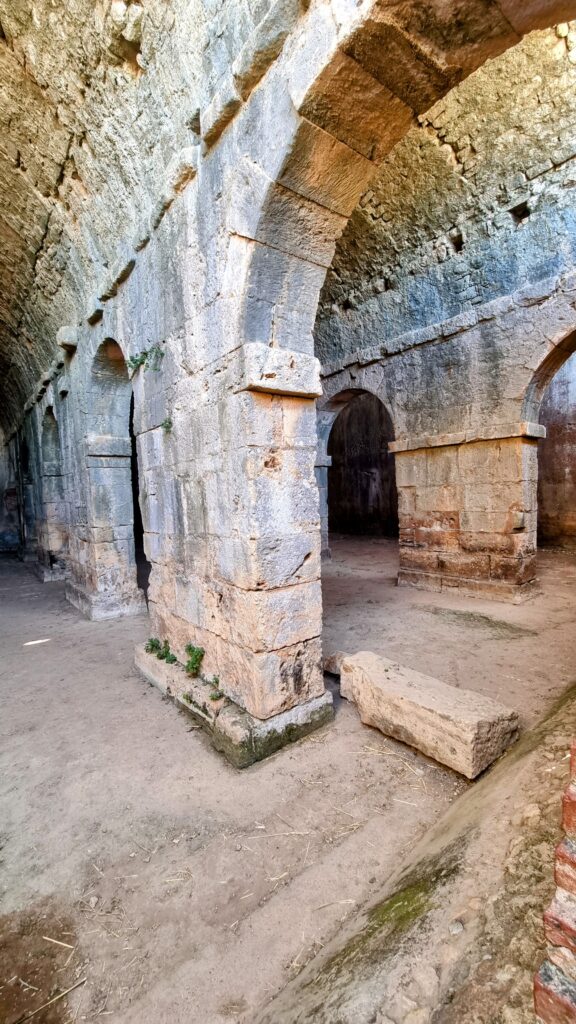
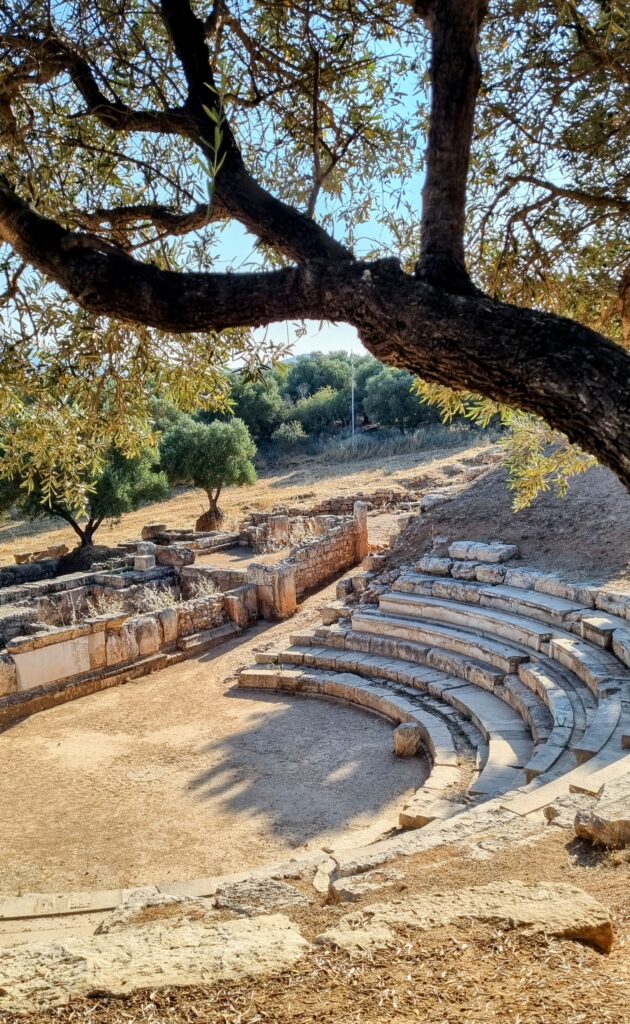
In today’s Aptera, visitors can admire the remains of ancient fortifications, three cemeteries from different periods, Roman cisterns and baths, as well as an ancient theatre, which has recently been partially restored, with comfortable steps leading to the stage, called skene.
I found Aptera charming, atmospheric and simply beautiful. Perhaps it was its beautiful location between the sea and the mountains, perhaps the vastness of the settlement, or perhaps the fact that there were so few other people there during my visit, but it made a greater impression on me than Knossos.

On the practical side, tickets cost €10 and there is convenient parking for visitors.

As the site is largely unsheltered, you should bring water, sunscreen and a hat.

You can also, and this is what I would suggest, visit this place during the golden hour, both for the temperature and the magnificent views.

Posted on Leave a comment

Rooms and spaces

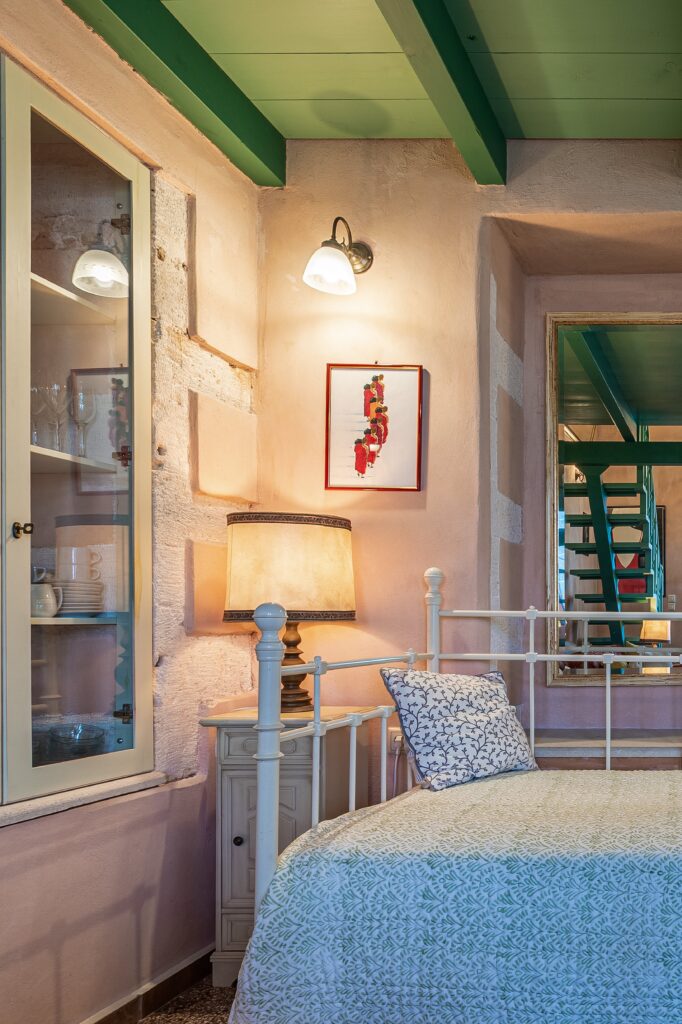
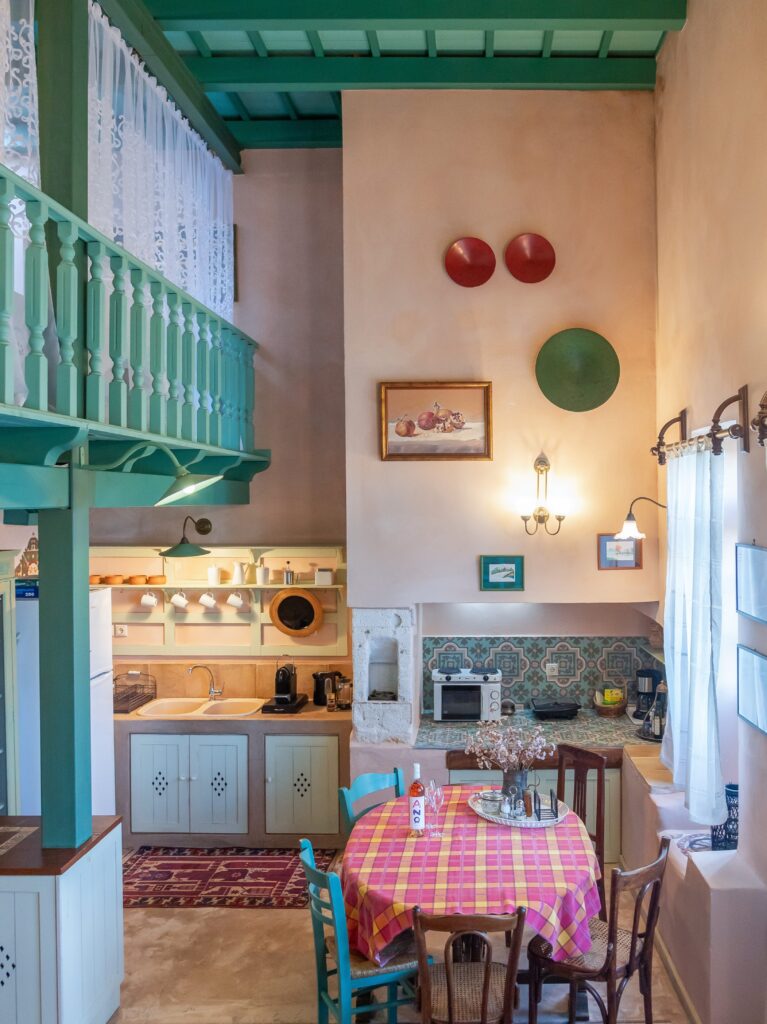
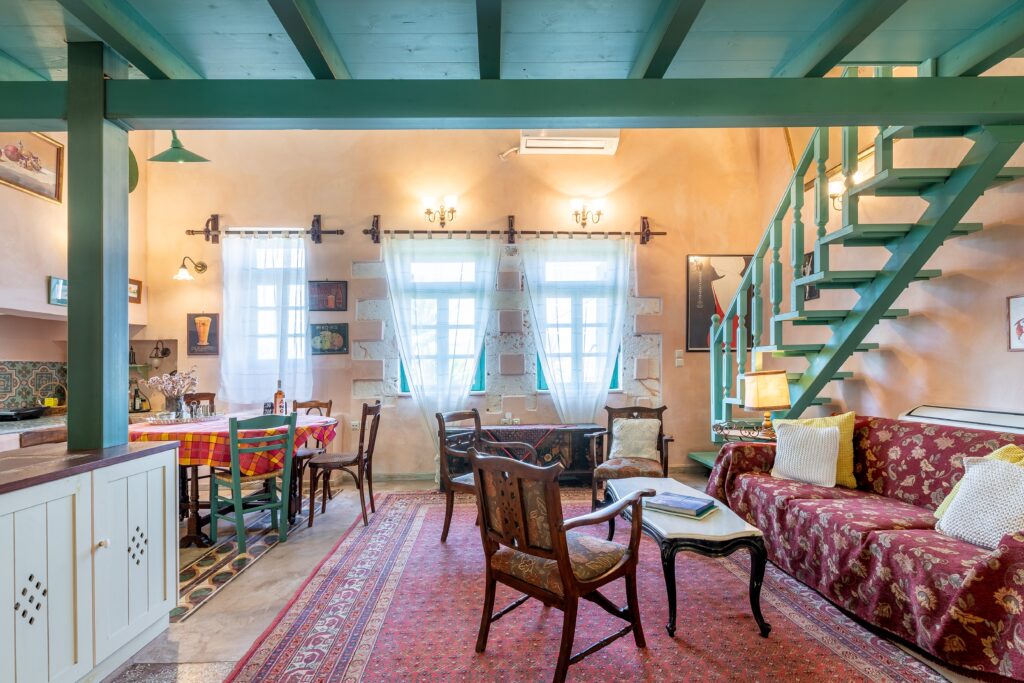
Our apartment, which is spacious and airy (ca.100 m2) can accommodate up to 6 guests. It has one private bedroom that sleeps two, a living room that sleeps two more and a mezzanine just above the living room for two more guests.

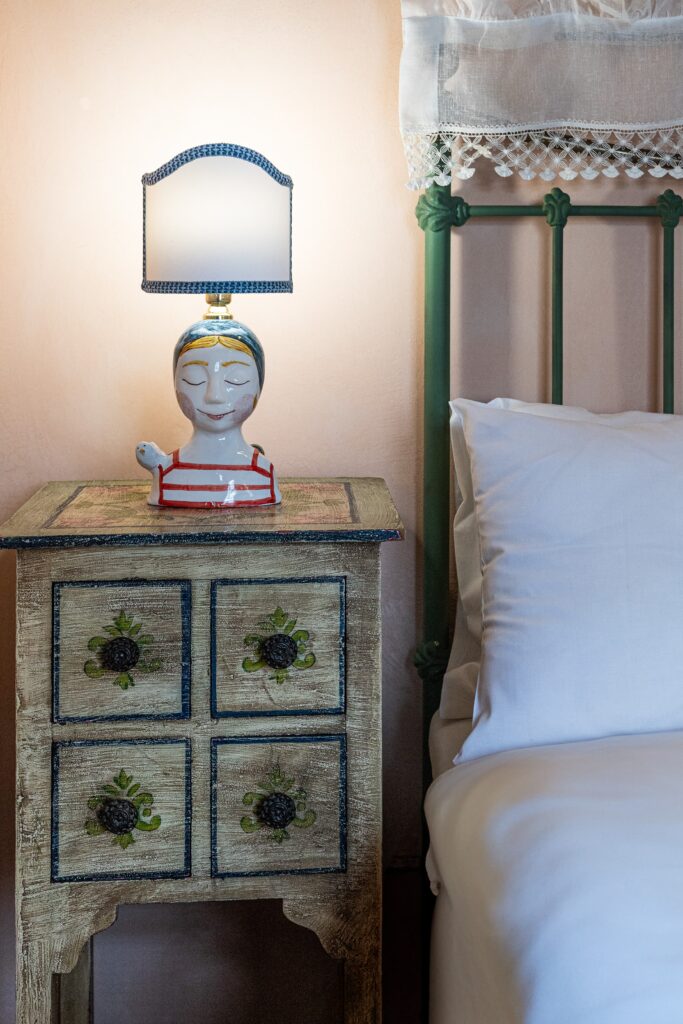
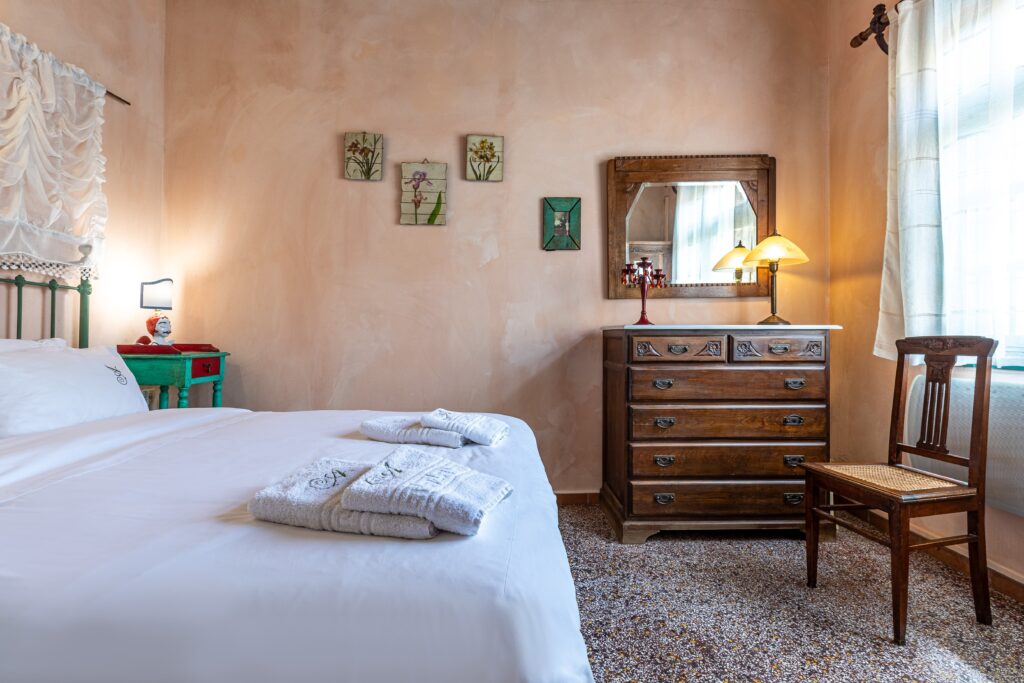
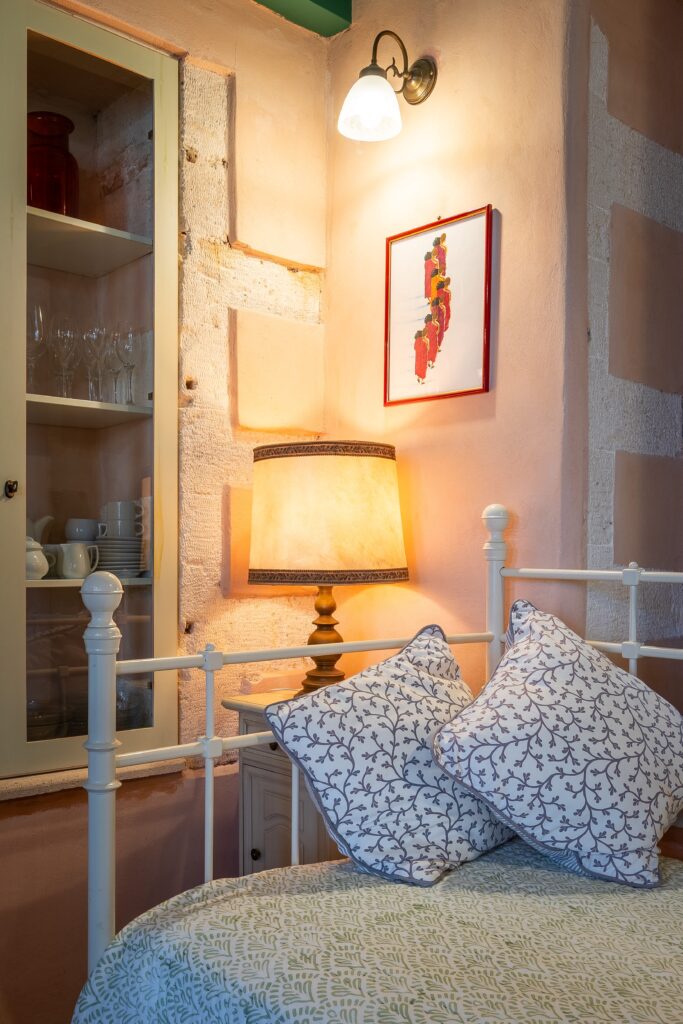
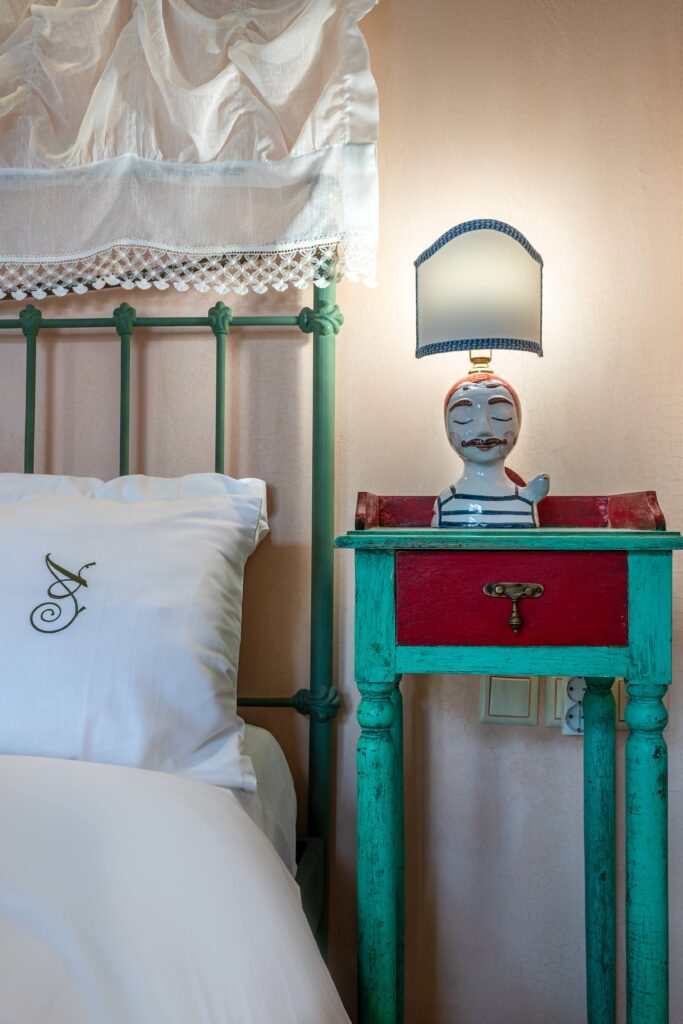
The private bedroom (after you enter and to the right) comes with a double bed (153 x 200 cm), a wardrobe, two bedside tables, and a chest of drawers. The window overlooks the front porch and the garden. There is an air conditioner and a ceiling fan, if you get hot in the summer, and a heater +air conditioner if you get cold.

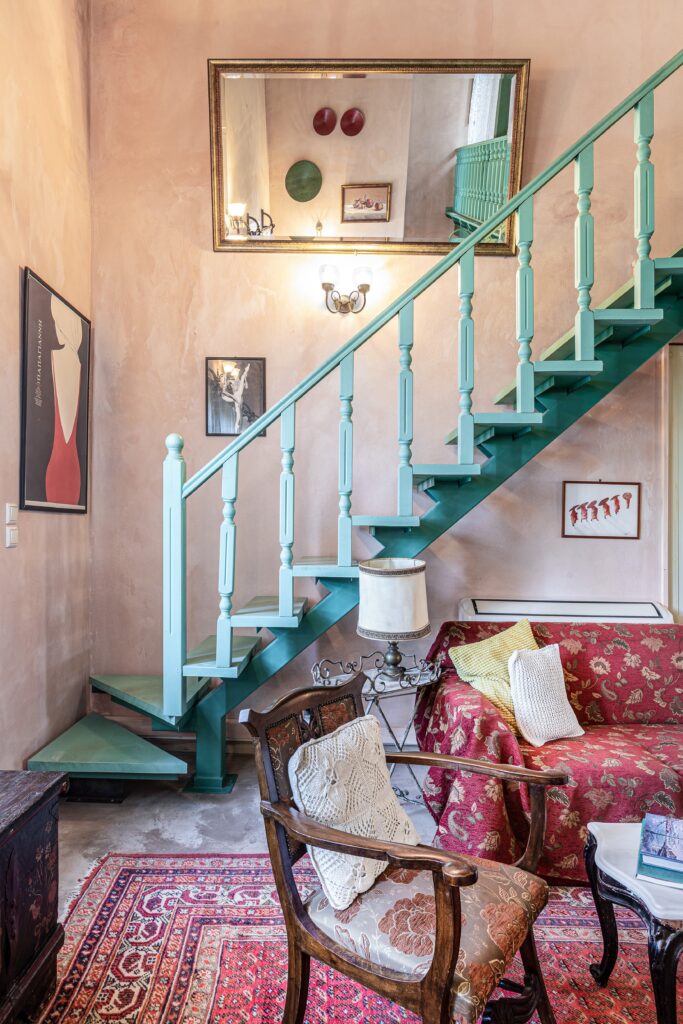
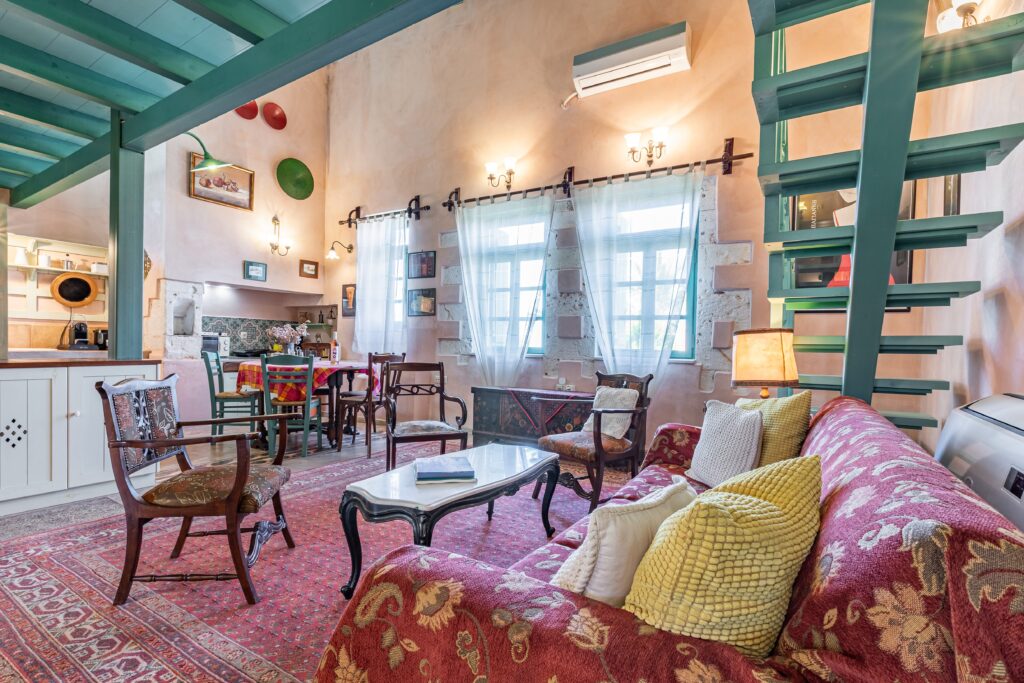
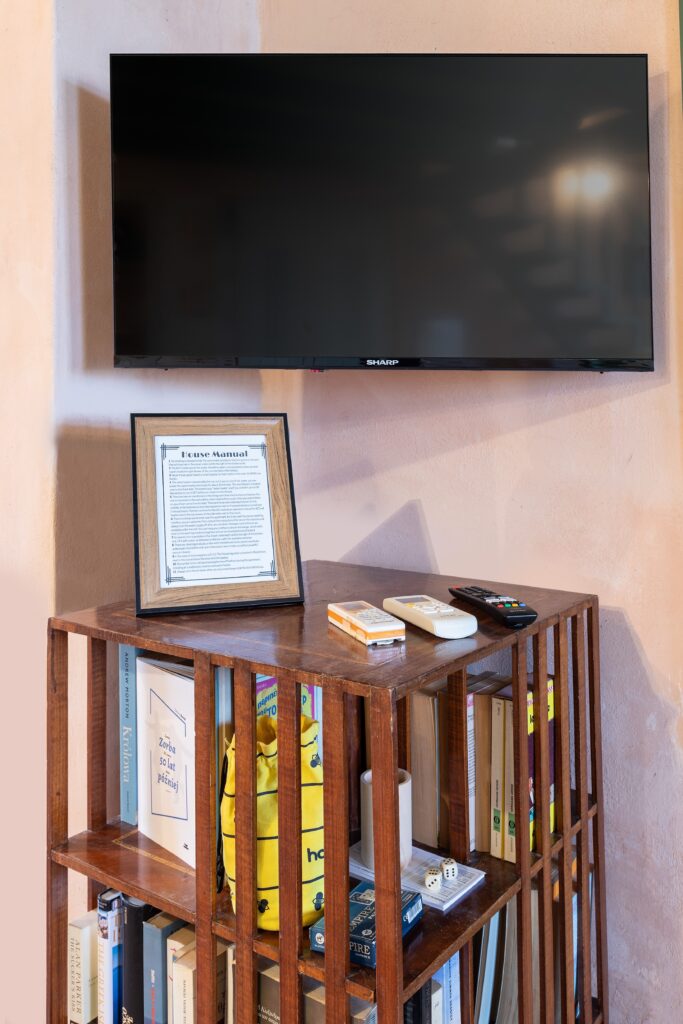
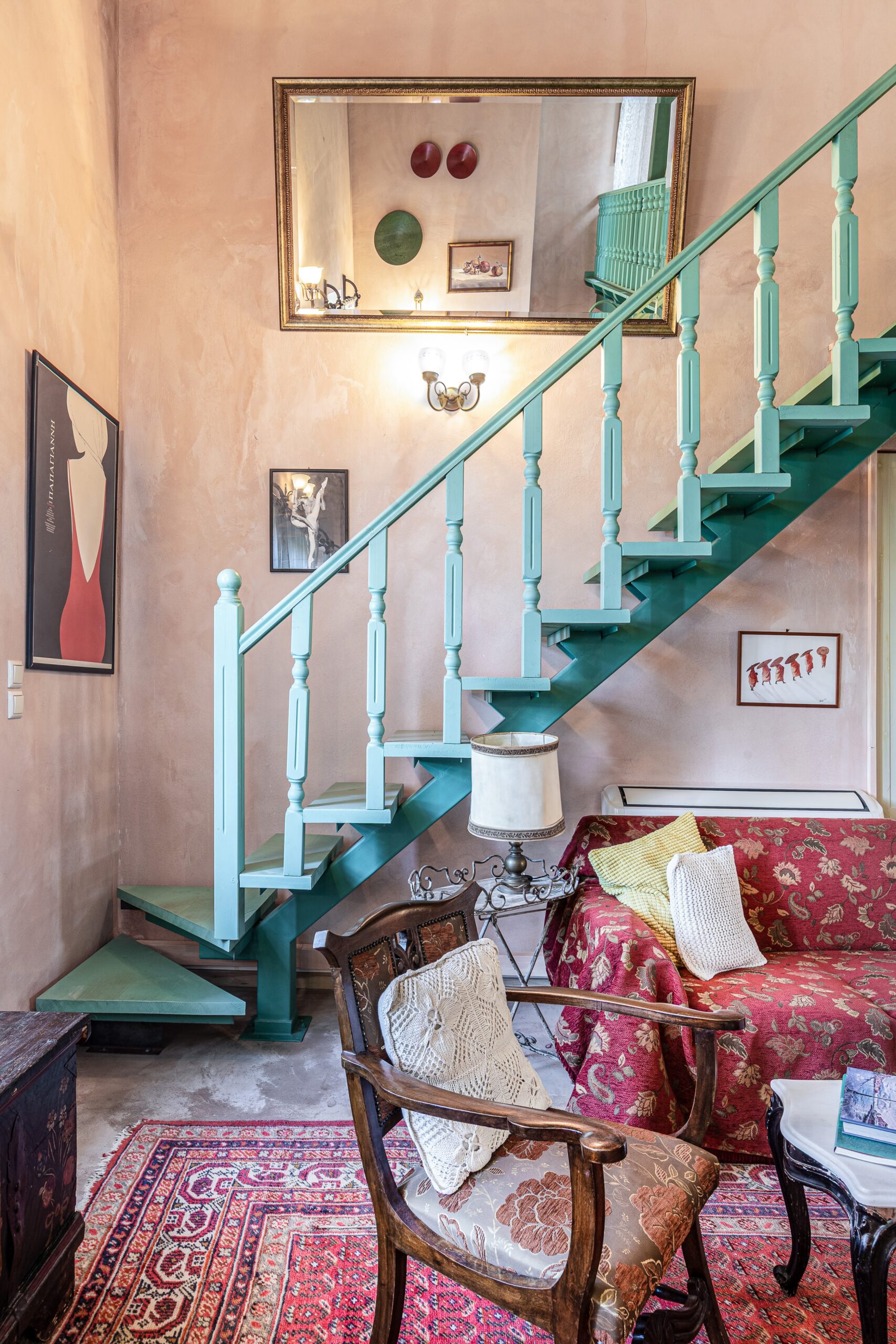
The living room area features a cosy sofa bed (90 x 200 cm) with a pullout bed (87 x 190 cm) tucked away underneath, a couch, armchairs, an old chest, an antique revolving bookcase, and a TV. The living room windows overlook a series of backyards with lush greenery, beyond which you can see the sea. The living room is equipped with two air conditioners that also function as heaters, plus a ceiling fan.

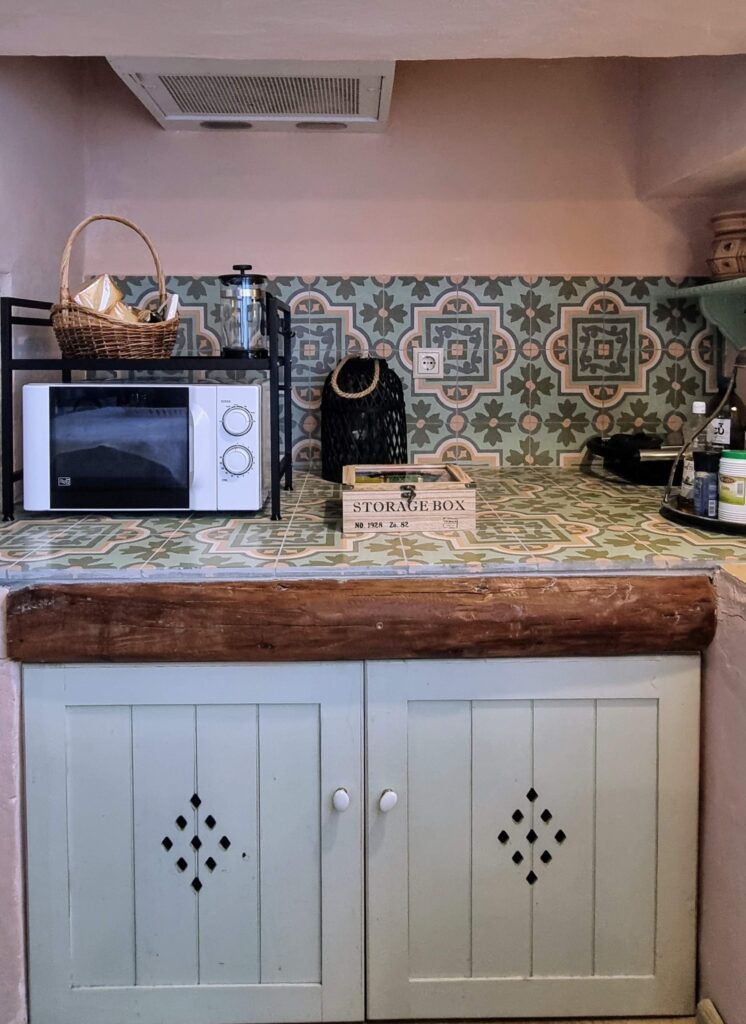
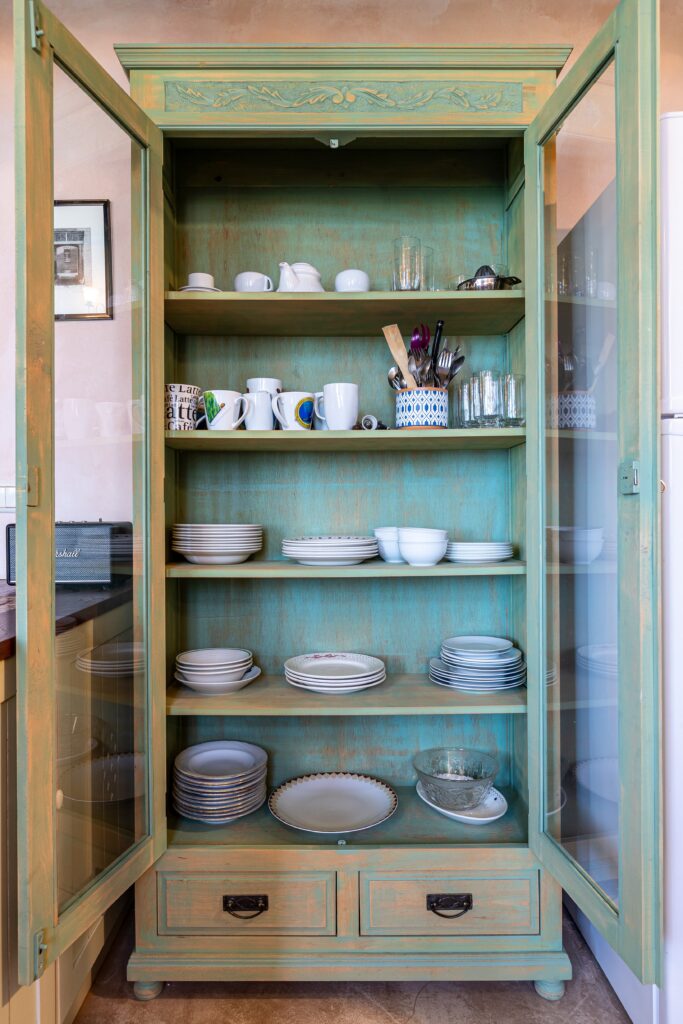
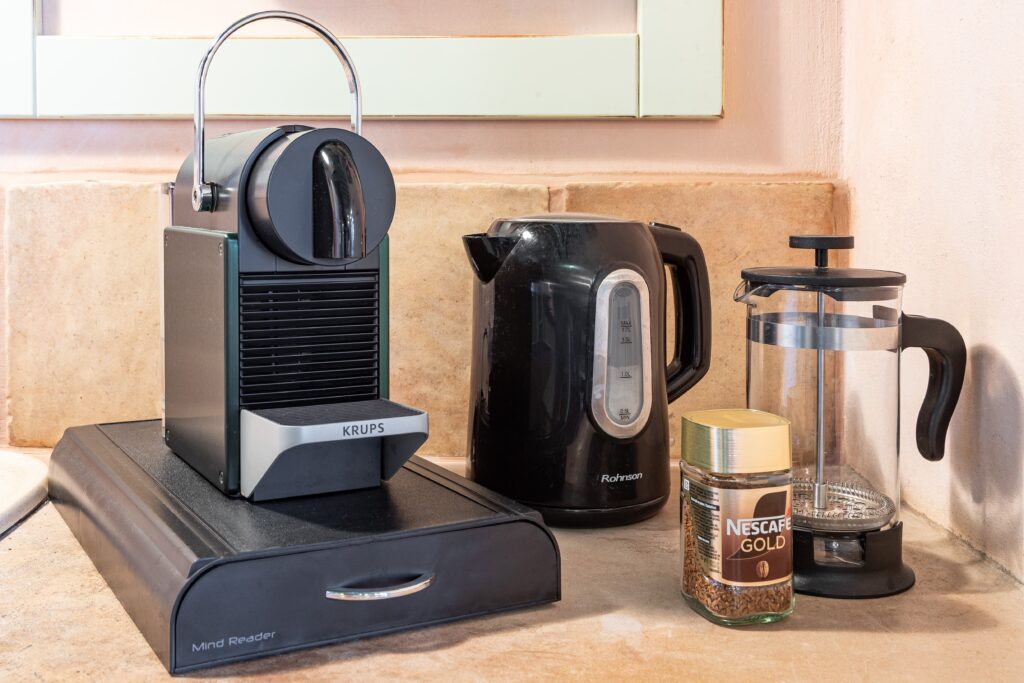
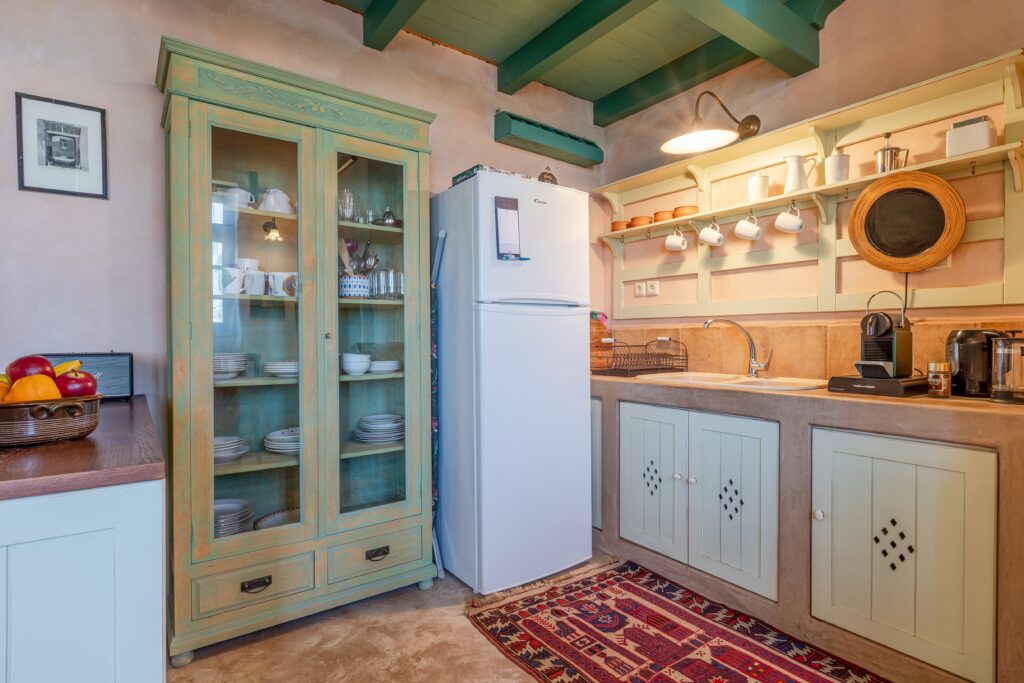
The kitchen is in the same space. It features a dining table with chairs that you can also use as a workspace, a glass cabinet with everything you may need (plates, cups etc), a big fridge, coffee maker, kettle, two hotplates, and a microwave.

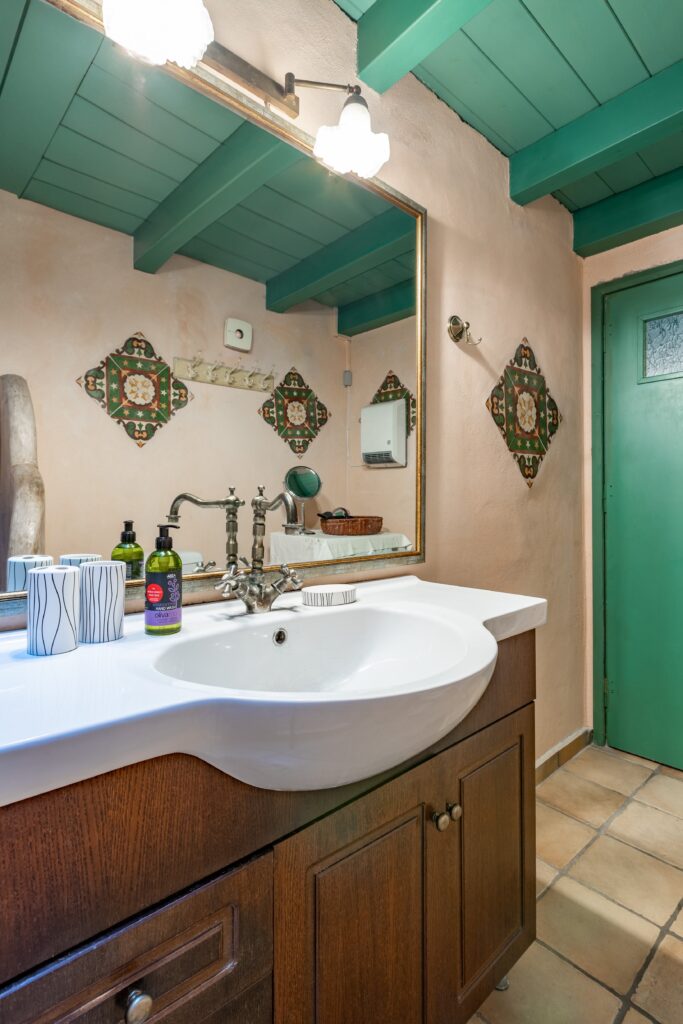
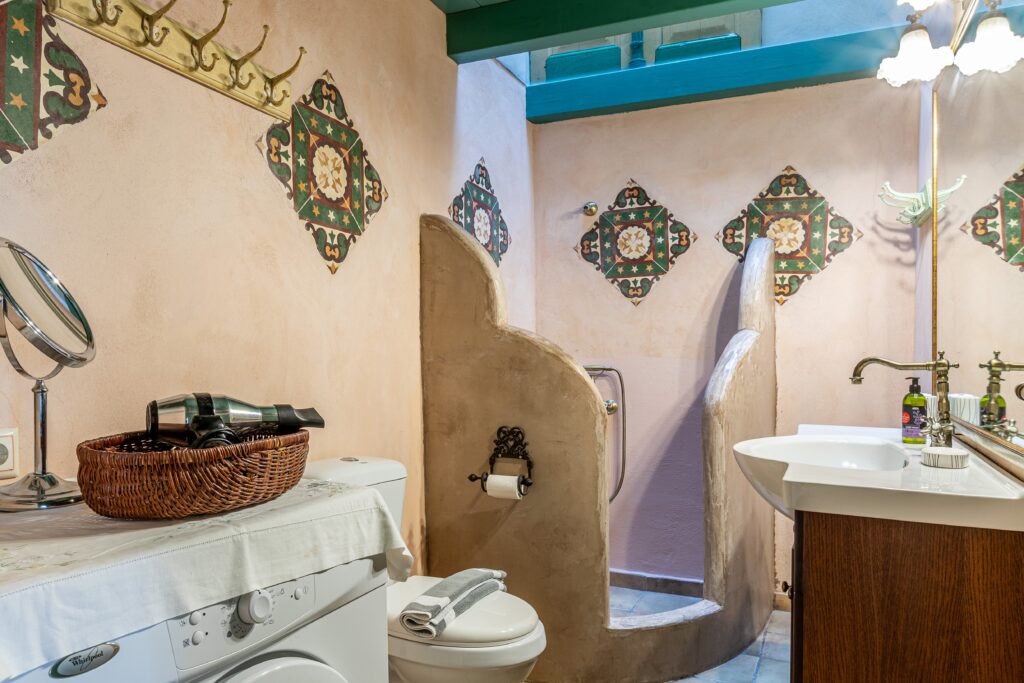
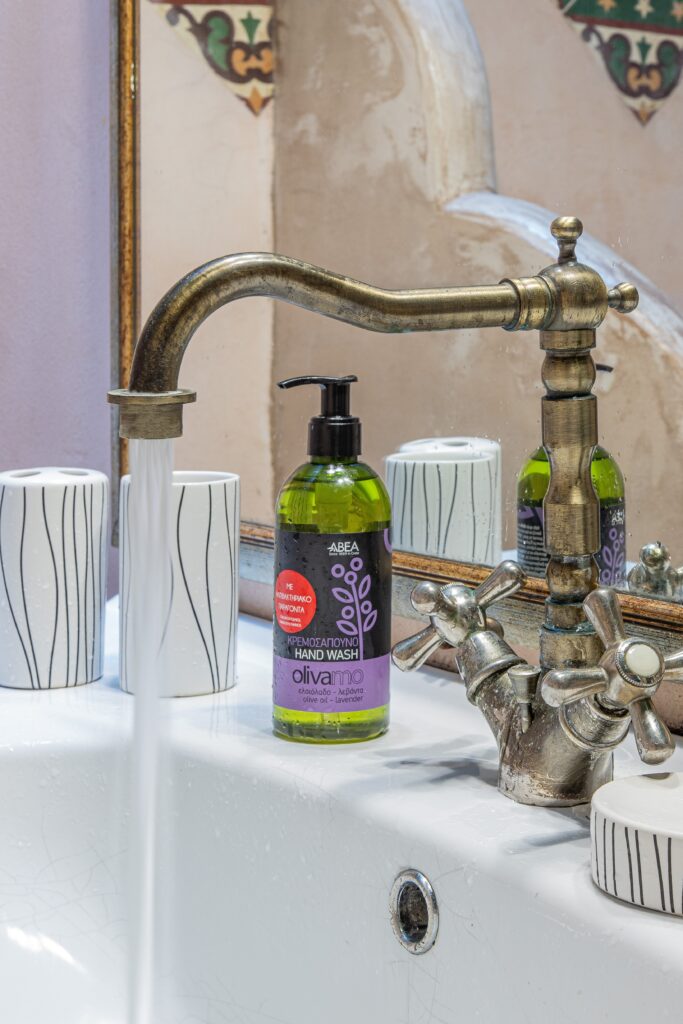
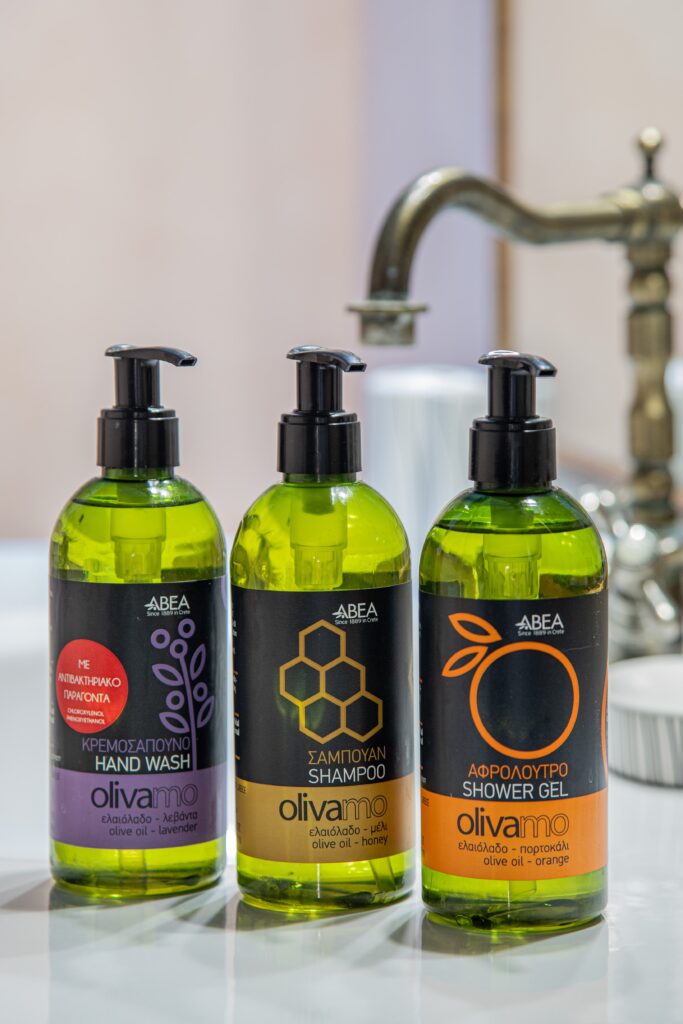
The bathroom, right next to the kitchen, features a toilet, a sink and a shower with a glass ceiling, which allows the bathroom to be lit naturally during the day by a skylight on the roof. We hope that you will enjoy natural cosmetics of ABEA – the oldest olive oil company established in Chania. There is also a washing machine, which you are welcome to use. A clothes hanger rests next to the washing machine. Iron board and electric iron are also available.

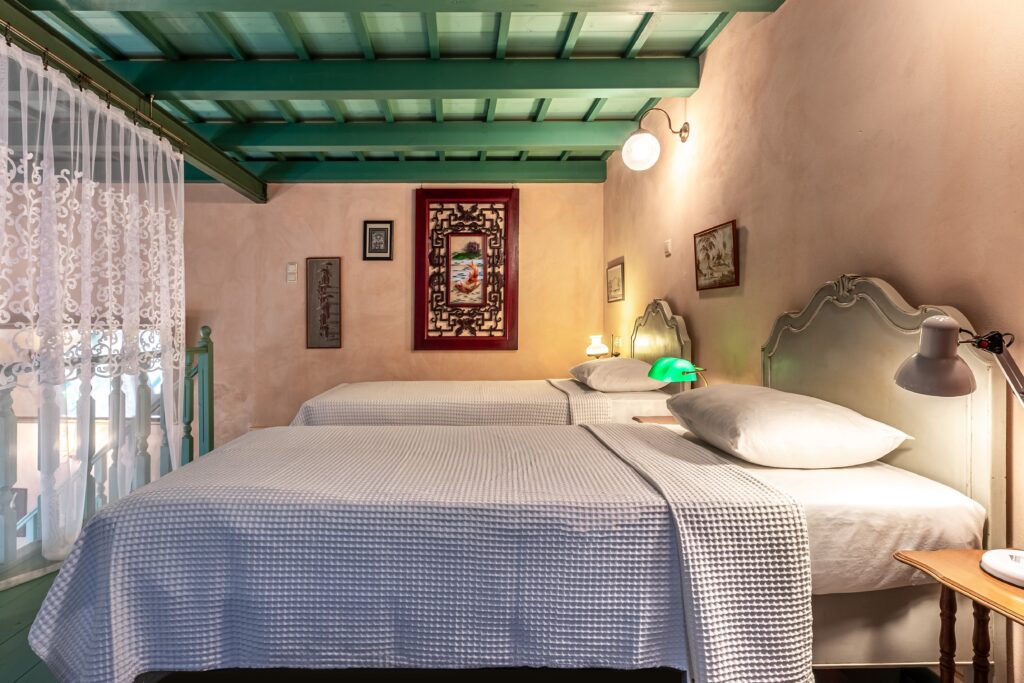
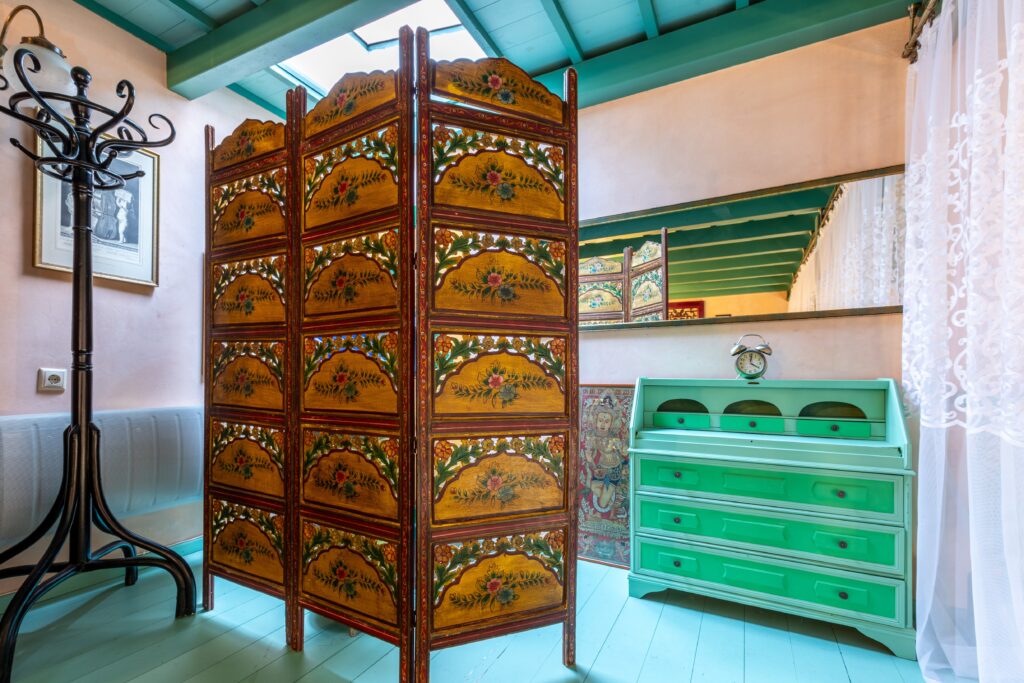
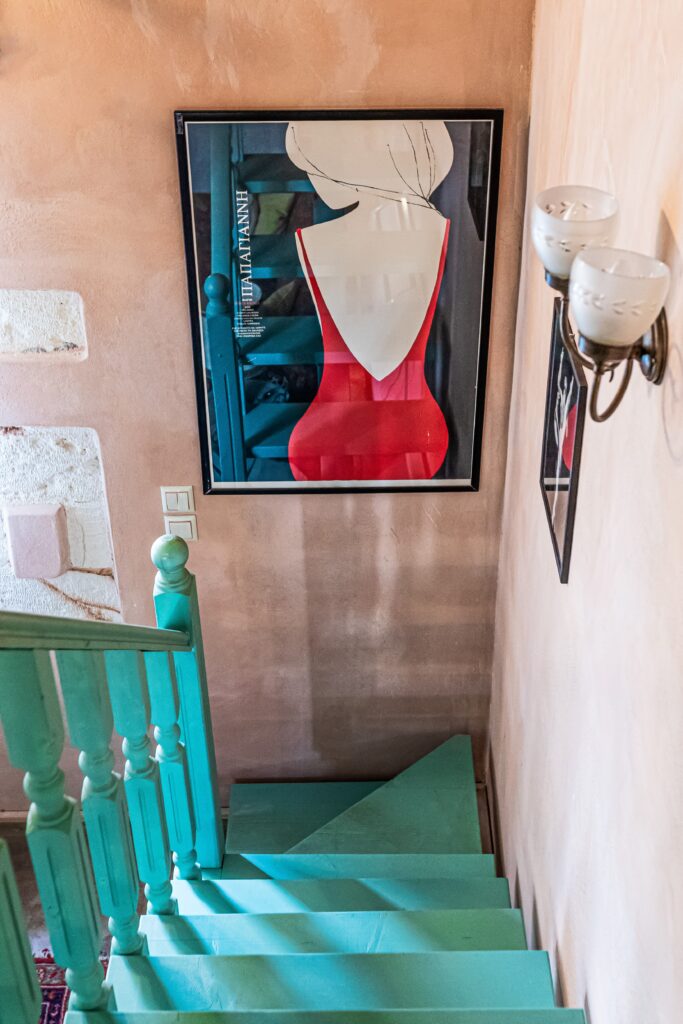
On the mezzanine, accessible via a staircase, there are two more single beds with bedside tables, a wardrobe, a chest of drawers, an extra table with a chair that you can use as a workspace, a chest, and an antique folding screen, which hides the bathroom’s glass ceiling.

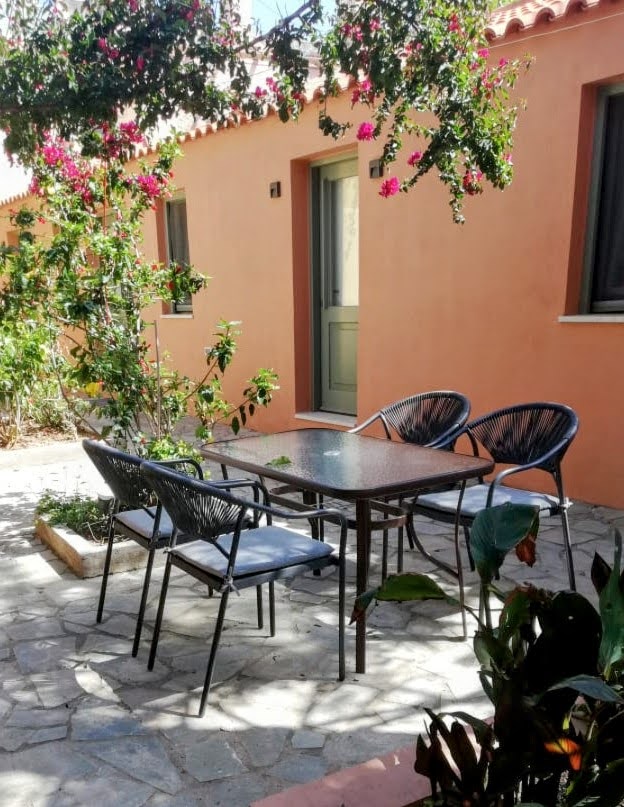
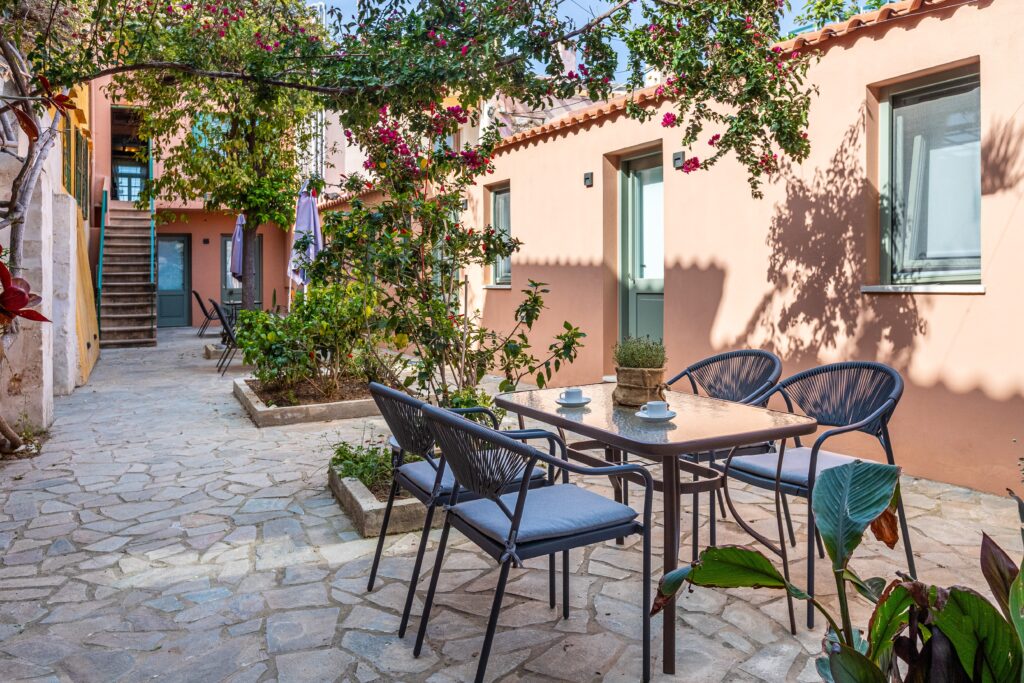
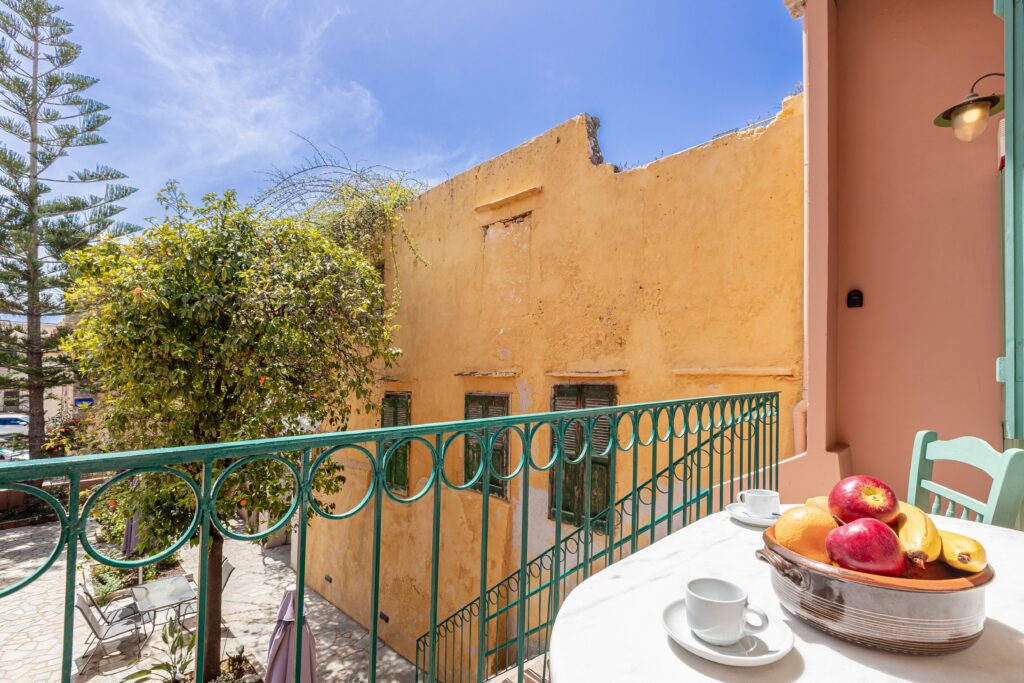
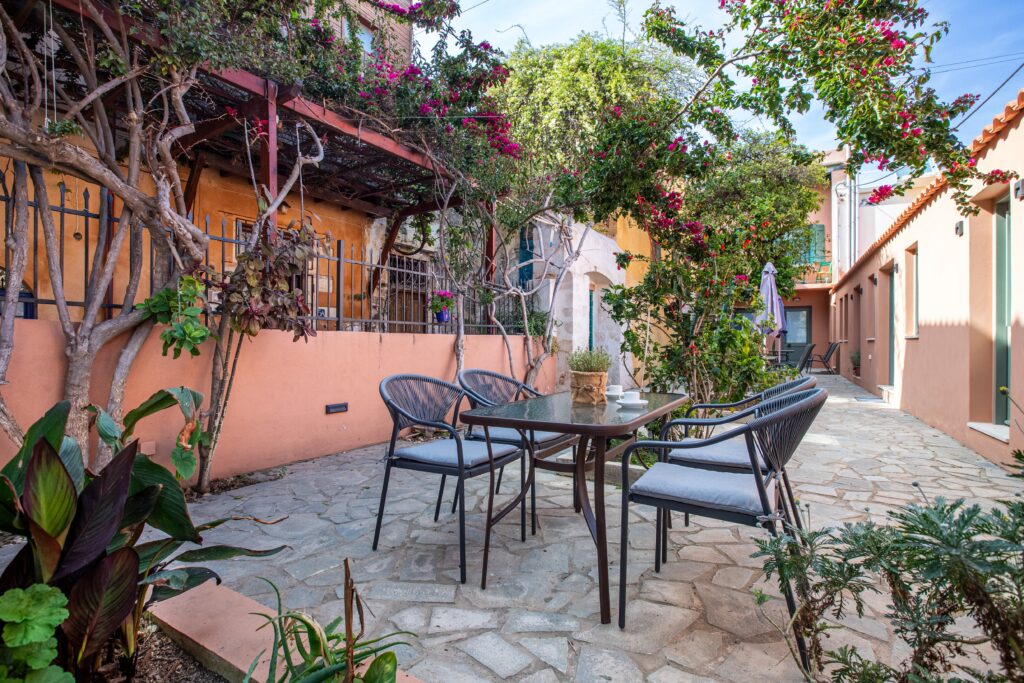
The apartments also have a charming balcony with a table and two chairs. From this balcony, you can admire a bitter orange tree and the stylish, flower-filled inner courtyard.In the courtyard, near the entrance gate, there is a table with chairs for four people. Above it, a magnificent araucaria tree spreads its crown.

The apartment is self-catering. Towels, sheets, pillows, blankets, and duvets will be at your disposal and if you are staying for more than five days you will be provided with an extra pair of towels and sheets. The water heater is solar-powered, but if you run out of hot water you can always power the heater electrically.

Posted on Leave a comment

Our apartment – history, style and location

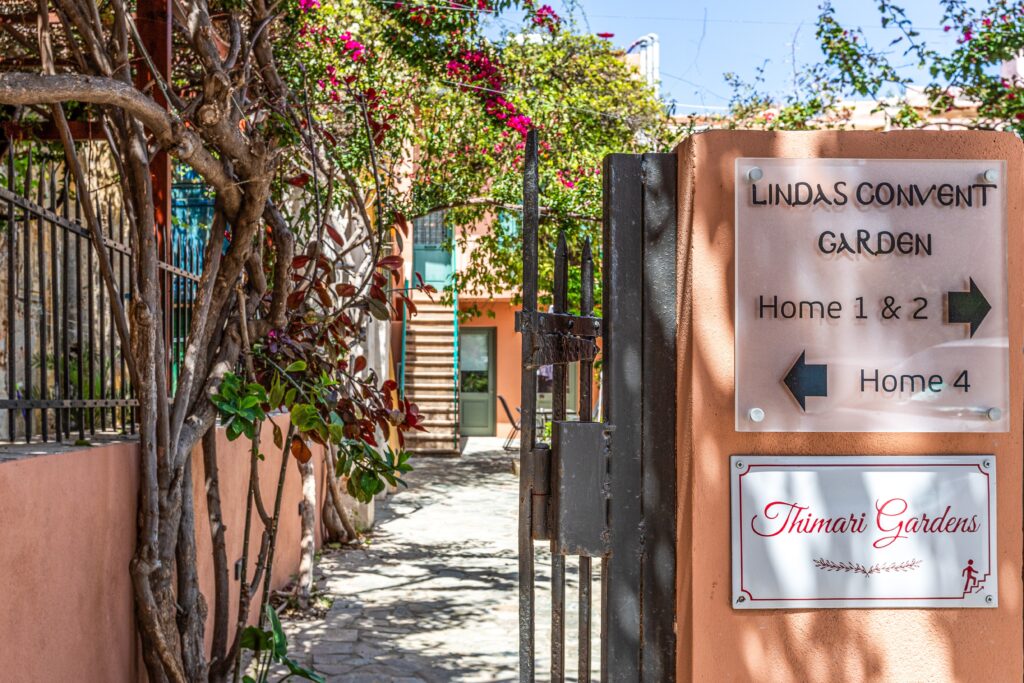
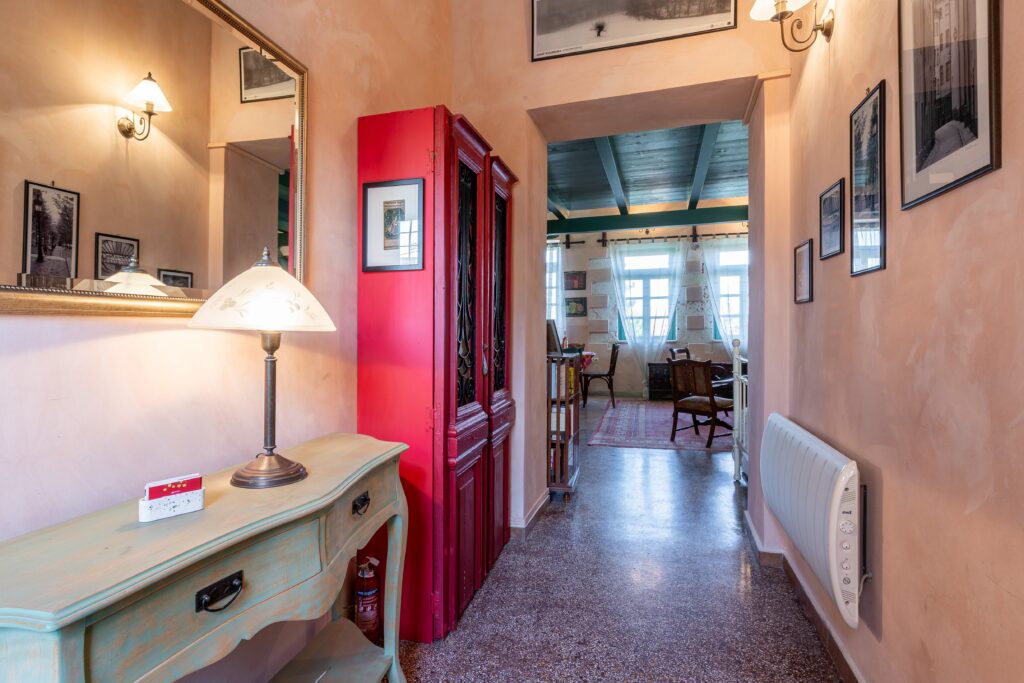
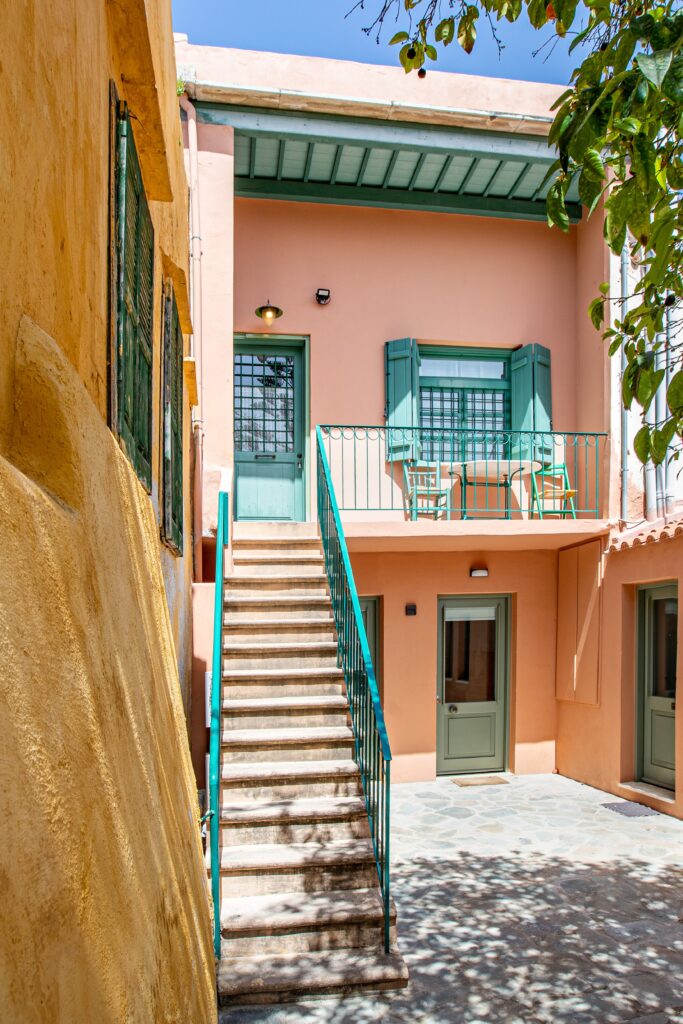
Thimari Gardens is more than yet another Airbnb place. A century old house was built on ruins of Dominican Convent dated back to 1320 A.D. 100 sqm house with a mezzanine, gives a lot of space, while green spaces we have on both sides keep temperatures moderate. What is really unusual for old towns, it remains calm, without street noises.

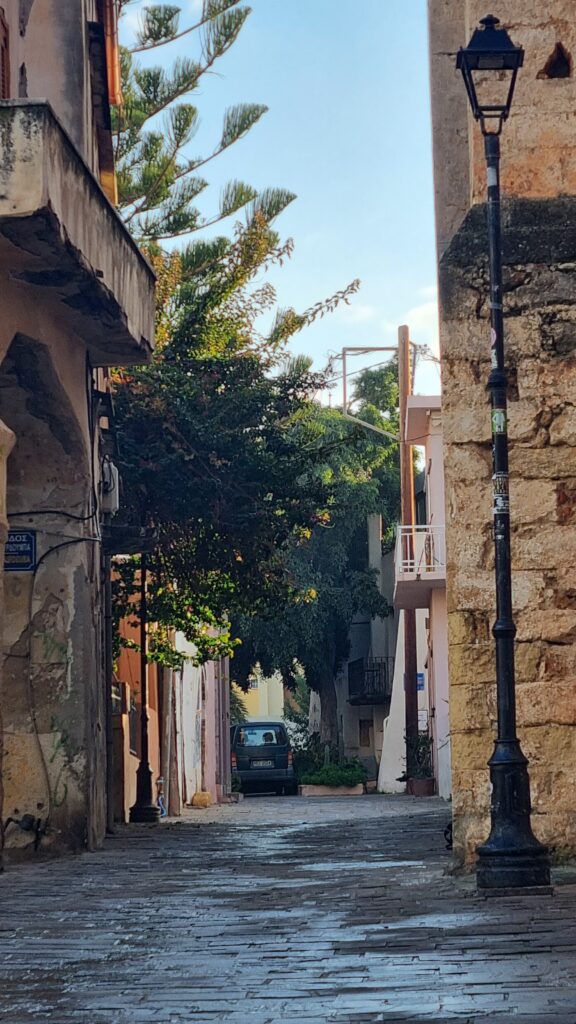
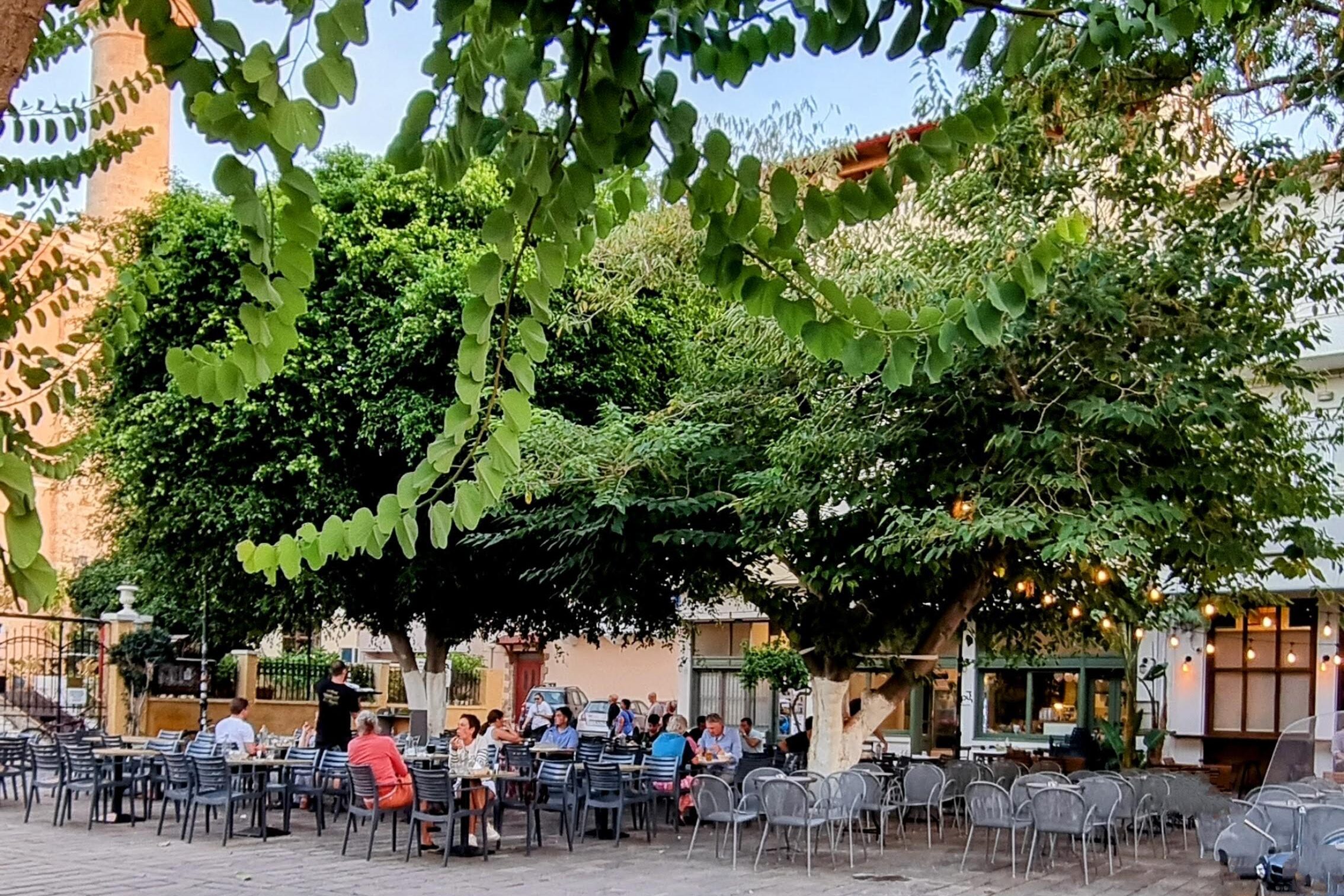
You will find the apartment in the historic Turkish quarter of Splantzia, next to the Dominican temple of St. Nicholas and Splantzia Square (aka ‘Plateia 1821’).

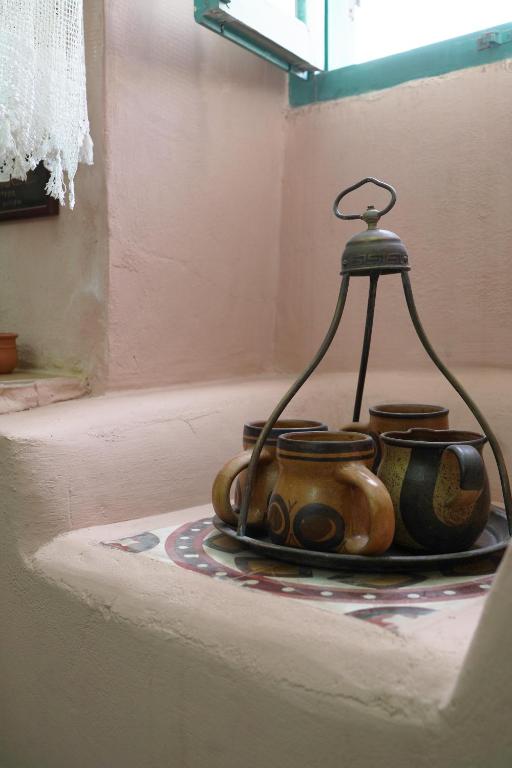
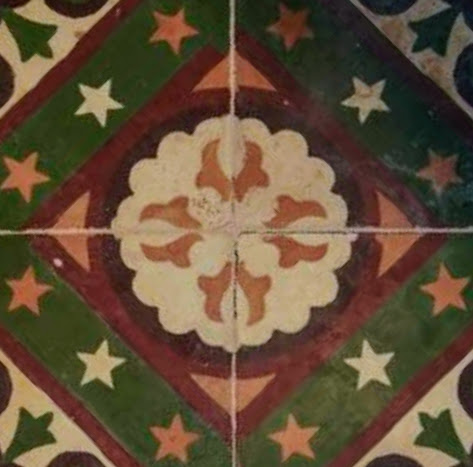
Our apartment  once constituted part of the closter built during Venetian rule and assumed its present form, more or less, during the 1930s. In 2007 it went through a major renovation and it was made sure that as many aspects as possible of the 1930s structure were preserved. The mosaic floors were kept where possible and all the kitchen floor tiles that remained intact got used as decoration on the bathroom and kitchen walls. In the living room, you can see some of the stones the walls are made of and ‘Stucco Veneziano’ throughout the house, giving it the texture you see on many buildings of the Old Town.

Special attention and respect were paid to details and the rustic character resembling that of the old town. Lovers of antiques and all things vintage will appreciate its character and will find it welcoming and easy to inhabit, especially after a busy day out in town.