Posted on Leave a comment

The olive tree, its fruit, oil and wood

The olive tree, which we know and see today in many Mediterranean countries, has an extremely long history, growing alongside us and satisfying our needs with its wood, fruit and oil. For example, we know that as early as 100,000 years ago in Africa, its wood was certainly used as fuel, and people at that time may also have consumed olives. We also have evidence that it was cultivated in the Mediterranean basin as early as 7,000 years ago. In Crete, its importance as one of the basic crops (along with cereals and vines) reached a very high level in 3000 BC, and many scientists believe that its commercial cultivation and trade were the source of the wealth of the Minoan civilisation. At that time, however, olive oil was mainly used for lamps (including sacred ones), for skin and hair care, and for anointing. Since then, the olive tree and its fruit have held an unshakeable position as the main crop in the Mediterranean region, whether in Spain, Italy or Greece.
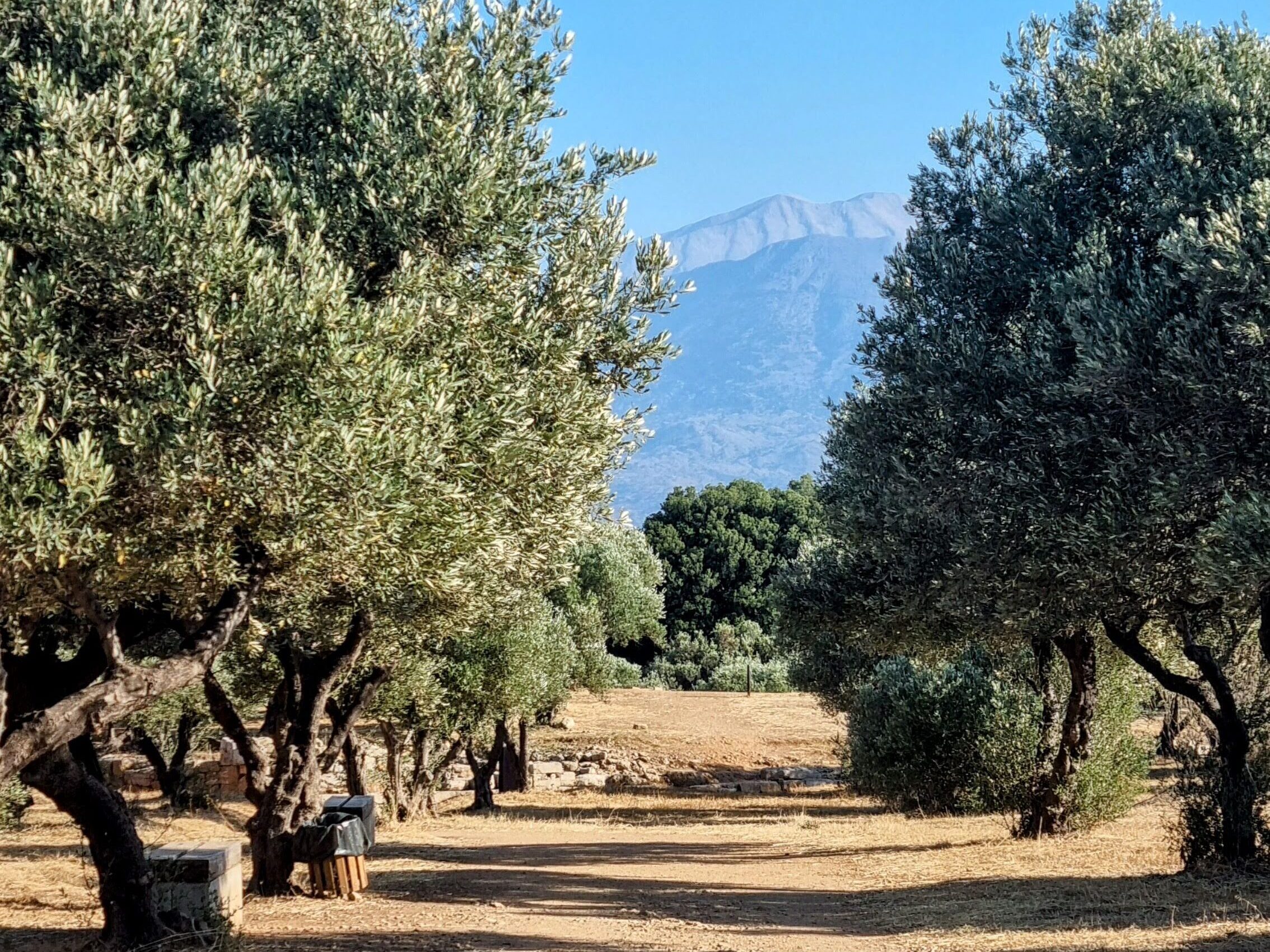
The name of the olive tree (Latin: Olea Europea) most likely derives from the Proto-Greek language, and its first written form appeared in the Mycenaean syllabic script Linear B (2200-1900 BC).

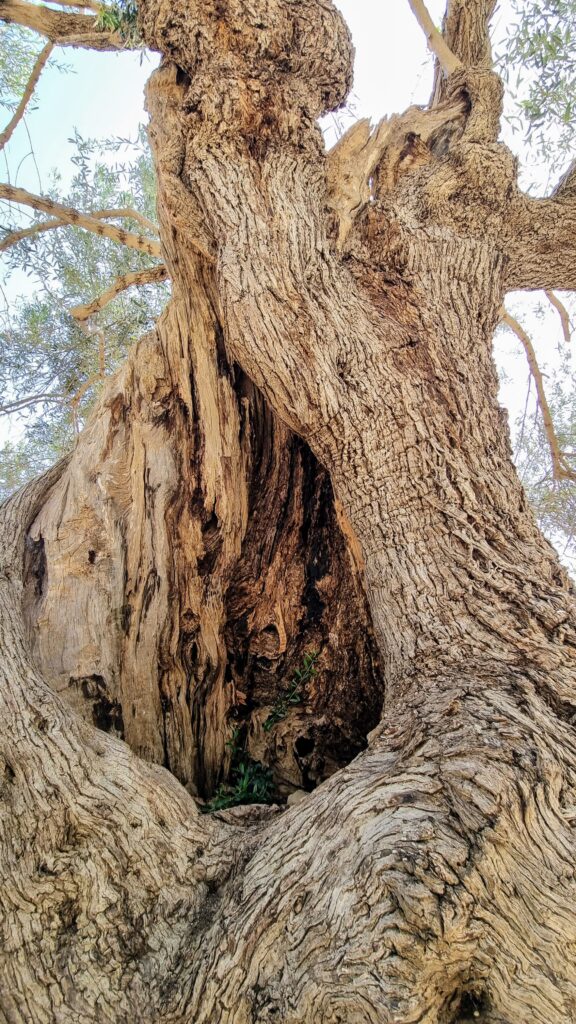
The olive tree has always been a symbol of wisdom, peace, strength, fertility and purity. This is not surprising, as the tree itself is quite remarkable. To thrive, it simply needs sunshine, a little water and well-drained soil. This is enough to keep it alive for hundreds, sometimes thousands, of years. In Crete, in the village of Vouves, 30 kilometres from Chania, you can see the famous olive tree, estimated to be between 2,000 and 4,000 years old. If you decide to visit this national monument, don’t miss the interesting Olive Tree Museum nearby.
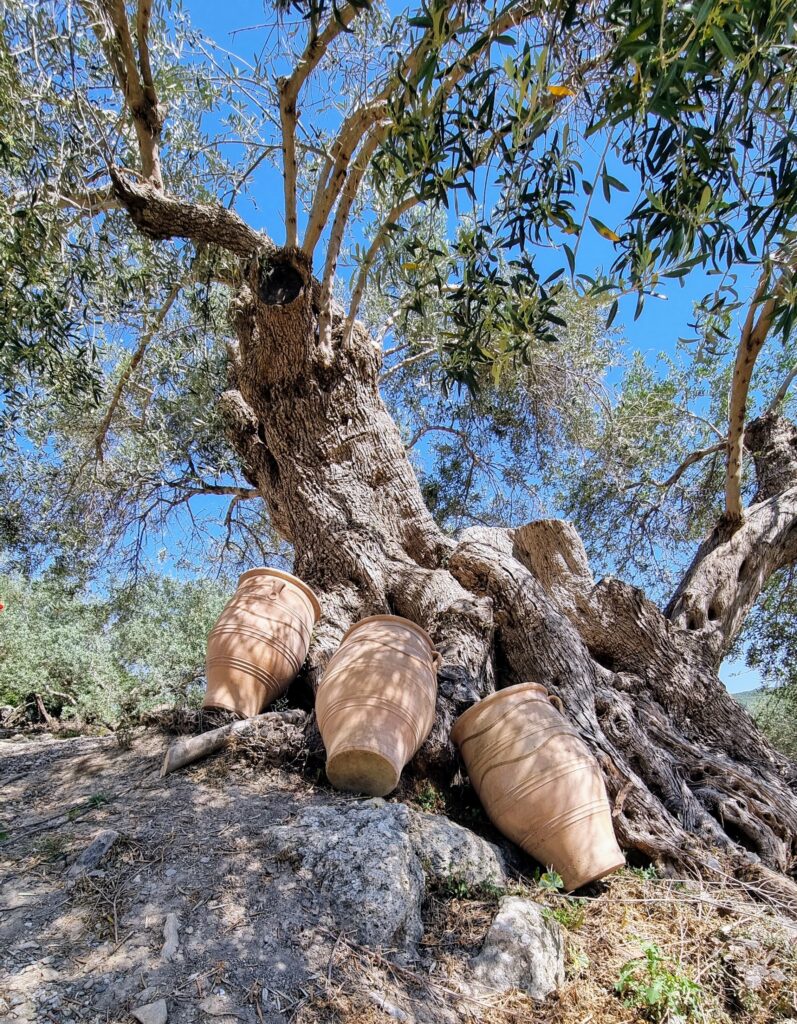
Today, Greece remains one of the leading producers of olive oil. Crete alone has about 30 million trees, and annual olive oil production reaches 120,000 metric tonnes, 80% of which is extra virgin olive oil. Although Greece ranks third as a European olive oil producer (after Spain and Italy), it proudly leads the world in olive oil consumption, with 24 litres per capita per year! This is not surprising, as its quality is the highest. The fresher the olive oil, the better. In Crete, olive oil production takes place immediately after the autumn harvest (October-November), the olives are crushed whole, and the greenish, intensely fragrant liquid fills bottles and cans. It is available for sale from December.
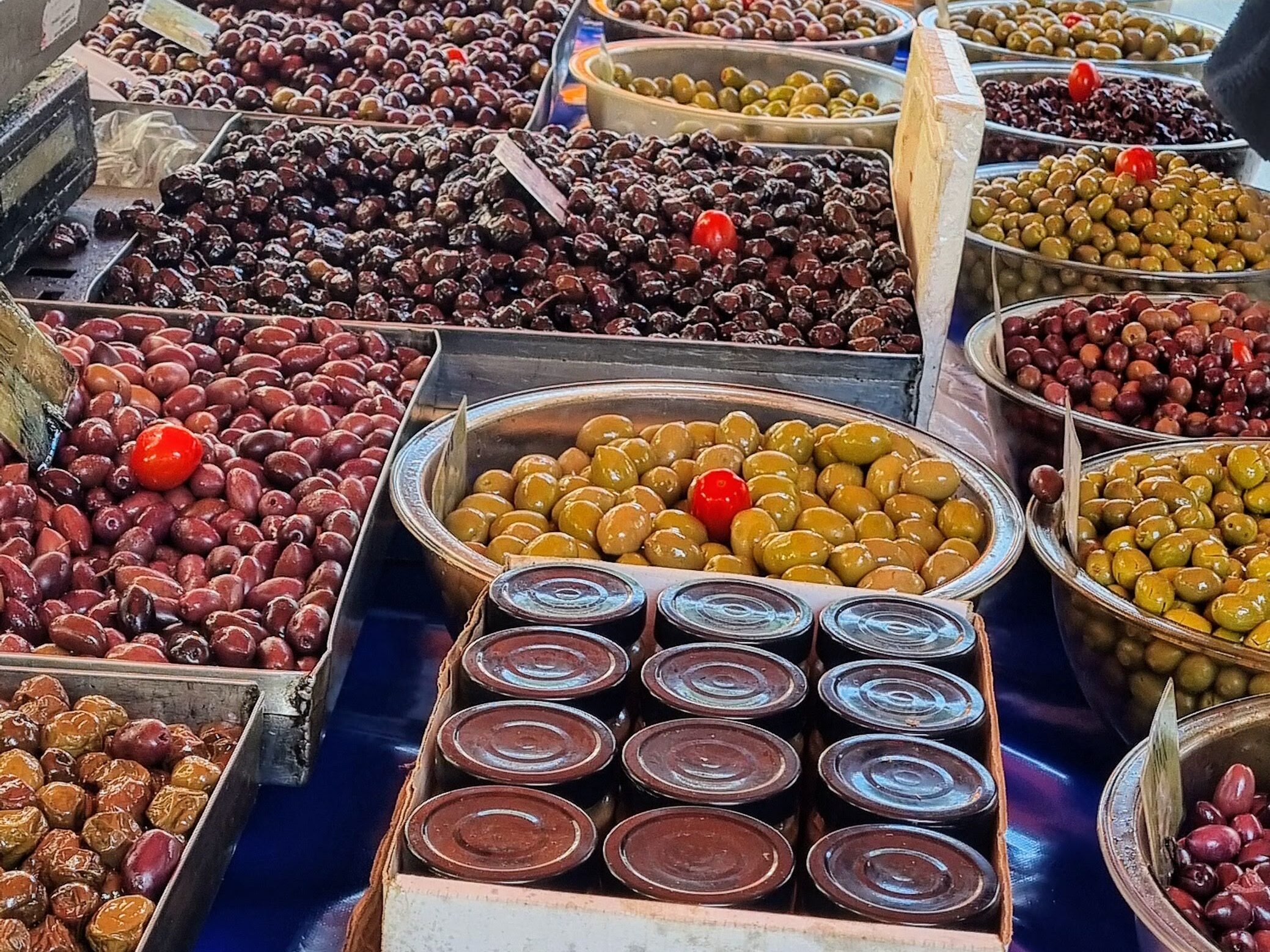
Cretan olive oil is mainly obtained from two varieties: Koronaiki and Tsounadi. The quality of the oil is excellent (as I mentioned earlier, 80% is Extra Virgin, which translates into low acidity – below 0.8% free acidity and a fruity flavour), but the oils naturally differ in taste depending on the region they come from. The Chania region is famous for the producers Chania Kritis and Kolymvari Chanion Kritis, whose oils are known for their slightly peppery taste. Those who prefer milder, less ‘demanding’ types can try olive oil from Kritsa or Sitia. For the more adventurous, many producers offer oils with added herbs (e.g. rosemary), lemon or orange peel.

In addition to buying olive oil, tourists are keen to choose from dozens of types of marinated olives, and often buy kitchen utensils or bowls made of hard, durable but very decorative olive wood.
Posted on Leave a comment

What (wild) creatures live and roam the wilderness of Crete?

Being an animal lover and a fan of Crete, I thought I had the perfect topic for a blog post.

However, exploring the topic turned out to be not entirely satisfactory, and the material I gathered was rather sparse. Well, Crete, being an island, is by definition practically devoid of predators, boasts a small number of mammals, and, in addition, human activity has decimated and limited the local fauna. Unfortunately, though once upon a time even small elephants lived there, now if someone spots a WILD animal in the wilderness or in a ravine, it immediately becomes an event, as if it were a great animal migration in Tanzania.

photo credit villaterracreta.com

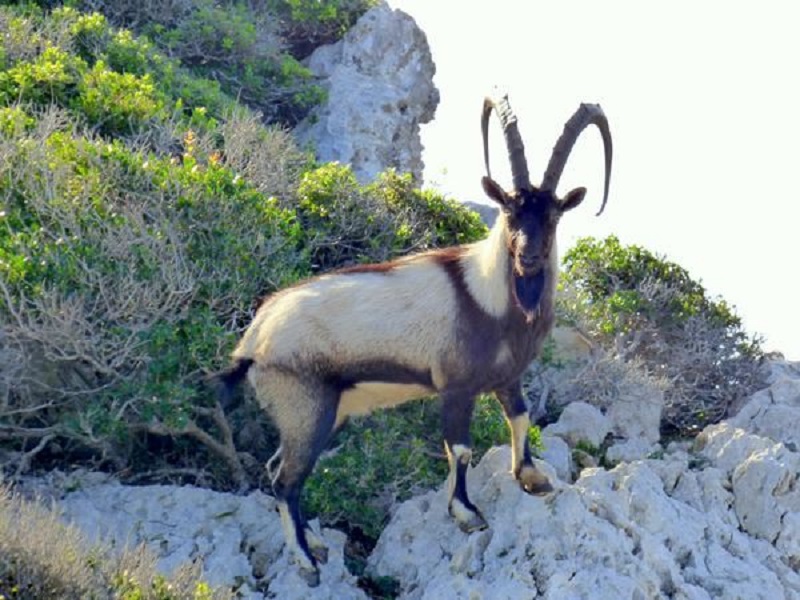
But to the point, what can lucky and observant travellers hope to see? The most talked about animal is the wild and shy Cretan kri-kri goat (also known as agrimi), of which there are about 2,500 left. These goats are famous for their acrobatic agility, which allows them to stay on almost vertical rocky cliffs or outcrops. The males with long, twisted horns look particularly impressive. Currently, these animals can be found in the gorges of Samaria, Agia Irini or Tripiti and their wild surroundings. In an attempt to prevent the kri-kri from interbreeding with domestic goats (which were very eager to diversify their genetic makeup), many of them were transported to two uninhabited islands near Crete, Dia and Theodorou, but apparently they did not like the conditions there.

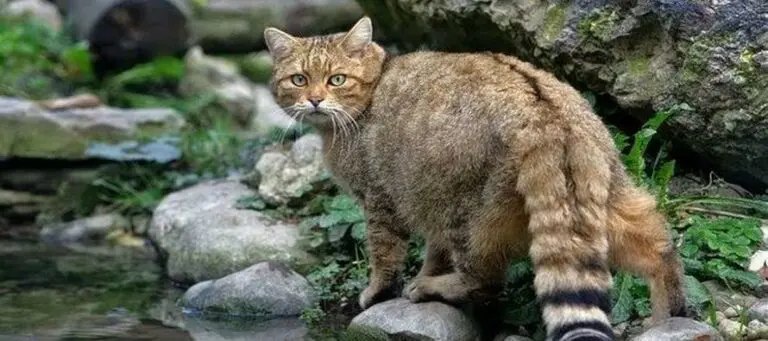
My dream would be to encounter the elusive and extremely rare Cretan wildcat (fourogatos). In all likelihood, there are only a few left on the island; in 2016, one individual was seen on the Lasithi plateau. These cats are larger than domestic cats and have thick fur covered with a distinctive pattern.

In addition to the animals mentioned above, there are many smaller mammals living on the island. We may encounter hedgehogs, rabbits, badgers, weasels, shrews, rats and bats. Interestingly, there are no foxes in Crete and therefore no problem with rabies.

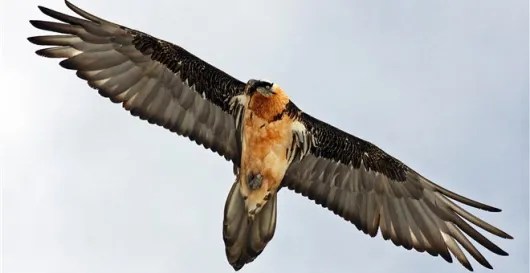
Birds are also moderately represented, despite the fact that Crete lies on the migration route to Africa for many species, providing them with a convenient stopover on their long journey. In the mountains, look out for the impressive griffon vultures circling in search of food. The island is also home to golden eagles, bearded vultures, falcons and owls. Smaller but particularly beautifully coloured birds are represented by bee-eaters.

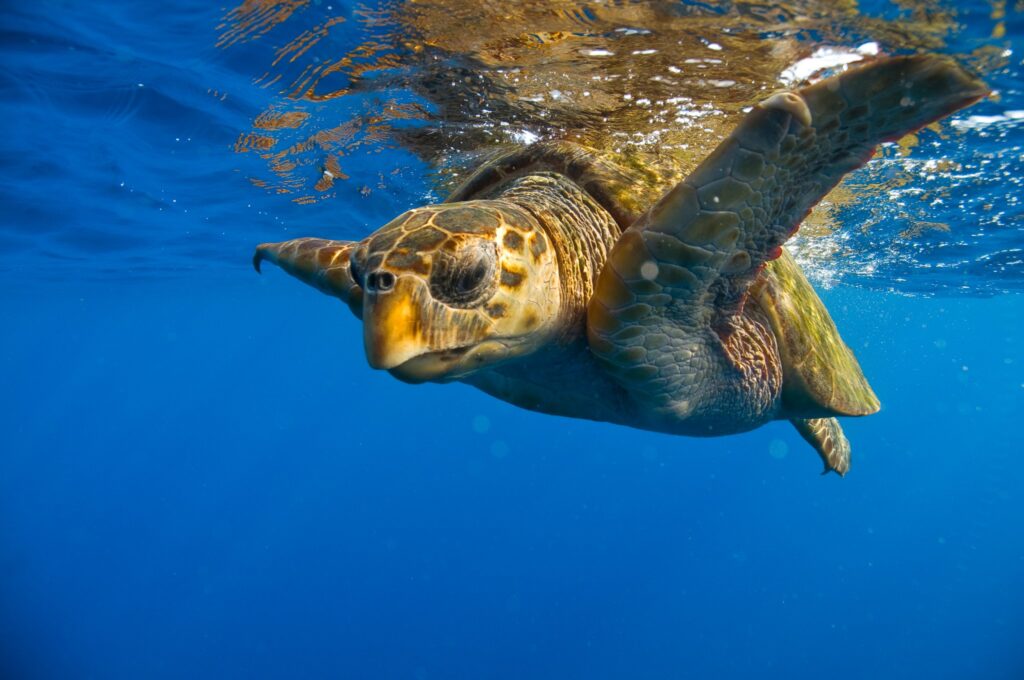
Among the reptiles, the magnificent Caretta turtles, which can measure 120-130 cm and weigh up to 160 kg, are sure to attract attention! These are sea turtles that come out of the sea 2-3 times a year to lay their eggs on the beach. They prepare a nesting site for about 100 eggs, each the size of a tennis ball, by digging a hole 50-100 cm deep. After laying their eggs, they carefully bury the hole and return to the sea.

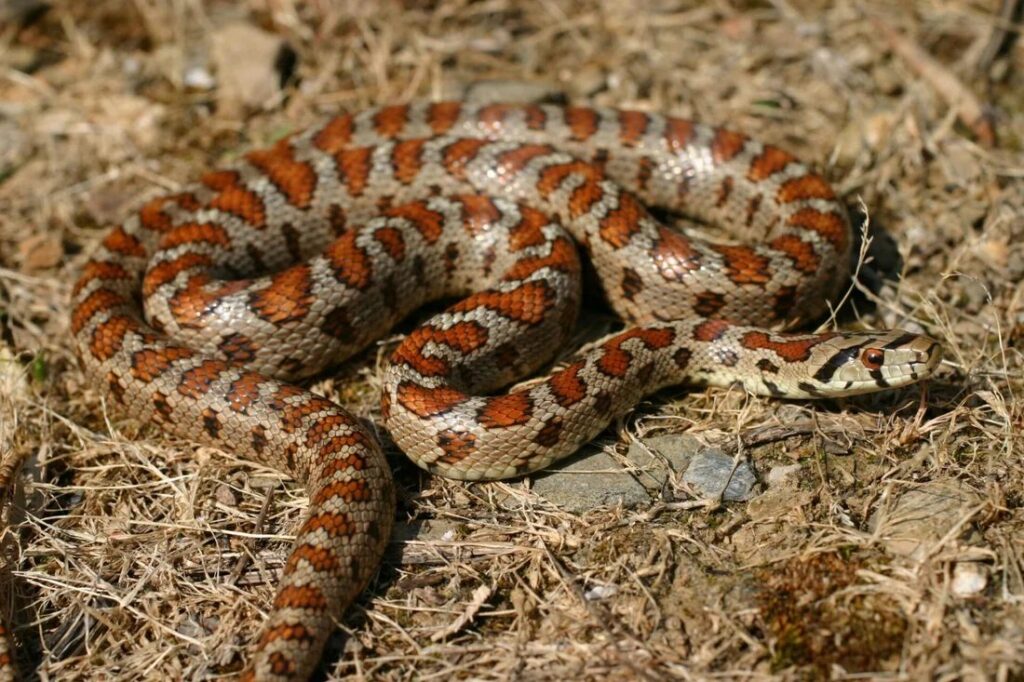
Apart from turtles, Crete is home to several species of small geckos and lizards (only the Podarcis cretensis, or Cretan wall lizard, is endemic) and four species of completely harmless snakes, of which the leopard snake is particularly striking in appearance.

Photos from: discoveronfoot.com, cretanvioma.gr

Posted on Leave a comment

Aptera – little explored, yet dazzling

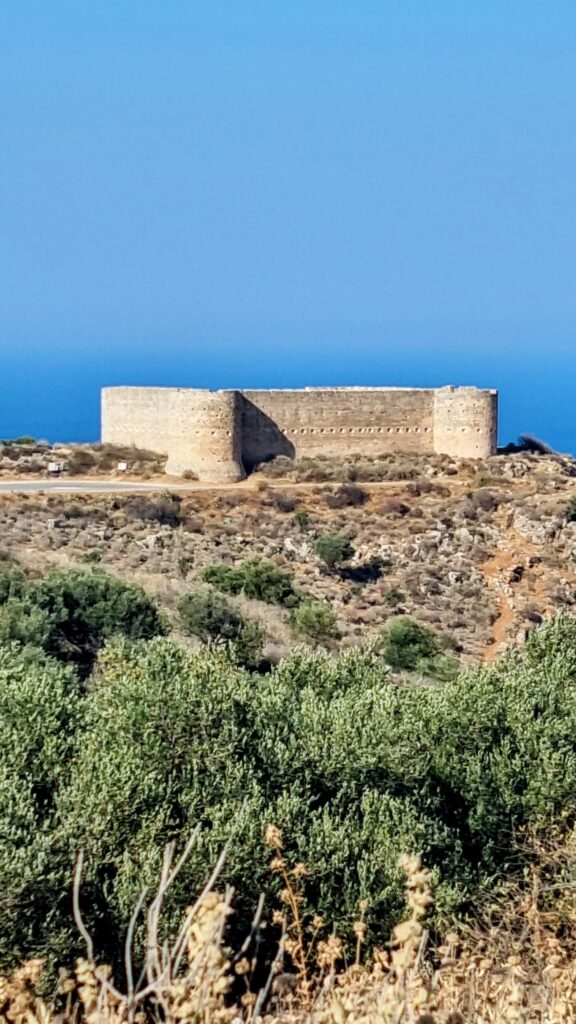
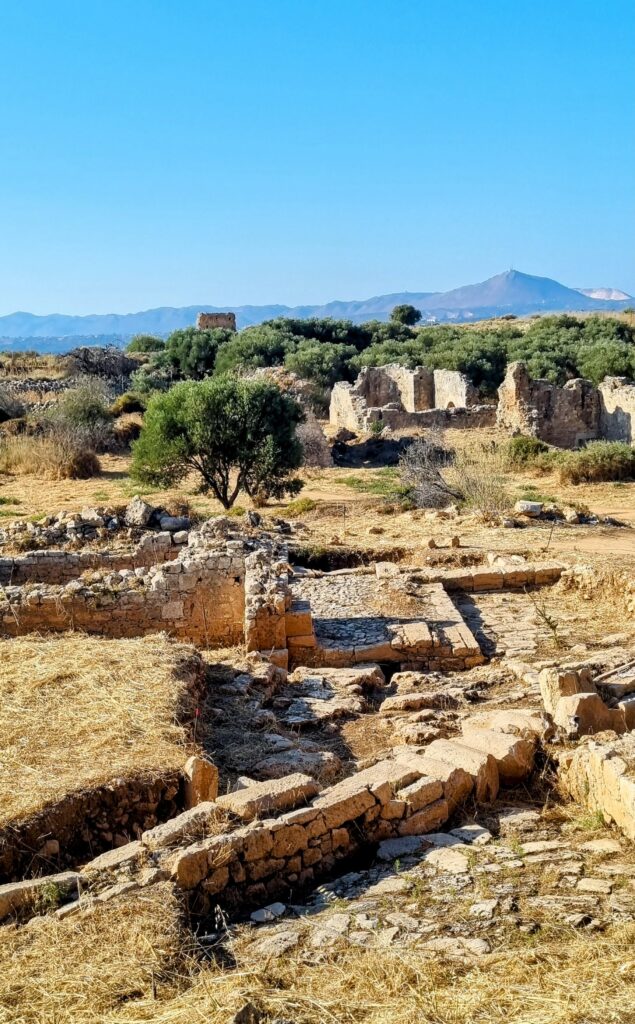
Ancient Aptera, a 30-minute drive east of Chania, stretches across a plateau near the hill of Paliokastro, which dominates the south-eastern part of Souda Bay. Recent archaeological research suggests that settlement in this area began in the 11th-12th century BC.

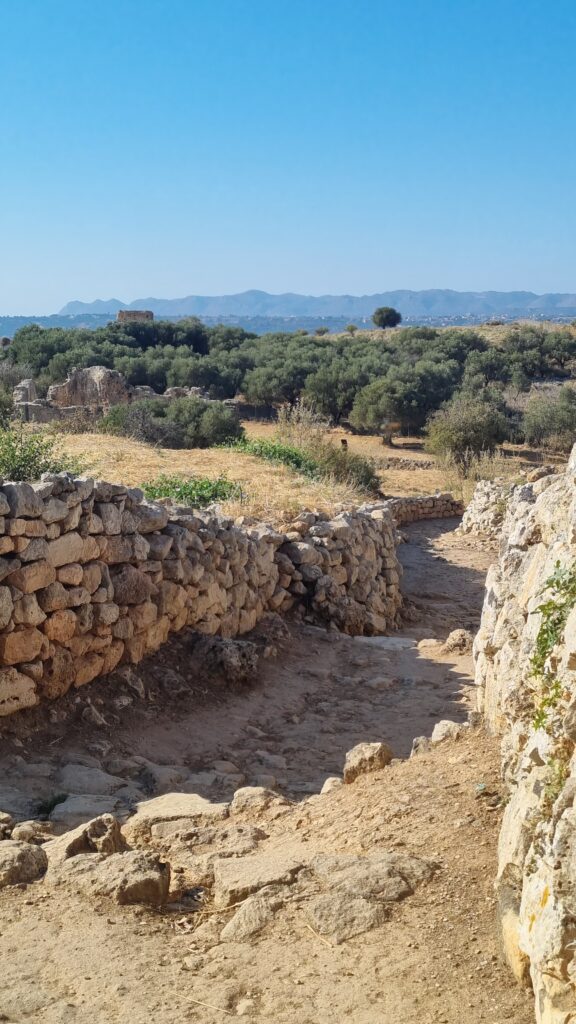
The 3,480-metre-long defensive wall surrounding the main settlement was built before the mid-4th century BC. The city enjoyed an era of prosperity during the Roman period, but after a terrible earthquake in the 7th century, it was so badly damaged that it was not until the 12th century that it became a significant urban centre again and played an important role until the Venetian period (16th and 17th centuries).

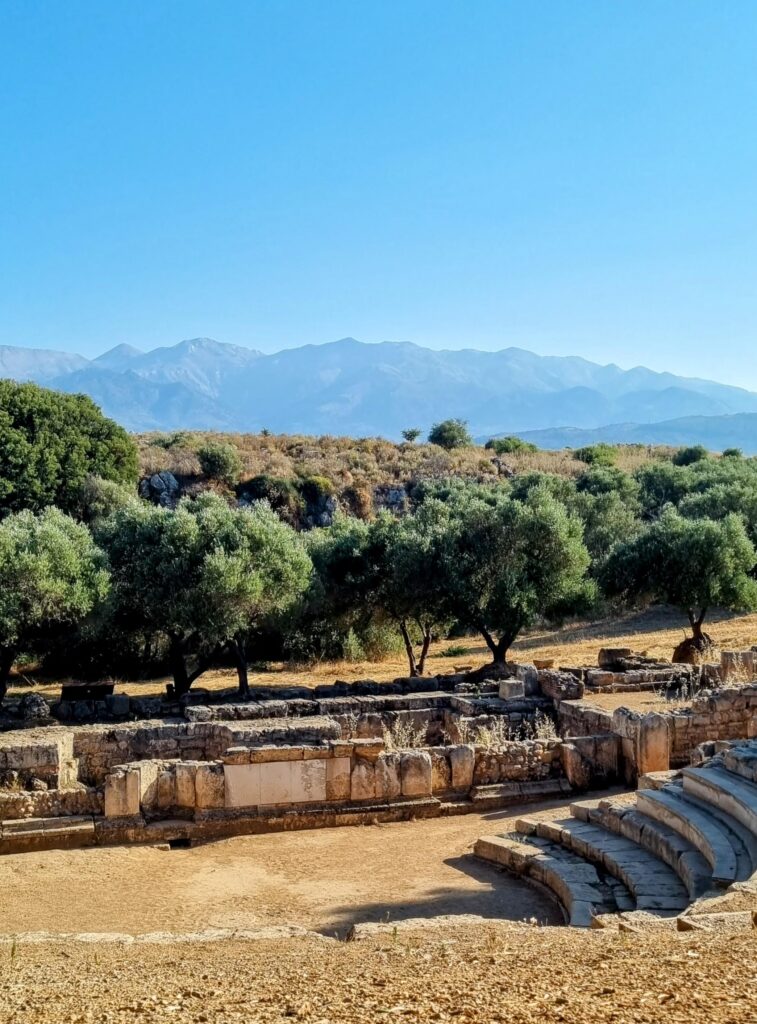
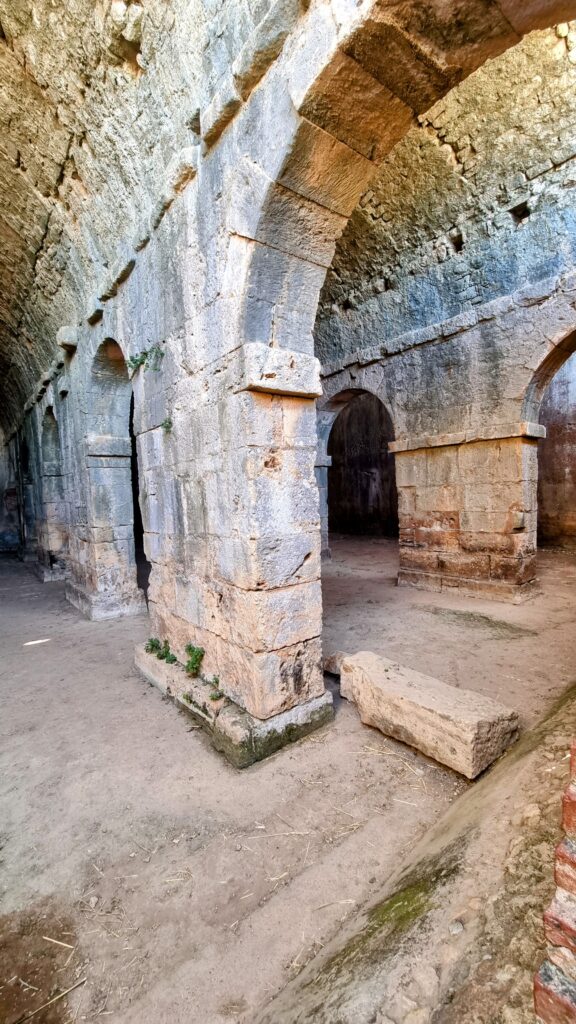
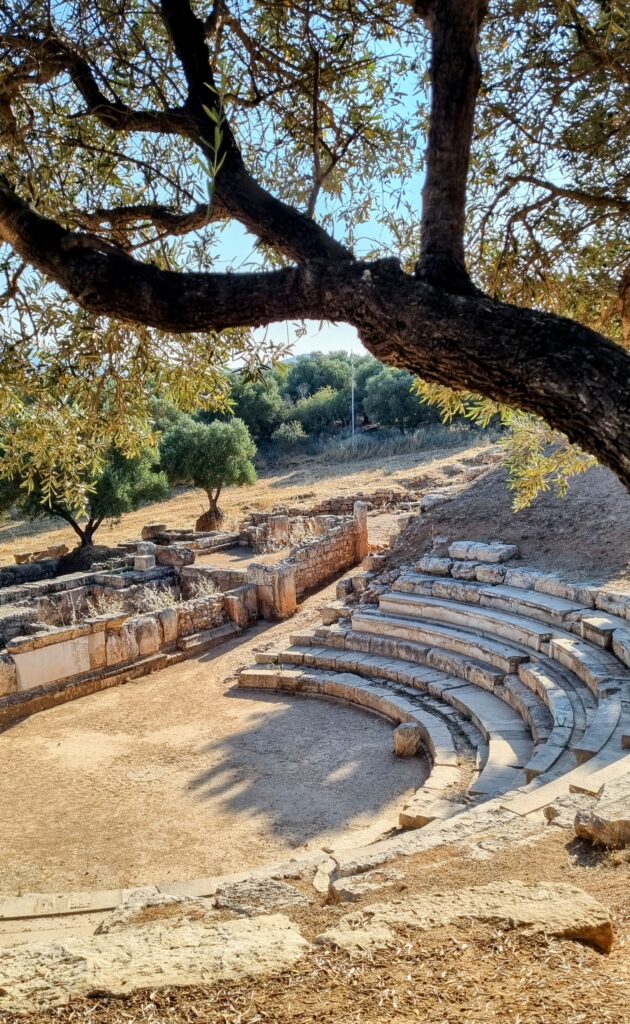
In today’s Aptera, visitors can admire the remains of ancient fortifications, three cemeteries from different periods, Roman cisterns and baths, as well as an ancient theatre, which has recently been partially restored, with comfortable steps leading to the stage, called skene.

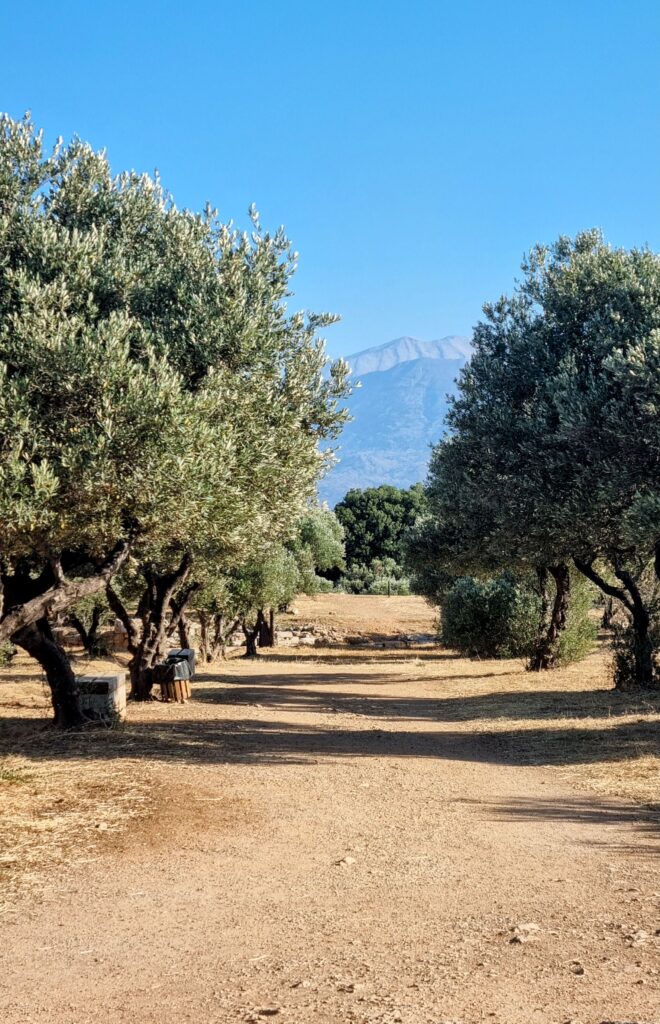
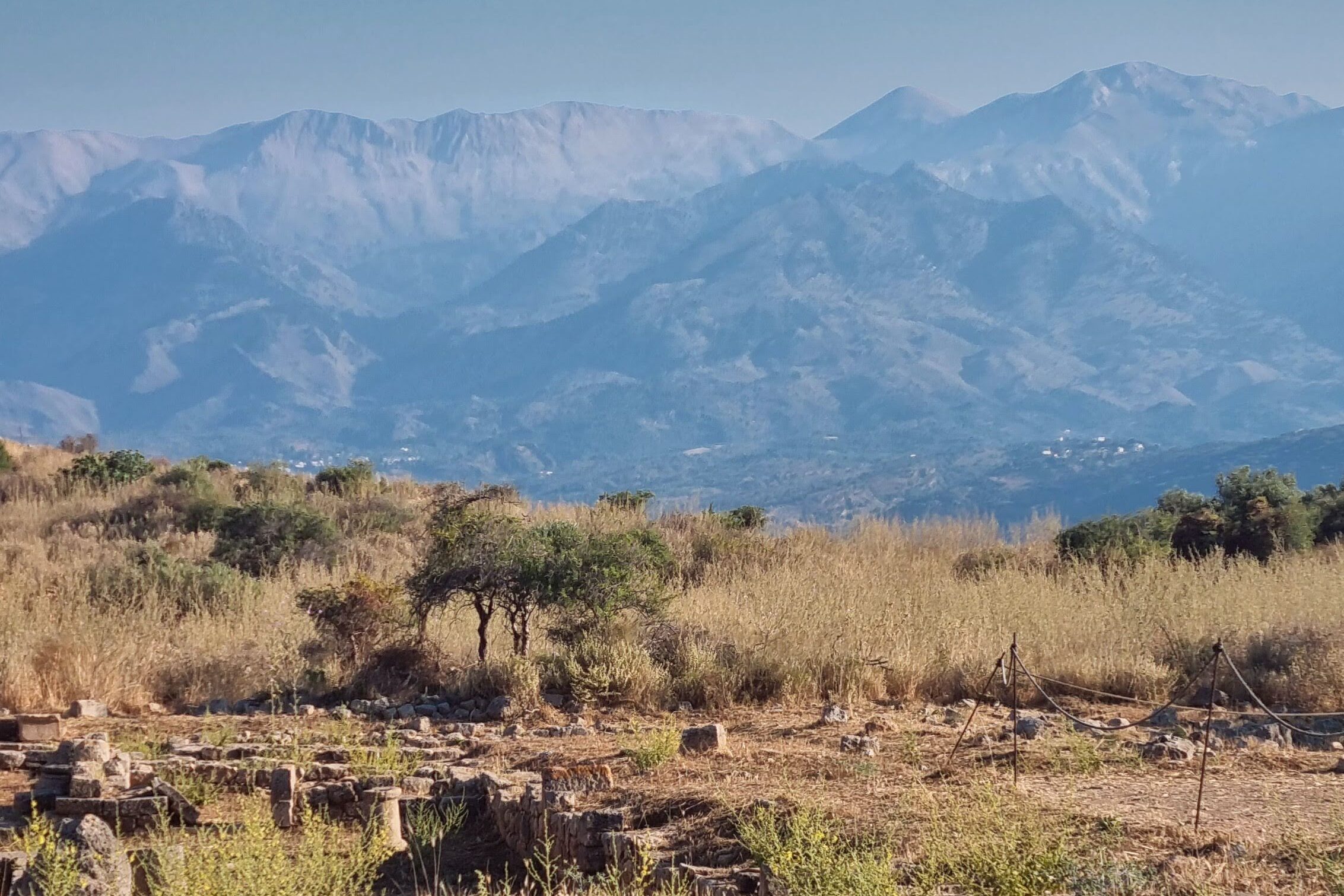
I found Aptera charming, atmospheric and simply beautiful. Perhaps it was its beautiful location between the sea and the mountains, perhaps the vastness of the settlement, or perhaps the fact that there were so few other people there during my visit, but it made a greater impression on me than Knossos.

On the practical side, tickets cost €10 and there is convenient parking for visitors.

As the site is largely unsheltered, you should bring water, sunscreen and a hat.

You can also, and this is what I would suggest, visit this place during the golden hour, both for the temperature and the magnificent views.