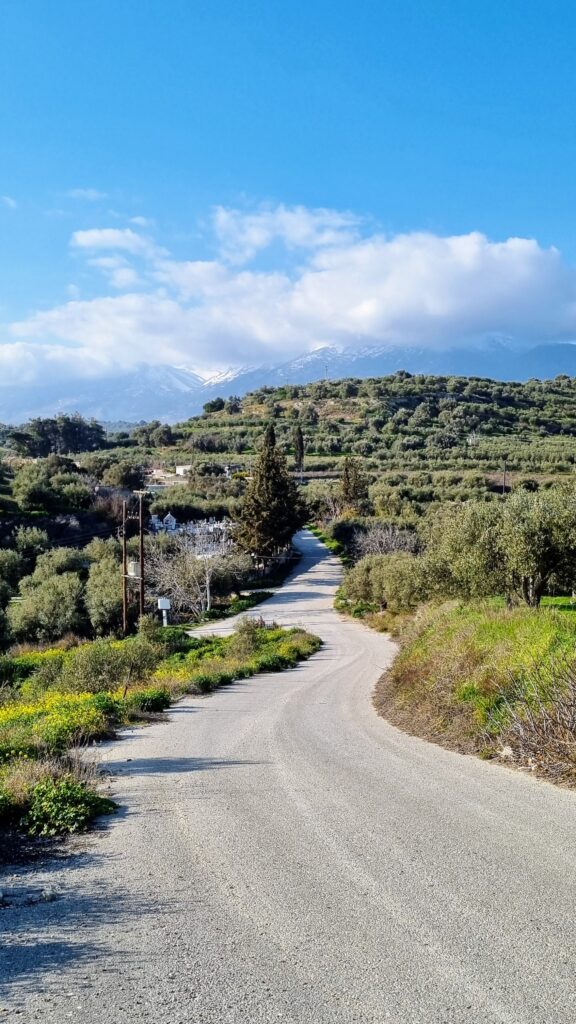
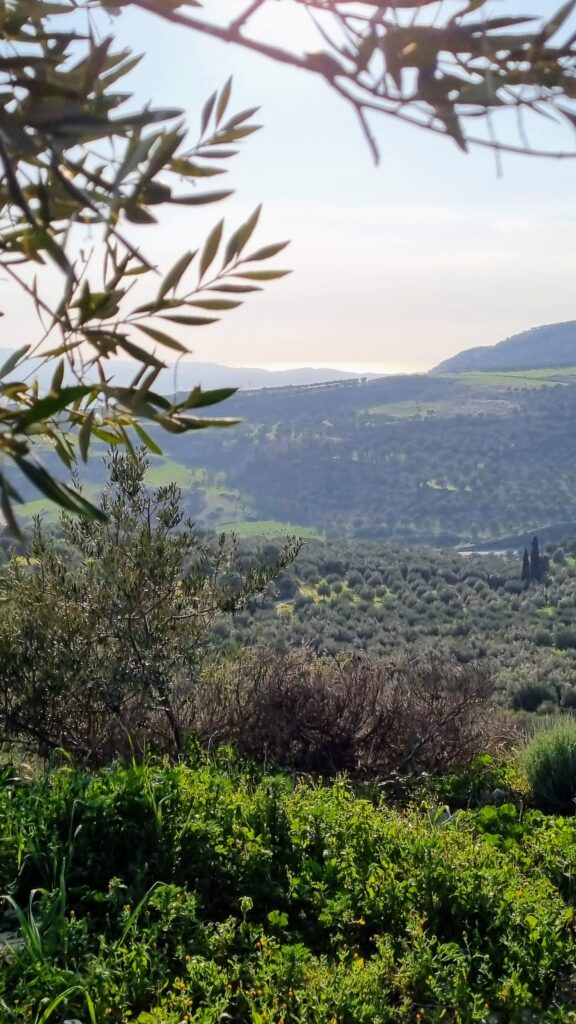
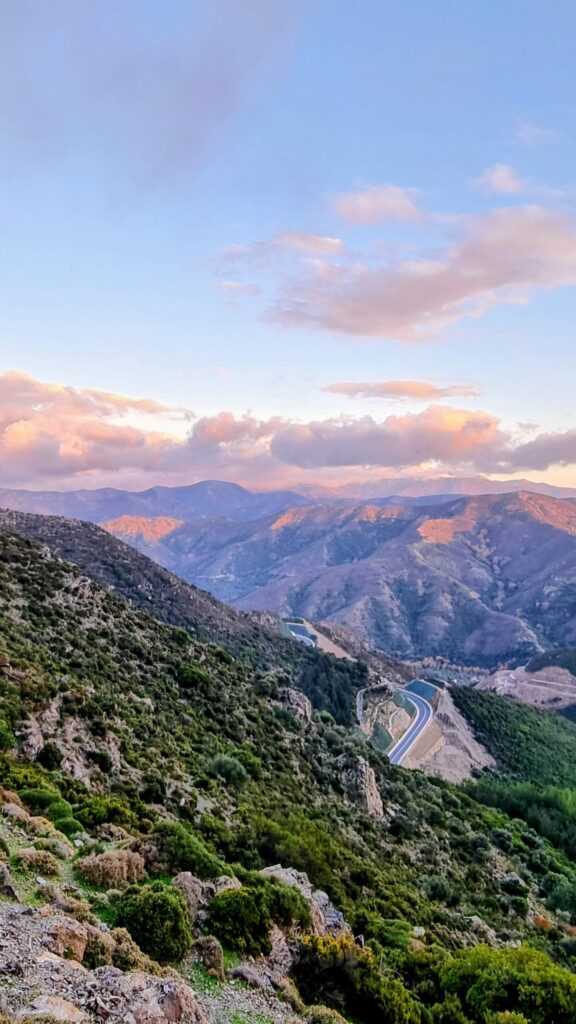
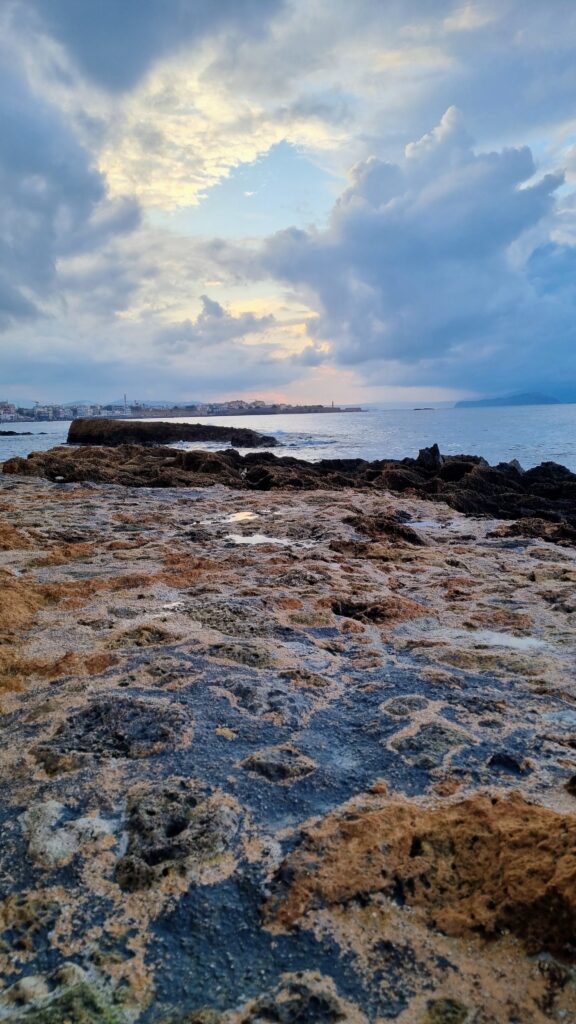
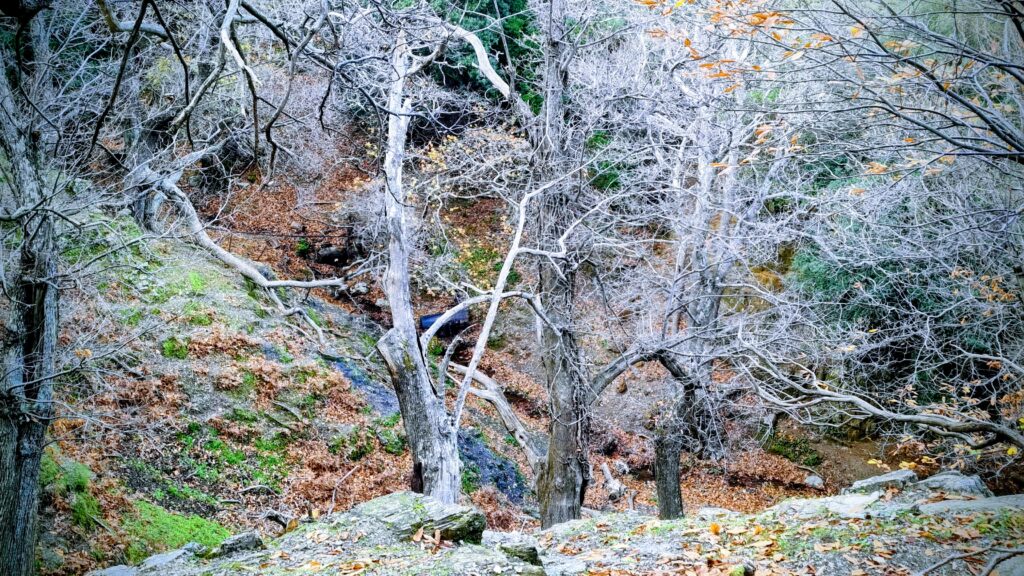
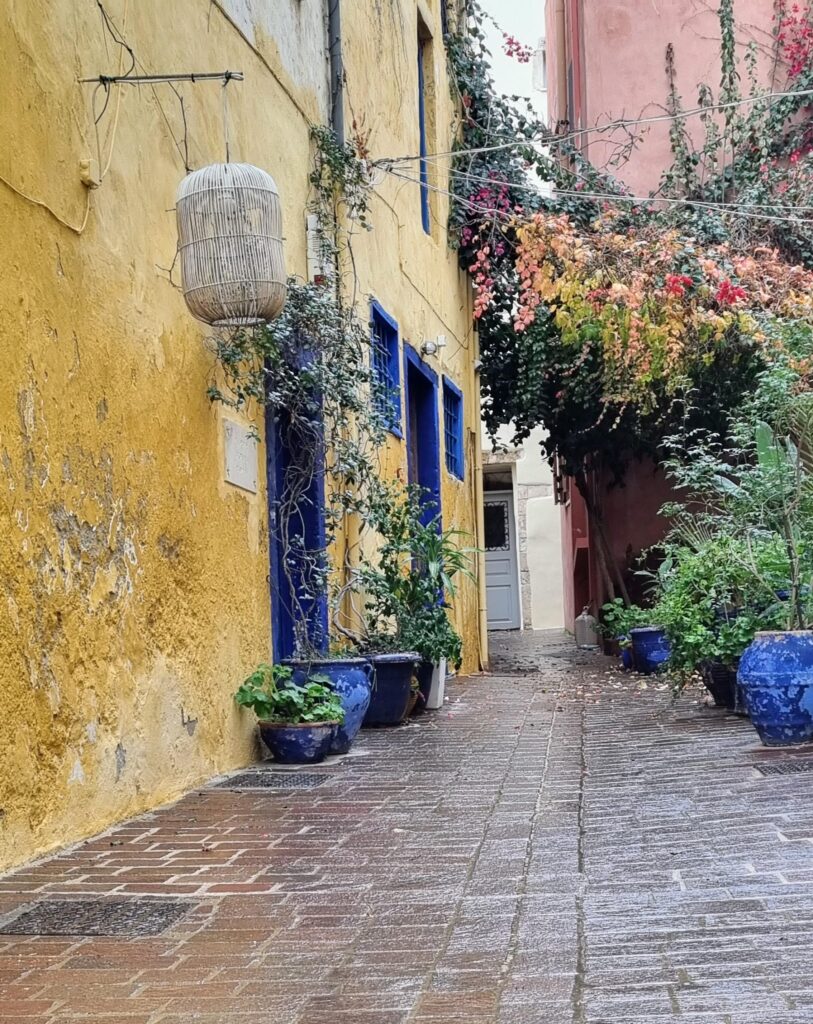
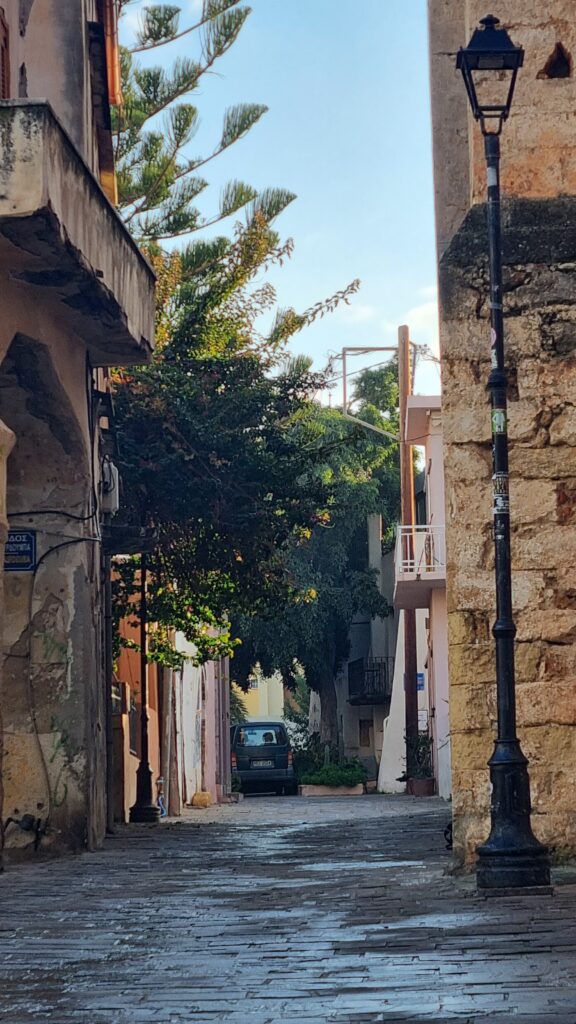
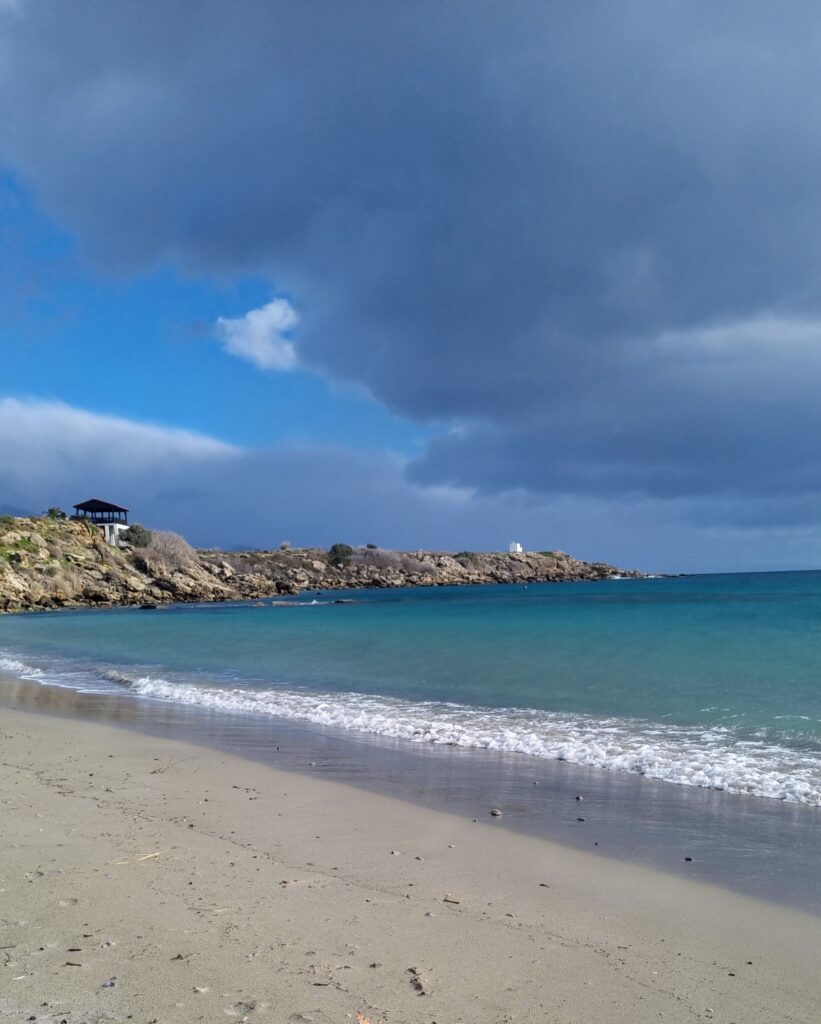
First, let’s determine when winter begins and ends in Crete.
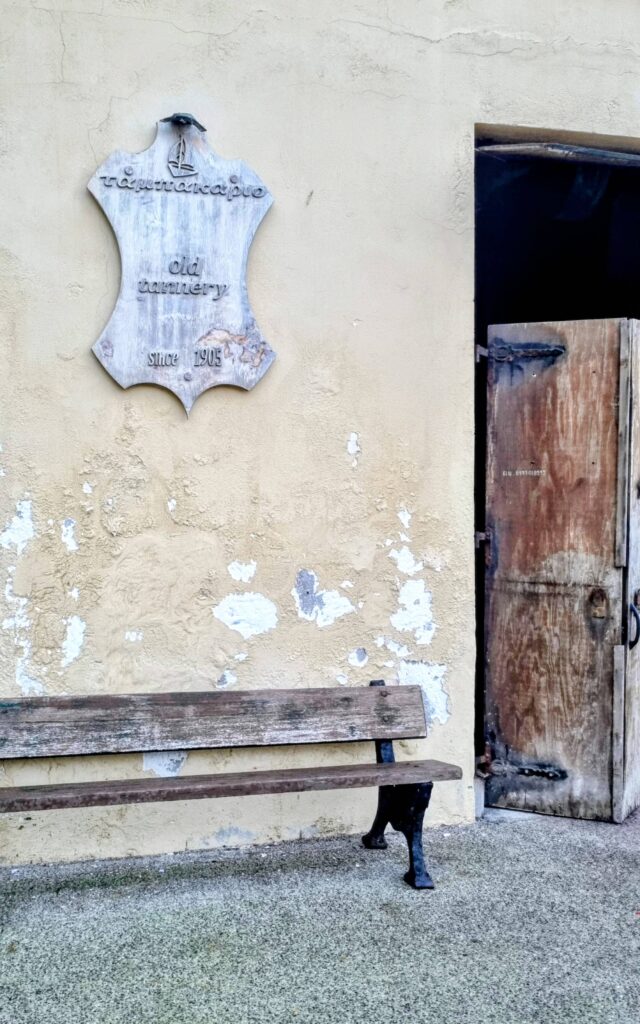
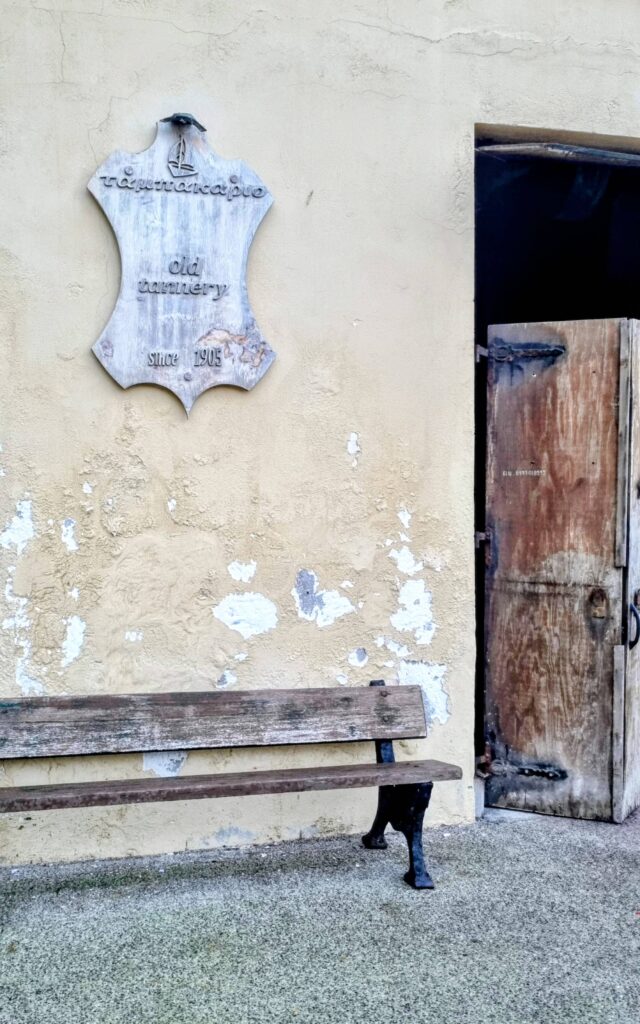
Plouti, central CretePloutiChania to MiliaTabakaria, Chania
According to the calendar, one could say that it begins on 22 December, but that is not entirely true. Winter begins when the crowds of tourists stop coming, that’s all. In Crete, this means the beginning or, at the latest, the middle of November. By the same token, spring begins in early March, although here the calendar loses out to the logic of the nature of the Mediterranean climate.
Hiking trail near MiliaOld town, ChaniaApproaching Thimari GardensFrangokastelloNot far from Xerokampos
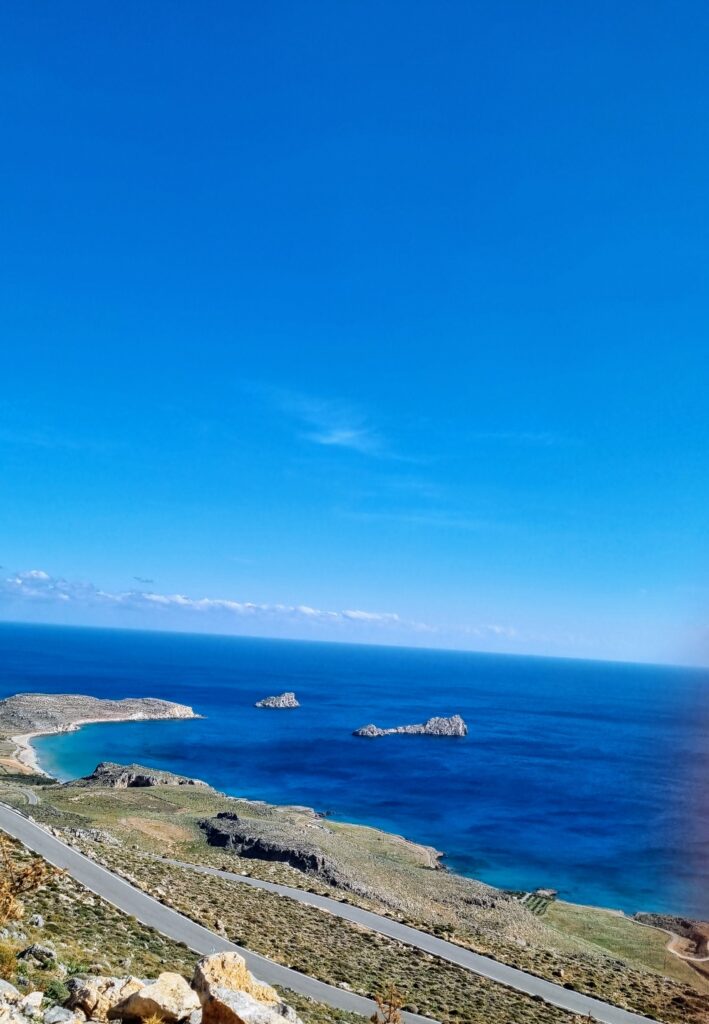
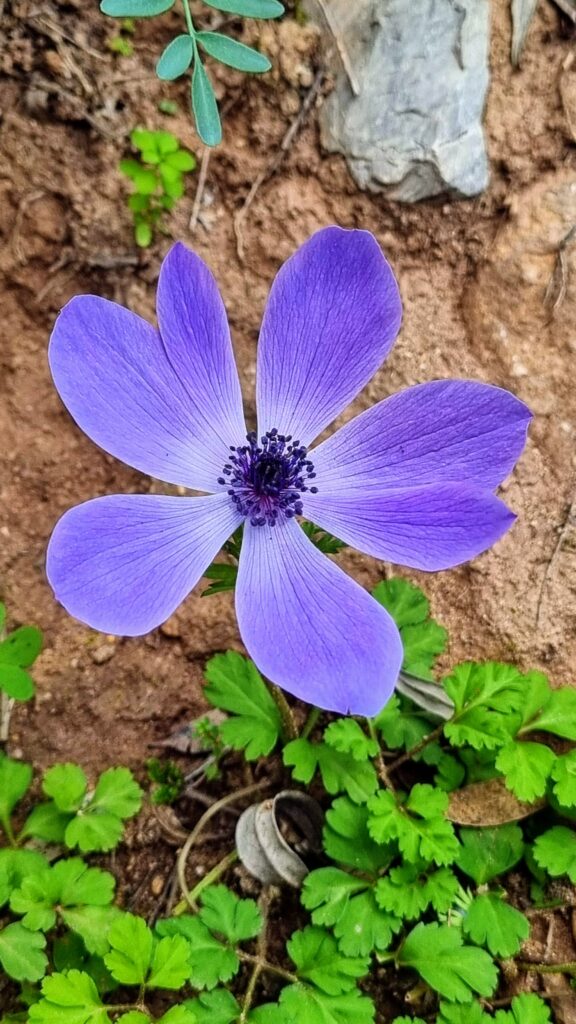
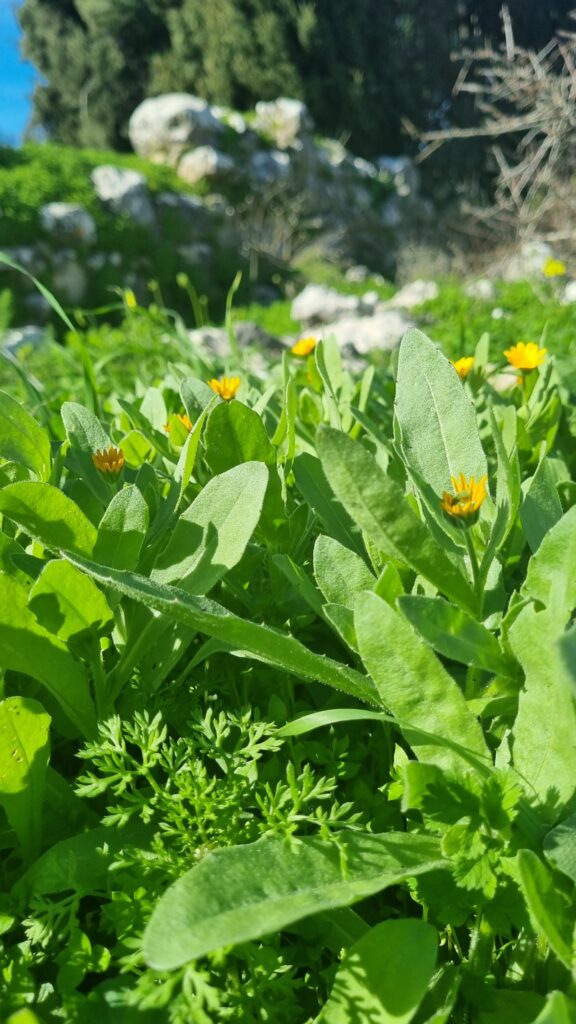
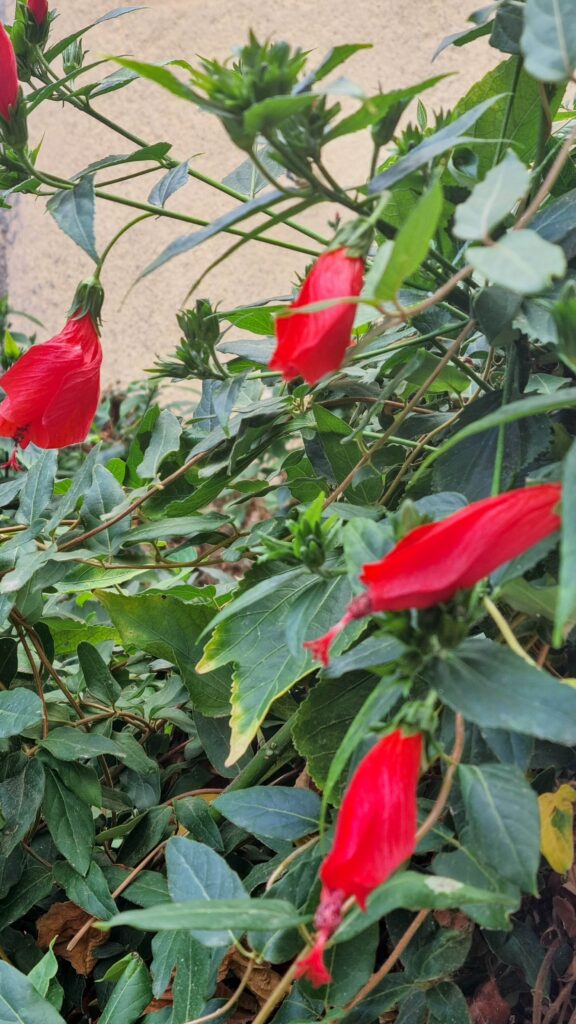
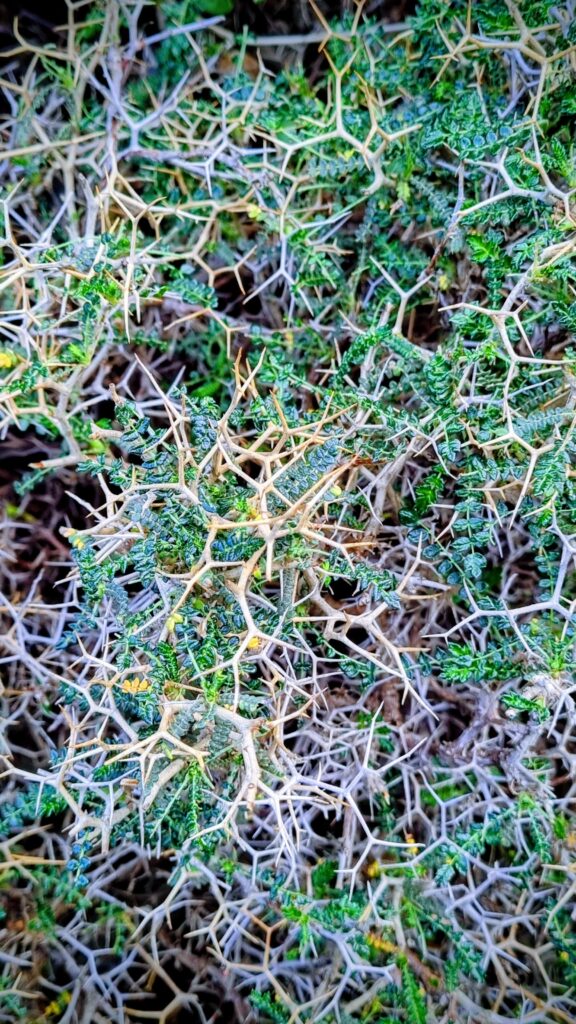
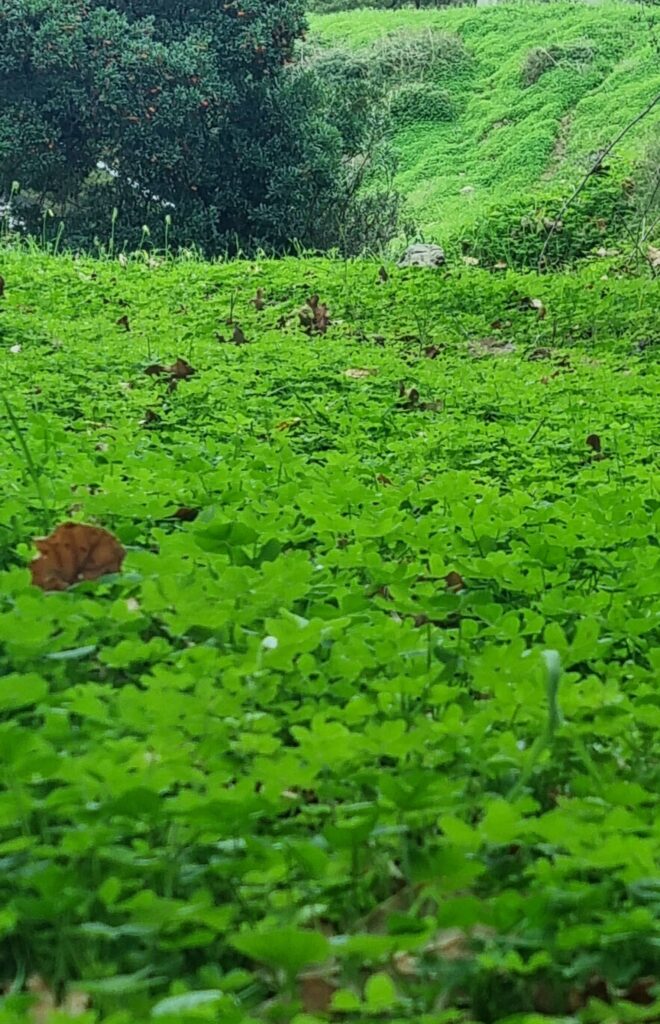
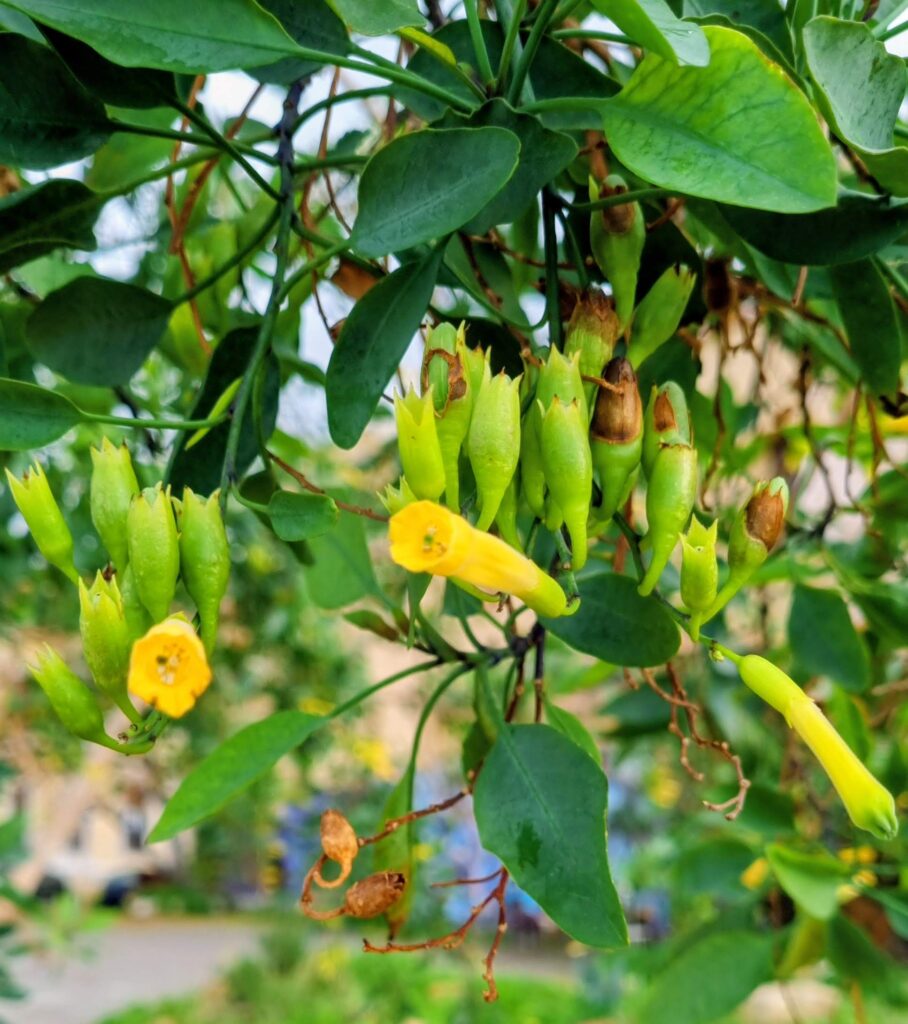
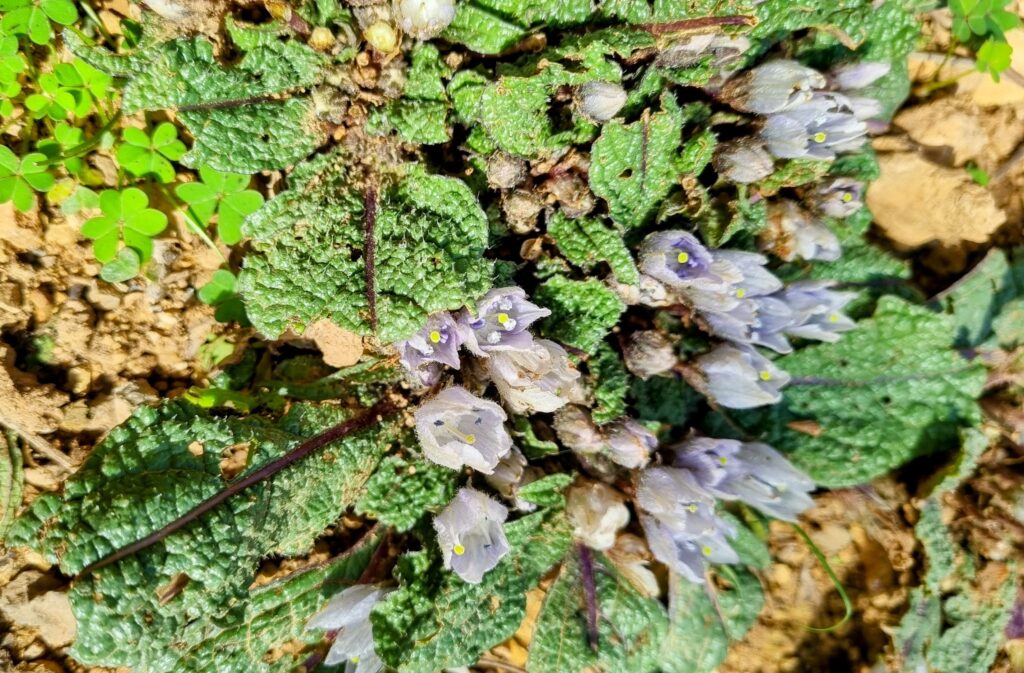
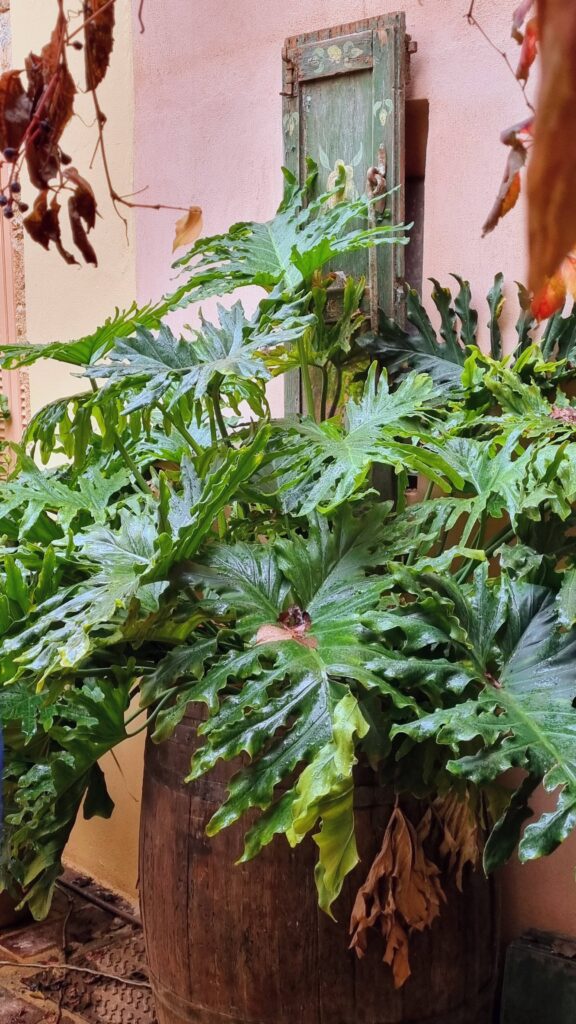
Winter, or the low season, is a time of calm, peace and respite for the people on the island, but also a time of rushing clouds interspersed with the dazzling blue of the sky; turquoise sea by the calm coves, but also waves crashing onto pavements and piers. On the one hand, nature loses its exuberant riot of colours, becomes quieter, turns grey in places, and sepia and smoky shades appear. But on the other hand, winter rains also bring the long-awaited moisture, and where in August there were burnt herbs and brushwood underfoot, now there are green carpets. We also encounter flowers, not as spectacular or lush as in summer, but perhaps all the more sought after and appreciated.
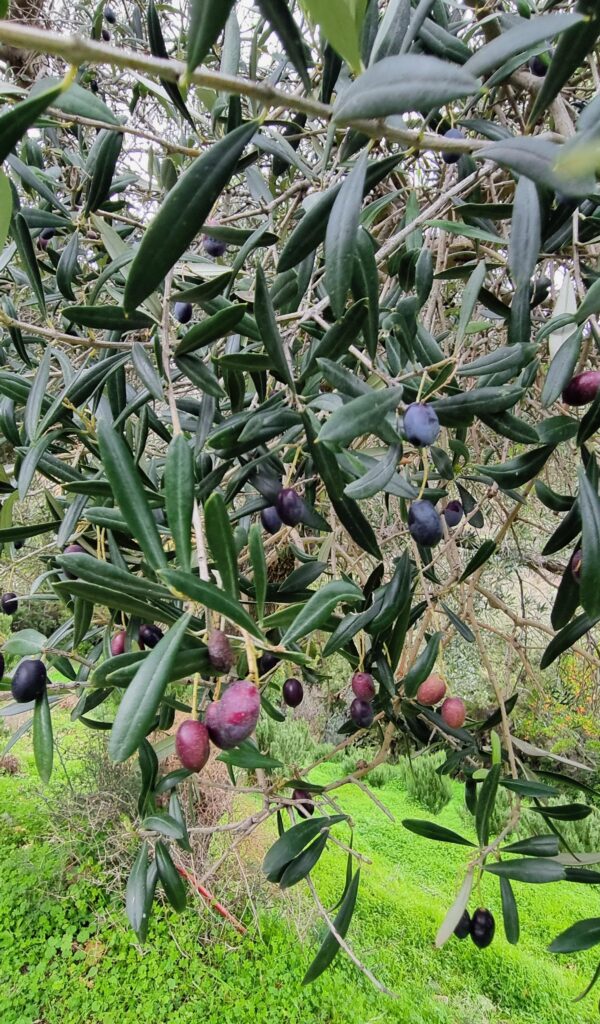
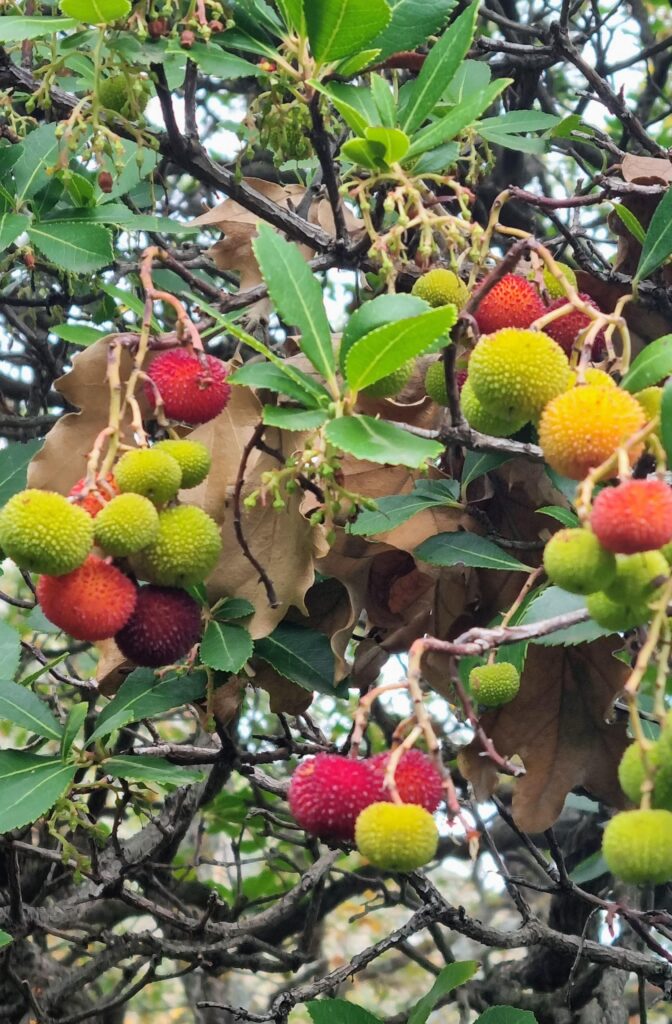
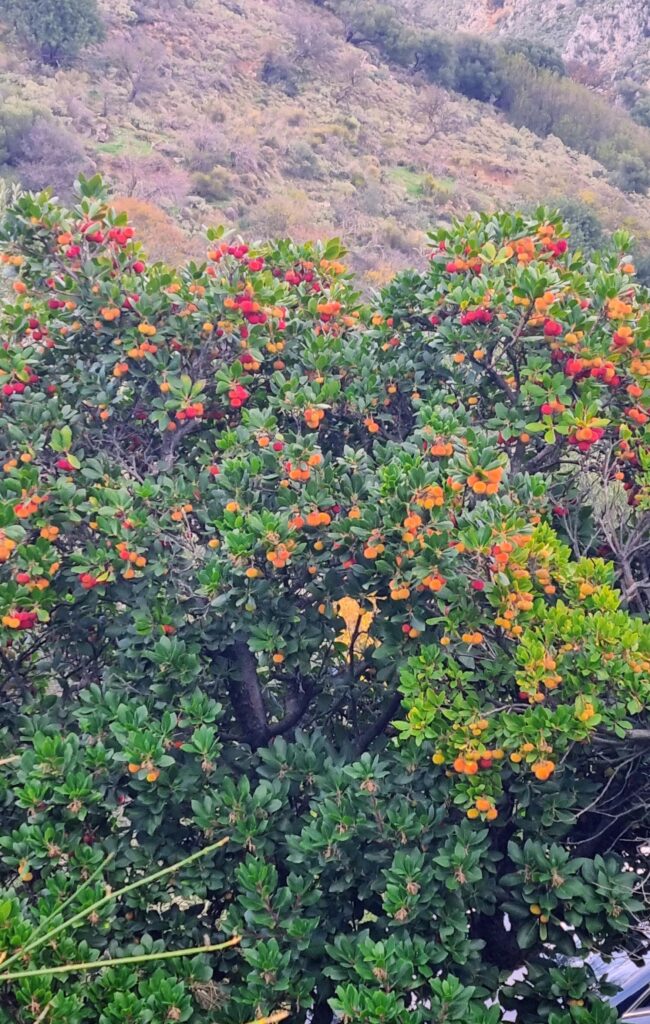
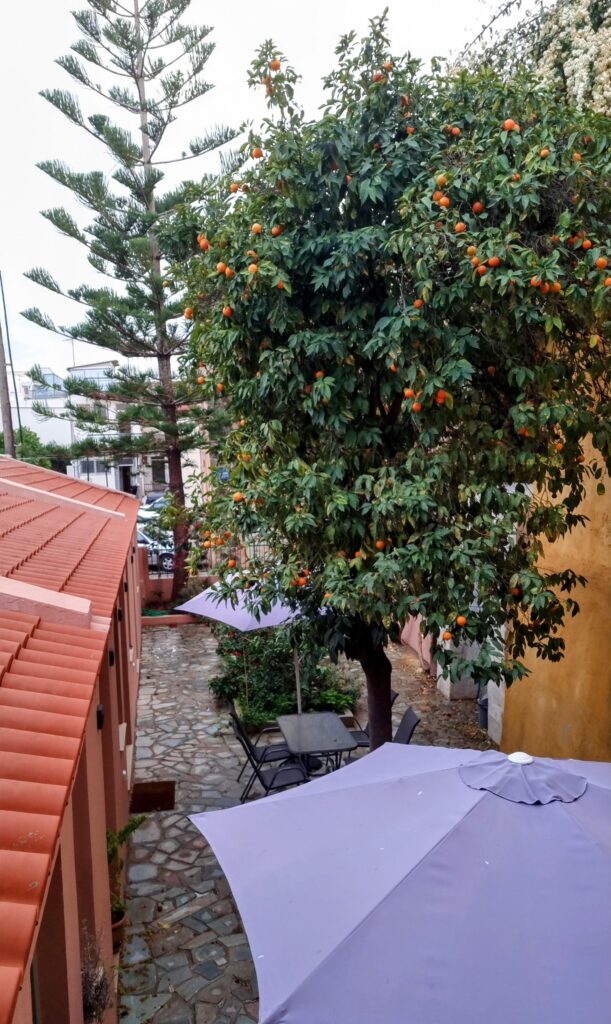
Some trees also bear fruit in winter. From November to January, olives are harvested, bitter oranges, saturated with rain and juices, bend delicate branches to the ground, and you can taste the sensually red berries from the wild strawberry tree.
Fresh olives, some ripe but inedible. Must be cured.Strawberry treeStrawberry treeBitter orange tree, viewed from Thimari Gardens
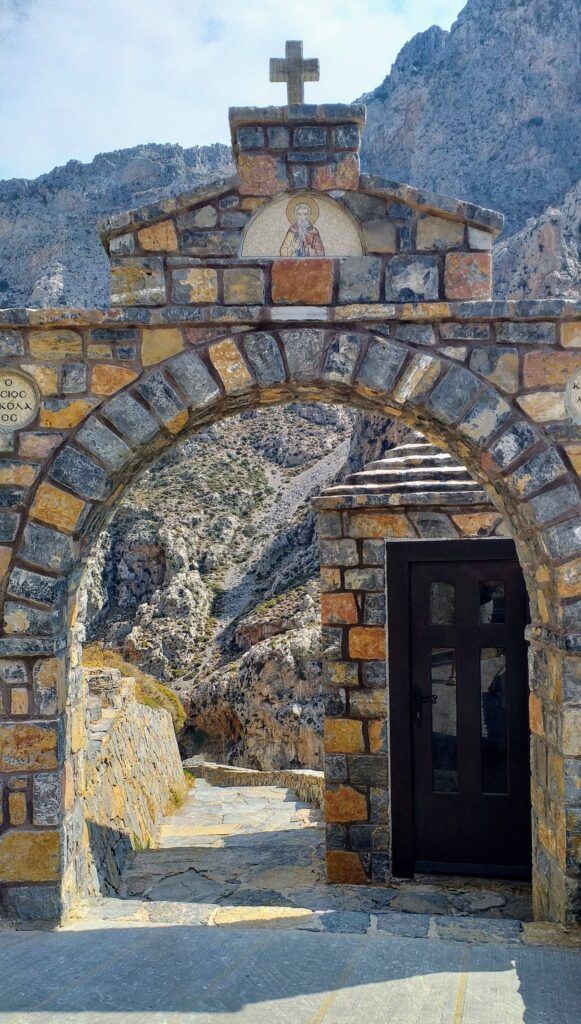
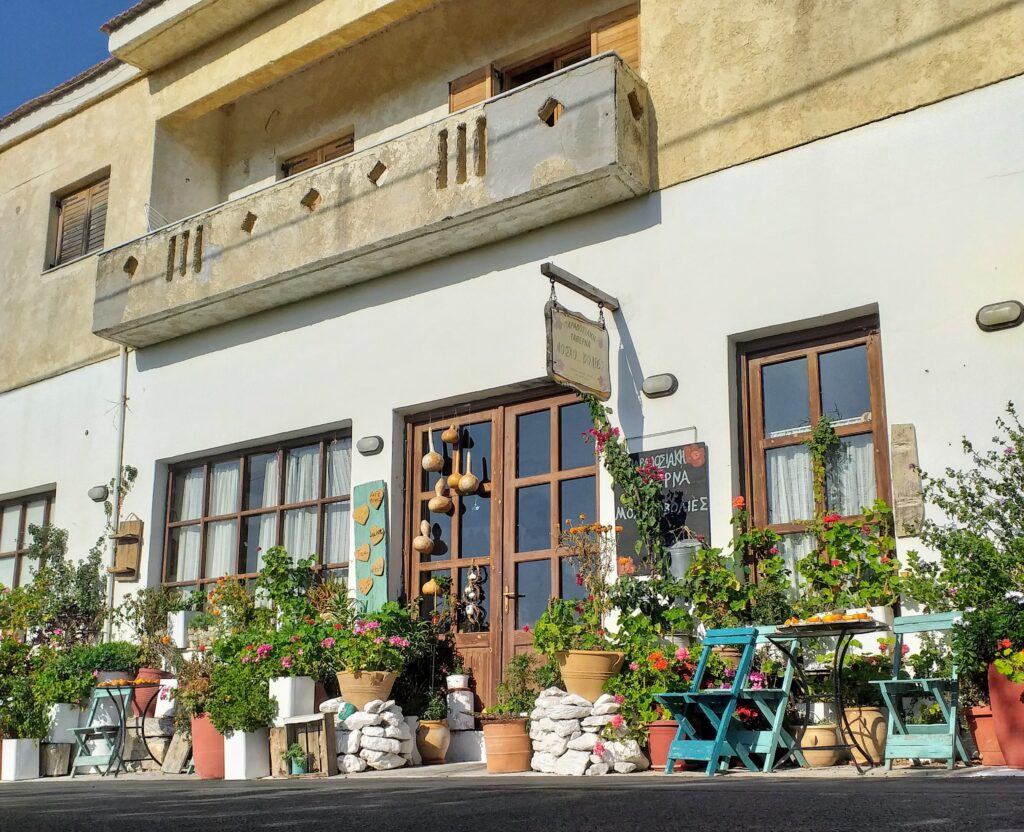
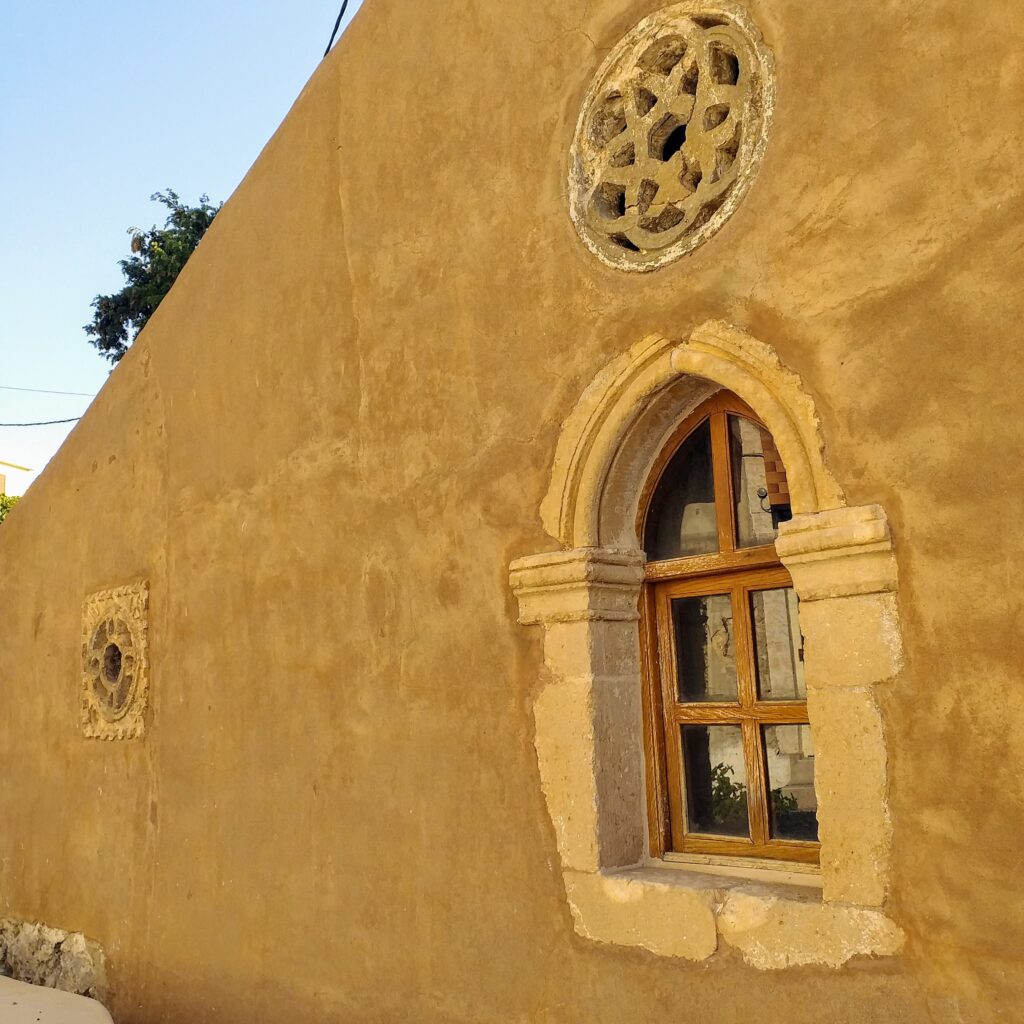
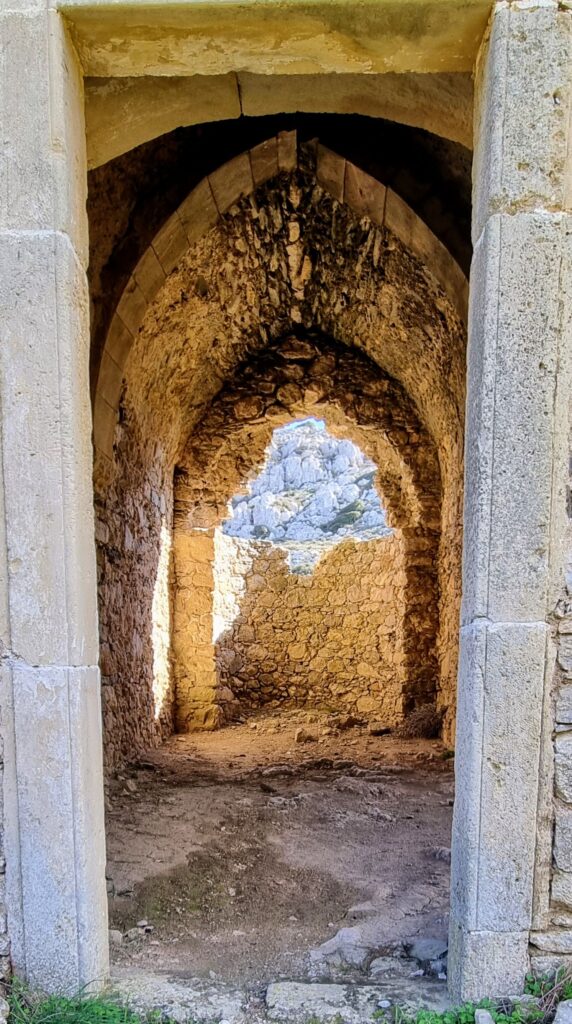
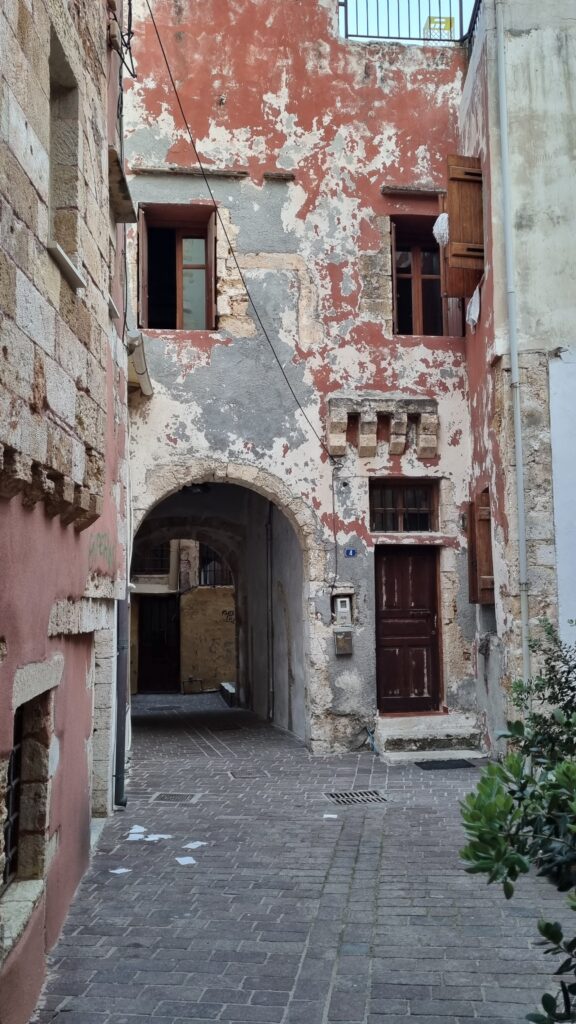
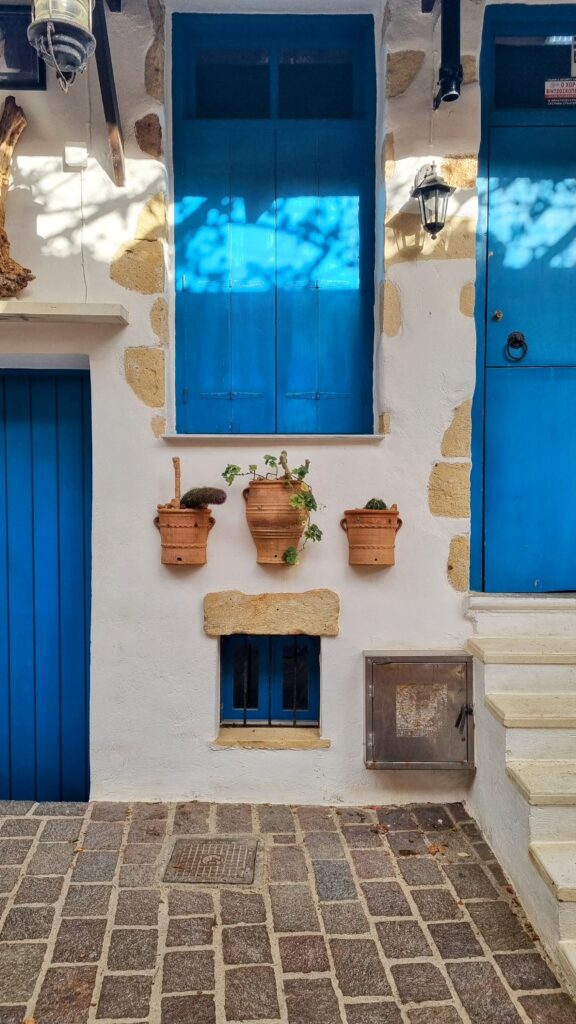
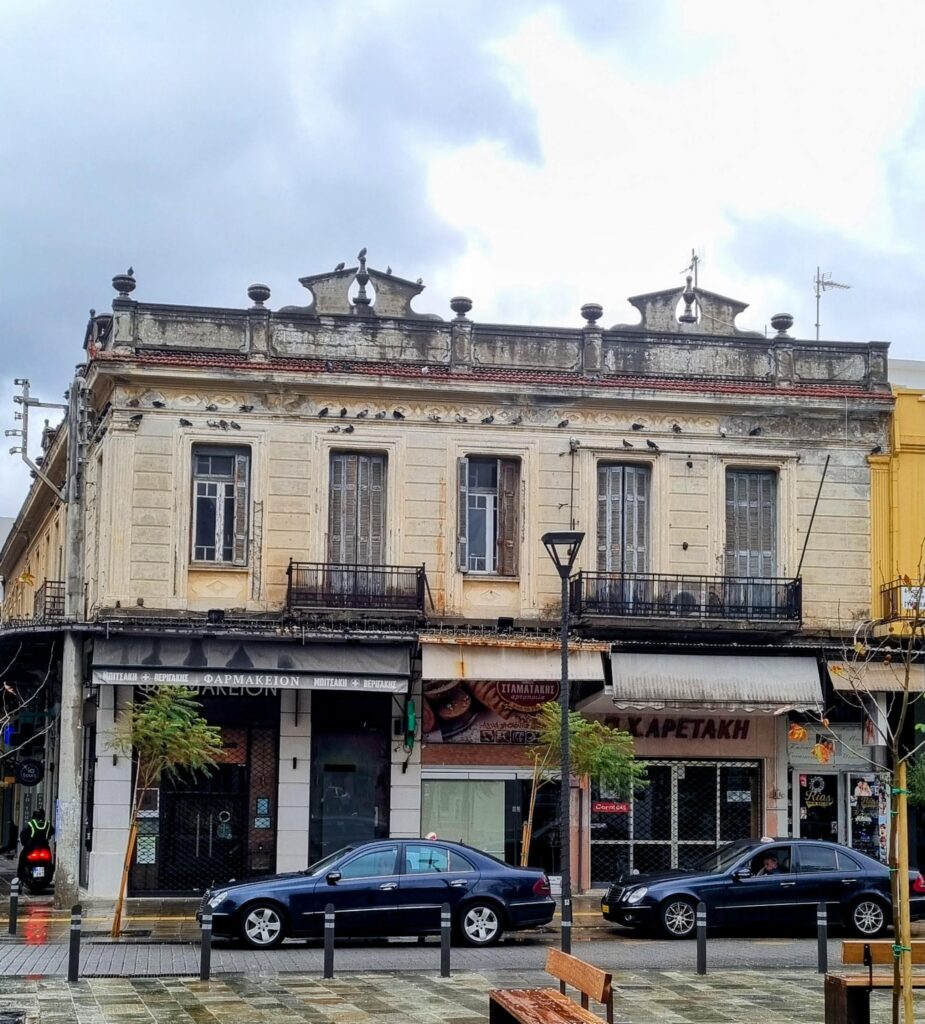
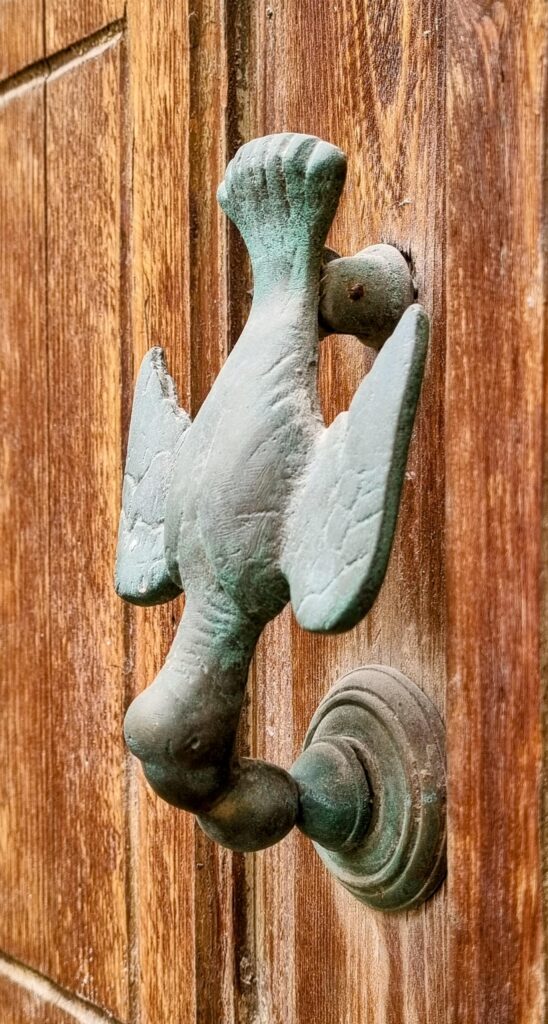
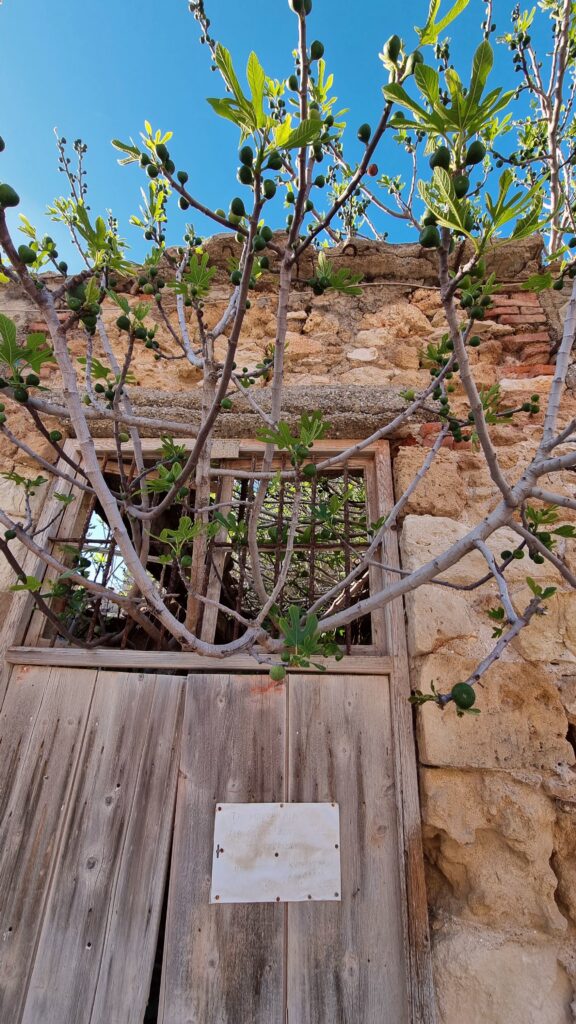
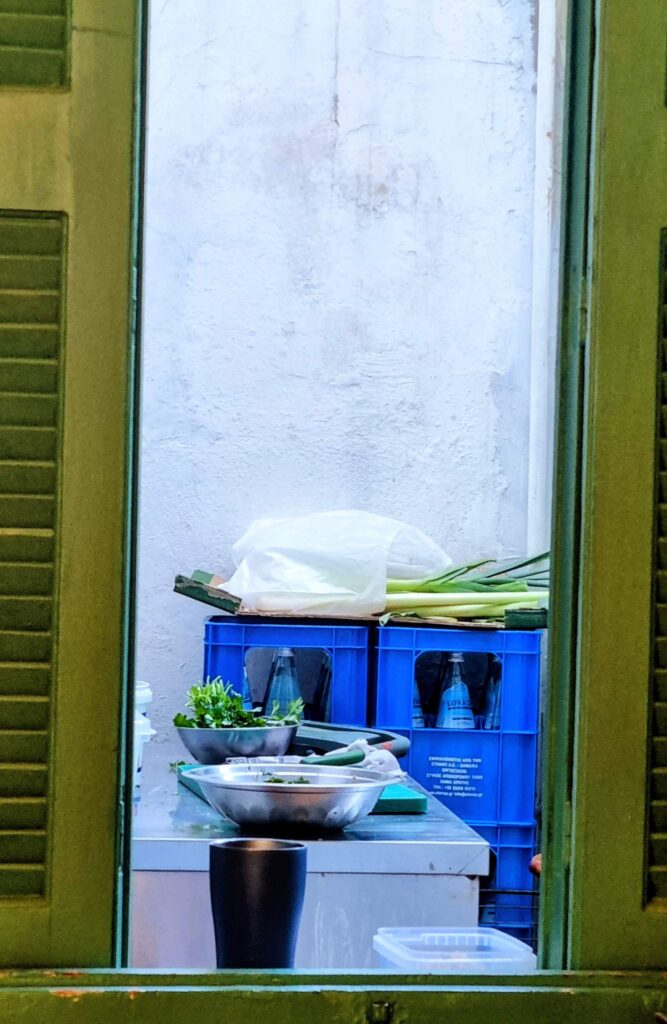
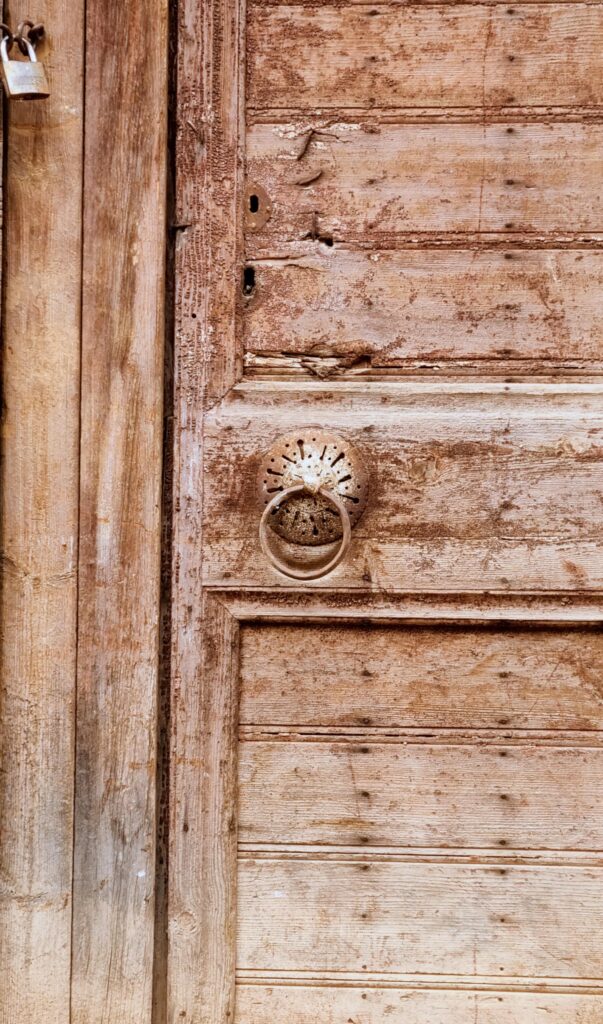
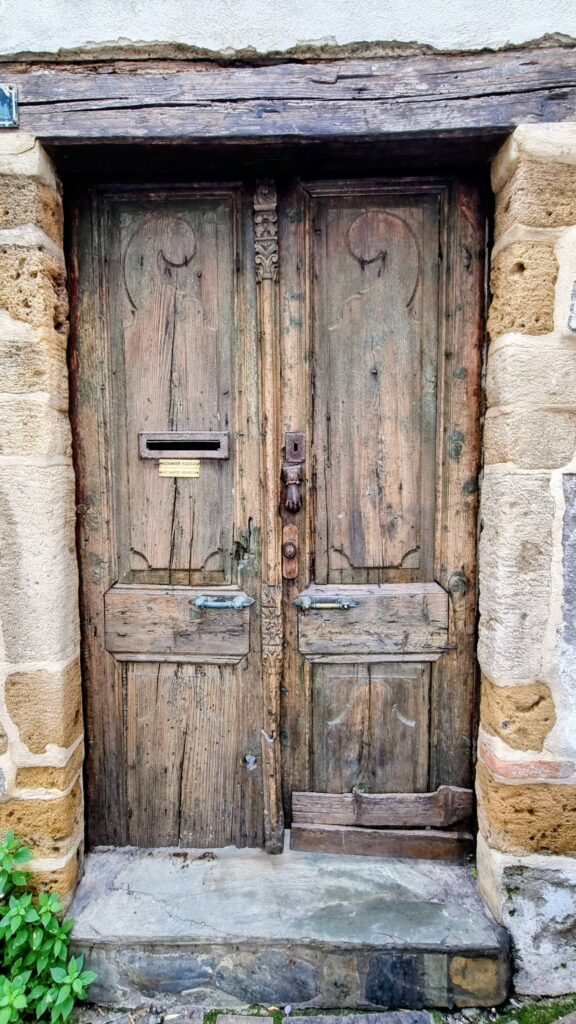
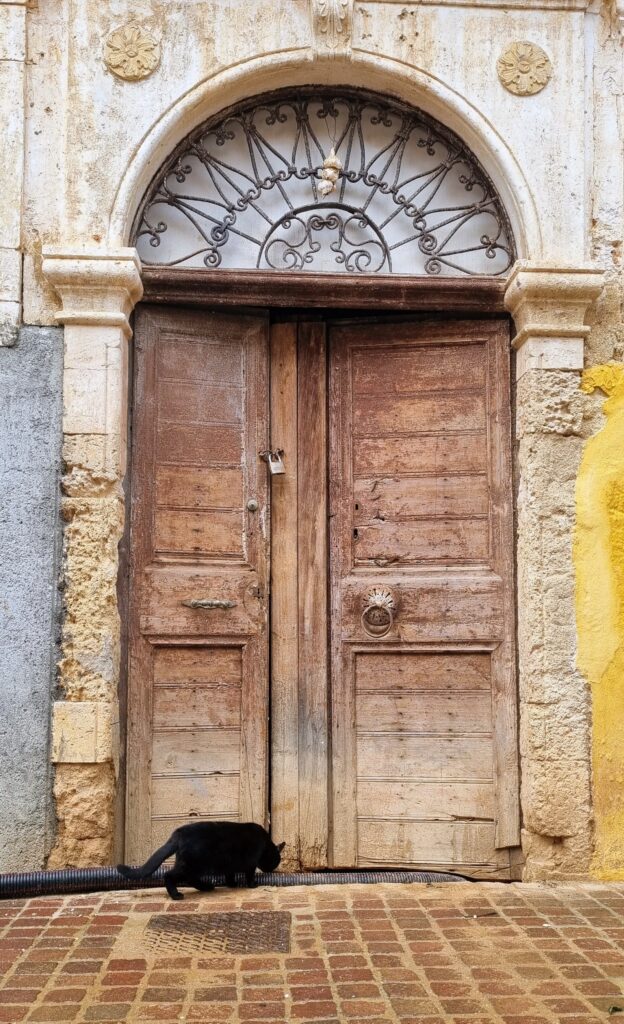
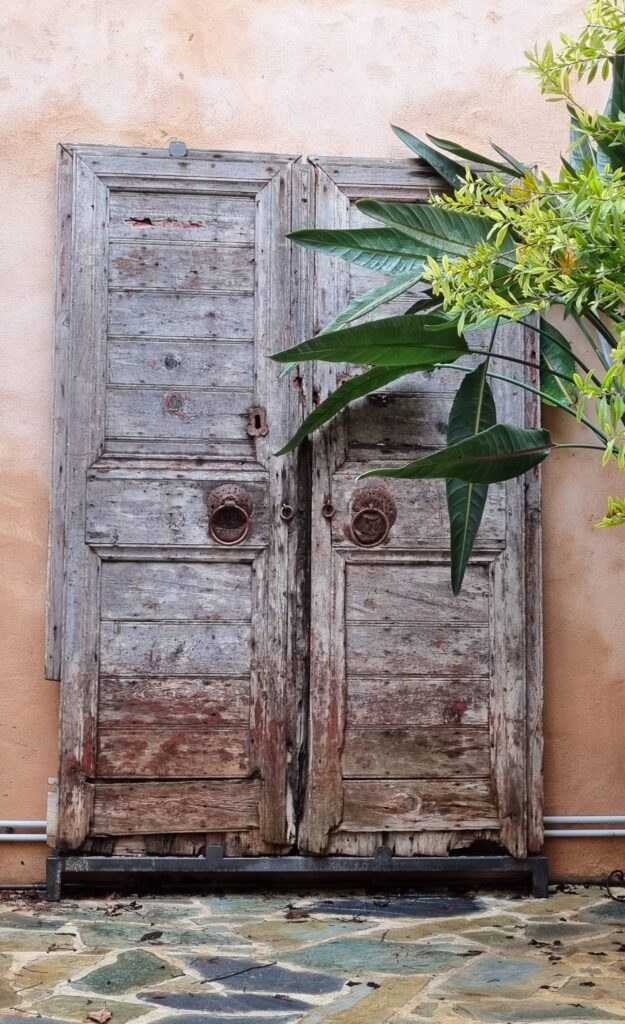
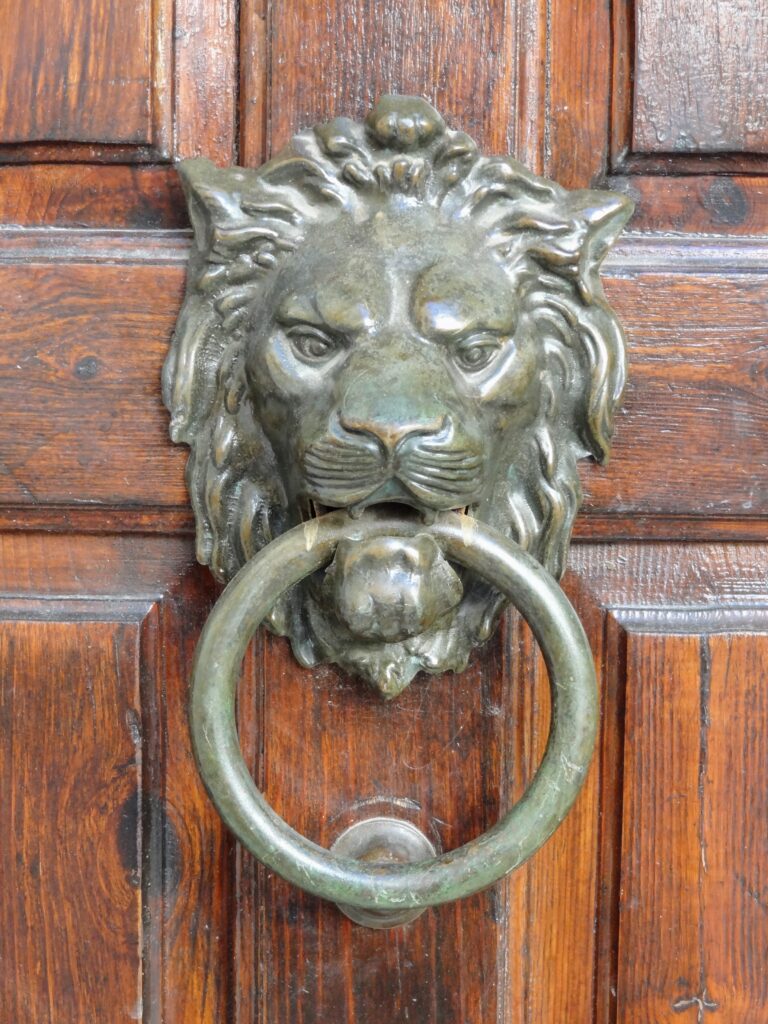
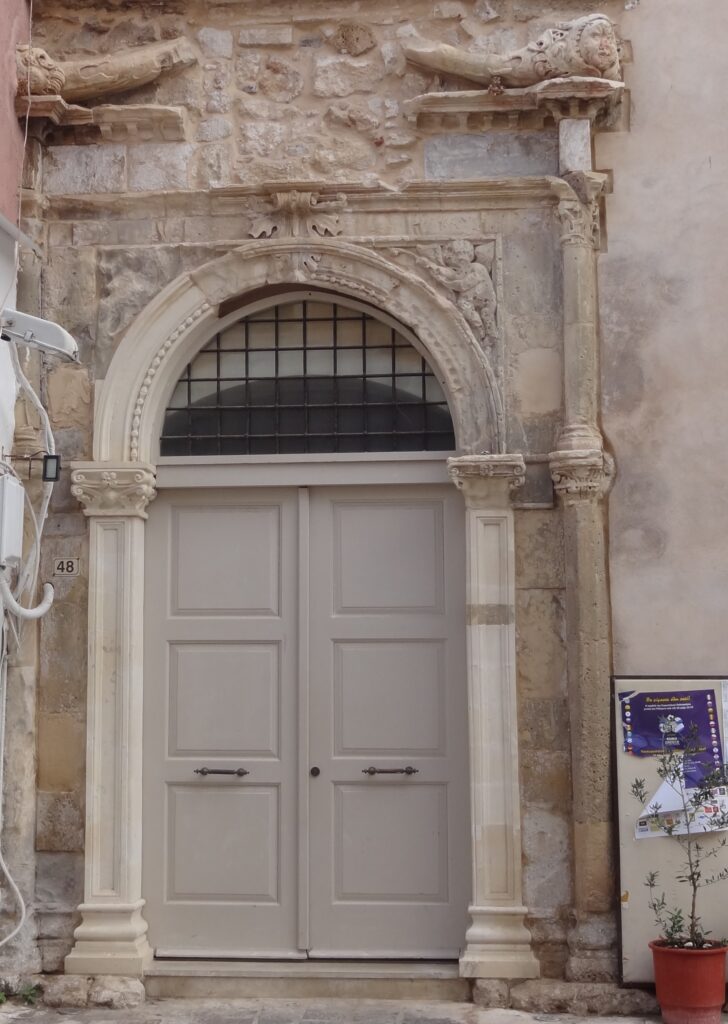
Sometimes they allow us to peek inside, often strictly shielding what is private or secret. They speak of the status of the residents, their ups and downs. Some demand that we stop respectfully and use a knocker or bell, while others allow us to glance inside through a crack worn by time. Sometimes, half-open, they invite guests in. They show time, its passage, history, civilisational changes, and bear traces of wars, shootings and protests.
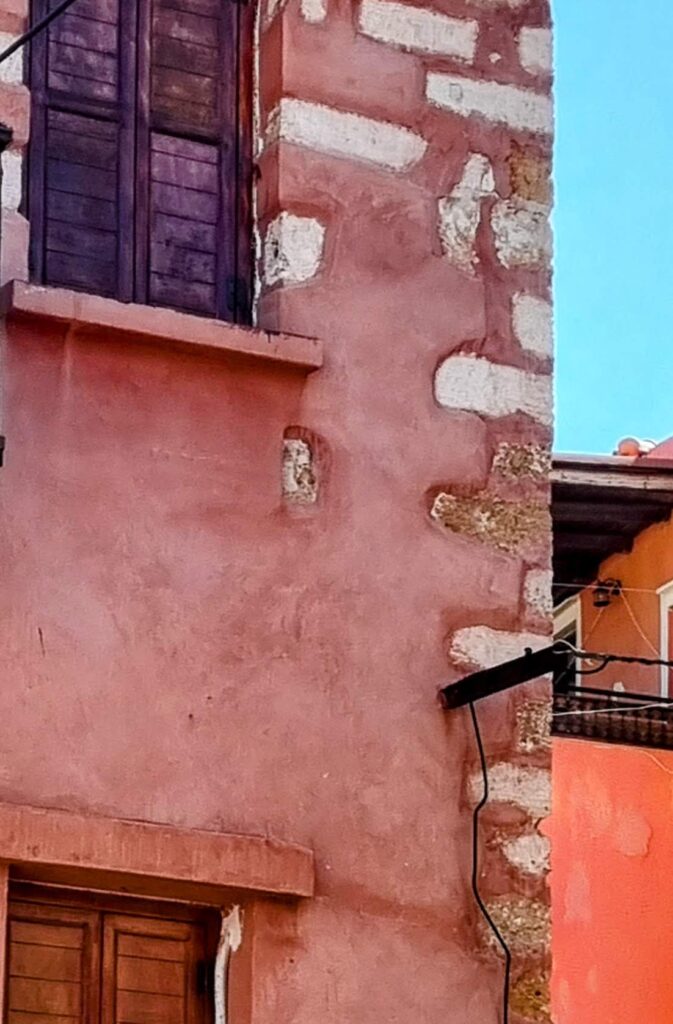
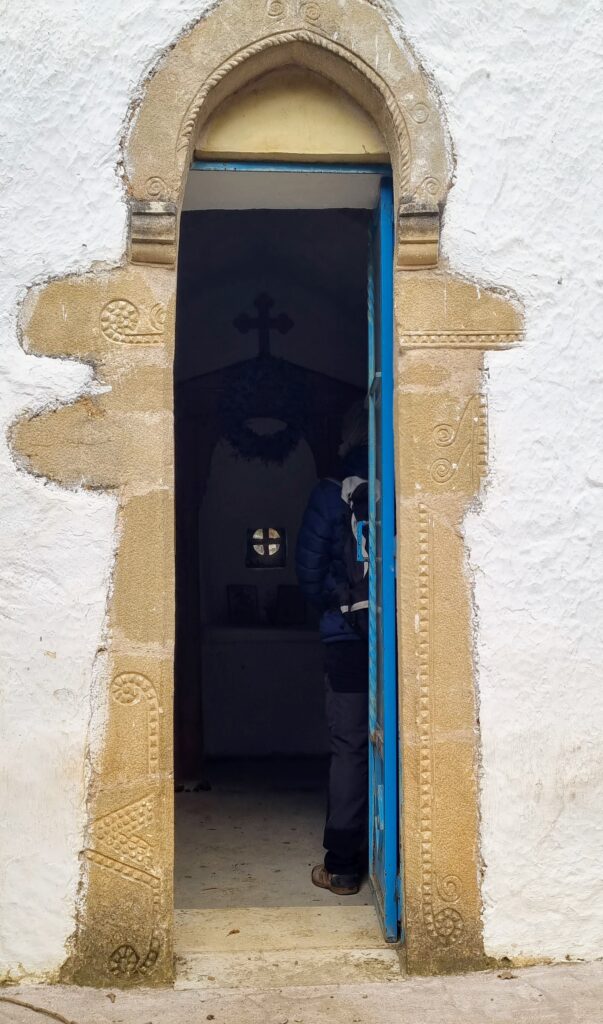
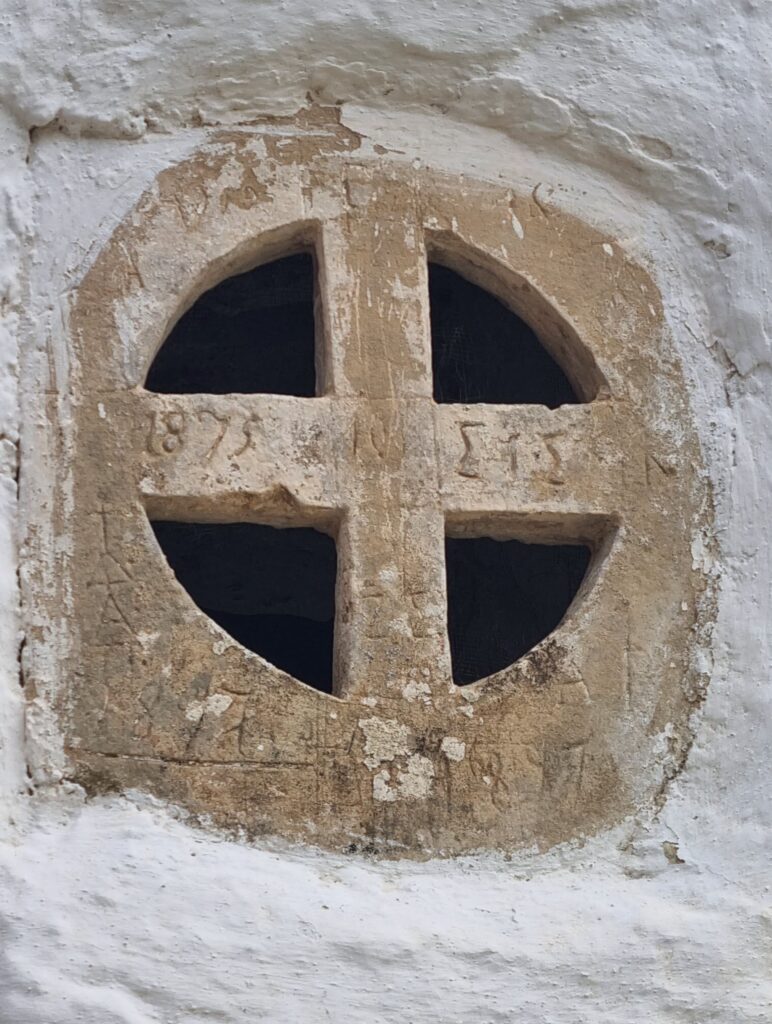
Crete is full of wonderful stories, many of which can be admired or deciphered in its ancient portals, medieval monastery gates, ornate Venetian doors with arched lintels, or distinctive red details from the Ottoman era.
In this post, I will tell you about an outstanding artist who was born in Crete, where he received his early education, before going on to become a respected and generously rewarded artist in his own time. Nearly forgotten for two centuries, suddenly, at the end of the XIX century he got rediscovered, diligently studied and admired again till our times.
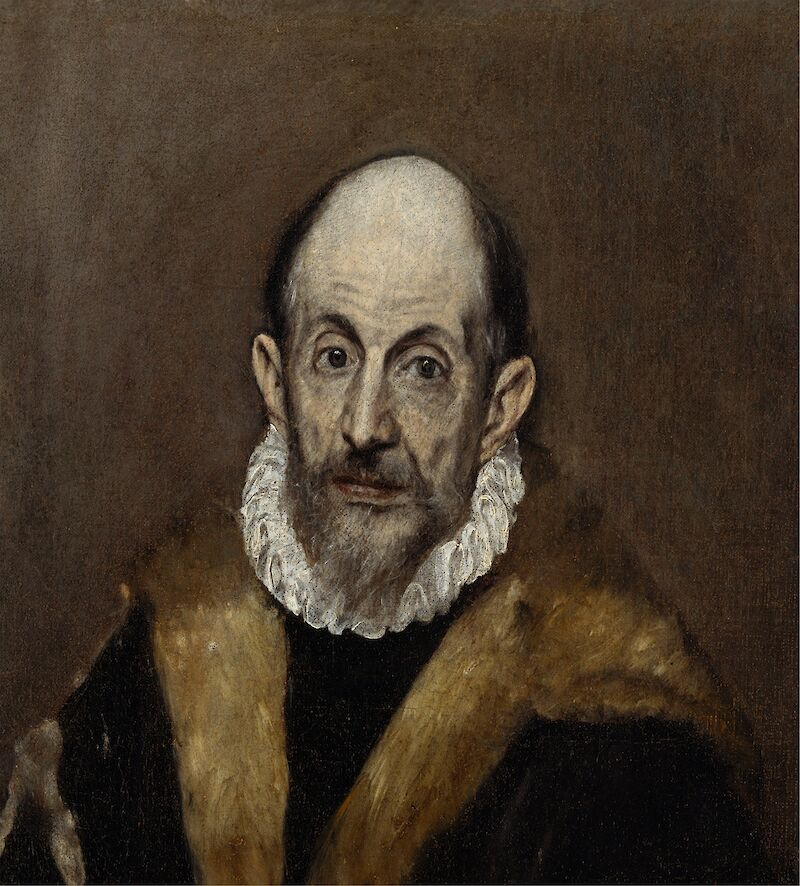
El Greco’s “Portrait of an Old Man,” believed to be a self-portrait, 1595. Credit: Public Domain
I am writing about Domenikos Theotokopoulos, known by the pseudonym El Greco. The artist was born in 1541 in Crete, near present-day Heraklion (then Candia), in the tiny village of Fodele. We must remember that at that time Crete was under the rule of the Venetian Republic, which directly influenced El Greco’s life, his fate, but also the subjects and style of his painting. It is worth mentioning that the influence of Venice did not extend to the artist’s religion though, which is remarkable considering the content of his works. It is believed that he remained an Orthodox Greek until his death.
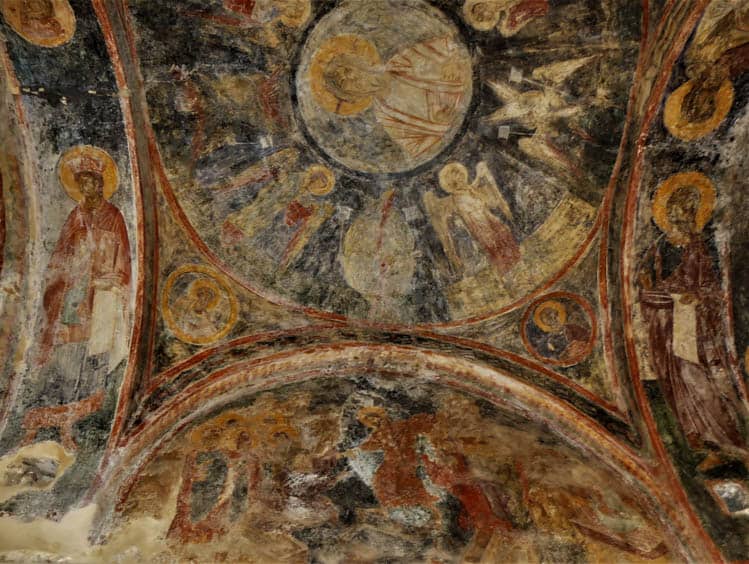
Perivleptos church – frescoes of present day Mistra ,Credits: goworldtravel.com
Domenikos Theotokopoulos initially trained in Greece. Researchers assume that he may have apprenticed at the then-famous school in Mistra in the Peloponnese, which instructed fresco painters.
Experts on his painting associate the recognisable features of his works, such as mysticism, spirituality and a peculiar tendency to elongate figures, with this school (Zawanowski, 1979). The style of his paintings from that period also suggests that he studied icon painting.
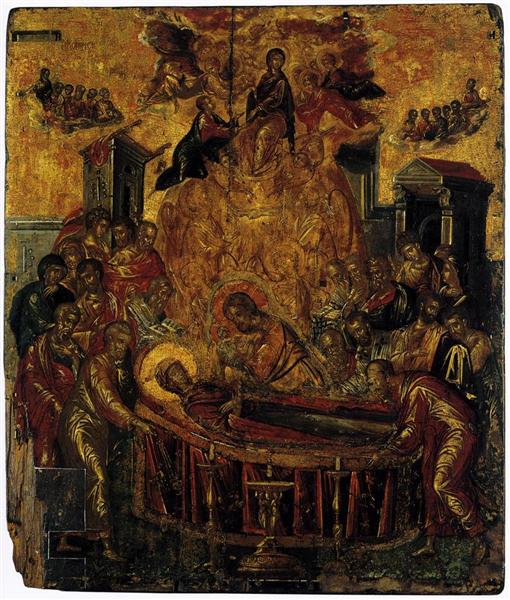
Not many paintings from the period he spent in his homeland have survived to this day, but The Dormition of Mary from 1567 and Saint Luke Painting Mary with the Child from 1560-67 are certainly considered to be among them. They reveal his training in icon painting and both are signed CHEIR DOMENIKOU. The paintings from his Cretan period are painted in tempera on a wooden support.
Credits: wikiart.com
After leaving Crete, Domeniko went to Venice, the artistic centre of the world at that time. There, he joined the Greek community, which at that time numbered 600 members. His work was undoubtedly influenced by Venetian painters such as Titian, Tintoretto and Jacopo Bassano. Researchers believe that he may have apprenticed with one of them, most likely the last one mentioned. At this time, the painter abandoned flat, gilded backgrounds and began painting on raw canvas. He began to use oil paints. Motifs characteristic of the European style appeared in his work. An example of his work from that period is the Modena Triptych, an altarpiece created between 1560 and 1565.
Credits: wikimedia.org
El Greco’s next stop was Rome. Experts agree that his stay in this city had the greatest influence on the direction of the painter’s life. He came under the protection and patronage of Cardinal Alessandro Farnese and met humanists and art patrons who would become his future clients (e.g. Fulvio Orsini, who eventually acquired seven paintings by the master from Greece). He was able to admire and critically study the works of Raphael and Michelangelo.
His painting style became more colourful and featured several light sources. The artist expanded the subject matter of his works to include portraits. He enrolled in the Guild of St. Luke in Rome under the nickname Domenico Greco. He even opened his own studio, but the competition in Rome at the time was overwhelming and did not allow him to make a name for himself there. Ultimately, he gave up his attempts to spread his wings there after the events mentioned by Giulio Mancini. According to anecdotal evidence, the painter proposed to Pius V that he cover the Sistine Chapel with new frescoes, wanting to replace Michelangelo’s admired but criticised Last Judgement with his own artistic vision. It was probably this risky proposal that forced the painter to leave Rome.
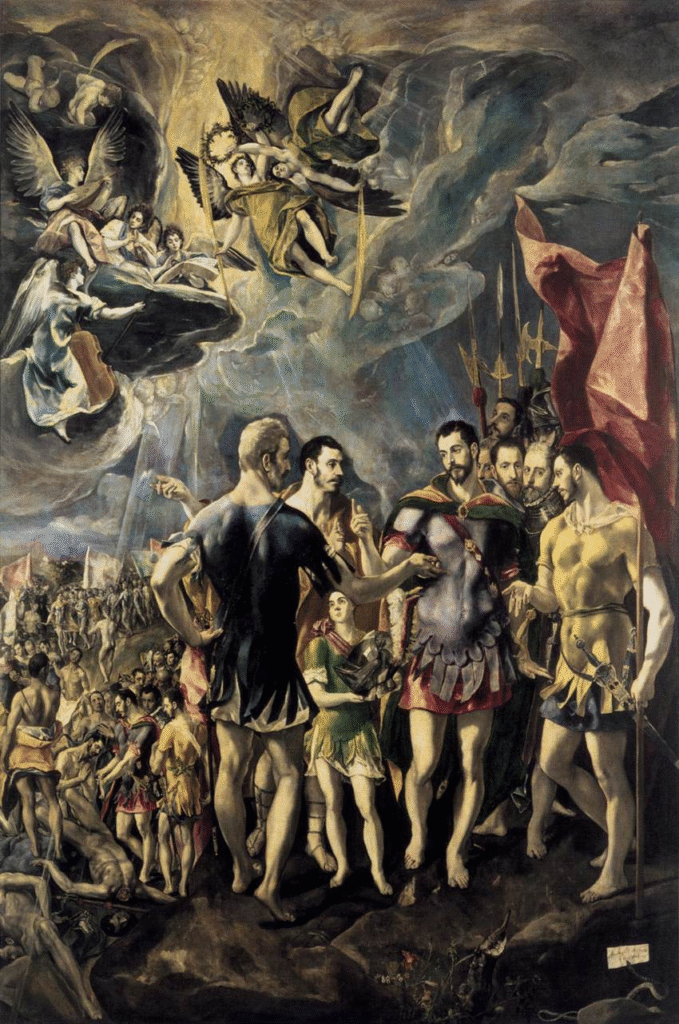
El Greco arrived in Spain, first in Madrid, then around 1576 he moved to Toledo (until recently the capital of Spain), where he received a commission to create the main altar with sculptures and paintings in the monastery of St. Dominic of Silos. and after completing the commission, he decided to settle there. Three years later, he managed to secure the commission he had been hoping for since setting foot in Spain. King Philip II commissioned a painting from the artist, who spent two years creating The Martyrdom of St. Maurice, which he hoped would open the door to work on decorating the famous Escorial (a monumental architectural complex of palaces, monasteries and libraries in San Lorenzo de El Escorial, 45 kilometres north-west of Madrid). Unfortunately, Philip II did not like the painting enough to hang it in the newly built palace. However, it did find its way into the royal collection.
Credits: wikiarts.org
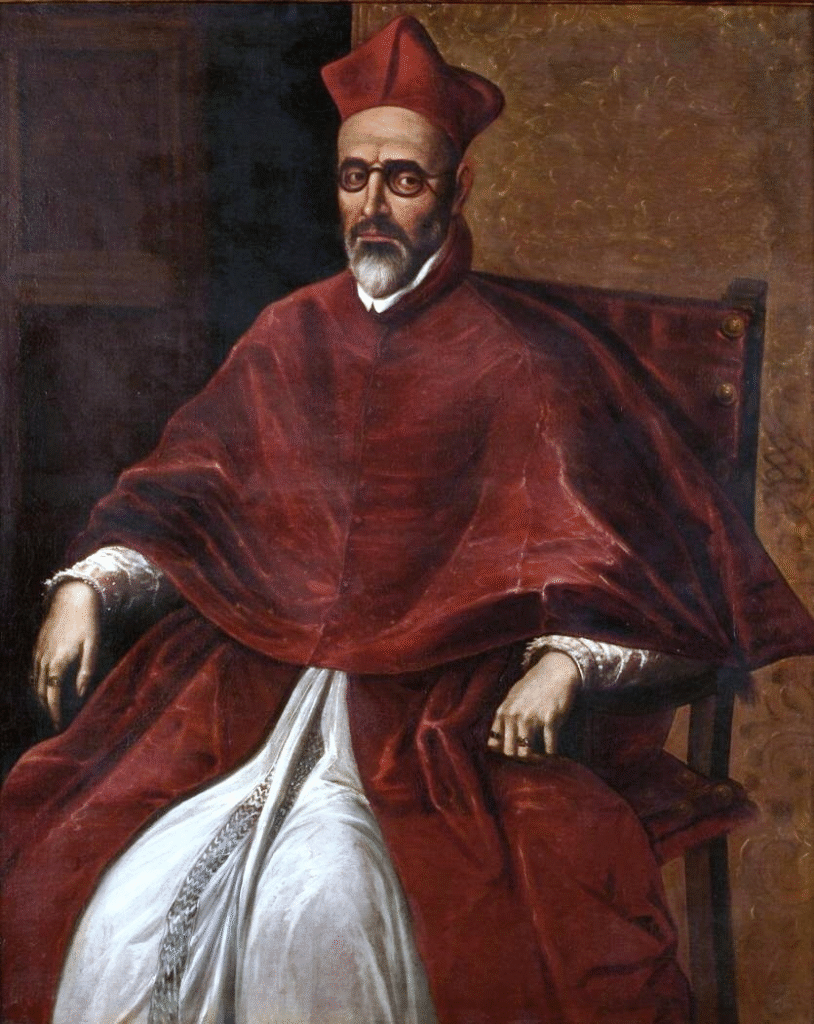
El Greco’s work was strongly influenced by the socio-political situation of the time. In conservative Spain, El Greco had to deal with the Inquisition, and the famous ‘Portrait of a Cardinal’ most likely depicts the Grand Inquisitor of Toledo, Ferdinand Nino de Guevara.
Credits: spanishbaroqueart.tumblr.com
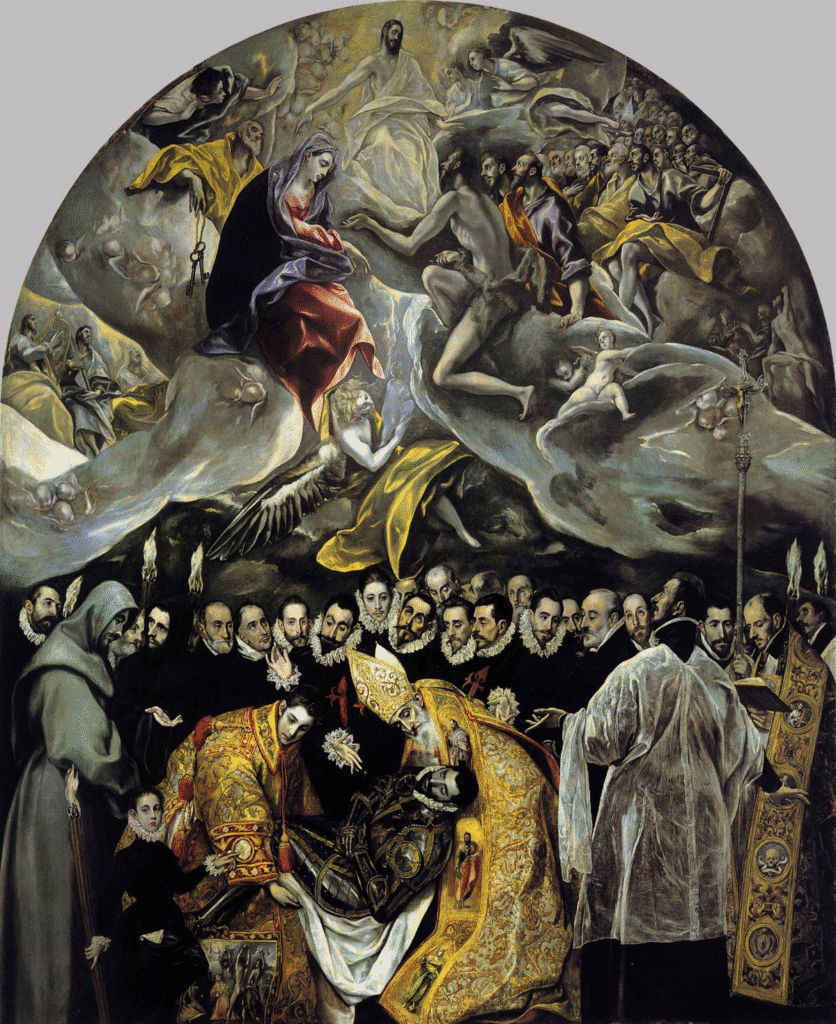
Another admired painting from that period is ‘The Burial of the Count of Orgaz’ (1586-88), which is evidence of the artist’s development of a new Baroque style. Among the people immortalised as participants in the ceremony, many figures contemporary to the painter can be recognised, as well as El Greco himself (the nobleman directly above St. Stephen) and his son, Jorge Manuel (the page). The artist placed his signature on a handkerchief in the young page’s pocket. It bears the date 1578, which is not the date the painting was created, but the date of his son’s birth.
Credits: wikipedia.com
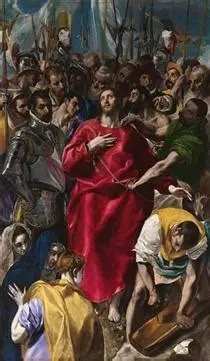
His son was born from his relationship (most likely marriage, as it is difficult to imagine the Spanish elite of that time functioning on any other basis) with Jeronima de las Guevas. It is believed that the artist’s wife could be seen portrayed as Magdalene in the painting ‘The Disrobing of Saint Luke’.
Credits: wikiart.org
It is difficult to estimate how many works El Greco left behind. The numbers range from 200 to over 800 (including variants). Most of them are religious paintings, portraits of saints (128 Francises!).
Domenikos Theotokoplos died on 7 April 1614, but since the church where his ashes were laid to rest was demolished, his burial place no longer exists.
When you are in Crete, you can visit Fodele, the village where the artist was born. There is a small museum dedicated to him, where some replicas of his paintings are exhibited.
The Historical Museum of Crete in Heraklion presents two of his original works – ‘The Baptism of Jesus’ and ‘View of Mount Sinai and St. Catherine’s Monastery’, both from the artist’s Venetian period.
In writng this post, I used the following sources: Historia Brzydoty, U. Eco, 2007, wikipedia.com, wszystkoconajwazniejsze.pl
I believe that everyone has heard about Orthodox monasteries in Greece. The monastic cuisine is a culinary tradition naturally shaped by centuries of Orthodox Christian fasting, local agricultural practices, and in case of Crete abundant natural resources. Cretan monks cook with fresh vegetables, wild greens, legumes, and grains, all seasoned with local herbs like oregano, thyme, marjoram, and fennel.
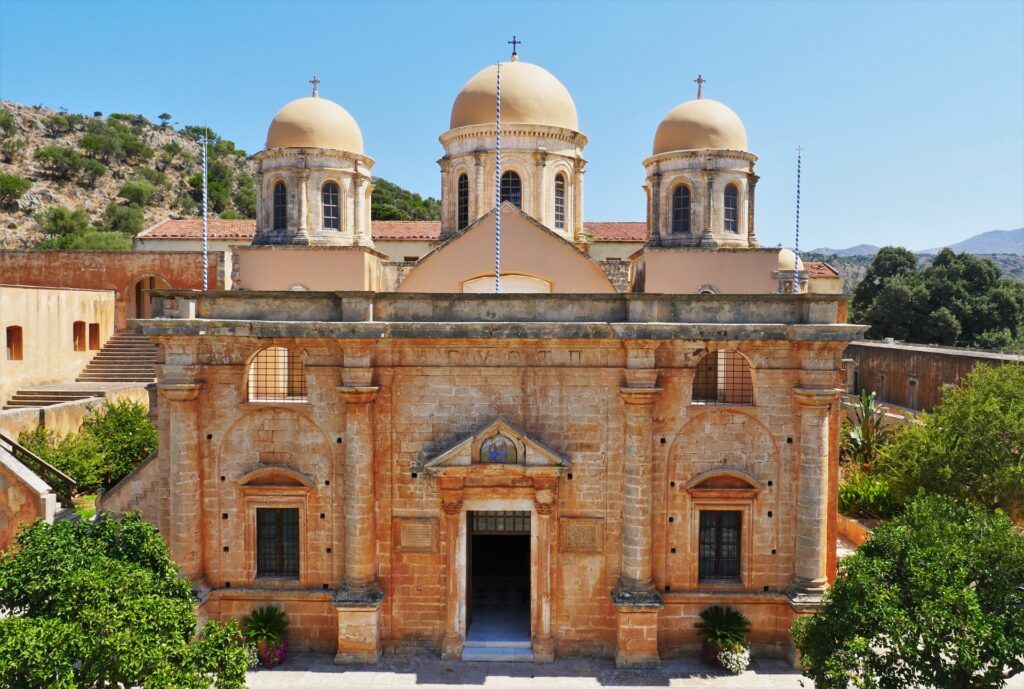
Agia Triada Monastery in Crete
photo credit allincrete.com
Both, the attitude and the practice is shared by plenty of the faithfull and as there are numerous days associated with religious holidays in Greece, many who wish to follow the recommendations of the church may and do fast or follow a restrictive diet for up to two hundred days a year.
Fasting was and is intended to prepare us for the coming holiday, to cleanse our bodies, but also indirectly our souls, to make us lighter. Its purpose was also to instil discipline in us, to teach us to limit ourselves and to appreciate what we have.
Nowadays, we read a lot about the growing popularity of intermittent fasting, which contributes to weight loss, but also to improved health and well-being.
Vegetarianism and veganism, which are becoming increasingly widespread, are an expression of a deep concern for animals, the climate and resources.
All these aspects indicate that it may be worth taking advantage of the wide range of excellent dishes that have been part of the cuisine of the Balkan countries and the Middle East for centuries.
I do not plan to describe the holidays and diets associated with them in detail, but for those interested, I highly recommend Georgina Hayden’s cookbook ‘Nistisima’, which inspired me to write this post. Instead, I will focus on a few interesting facts:
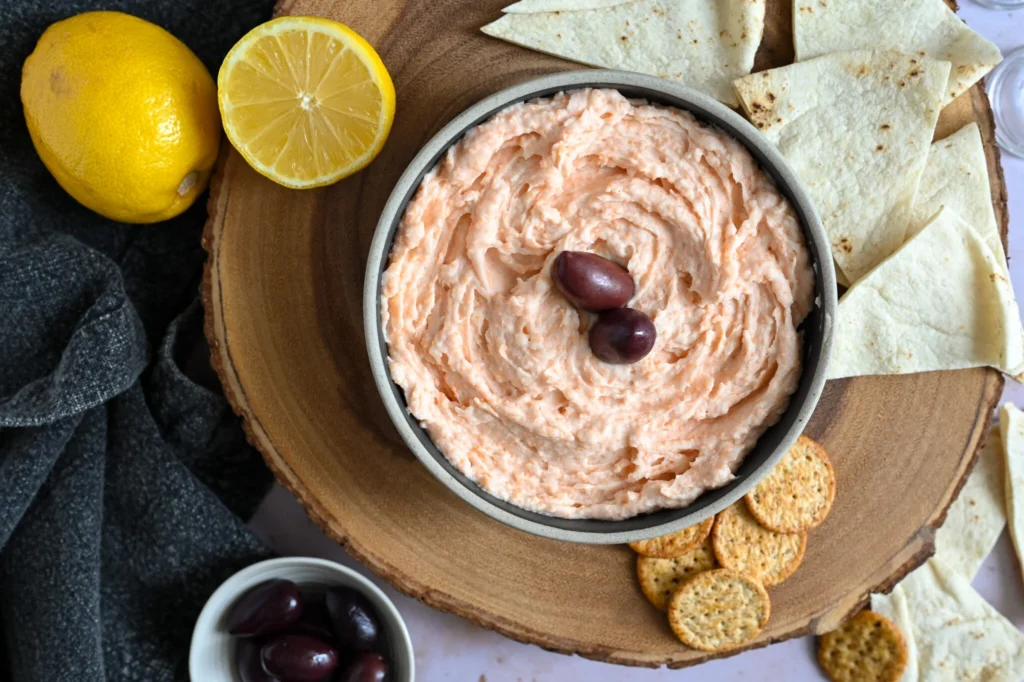
– Some holidays allow the consumption of seafood, but it is important that the creatures do not have a spine (e.g. mussels and taramosalata – a salad with roe – are allowed).
– Often, olive oil is not allowed. This is because in the past it was stored in sheep’s skin.
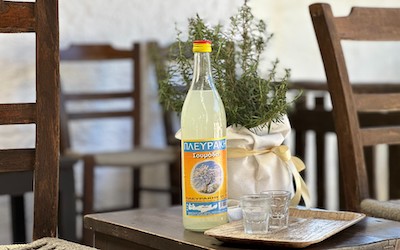
– Almond milk, a substitute for cow’s milk, has been known in Greece, Cyprus and the eastern Mediterranean for a very long time. It is called soumada. In Crete, it is made with a mixture of fresh, locally-grown almonds, sugar, and water, which is simmered in sugar syrup to create this drink.
The most popular vegetarian dishes available daily in traditional Greek restaurants are:
Fava – split pea paste
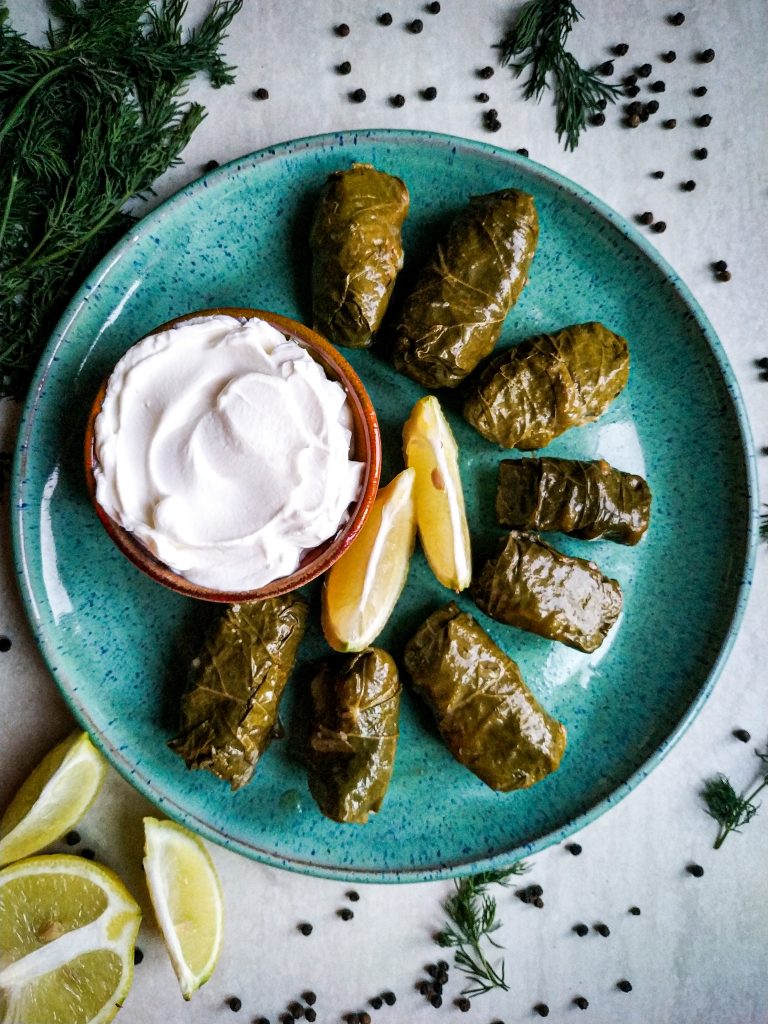
Dolmades – grape leaves stuffed with seasoned rice, sometimes with pine nuts or raisins
Gemista – stuffed vegetables
Lachanorizo – cabbage and rice stew
Melitzanosalata – eggplant dip
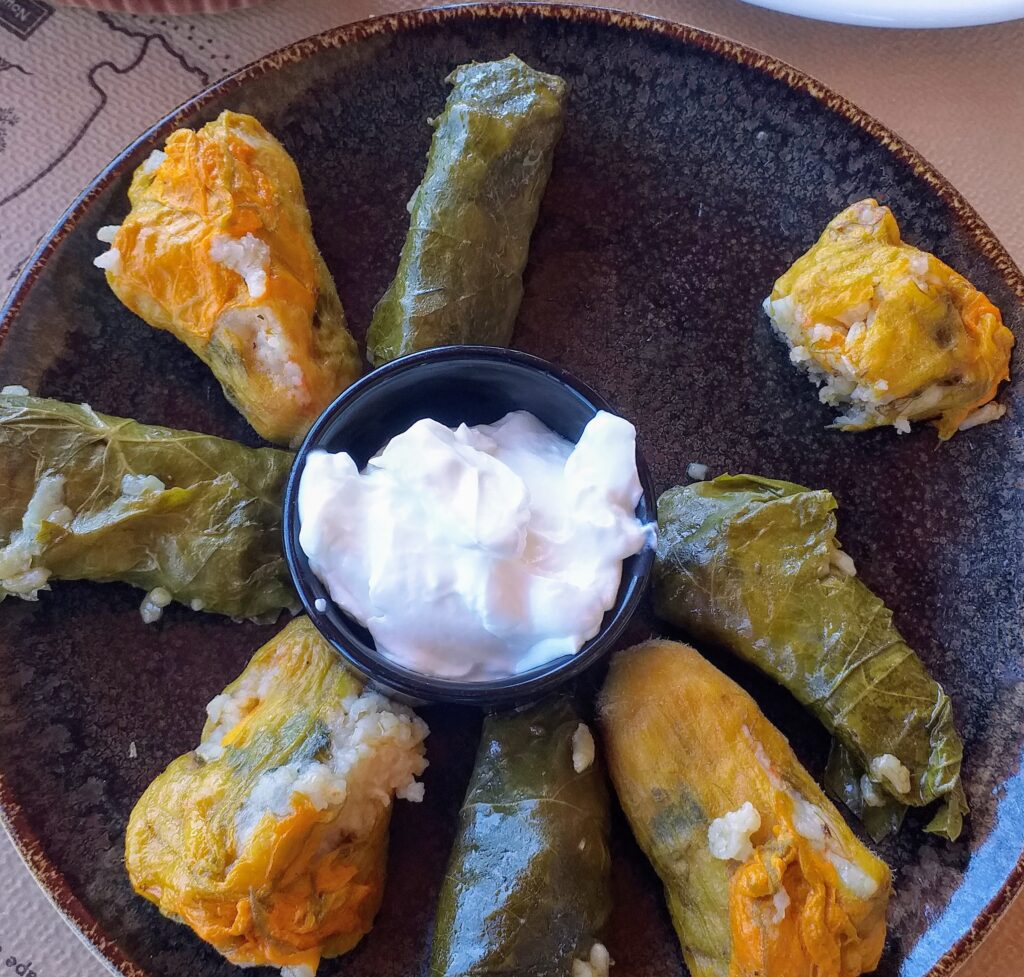
Kolokithoanthi – stuffed courgette flowers
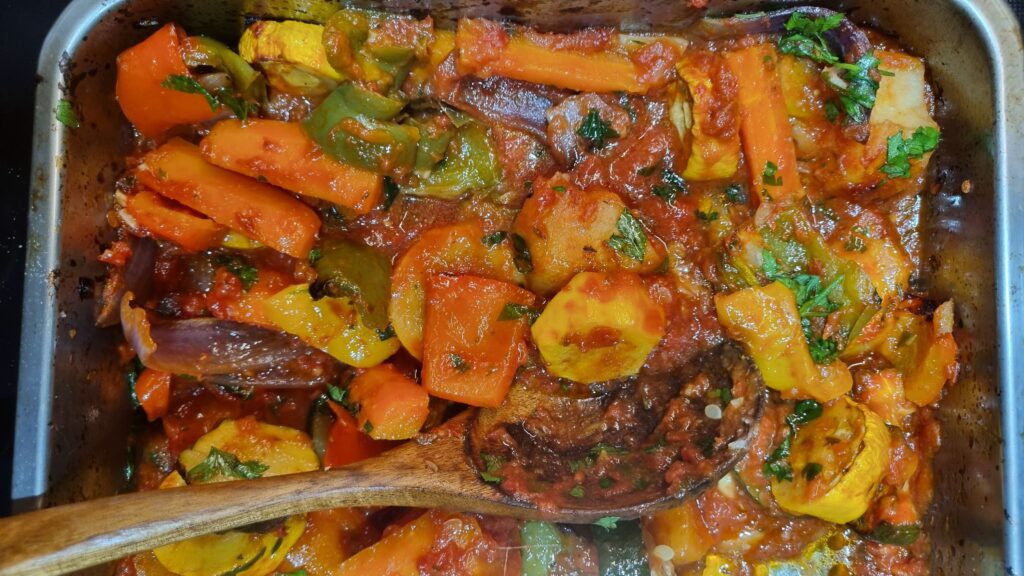
Briam – roasted vegetables medley
This one in the photo is homemade, but still (or maybe more) delicious !
This post was inspired by and used some information from the book ‘Nistisima’ by Georgina Hayden
The Second World War began for Greece not without warning, but suddenly.
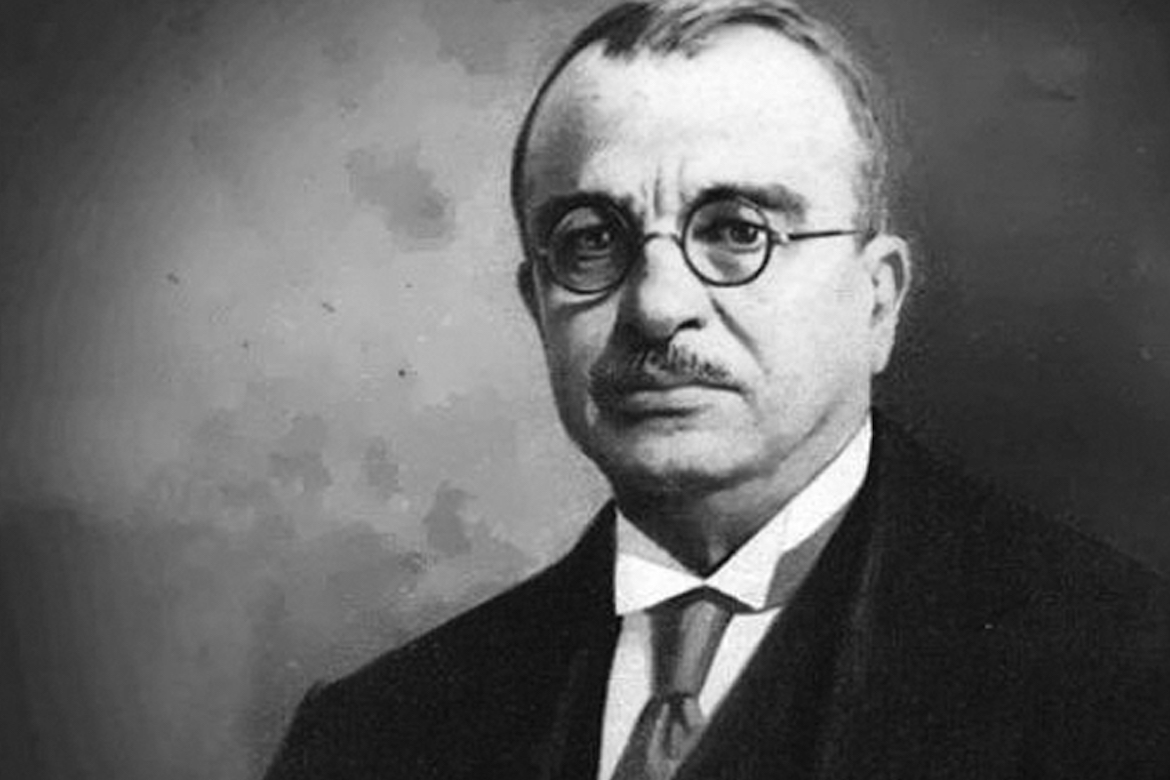
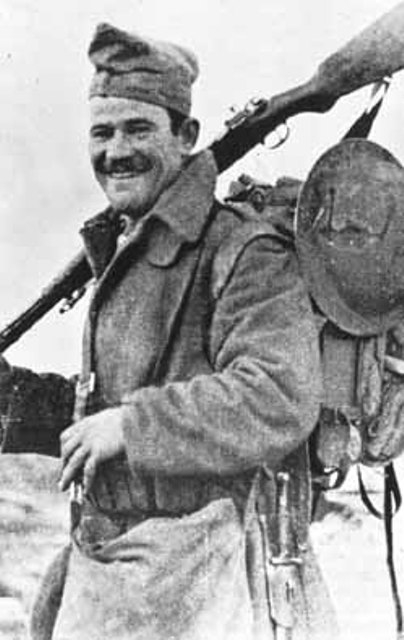
Shortly after 3 a.m. on 28 October 1940, Greek Prime Minister Ioannis Metaxas was harshly awakened by the envoy of Italian Ambassador Emanuele Grazzi. The Greek Prime Minister was presented with a written ultimatum. Italy, led by Benito Mussolini, together with the Axis powers, demanded access to strategic positions in Greece. Rejection of this condition would mean the start of war. Prime Minister Metaxas proudly replied to the ultimatum, ‘Alors, c’est la guerre!’, which means ‘Then we have war!’ in French.
Ioannis Metaxas
photo credit omilo.com
However, in popular historical accounts, reinforced by memories of protesters shouting ‘όχι!’ which means ‘no!’ at the news of the Italian ultimatum, the Greek Prime Minister’s response has been perpetuated as ‘όχι!’.
Italy’s response was immediate. Less than three hours after Prime Minister Metaxas’s tough retort, Italian troops began hostilities by attacking from Albania.
photo credit dcstamps.com
At first, the war in Greece was fought mainly in the wild mountains of Epirus, where, to Mussolini’s great surprise, Greek guerrillas (antarates) managed to force the Italian army to retreat. It was only a massive attack by the Axis powers in April 1941 that forced Greece to surrender and marked the beginning of a bloody occupation that lasted until October 1944 (the German garrison in Crete remained until May 1945).
photo credit dailycrete.com
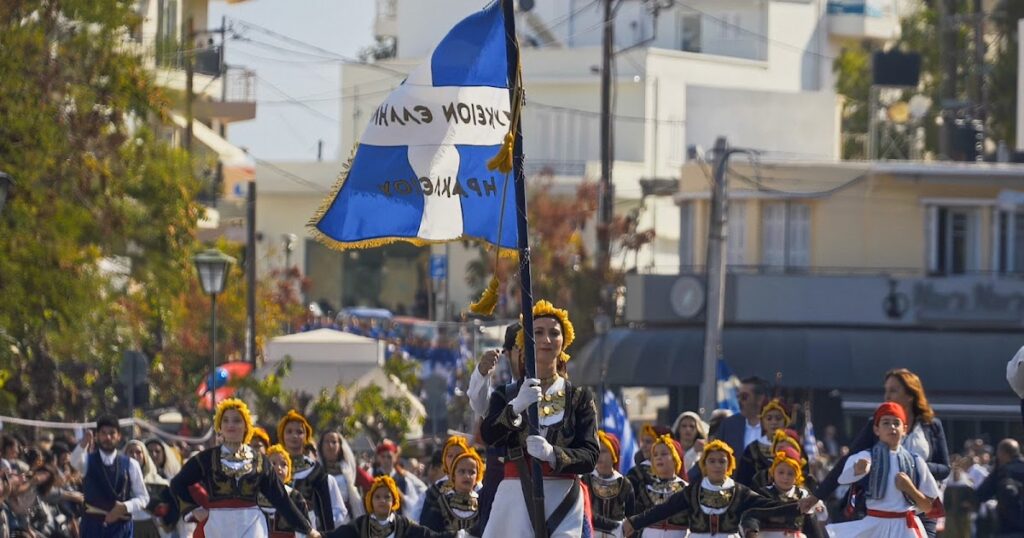
The anniversary of the events of 1940 is an important holiday in Greece. Offices, schools and many businesses are closed on this day. Patriotic parades are organised, white and blue flags fly everywhere, people sing and listen to patriotic songs and cafés and restaurants are filled with the Greek proudly celebrating this historic event.
In fact, in every tavern, and certainly in a traditional Greek tavern, you will find dolmades (or dolmadakia, the diminutive form) among the starters. What is it? Of the dishes known to us Poles, it most resembles stuffed cabbage rolls, except that it has a vegan filling based on rice with onion, parsley and herbs, which is formed into neat oblong parcels using young grape leaves.
Although the roots of this dish are Turkish, it is now considered typically Greek, served cold, lightly drizzled with olive oil, but I have also eaten it warm with yoghurt to break up the flavour.
It is worth mentioning that during the season when they are available, courgette flowers are also stuffed with the same filling. It tastes like heaven and the chefs at To Stachi in Chania are masters at preparing them.
This reminds me of a little anecdote. Twenty years ago, I attended my first Greek language course. It took place in Warsaw, at the Olimp Society, and the classes were taught by Lefteris Tsirmirakis, who was already quite elderly at the time, but still full of vigour and wit. Our teacher found himself in Poland shortly after the war, fleeing the persecution that threatened all members of the Communist Party of Greece, especially the partisans. In Poland, he started a family, marrying a Polish woman. He was a great Greek patriot and tried to infect us with his fascination for his country of origin. He did this by sometimes bringing delicacies to class that he had grown up with in the Thessaloniki area. One day, he brought dolmadakia made by his Polish wife and was clearly proud that she knew how to prepare this typical Greek delicacy so well 🙂
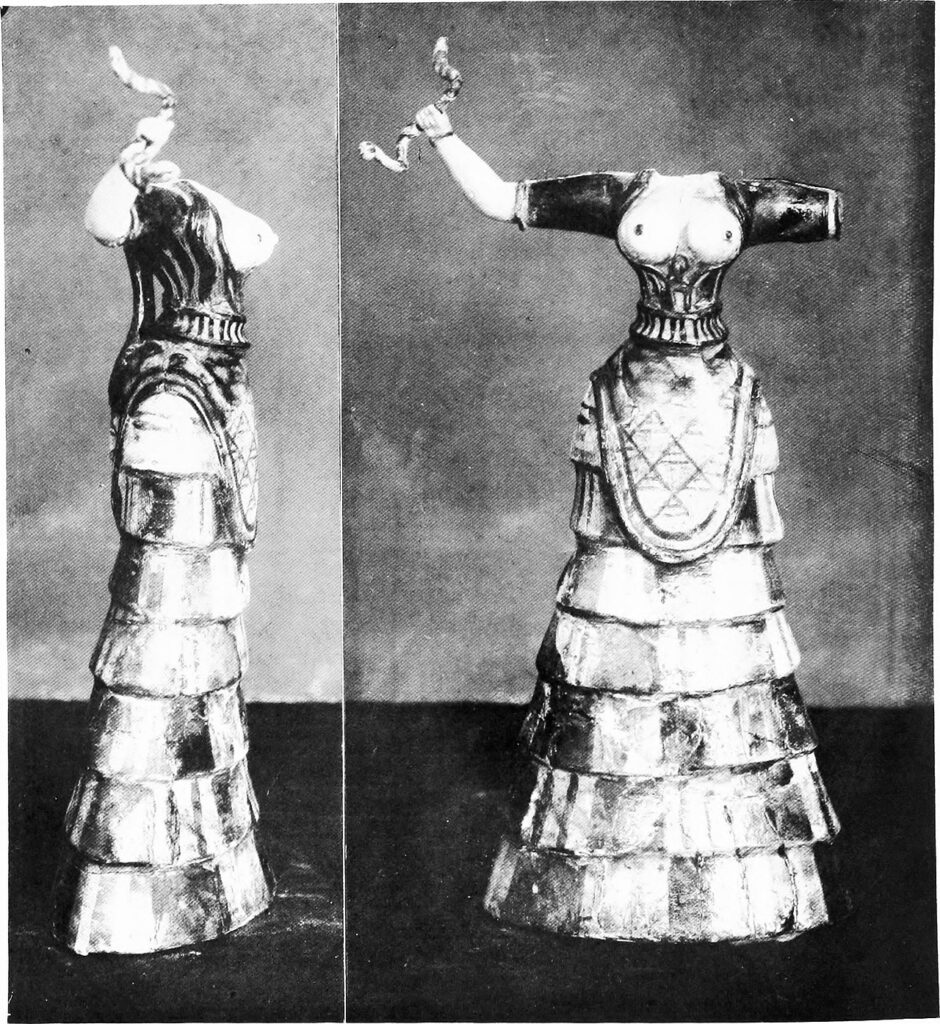
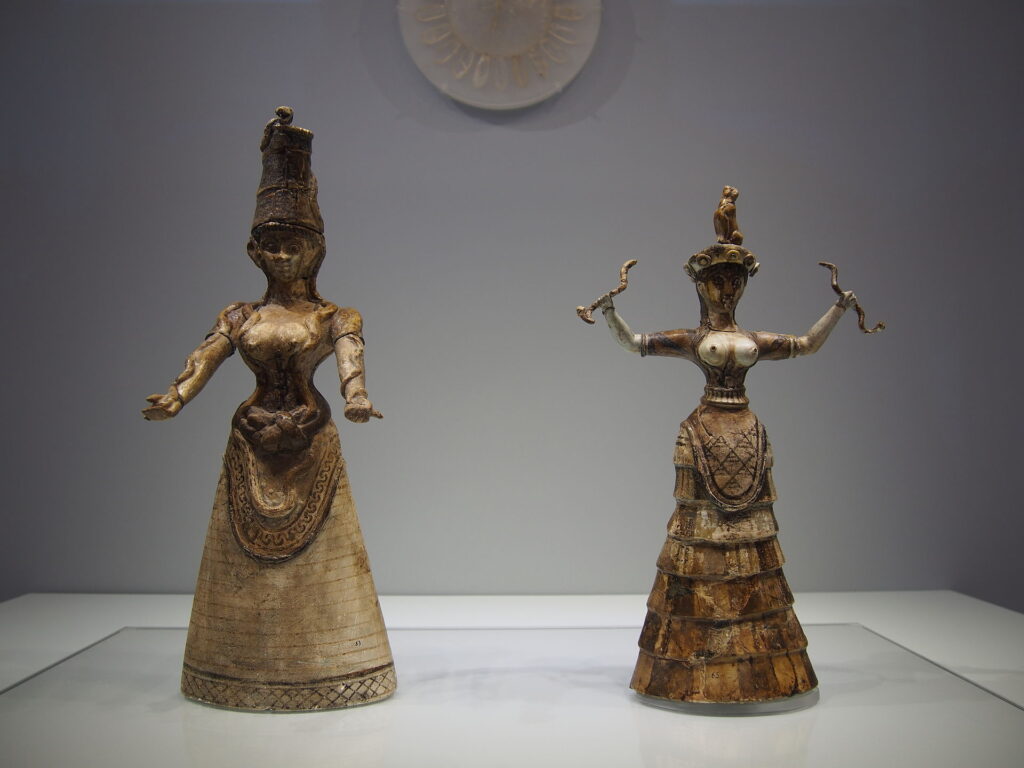
The Snake Goddess is one of the most recognisable artefacts of the Minoan civilisation, dating back to around 1600 BC. The statuette, excavated at the Palace of Knossos by Sir Arthur Evans in 1903, was considered enigmatic and shrouded in mystery from the outset, and the explorer’s actions further confused the matter.
Sir Evans, known for his rather free but creative approach to interpreting finds, actually excavated two figurines, not one. The better known one was incomplete, missing one arm and the head. The archaeologist decided that it would be reconstructed from other elements found at the excavation site. In his reconstruction, he was strongly influenced by the appearance of the second statue excavated.
photo credit Wkipedia
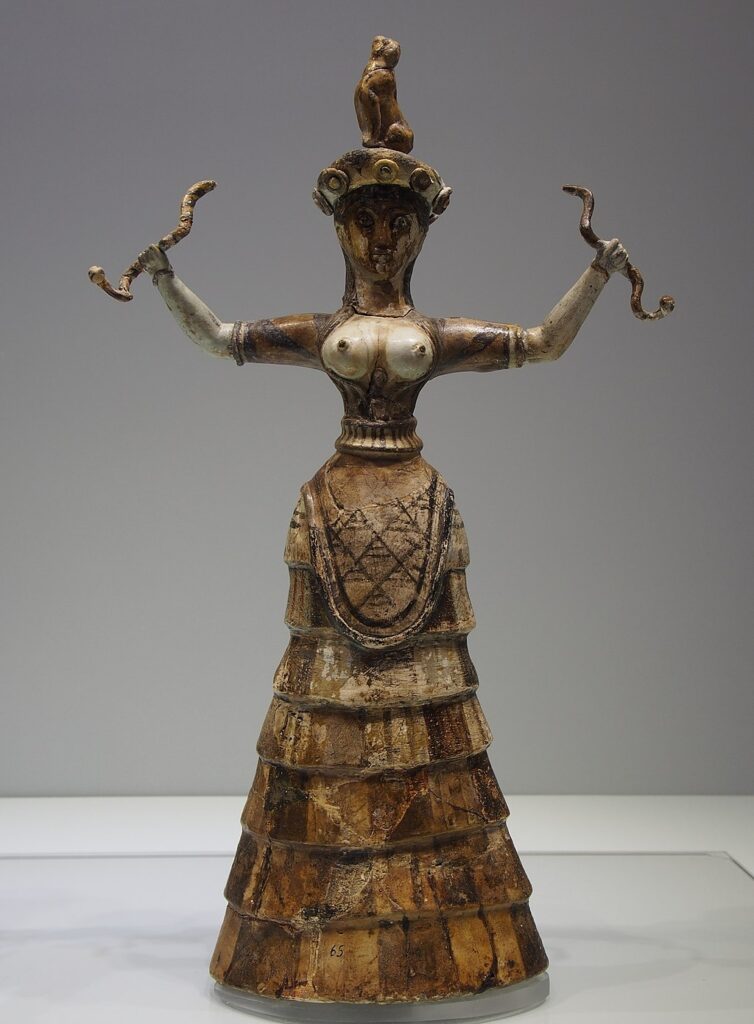
The result was a 30-centimetre faience figurine (the fired faience was painted and its surface shone) depicting a woman dressed in an ornate Minoan dress, with exposed breasts, two snakes in her raised hands and a cat or panther on her head. It is worth mentioning that the individual parts of the statuette were fired separately and then joined together with wire.
photo credit Wikipedia
The fun began when researchers attempted to interpret the meaning of this find. Sir Evans arbitrarily called her a goddess, but is that really what she represents? It is believed that she could also have been a priestess or even a wealthy woman.
The animals surrounding her led some scientists to conclude that she was the Lady of the Animals, but if we assume that Evans incorrectly added the cat to her head and that the snakes are actually strings or twigs (as claimed by scientist Emily Bonney), this interpretation loses its meaning. If we assume that they are indeed snakes, there are also different ways of interpreting them. On the one hand, as in Mesopotamia and ancient India, they were a symbol of rebirth and renewal. On the other hand, there are voices interpreting them as a sign of death and the afterlife.
photo credit Wikipedia
Even the abundant, exposed breasts are ambiguous. In Greek religion, they are a symbol of fertility, but in ancient Egypt they symbolised mourning, and we find such a reference in Homer’s Iliad.
Interestingly, the mystery hidden in the statue and its attractive, sensual appearance caused such a sensation and desire that there was a proliferation of ‘miraculous’ discoveries of other Snake Goddesses, which were, of course, fakes. Two fakes are particularly well known because they can still be found in the collections of respected museums today! One is in the Museum of Fine Arts in Boston and is an ivory figurine purchased in 1914. The second masterful forgery is a steatite statue of a naked woman with snakes adorning her head, purchased from a dealer in Paris by Henry Walters in 1929 and brought to the Baltimore Museum in 1931.
The authentic figurine, dating back over 3,500 years, can be viewed in the excellent Archaeological Museum in Heraklion, Crete.
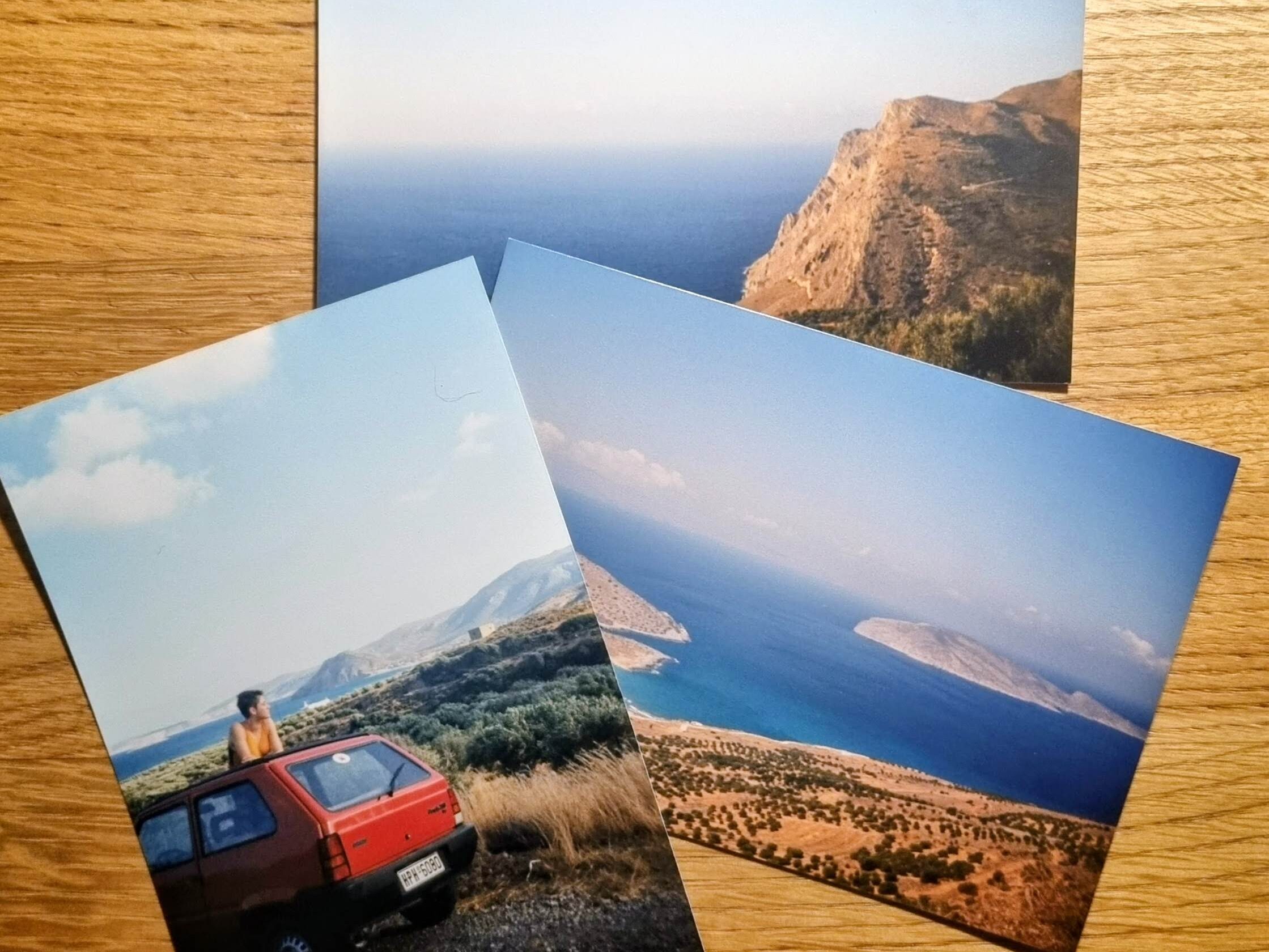
I first set foot in Crete in 1995. We had so little money at the time that the small amount we had saved allowed us to escape from an uninteresting town near Heraklion for only two trips. One day by car, to the southern tip of the island, through the mountains, to Vai beach, and one day by scooter (oh my God!) to the caves carved into the rocks in Matala. Although we came back from the scooter trip soaked, because somehow it was raining in the summer, I also came back stunned by the beauty of this island.
It was love.
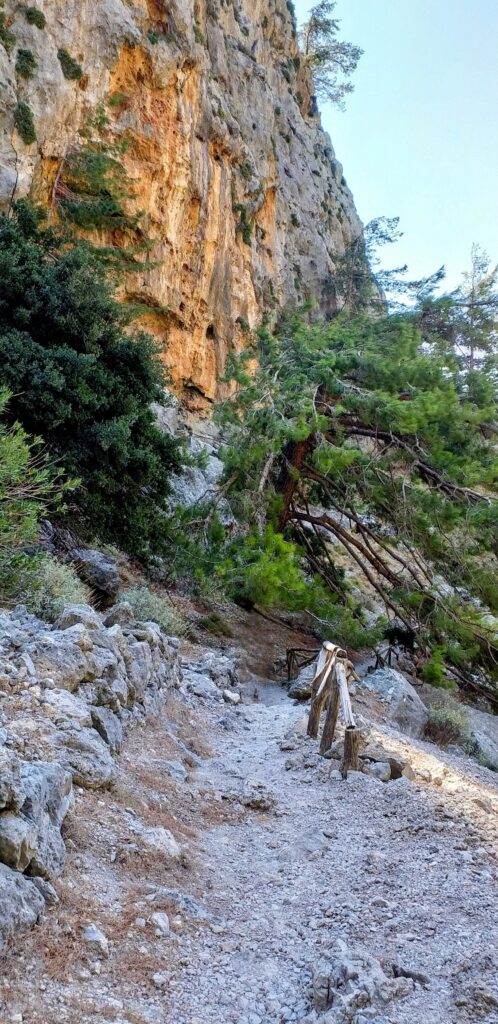
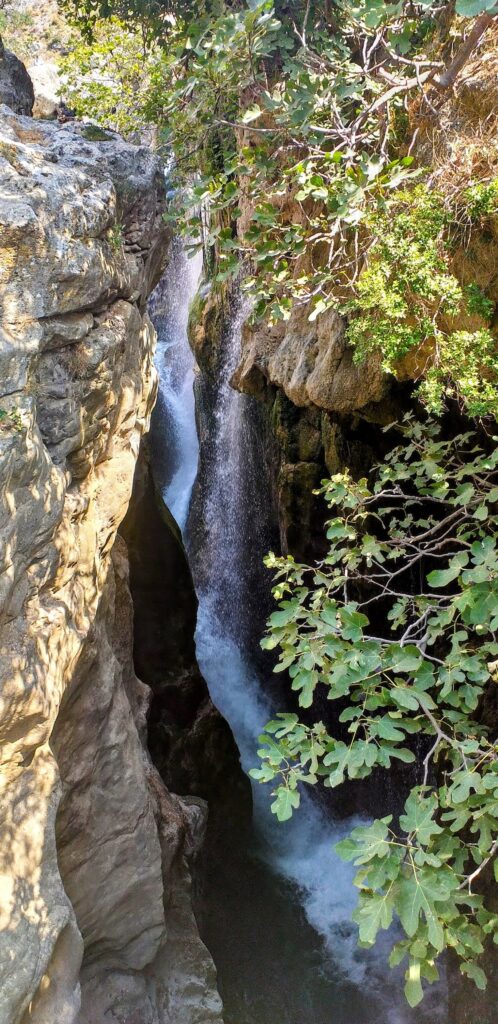
Since then, I have visited Crete many times. And basically every time, whether we were as a couple, with a child, or I was travelling alone, I went to the nearest accessible gorge. Because hiking in gorges is my thing, my passion, my beloved activity.
And in Crete, mainly in the west, there are over 400 of them!!! From pleasant walks with children, through more technically demanding ones with ropes and ladders, to the famous Samaria (not recommended in summer), the longest dry gorge in Europe.
So… there’s plenty to do!
From Chania, where we invite you to our Thimari Gardens, you can easily reach several interesting gorges within two hours, and private buses will also take you to Samaria.
Let me start from the end. Summer is not the best time to visit this place. It is hot, really hot, and you are exposed to the scorching sun, because most of what you want to see is located in open courtyards or terraces.
But if you have no choice because you are on holiday in Crete in August and consider the Palace of Knossos a must-see (after all, it ranks second among the most visited archaeological sites in Greece, after the Acropolis), do it in the morning, right after opening, or an hour or an hour and a half before closing.
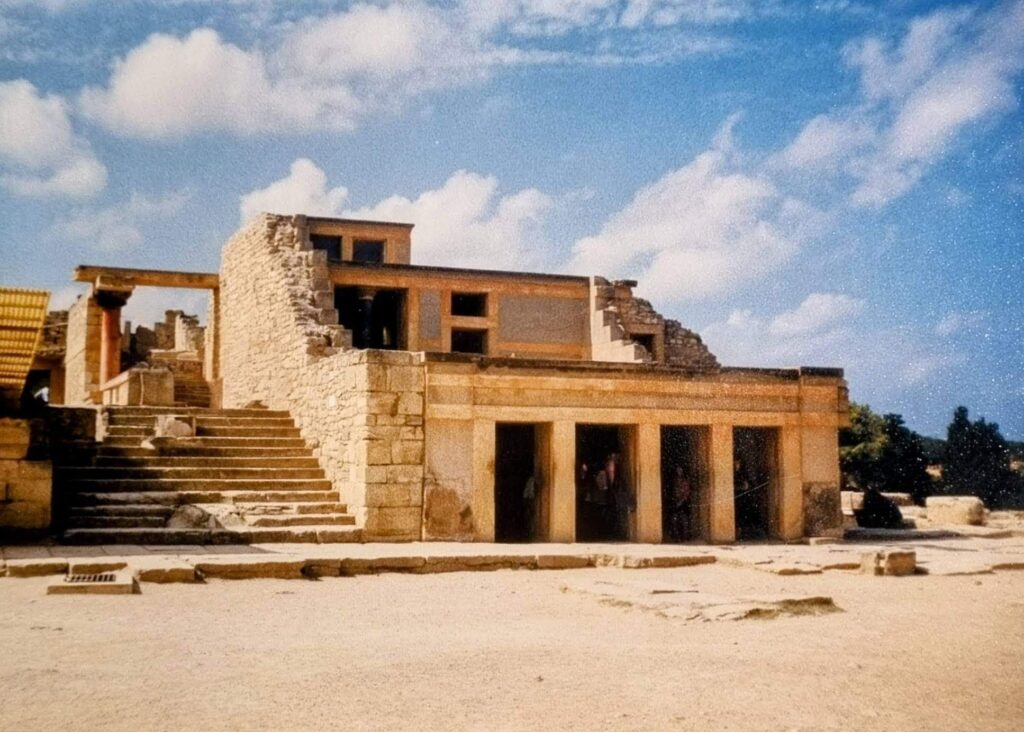
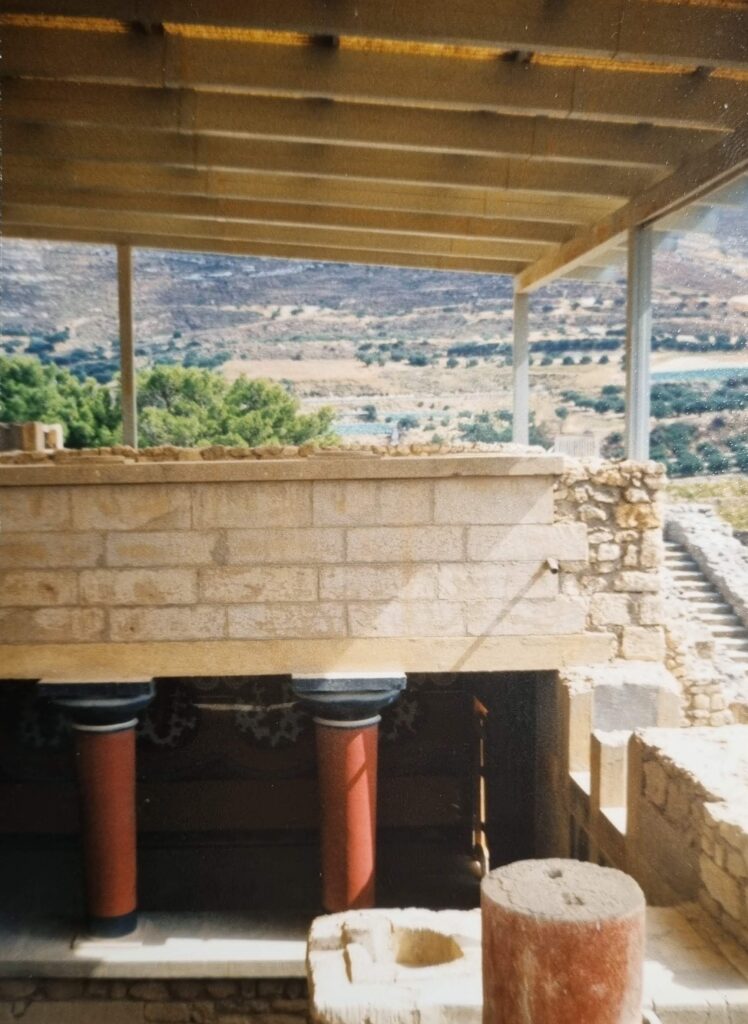
You may also be discouraged from visiting Knossos (5 km south of Heraklion and 140 km from Chania) by the opinion that British archaeologist Sir Arthur Evans, who between 1900 and 1905 after buying the entire hill with the palace and excavating most of what can be seen today, undertook a controversial and, as we now know, in several respects misguided reconstruction of the buildings and rooms.There is no denying that this was the case. The biggest mistakes concern the use of excessive amounts of concrete to reinforce the remaining ruins and arbitrary decisions regarding the appearance and content of the restored frescoes. Sir Evans commissioned a Swiss artist to paint the latter in the throne room without having any archaeological basis for their appearance.
But don’t let that discourage you. It’s a minor detail when you consider that it was thanks to this passionate archaeologist that the palace complex was excavated (not discovered, as the credit for that goes to the Greek Minos Kolokairinos, who was already aware of the existence of the then underground complex in 1878) and protected from looting. The palace buildings owe their stability to the infamous concrete, and some of the original frescoes have been preserved and can be admired in the Archaeological Museum in Heraklion.
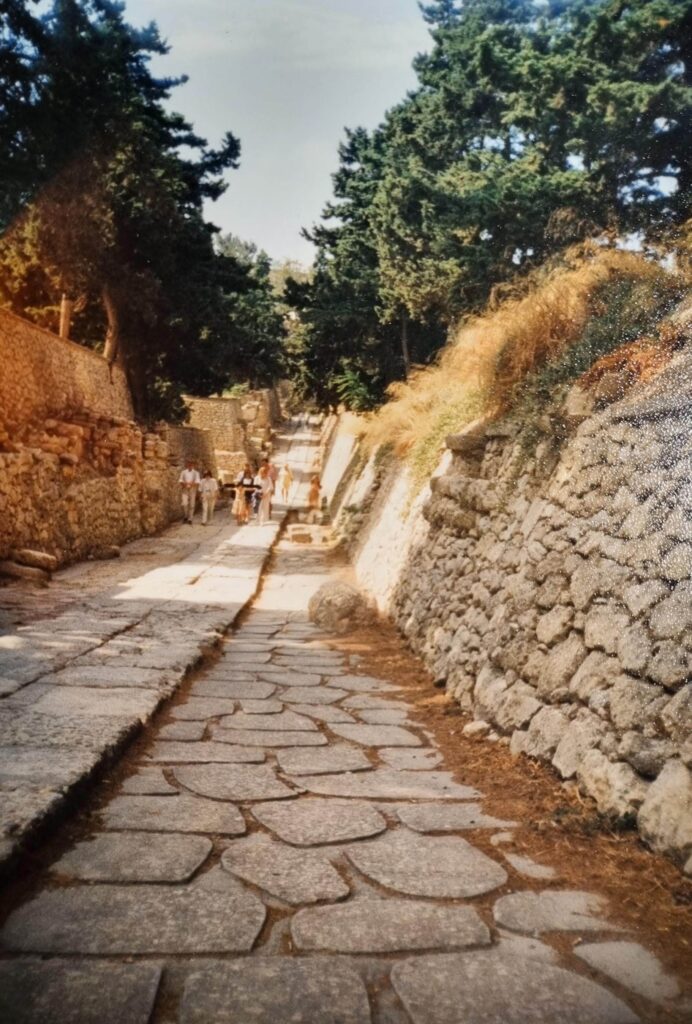
It is difficult not to be impressed by the grandeur of 4,000 years ago. The Minoan culture, which was present in Crete between 2000 and 1400 BC, allowed for the creation of a complex of buildings covering an area of 22 hectares, which was inhabited by 80,000 people at the peak of its development. The palace complex boasted 1,500 rooms, and some buildings were five storeys high.
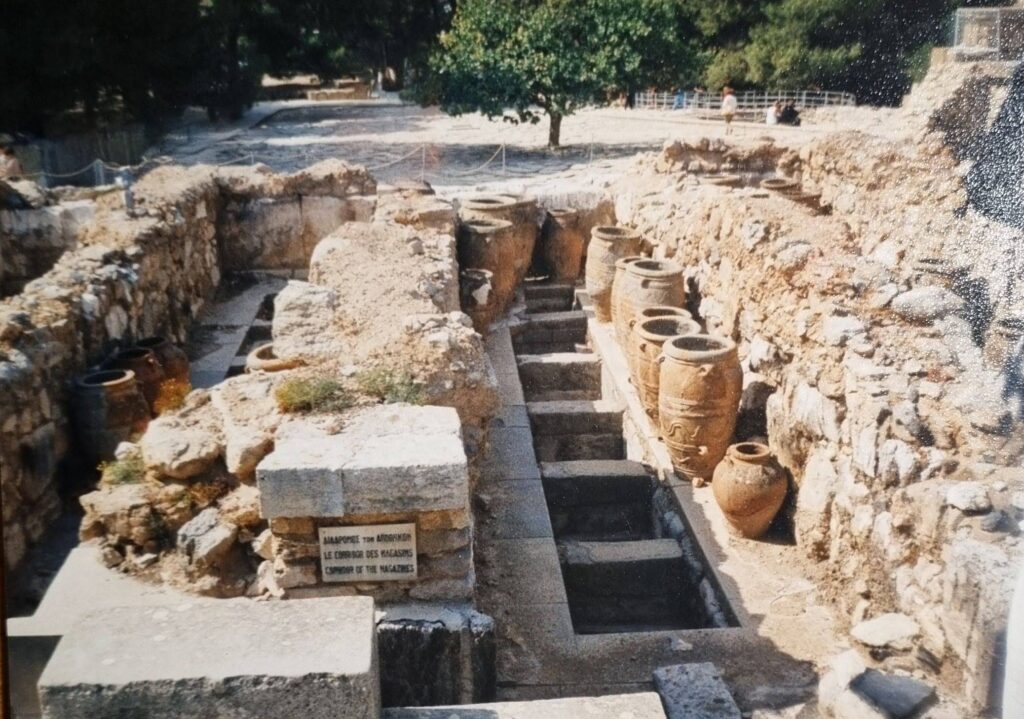
Walking around the excavations, we can see magnificent staircases, porticoes, a columned hall, pottery and stonemason workshops, courtyards, a theatre and a sanctuary. Of course, there are also royal halls, called megarons. The queen’s hall is decorated with replicas of famous frescoes with dolphins. It is also interesting to see traces of the ordinary, everyday life of the Minoans. In the warehouses, or rather pantries, there are huge clay containers, called pithos, which were used to store grain, wine and oil. We know that the buildings were equipped with toilets and that water and sewage systems distributed through clay pipes were used. The buildings provided coolness in summer, and light entered through skylights.
Many figurines and tablets with Linear A and B writing were also found at the excavation site. However, these treasures, along with pottery and jewellery, can be admired in the aforementioned museum in Heraklion.
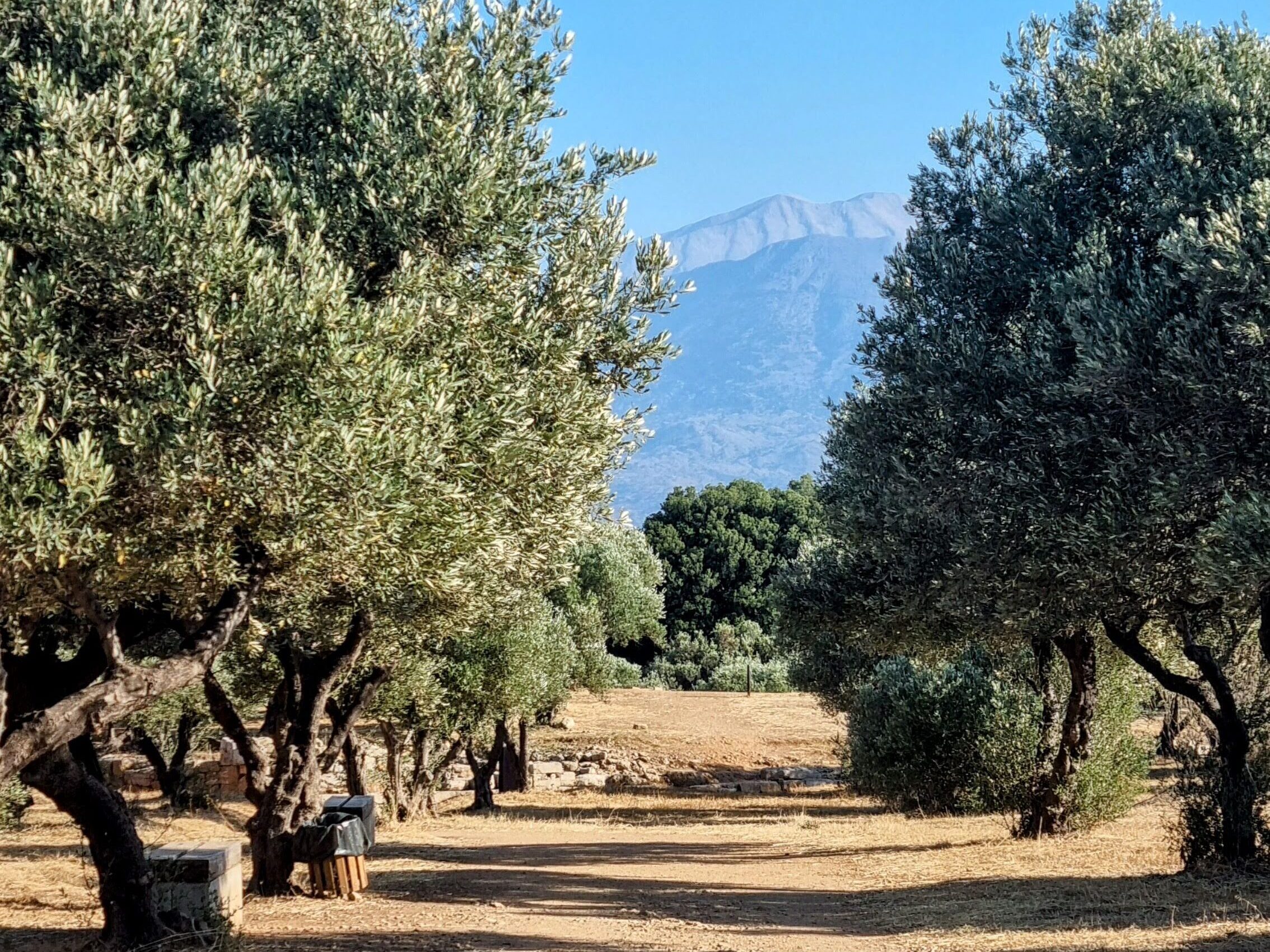
The olive tree, which we know and see today in many Mediterranean countries, has an extremely long history, growing alongside us and satisfying our needs with its wood, fruit and oil. For example, we know that as early as 100,000 years ago in Africa, its wood was certainly used as fuel, and people at that time may also have consumed olives. We also have evidence that it was cultivated in the Mediterranean basin as early as 7,000 years ago. In Crete, its importance as one of the basic crops (along with cereals and vines) reached a very high level in 3000 BC, and many scientists believe that its commercial cultivation and trade were the source of the wealth of the Minoan civilisation. At that time, however, olive oil was mainly used for lamps (including sacred ones), for skin and hair care, and for anointing. Since then, the olive tree and its fruit have held an unshakeable position as the main crop in the Mediterranean region, whether in Spain, Italy or Greece.
The name of the olive tree (Latin: Olea Europea) most likely derives from the Proto-Greek language, and its first written form appeared in the Mycenaean syllabic script Linear B (2200-1900 BC).
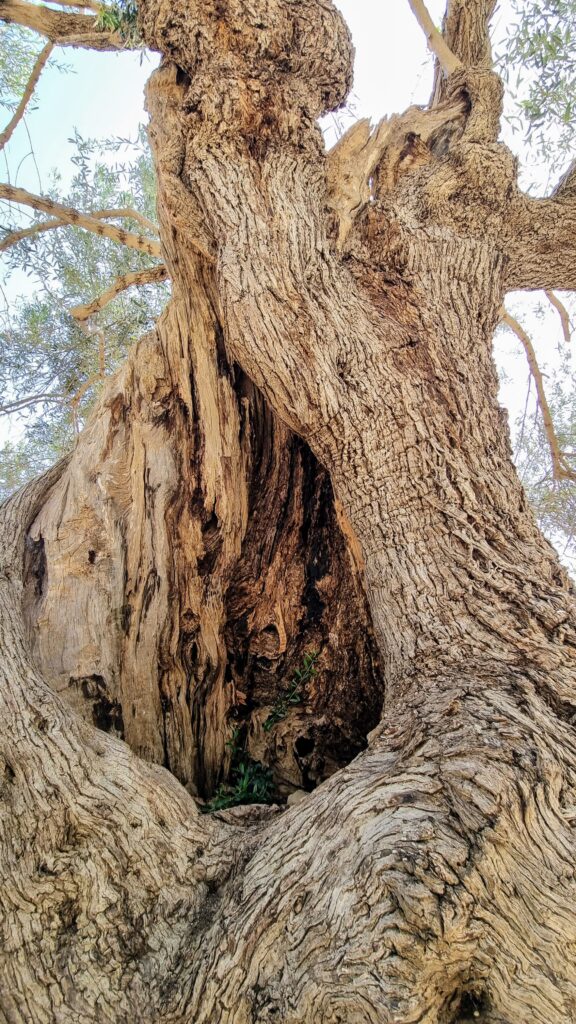
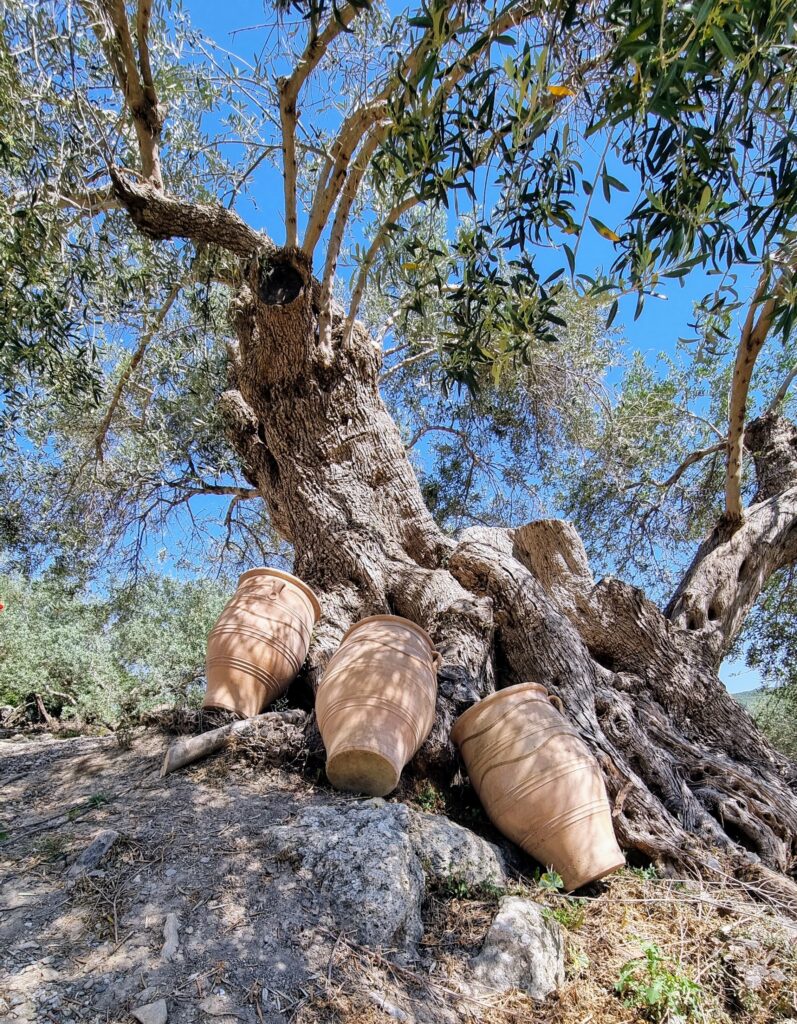
The olive tree has always been a symbol of wisdom, peace, strength, fertility and purity. This is not surprising, as the tree itself is quite remarkable. To thrive, it simply needs sunshine, a little water and well-drained soil. This is enough to keep it alive for hundreds, sometimes thousands, of years. In Crete, in the village of Vouves, 30 kilometres from Chania, you can see the famous olive tree, estimated to be between 2,000 and 4,000 years old. If you decide to visit this national monument, don’t miss the interesting Olive Tree Museum nearby.
Majestic, one of the most ancient olive trees in Crete (Astraka)
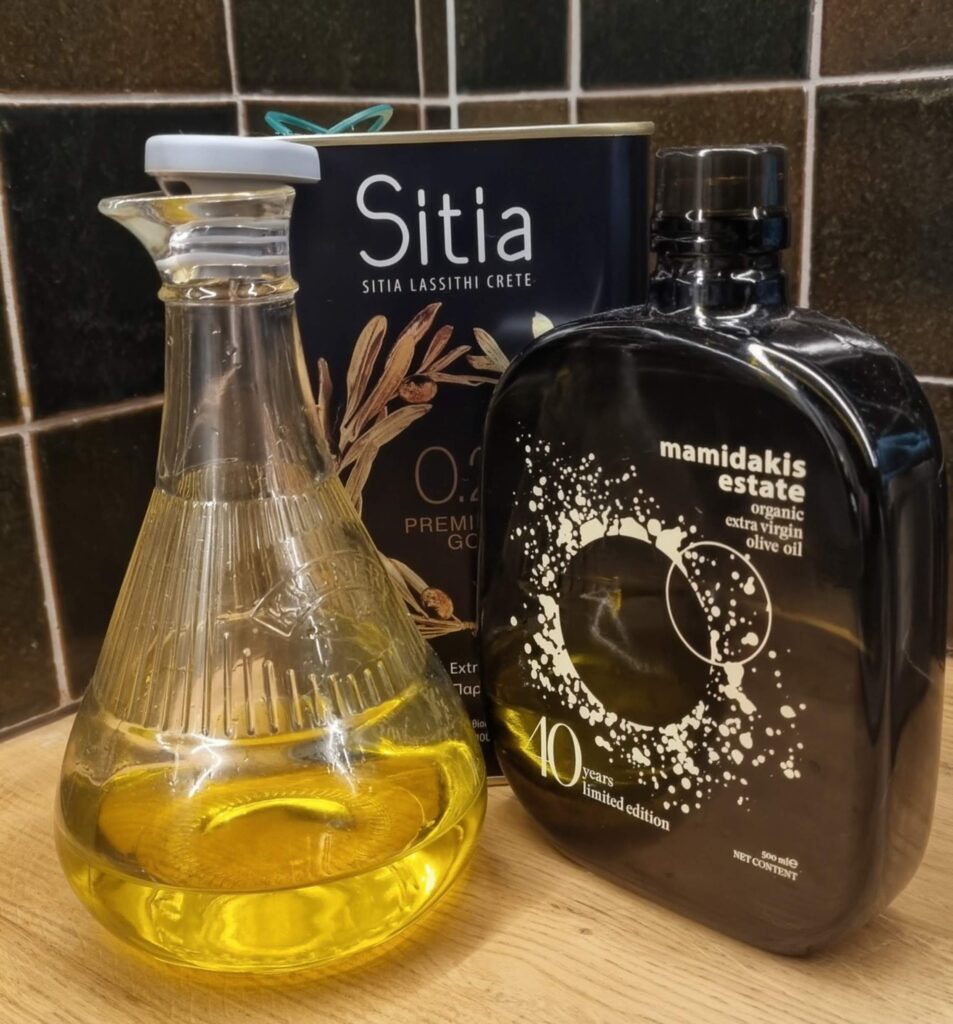
Today, Greece remains one of the leading producers of olive oil. Crete alone has about 30 million trees, and annual olive oil production reaches 120,000 metric tonnes, 80% of which is extra virgin olive oil. Although Greece ranks third as a European olive oil producer (after Spain and Italy), it proudly leads the world in olive oil consumption, with 24 litres per capita per year! This is not surprising, as its quality is the highest. The fresher the olive oil, the better. In Crete, olive oil production takes place immediately after the autumn harvest (October-November), the olives are crushed whole, and the greenish, intensely fragrant liquid fills bottles and cans. It is available for sale from December.
Cretan olive oil is mainly obtained from two varieties: Koronaiki and Tsounadi. The quality of the oil is excellent (as I mentioned earlier, 80% is Extra Virgin, which translates into low acidity – below 0.8% free acidity and a fruity flavour), but the oils naturally differ in taste depending on the region they come from. The Chania region is famous for the producers Chania Kritis and Kolymvari Chanion Kritis, whose oils are known for their slightly peppery taste. Those who prefer milder, less ‘demanding’ types can try olive oil from Kritsa or Sitia. For the more adventurous, many producers offer oils with added herbs (e.g. rosemary), lemon or orange peel.
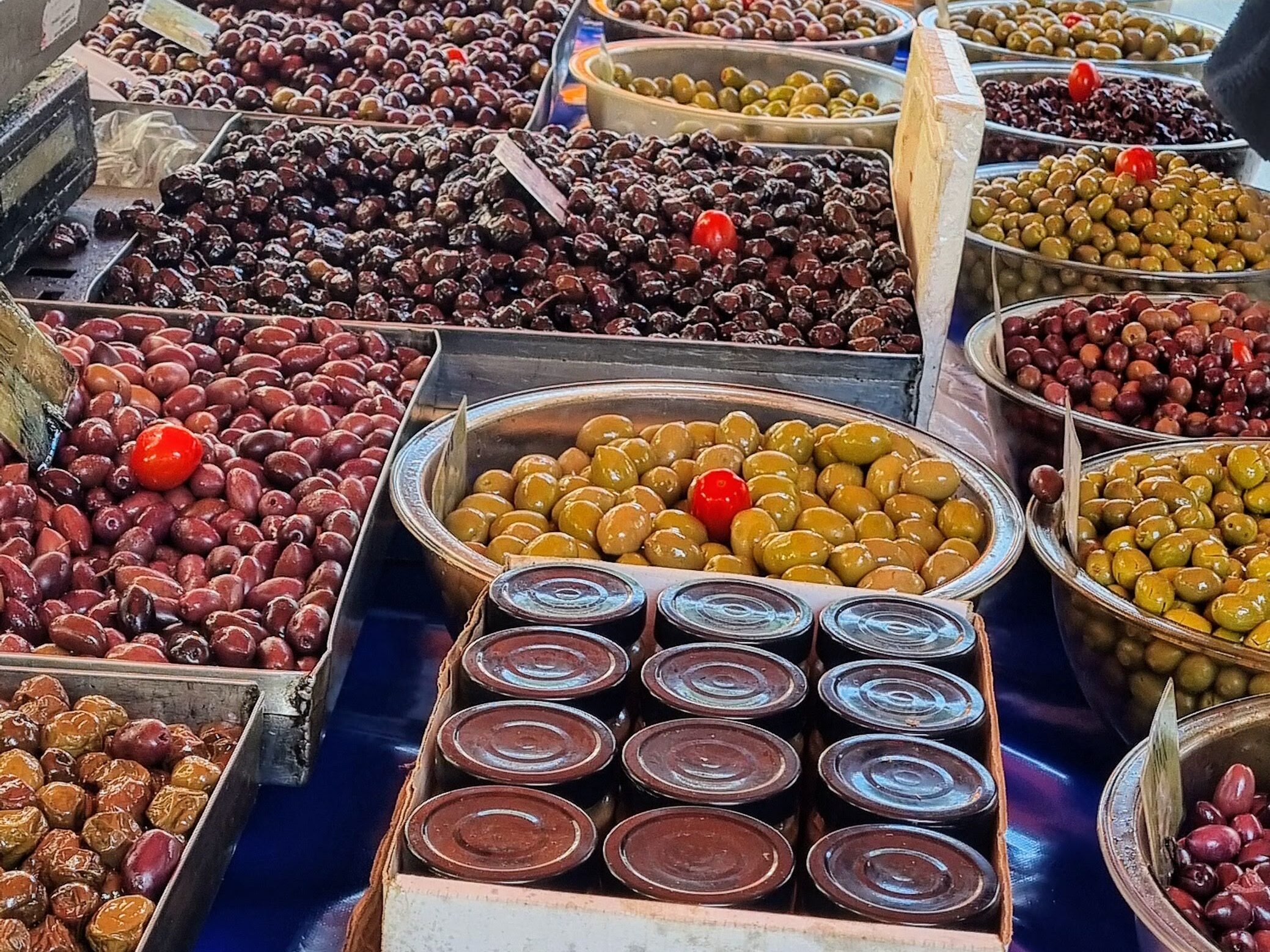
In addition to buying olive oil, tourists are keen to choose from dozens of types of marinated olives, and often buy kitchen utensils or bowls made of hard, durable but very decorative olive wood.
It takes a lifetime for someone to discover Greece, but it only takes an instant to fall in love with her – Henry Miller.
About
My name is Marta, a Pole with Greece in heart. I am also a living proof that longlife dreams can come true. I always dreamt of having my place in beloved Greece and now here it is! And not just anywhere, but in the most wonderful city, steeped in the culture of ancient Greece, the Venetian Republic and the Ottoman Empire, my dream city of Chania, Crete.
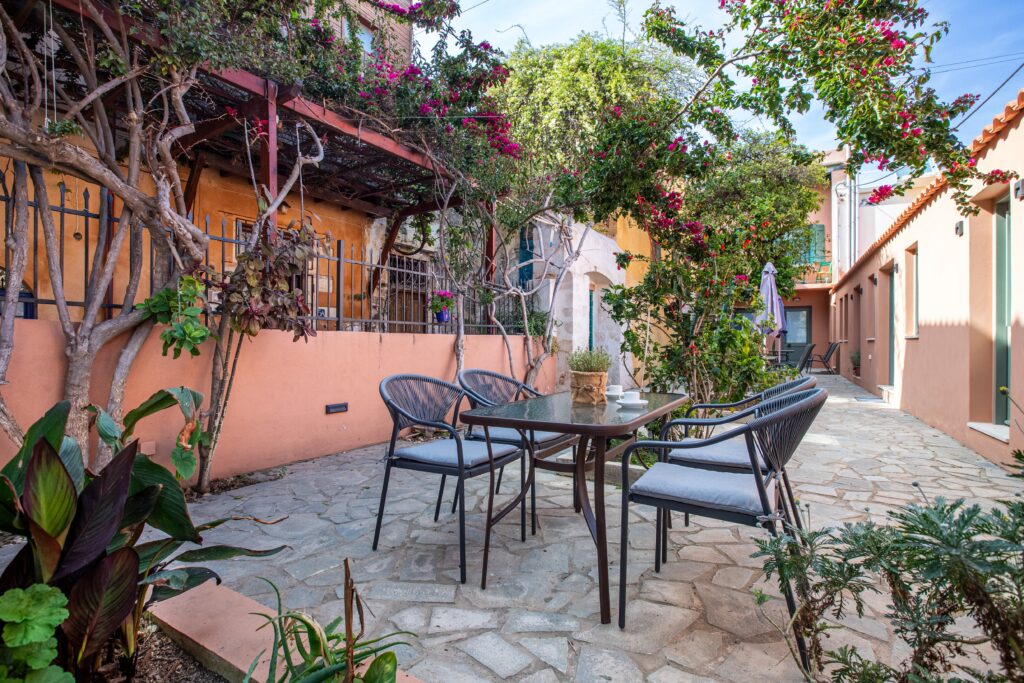
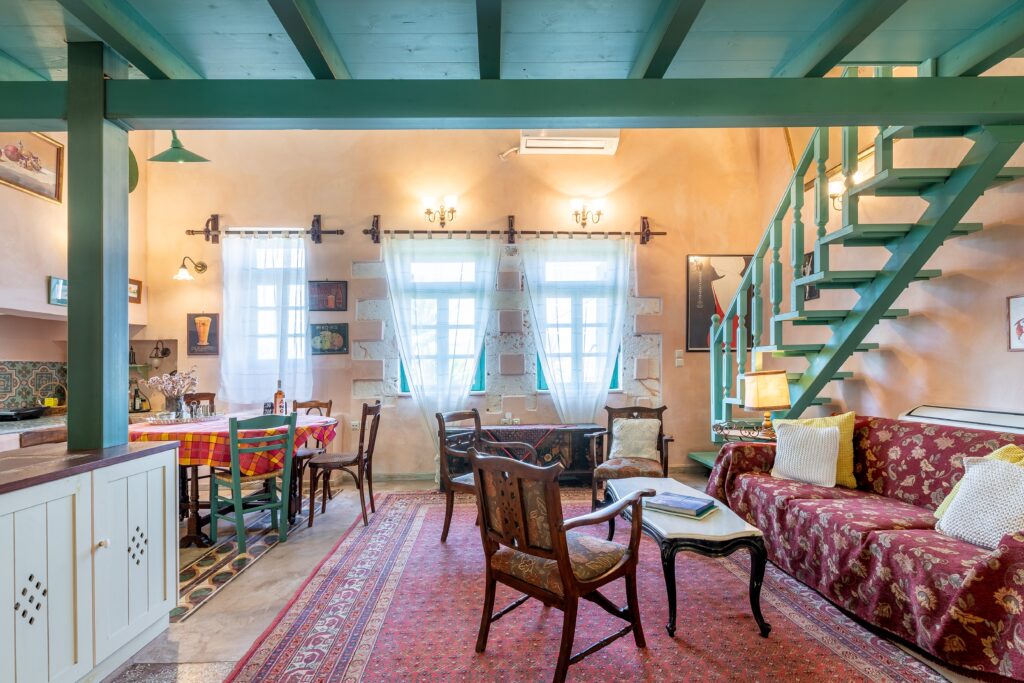
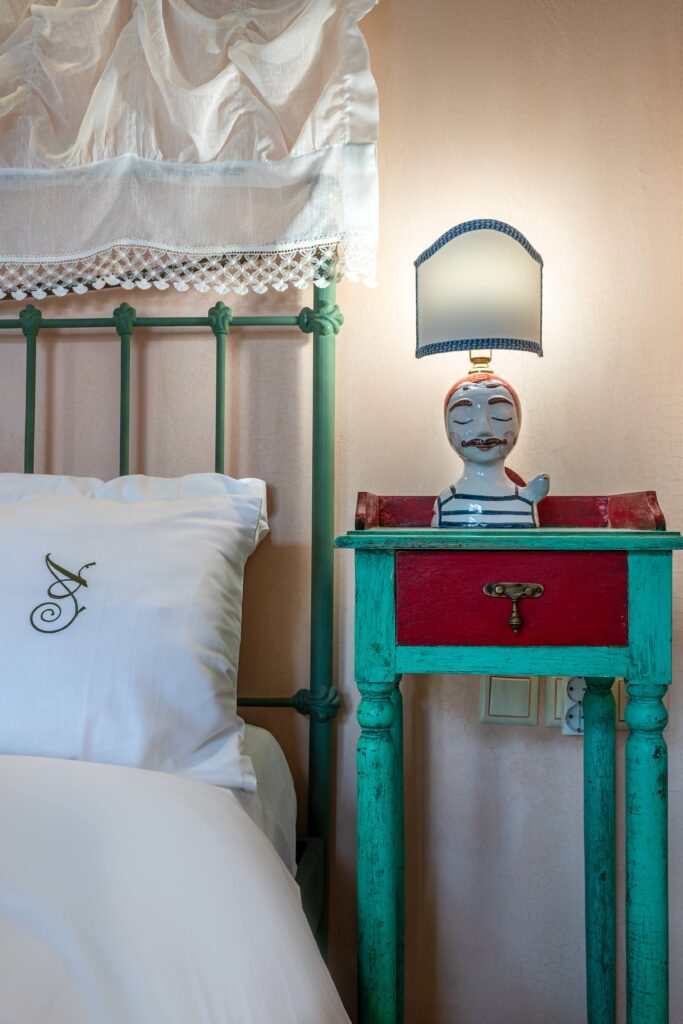
This blog aims at promoting Crete, Chania but also our home there- Thimari Gardens - which is seasonally rented out. More information about the apartment is available when you press the tab above named Thimari Gardens.
If you wish to ask about our rental offer, send an email at thimarigardens@gmail.com