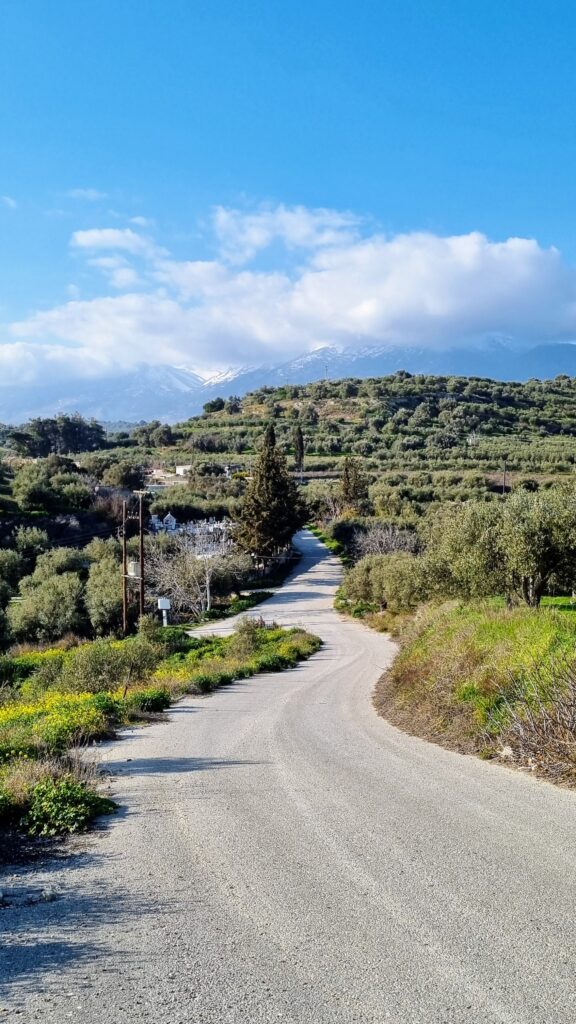
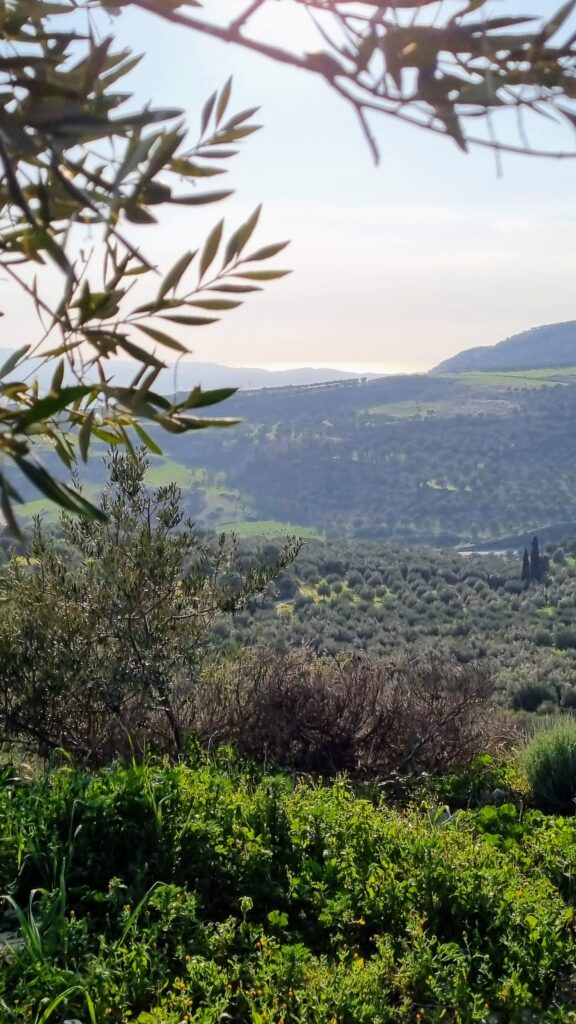
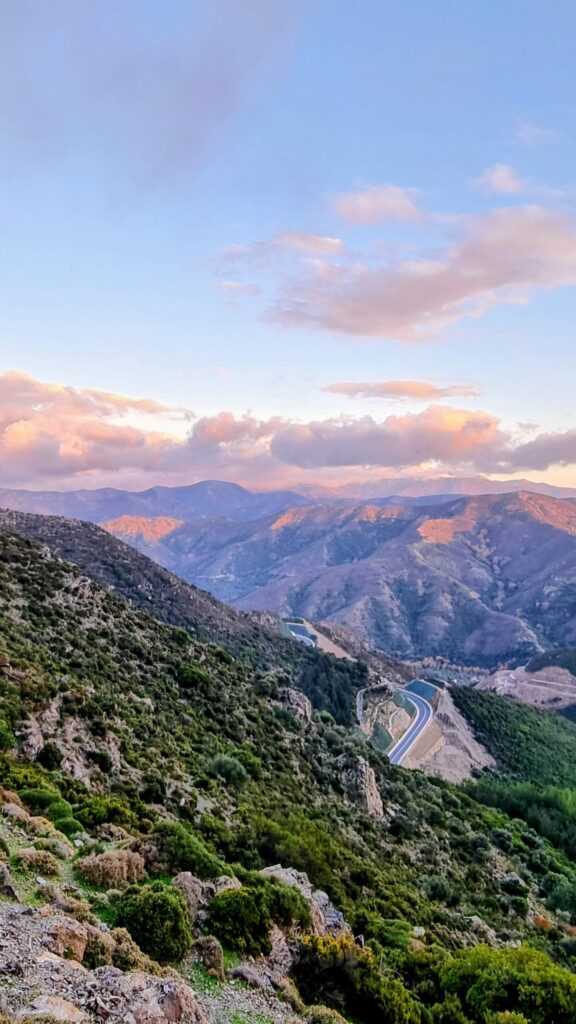
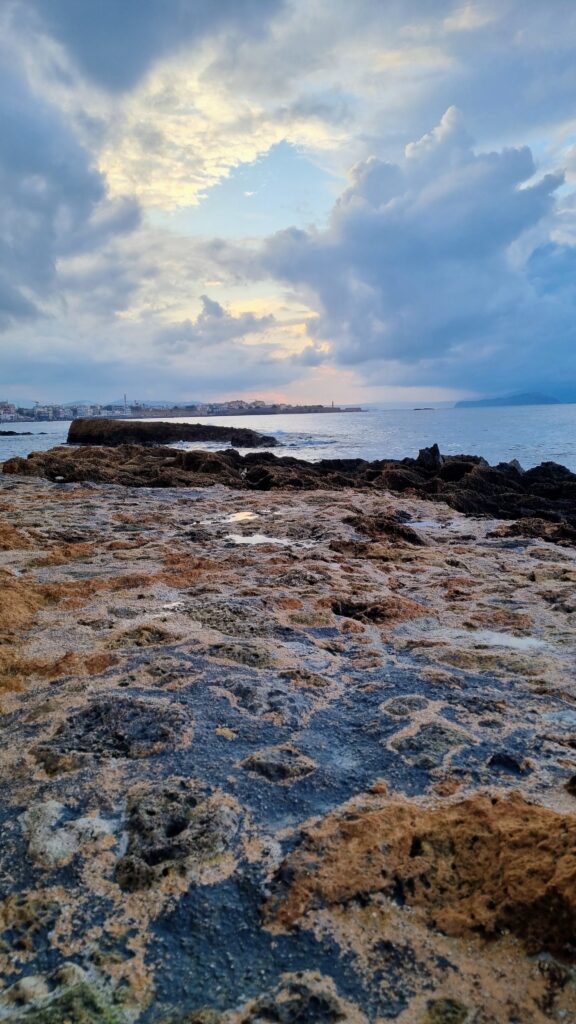
First, let’s determine when winter begins and ends in Crete.
Plouti, central CretePloutiChania to MiliaTabakaria, Chania
According to the calendar, one could say that it begins on 22 December, but that is not entirely true. Winter begins when the crowds of tourists stop coming, that’s all. In Crete, this means the beginning or, at the latest, the middle of November. By the same token, spring begins in early March, although here the calendar loses out to the logic of the nature of the Mediterranean climate.
Hiking trail near MiliaOld town, ChaniaApproaching Thimari GardensFrangokastelloNot far from Xerokampos
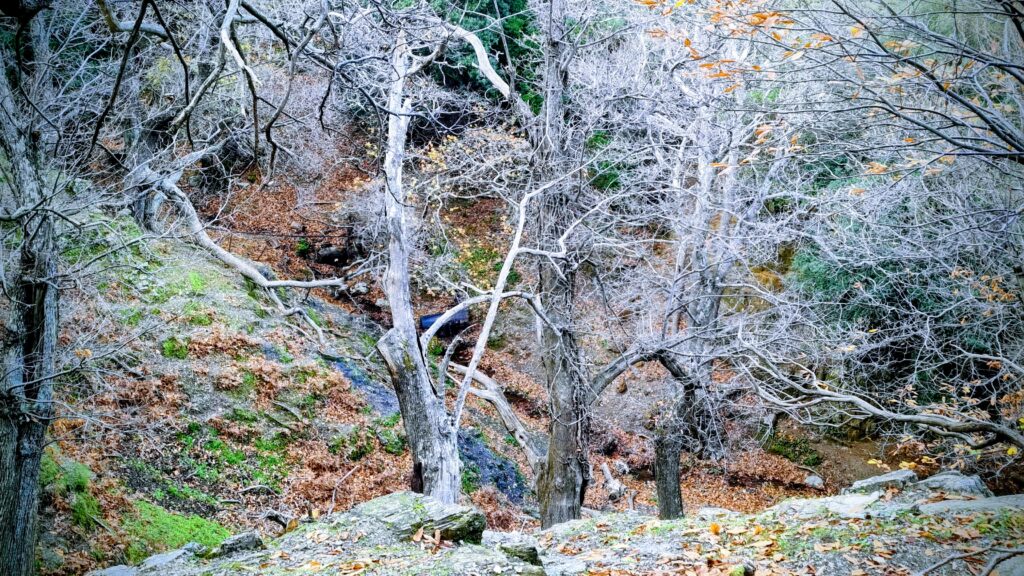
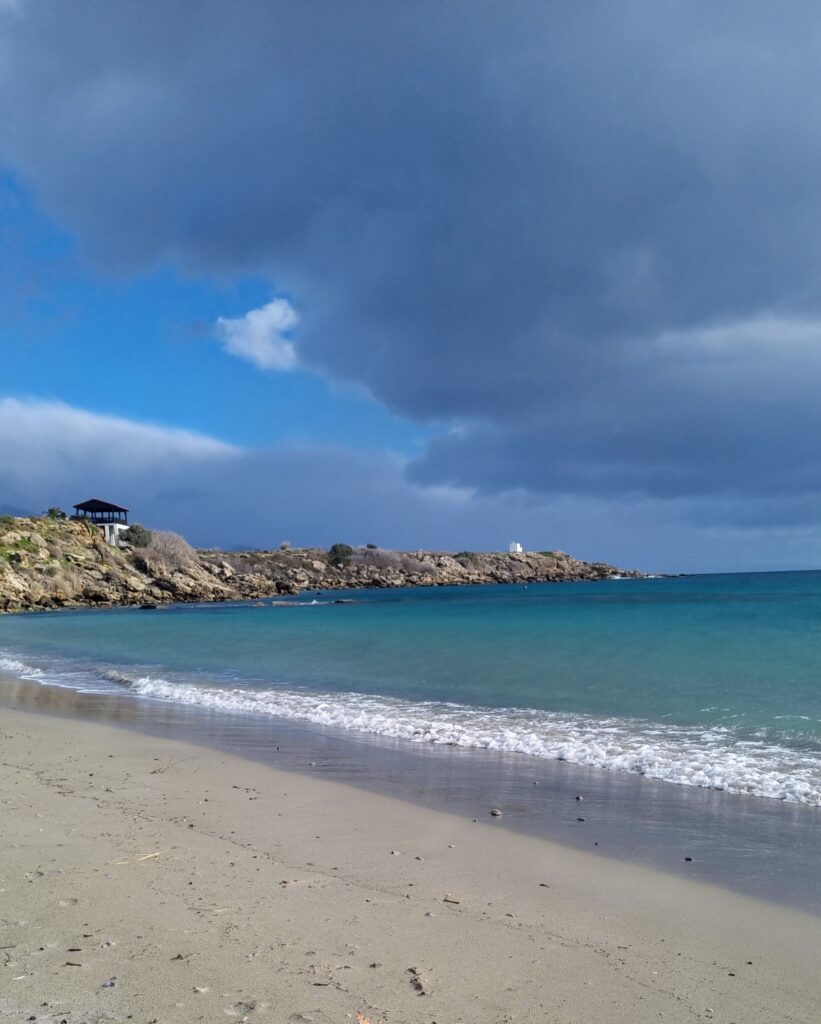
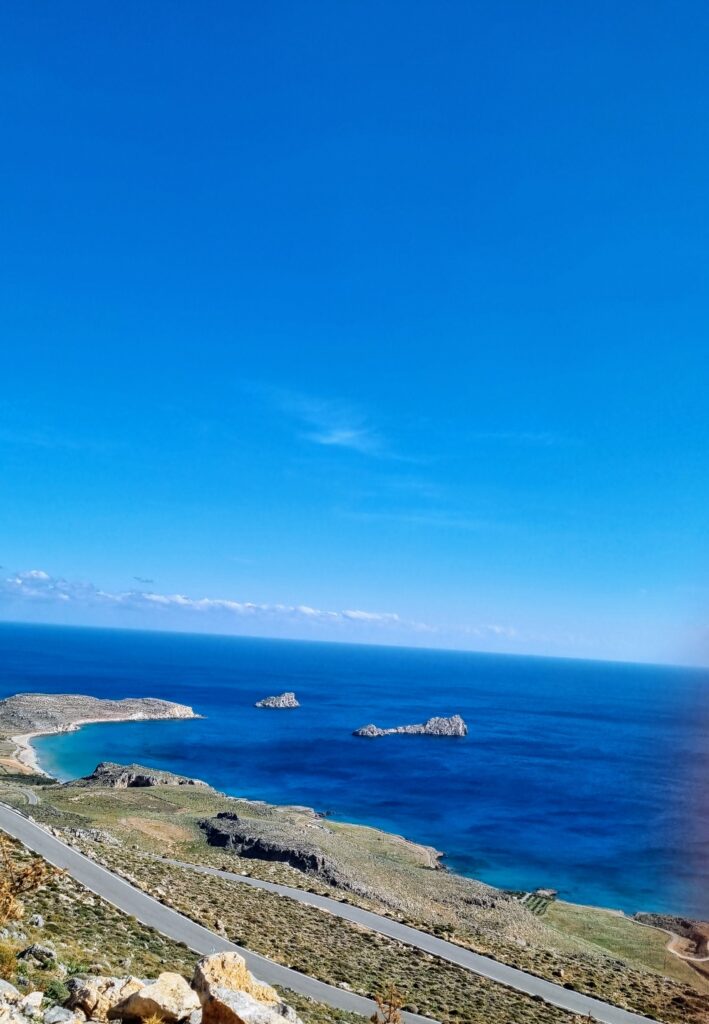
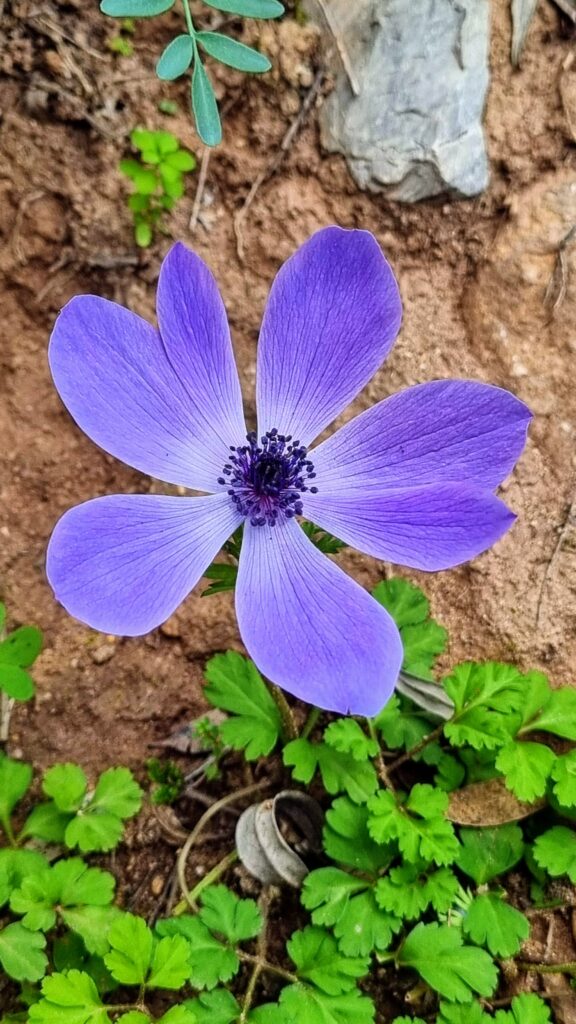
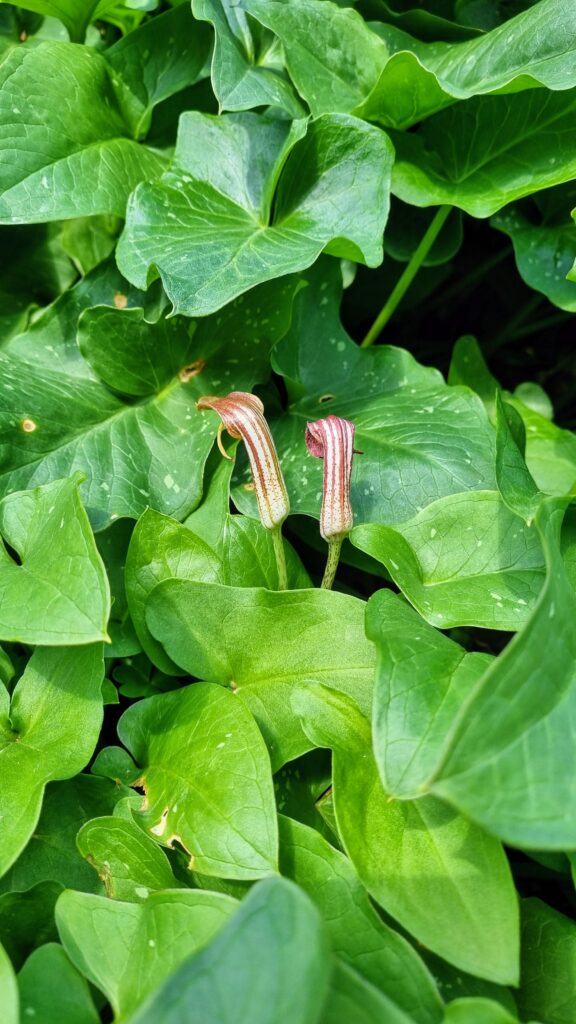
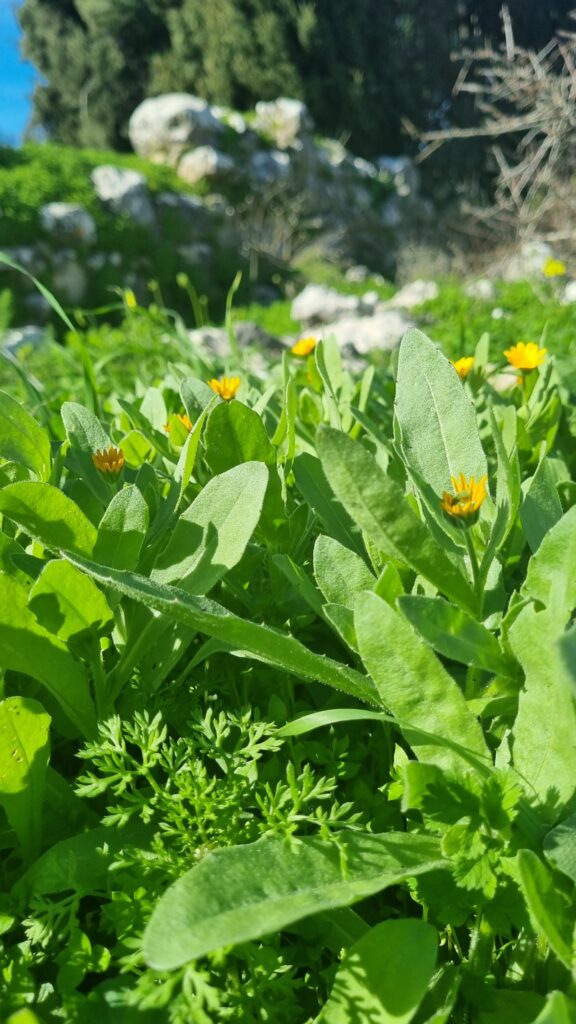
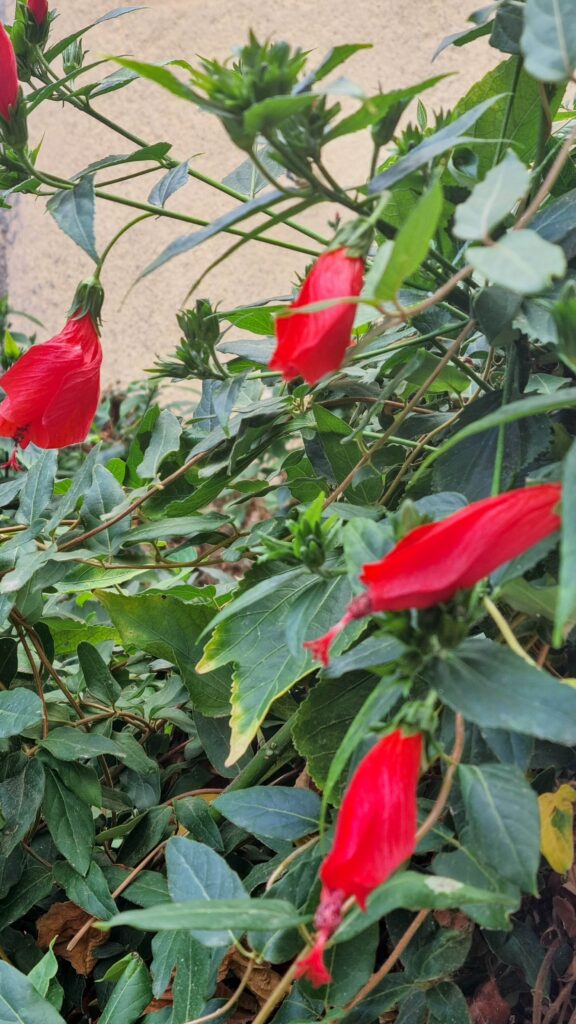
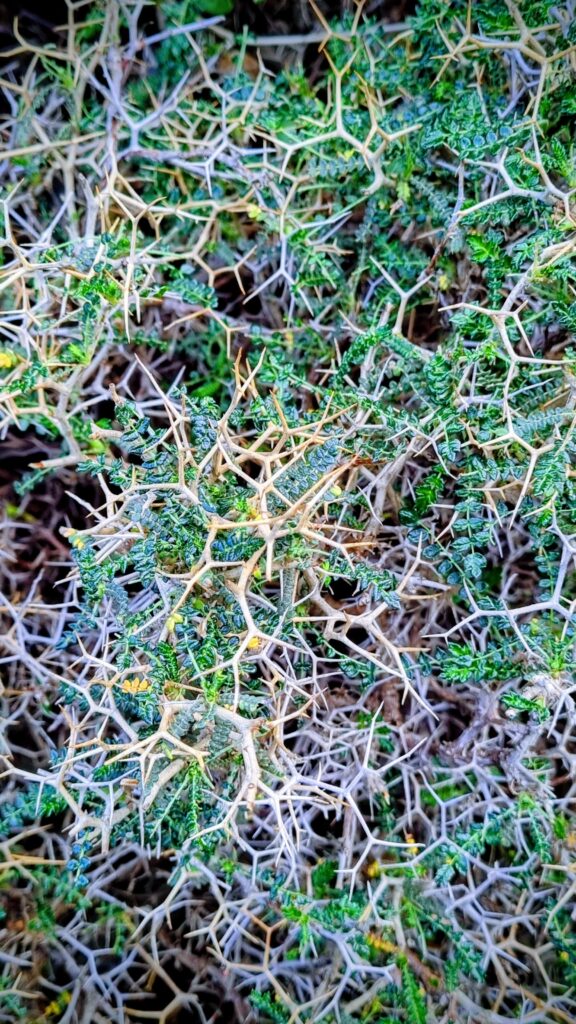
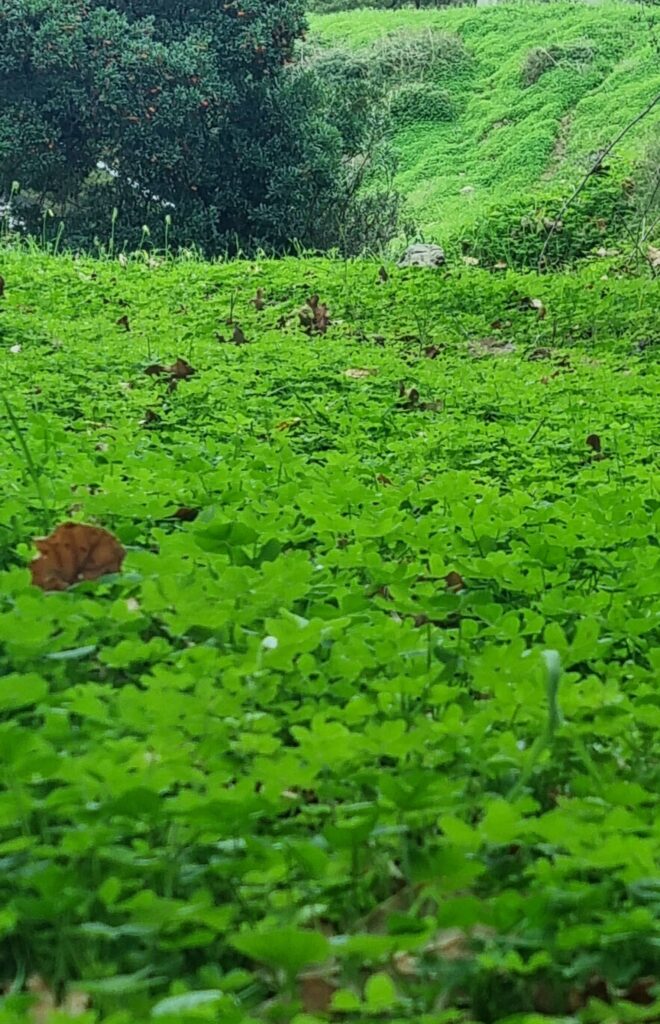
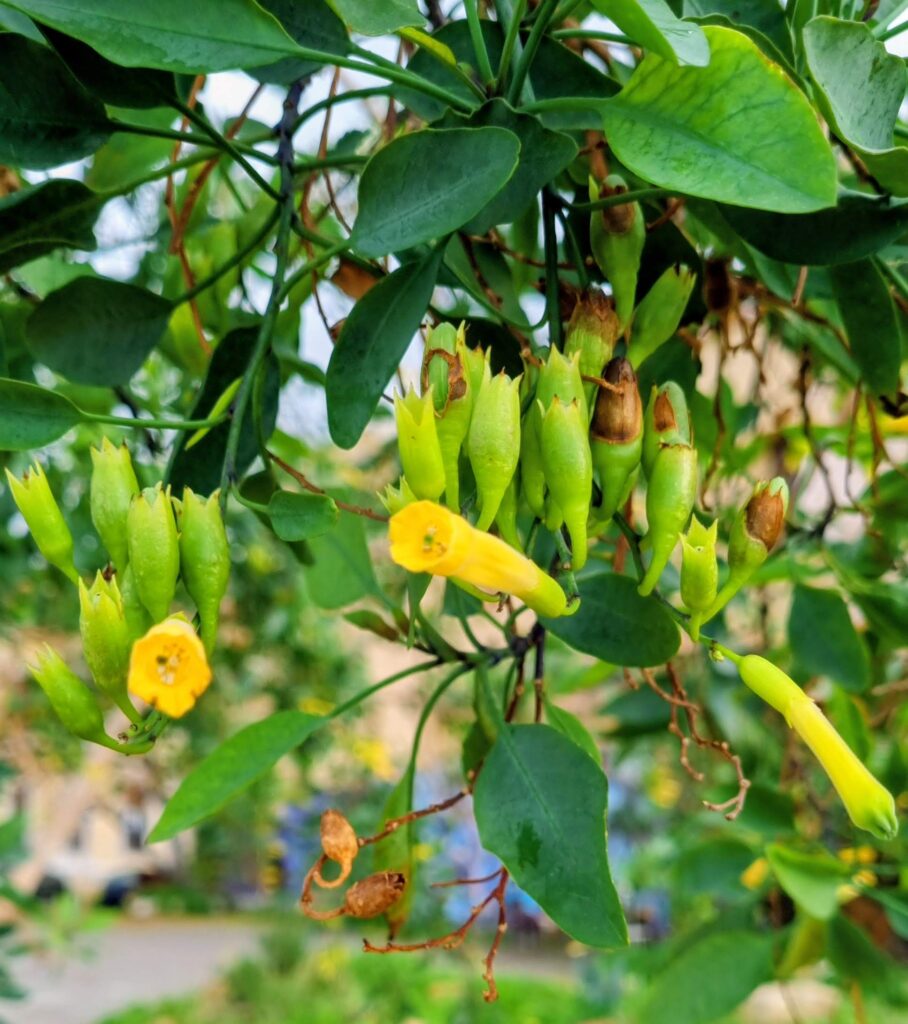
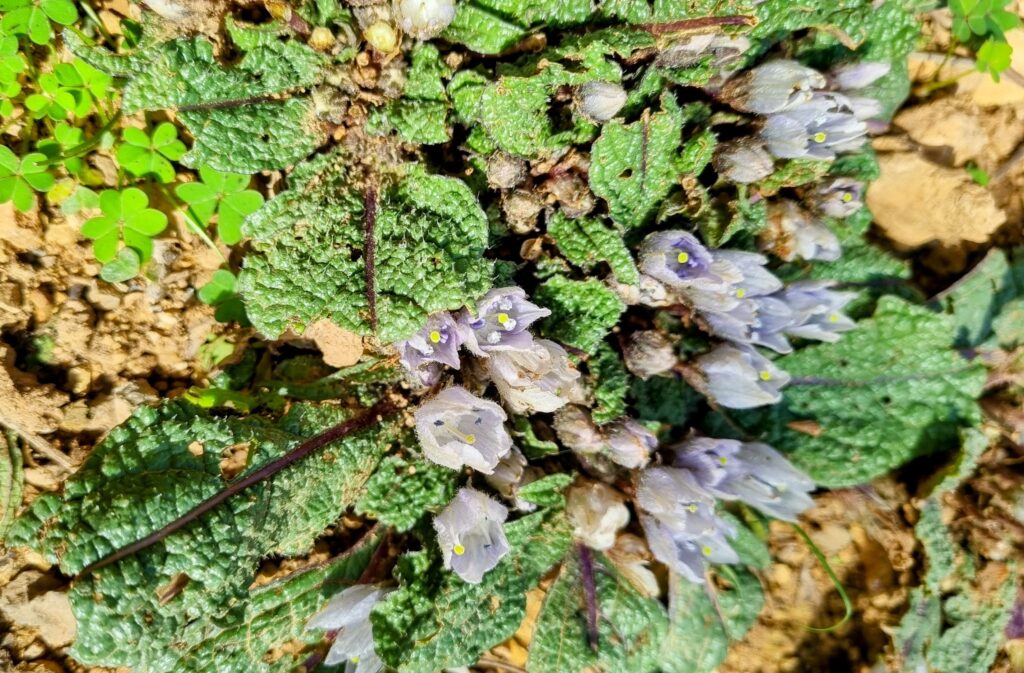
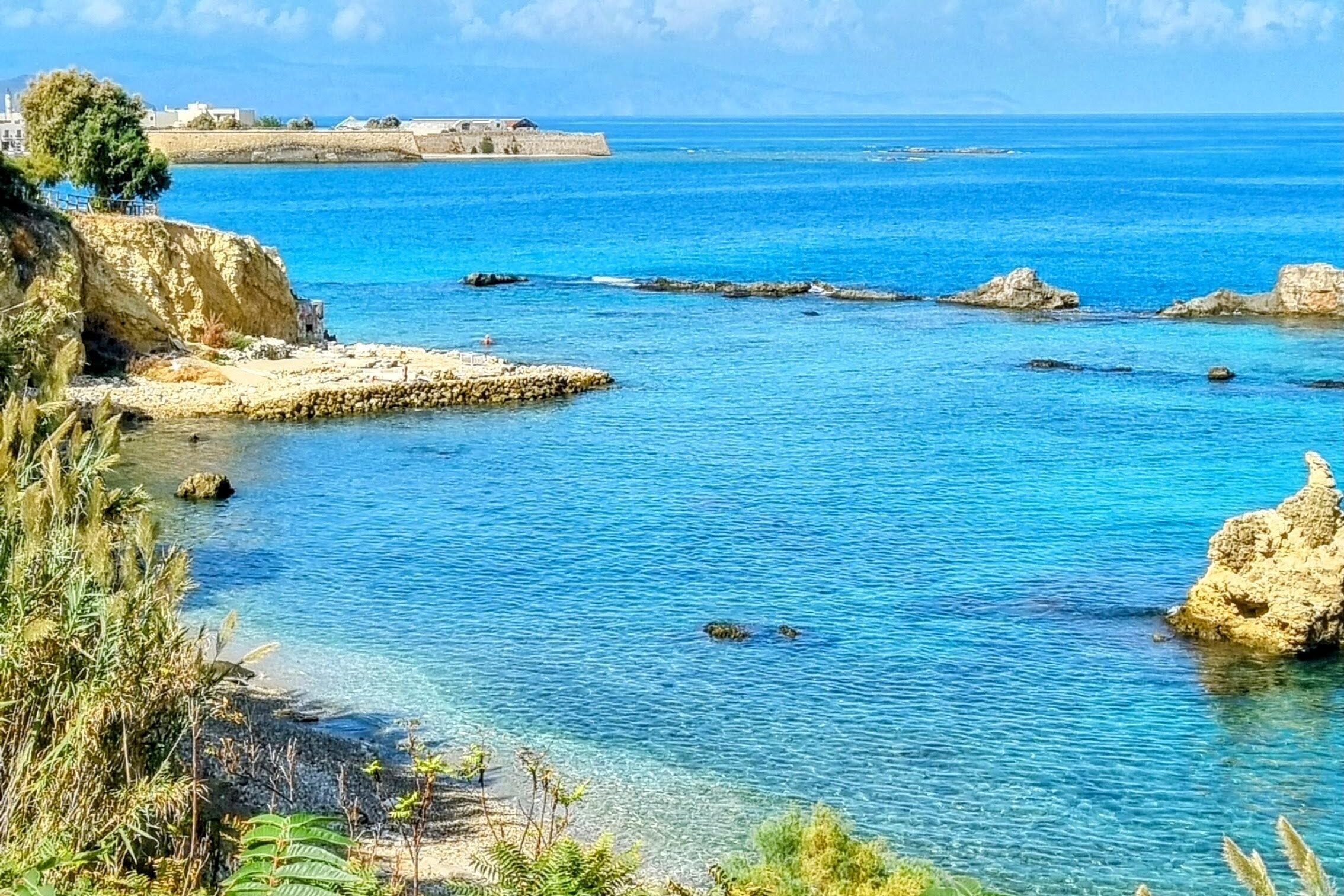
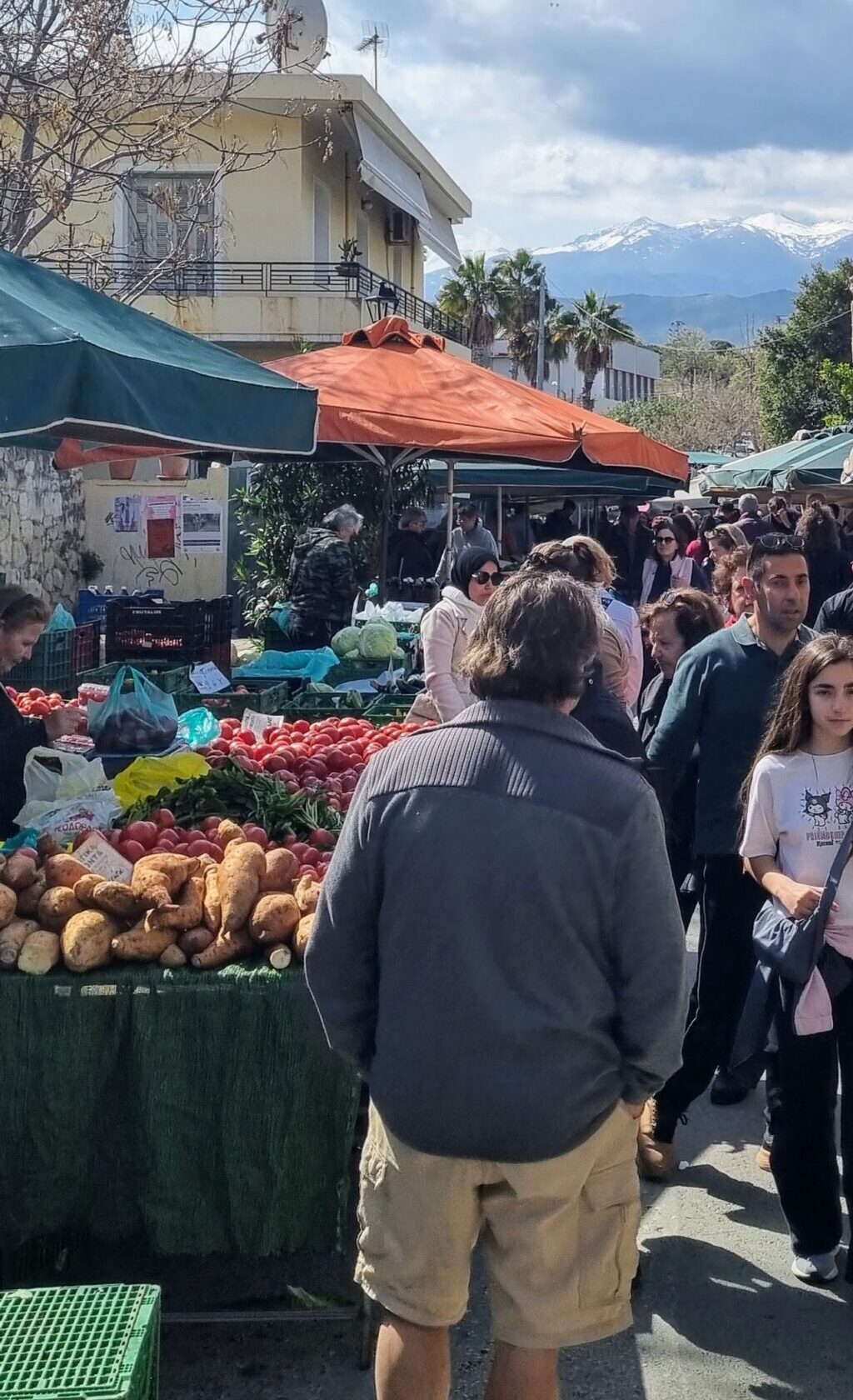
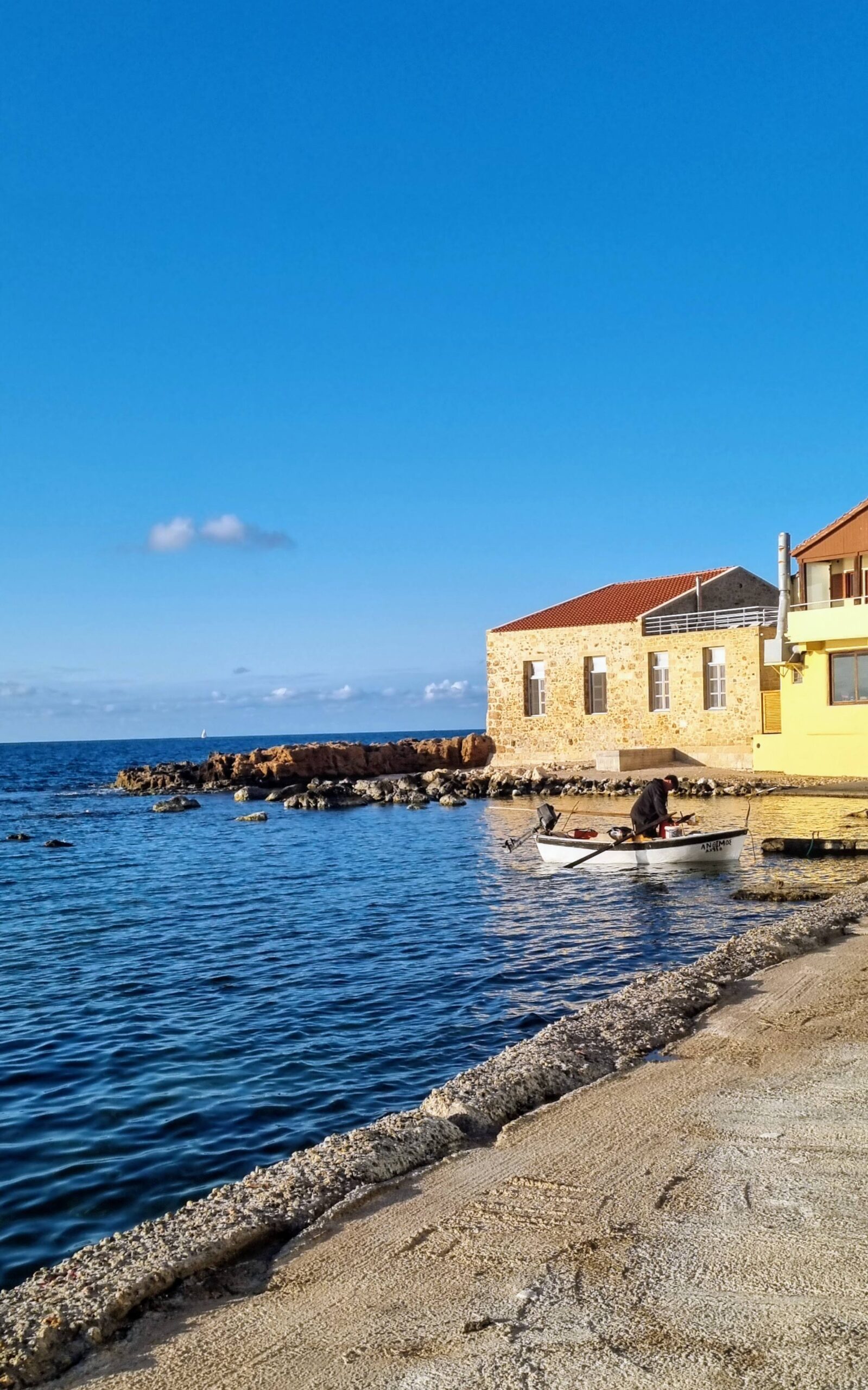
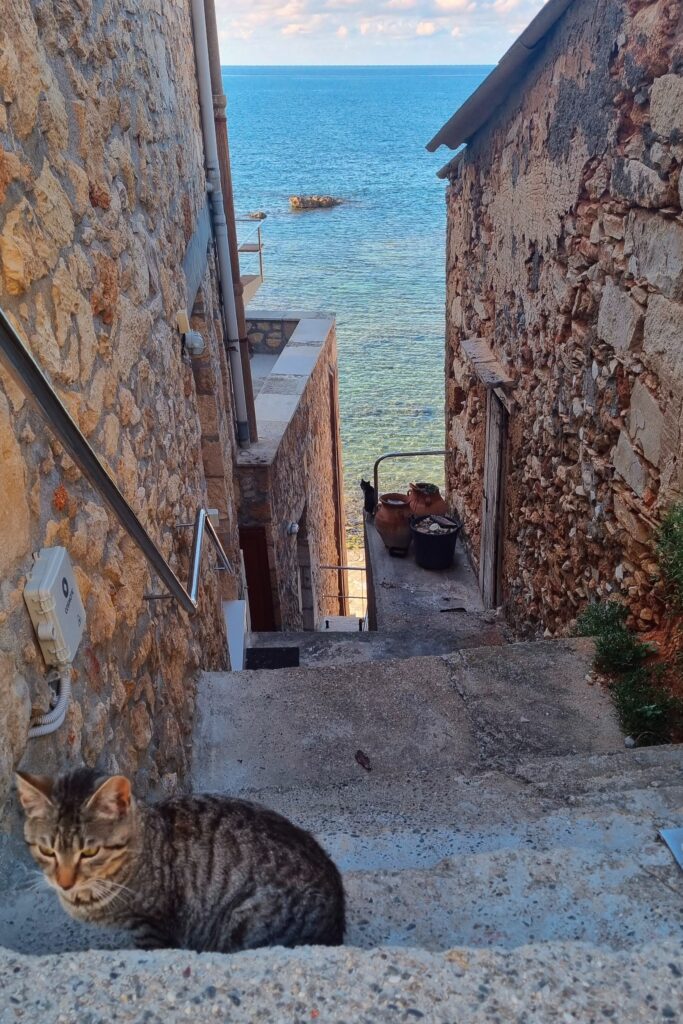
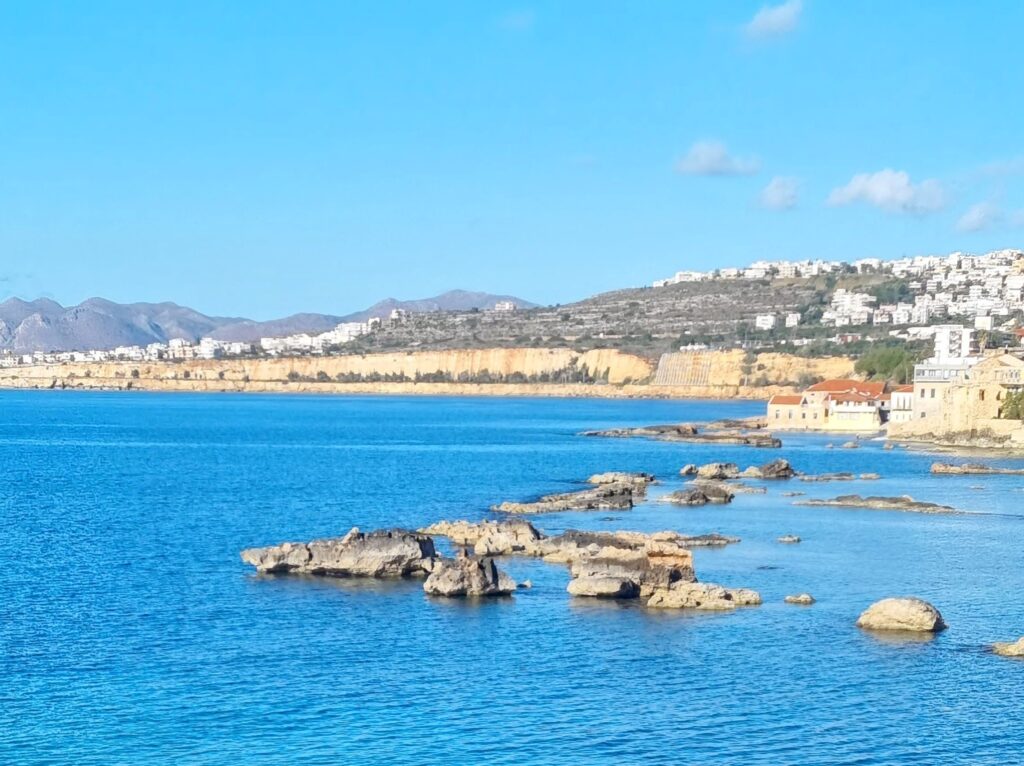
Winter, or the low season, is a time of calm, peace and respite for the people on the island, but also a time of rushing clouds interspersed with the dazzling blue of the sky; turquoise sea by the calm coves, but also waves crashing onto pavements and piers. On the one hand, nature loses its exuberant riot of colours, becomes quieter, turns grey in places, and sepia and smoky shades appear. But on the other hand, winter rains also bring the long-awaited moisture, and where in August there were burnt herbs and brushwood underfoot, now there are green carpets. We also encounter flowers, not as spectacular or lush as in summer, but perhaps all the more sought after and appreciated.
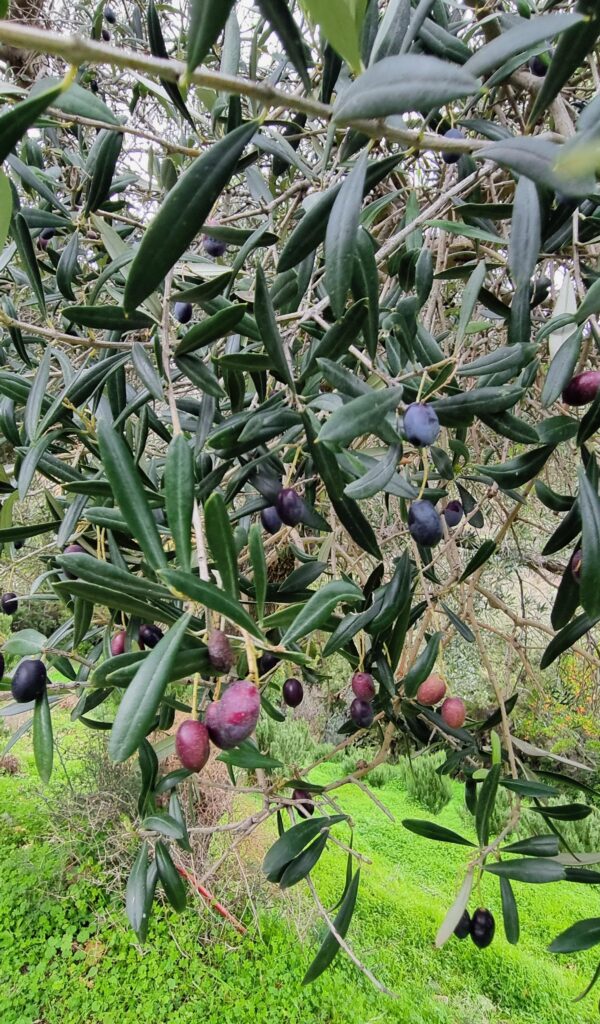
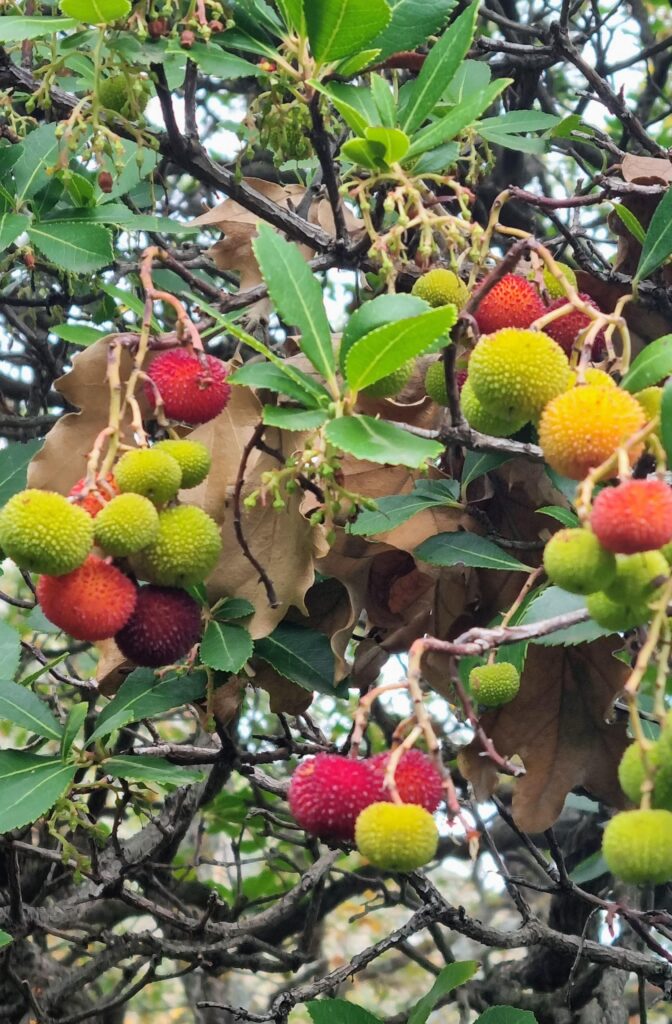
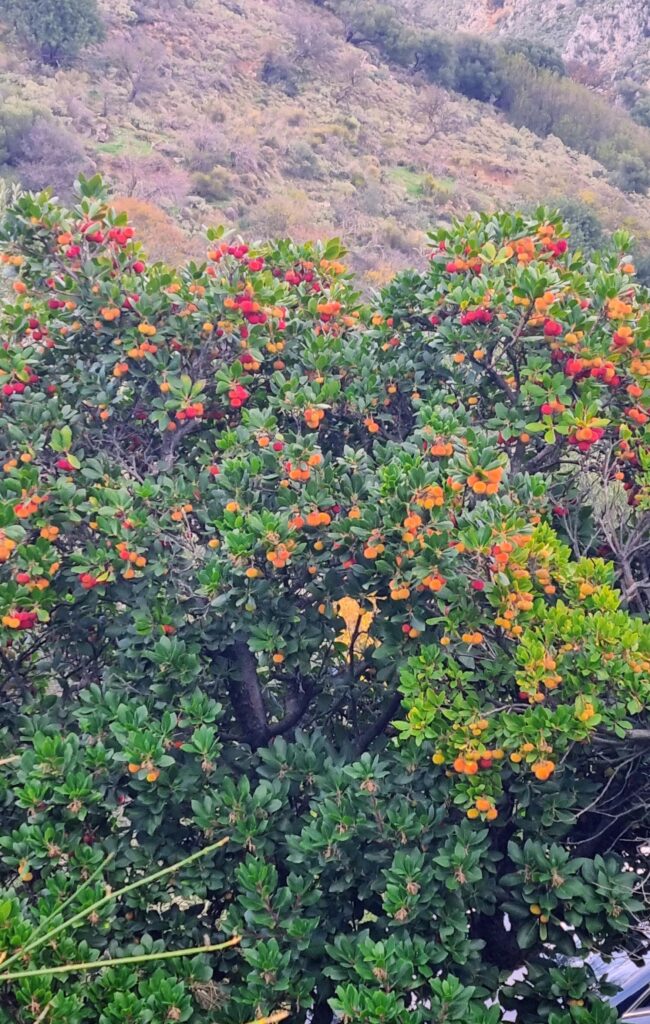
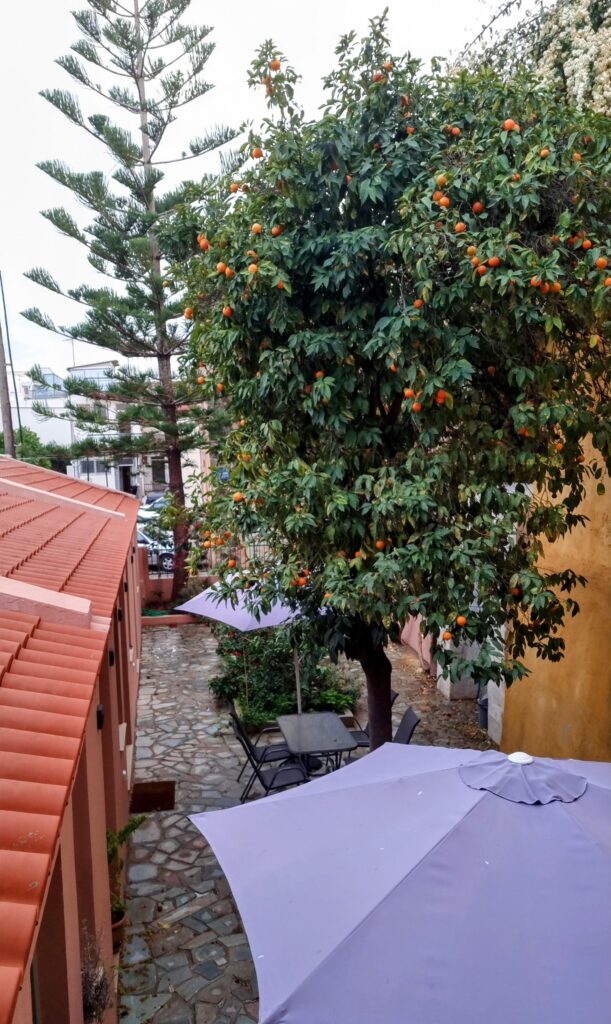
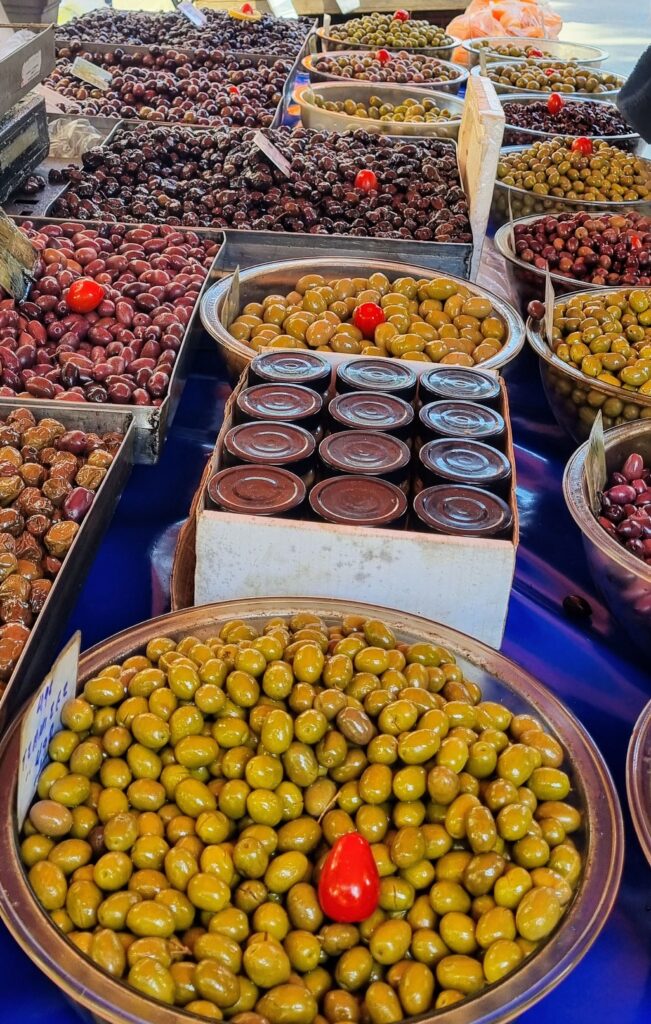
Some trees also bear fruit in winter. From November to January, olives are harvested, bitter oranges, saturated with rain and juices, bend delicate branches to the ground, and you can taste the sensually red berries from the wild strawberry tree.
Fresh olives, some ripe but inedible. Must be cured.Strawberry treeStrawberry treeBitter orange tree, viewed from Thimari Gardens
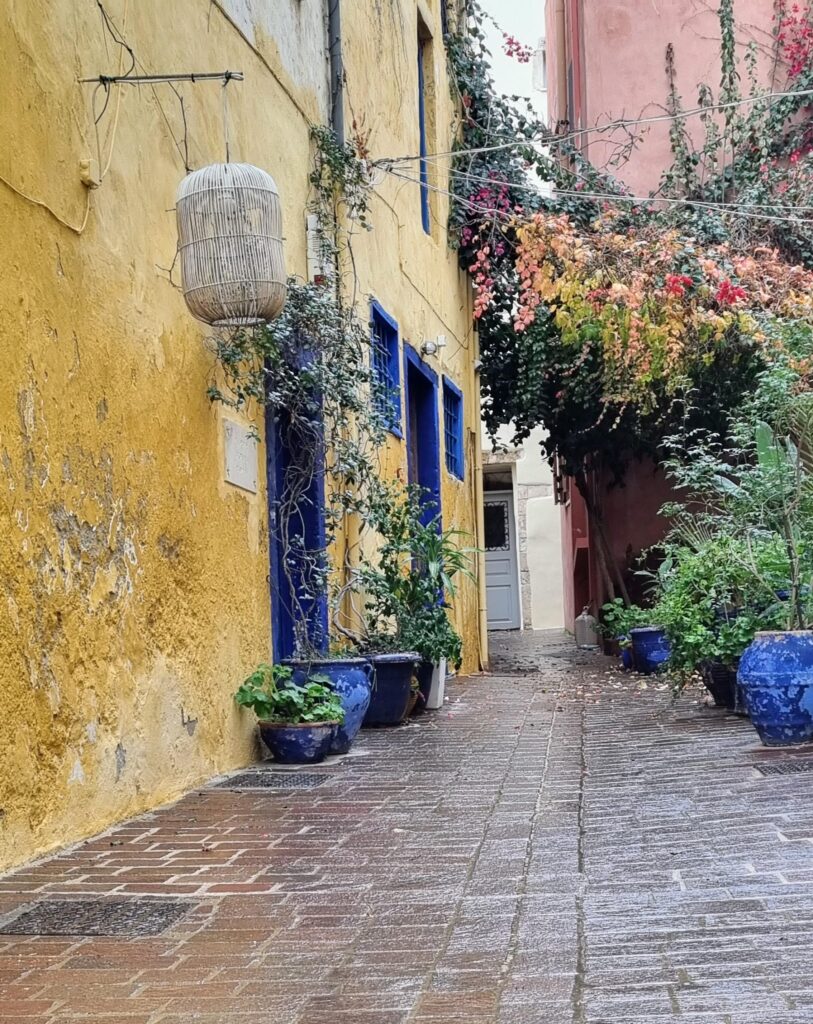
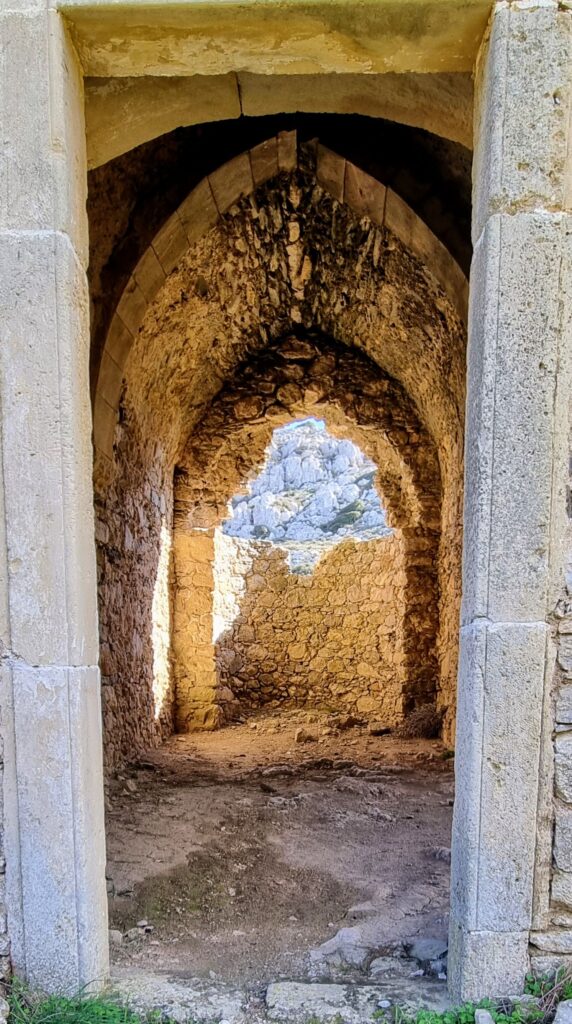
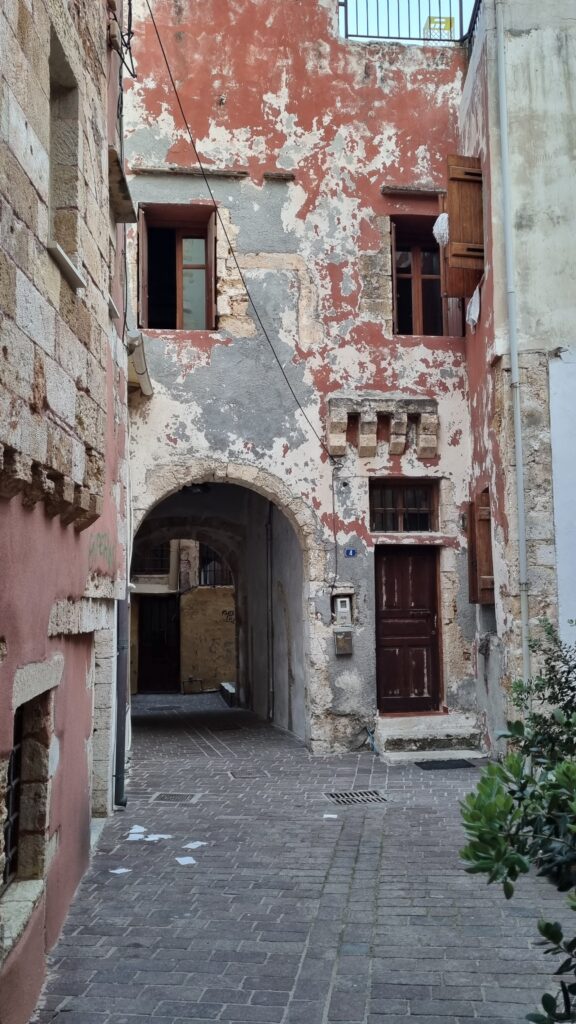
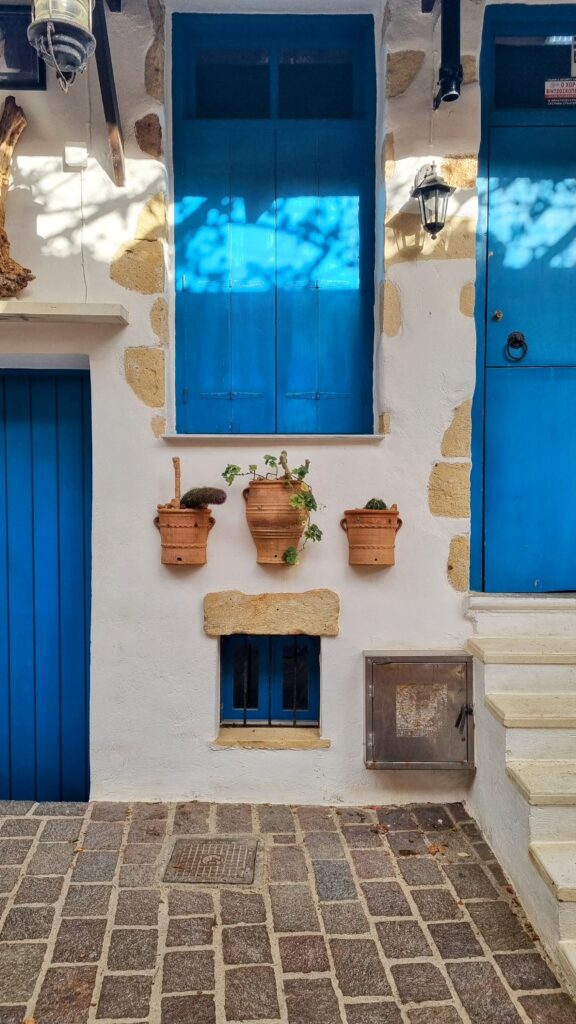
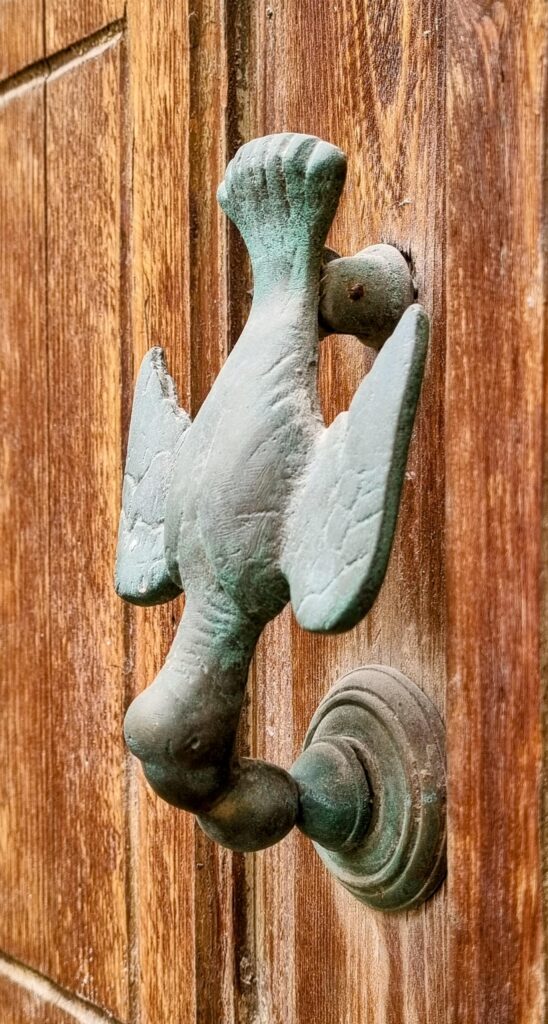
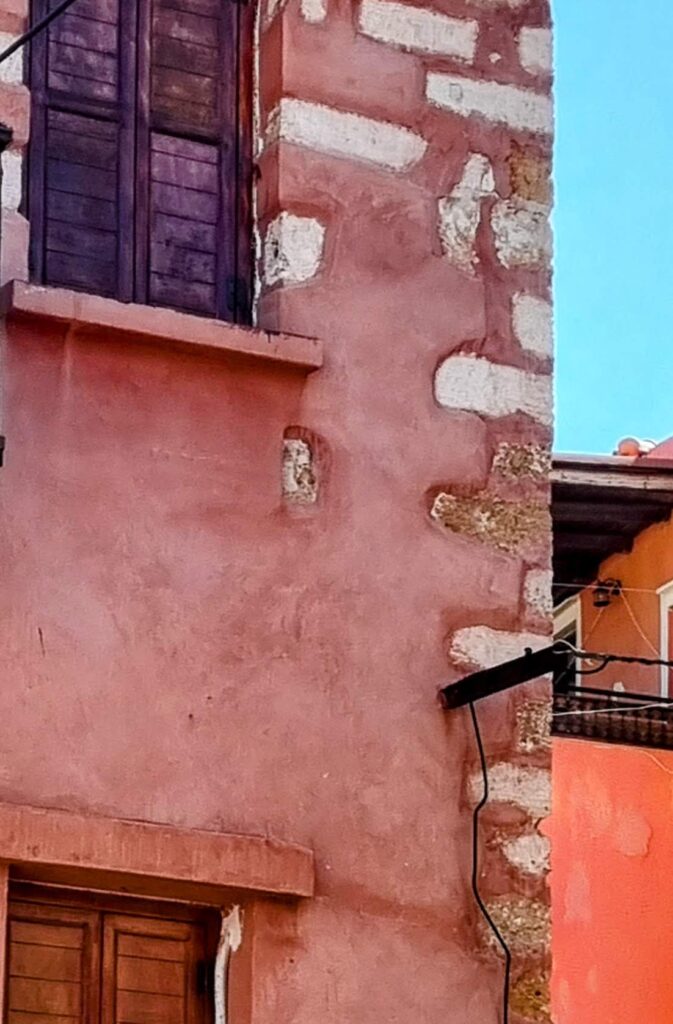
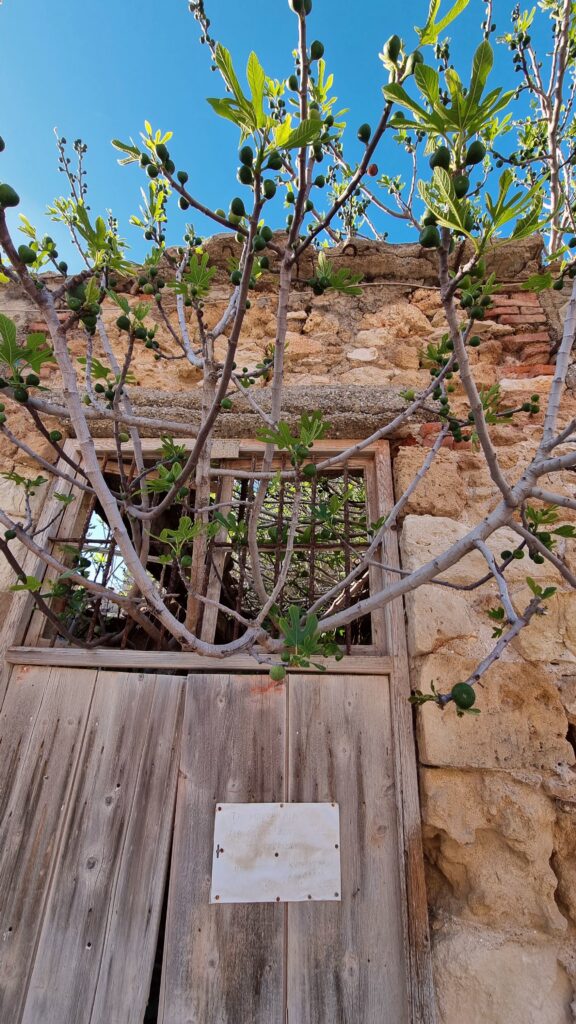
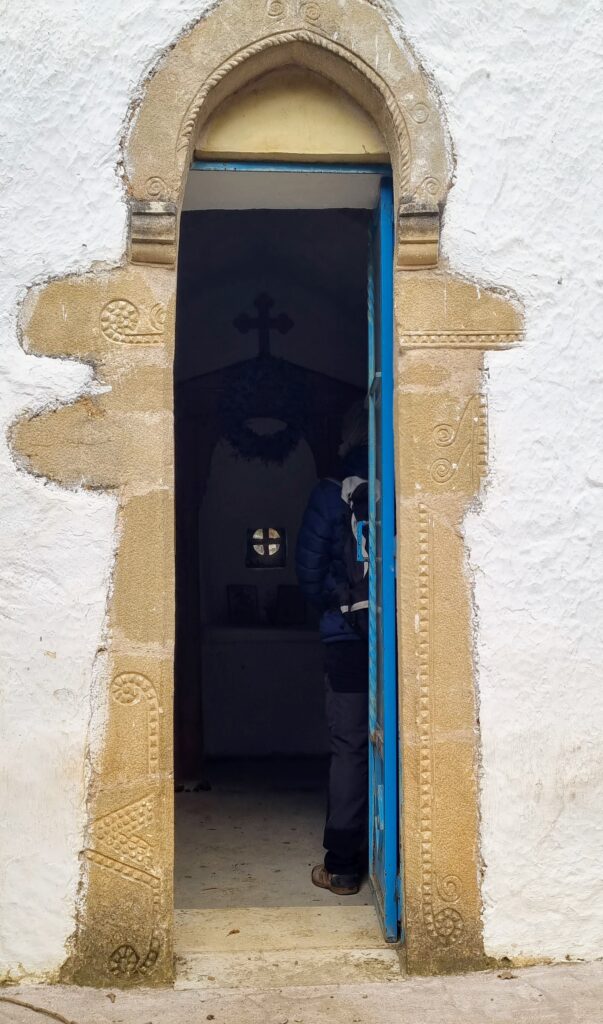
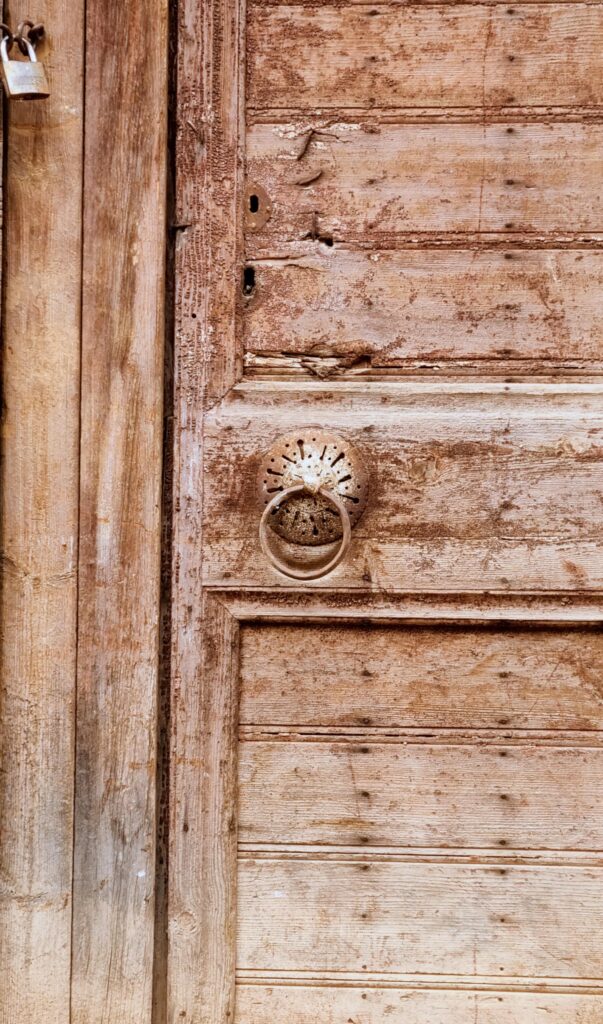
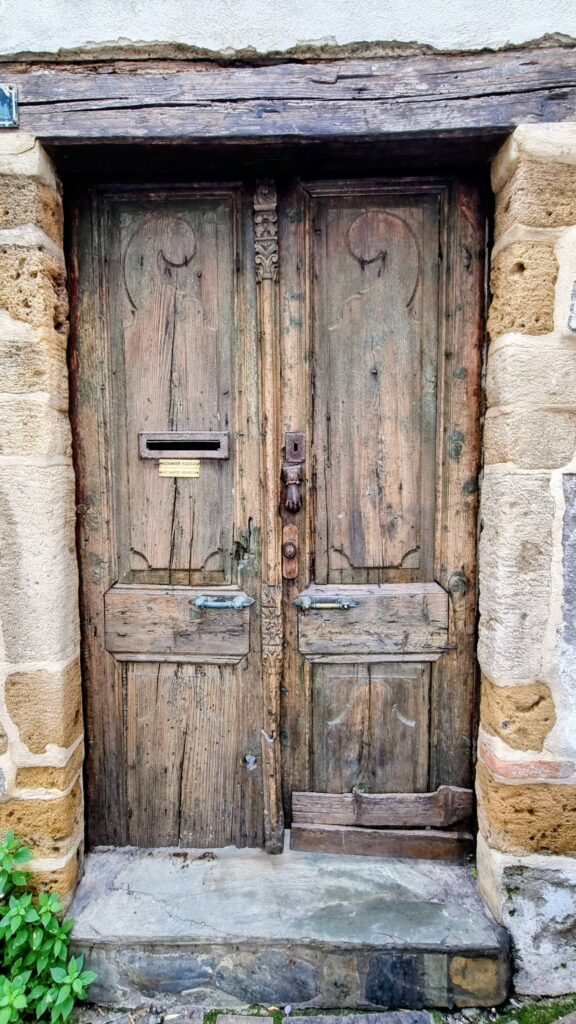
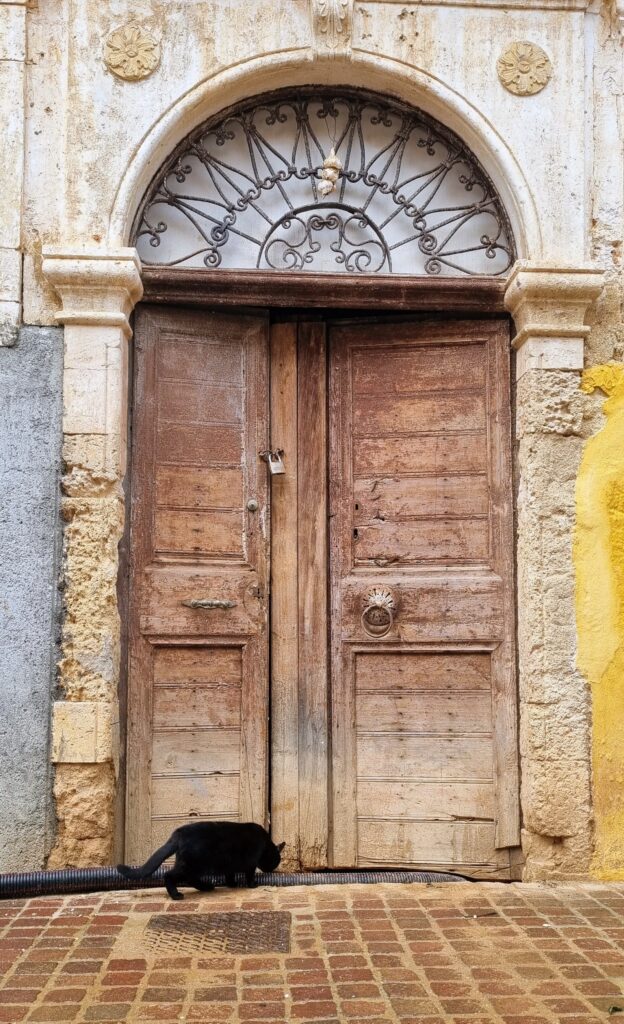
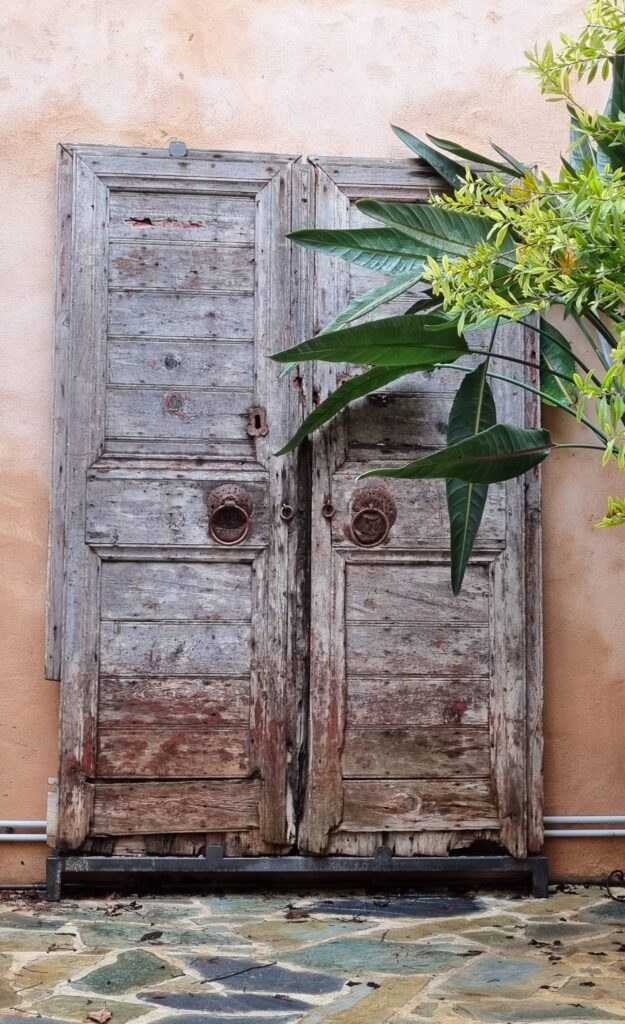
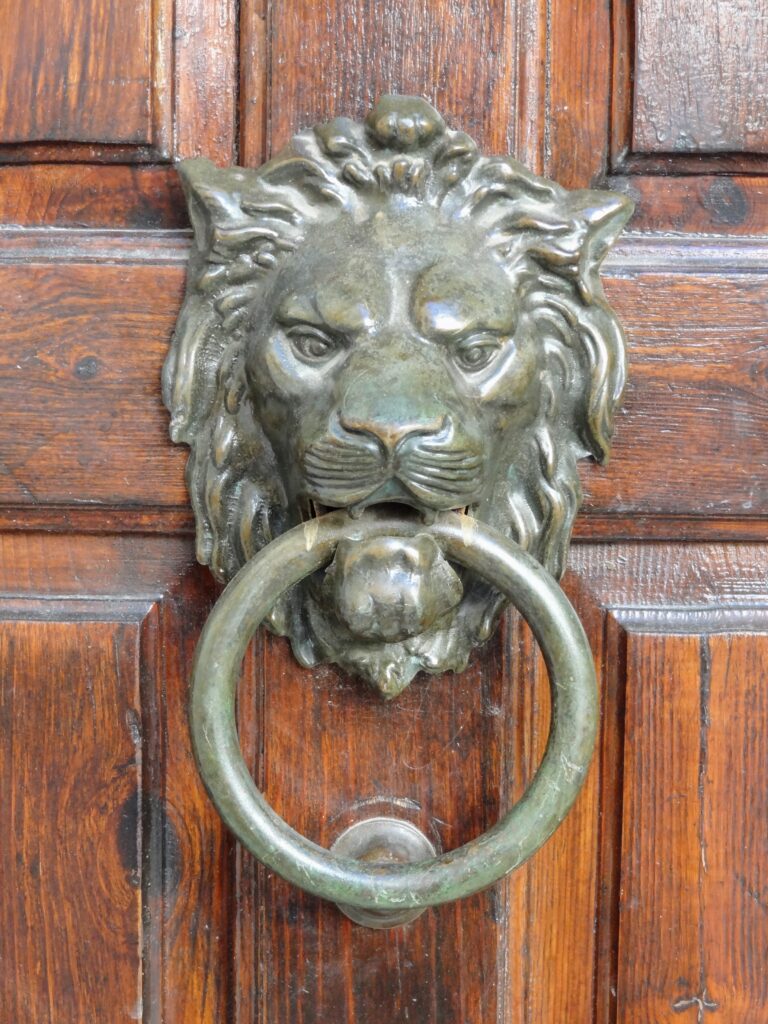
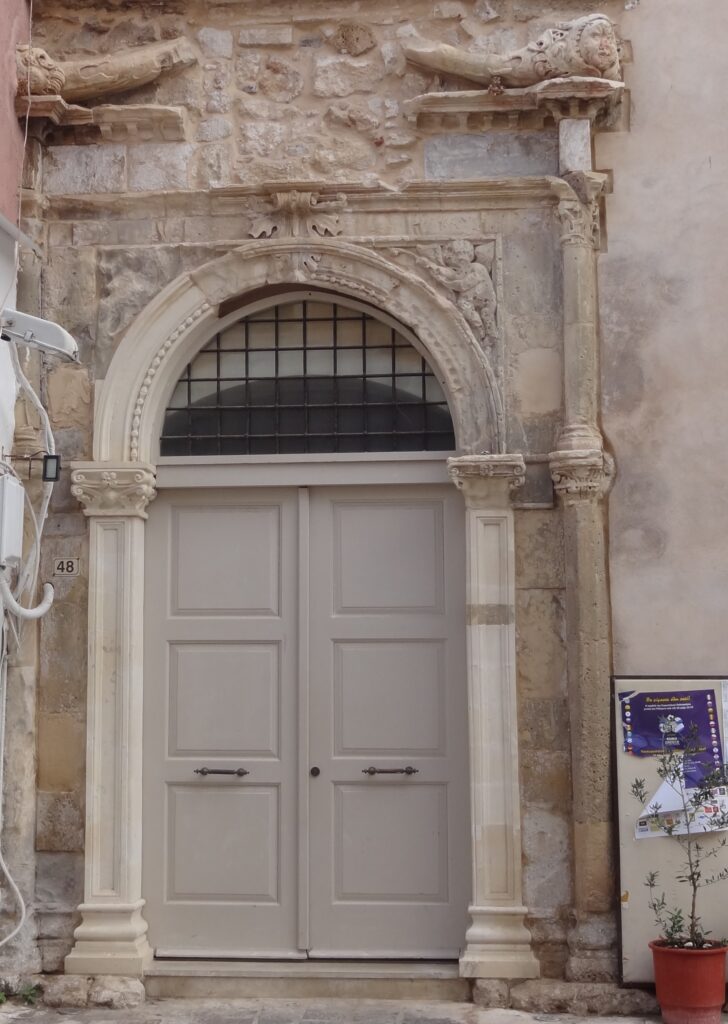
Sometimes they allow us to peek inside, often strictly shielding what is private or secret. They speak of the status of the residents, their ups and downs. Some demand that we stop respectfully and use a knocker or bell, while others allow us to glance inside through a crack worn by time. Sometimes, half-open, they invite guests in. They show time, its passage, history, civilisational changes, and bear traces of wars, shootings and protests.
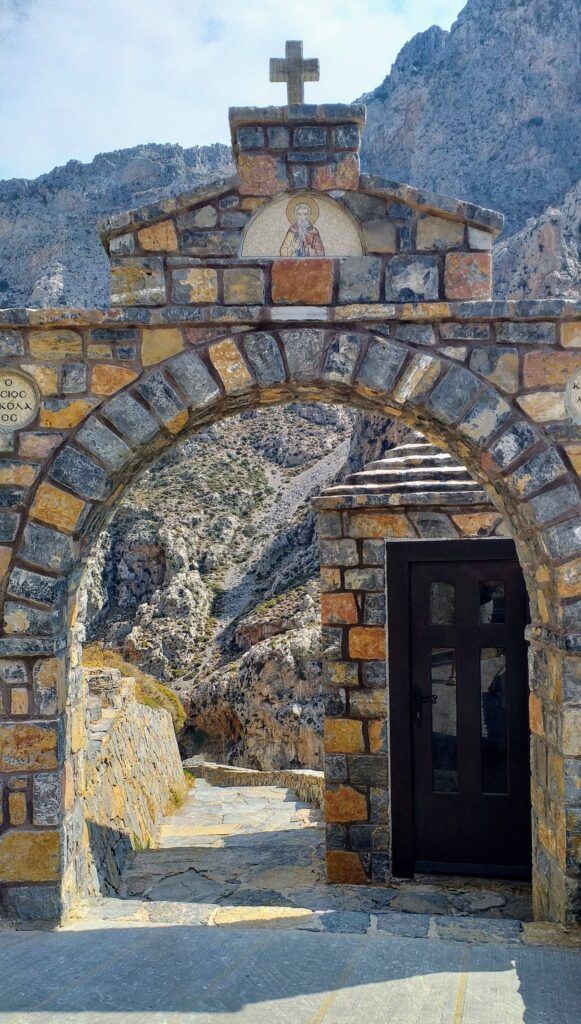
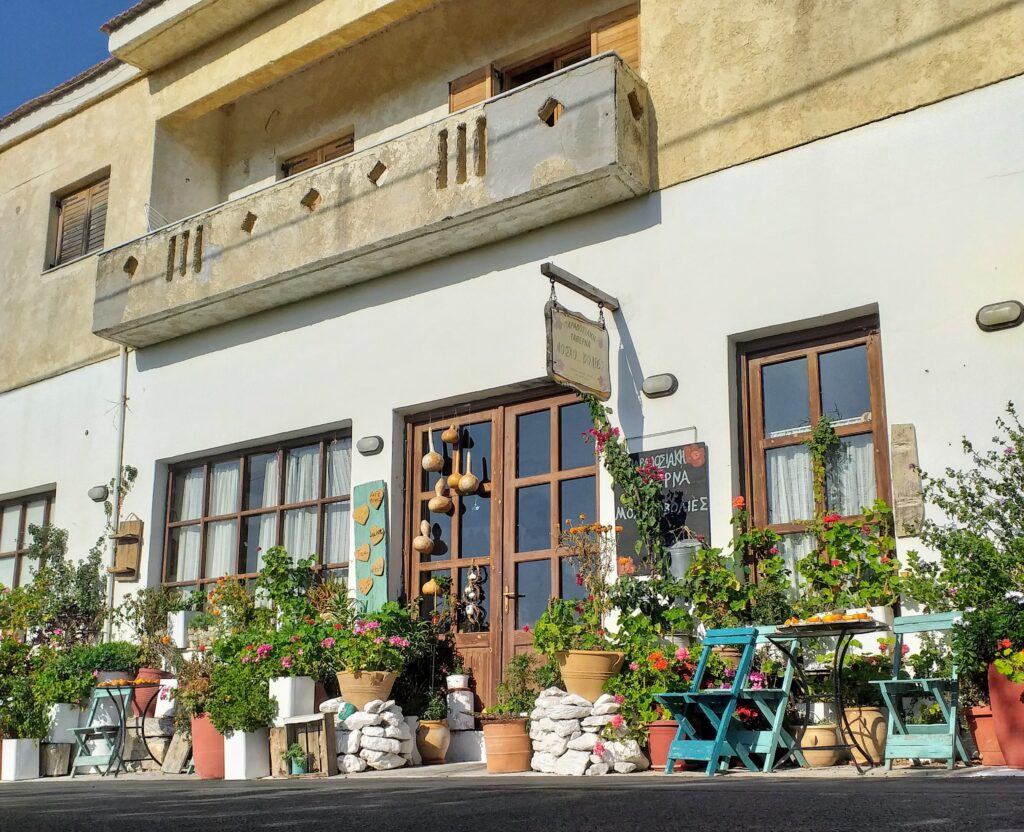
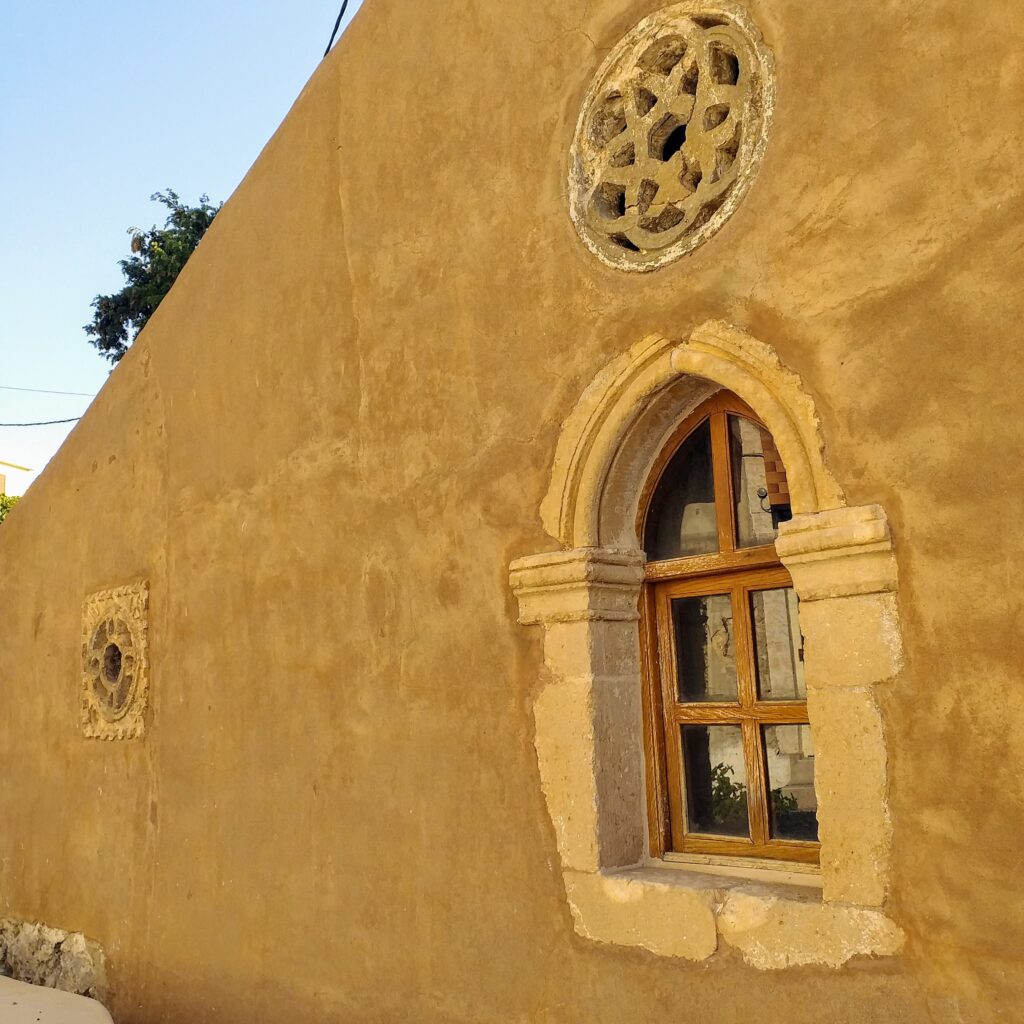
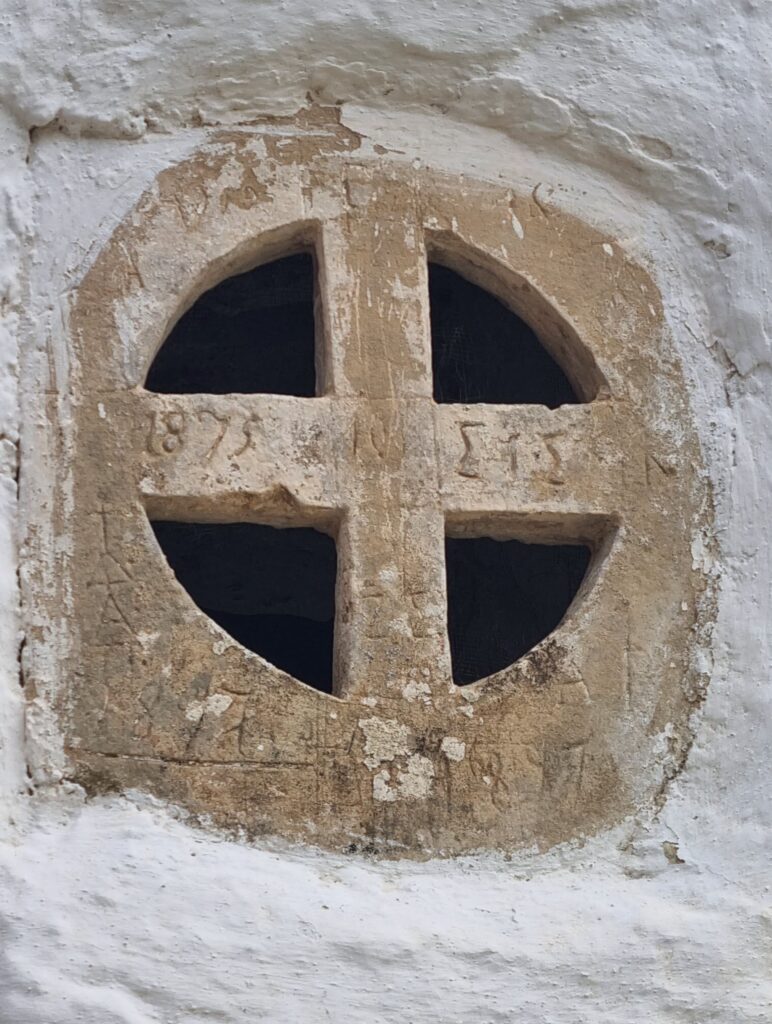
Crete is full of wonderful stories, many of which can be admired or deciphered in its ancient portals, medieval monastery gates, ornate Venetian doors with arched lintels, or distinctive red details from the Ottoman era.
We were assured that tickets to the museum could be easily purchased on site, so we set off leisurely from Thimari Gardens on a beautiful October day around 11 a.m. Leisurely and on foot. Google suggested that the walk would take 25 minutes and would run picturesquely along the coast, from Splantzia in the old town of Chania, eastwards towards the Halepa district, where the modern and eco-friendly new building of the Archaeological Museum is located.
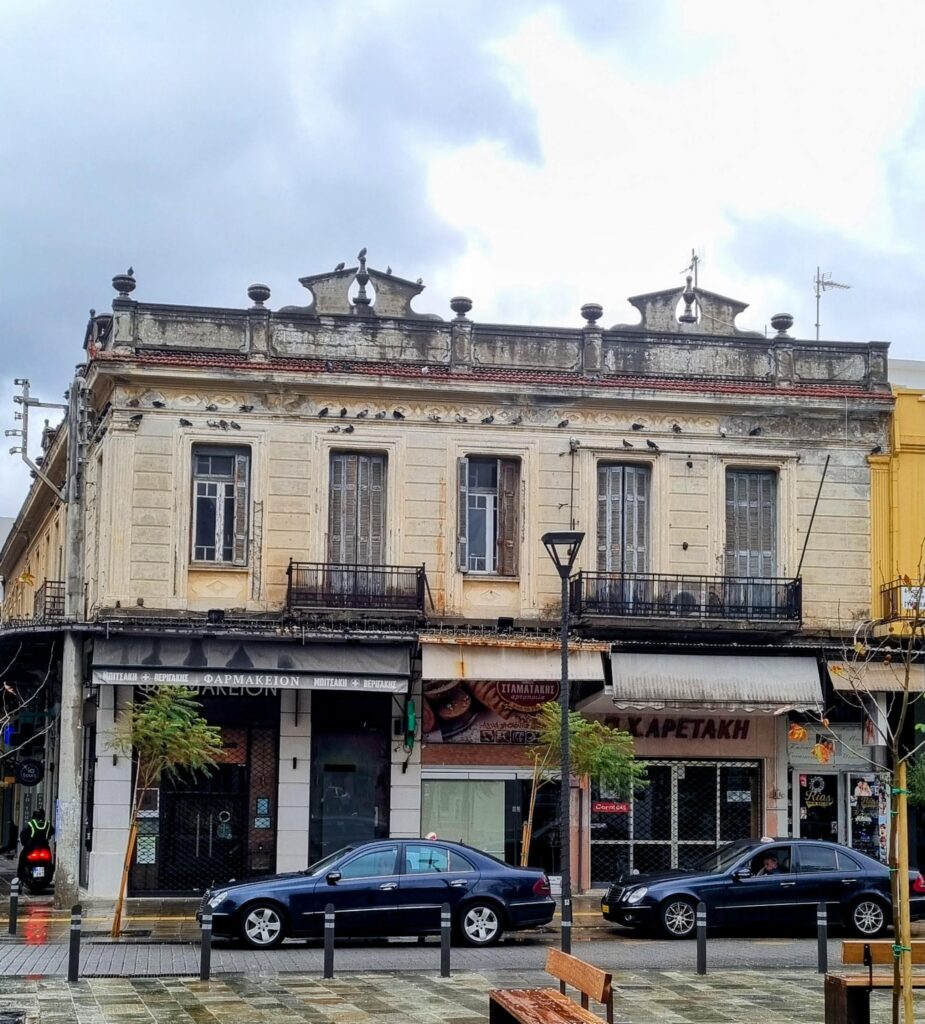
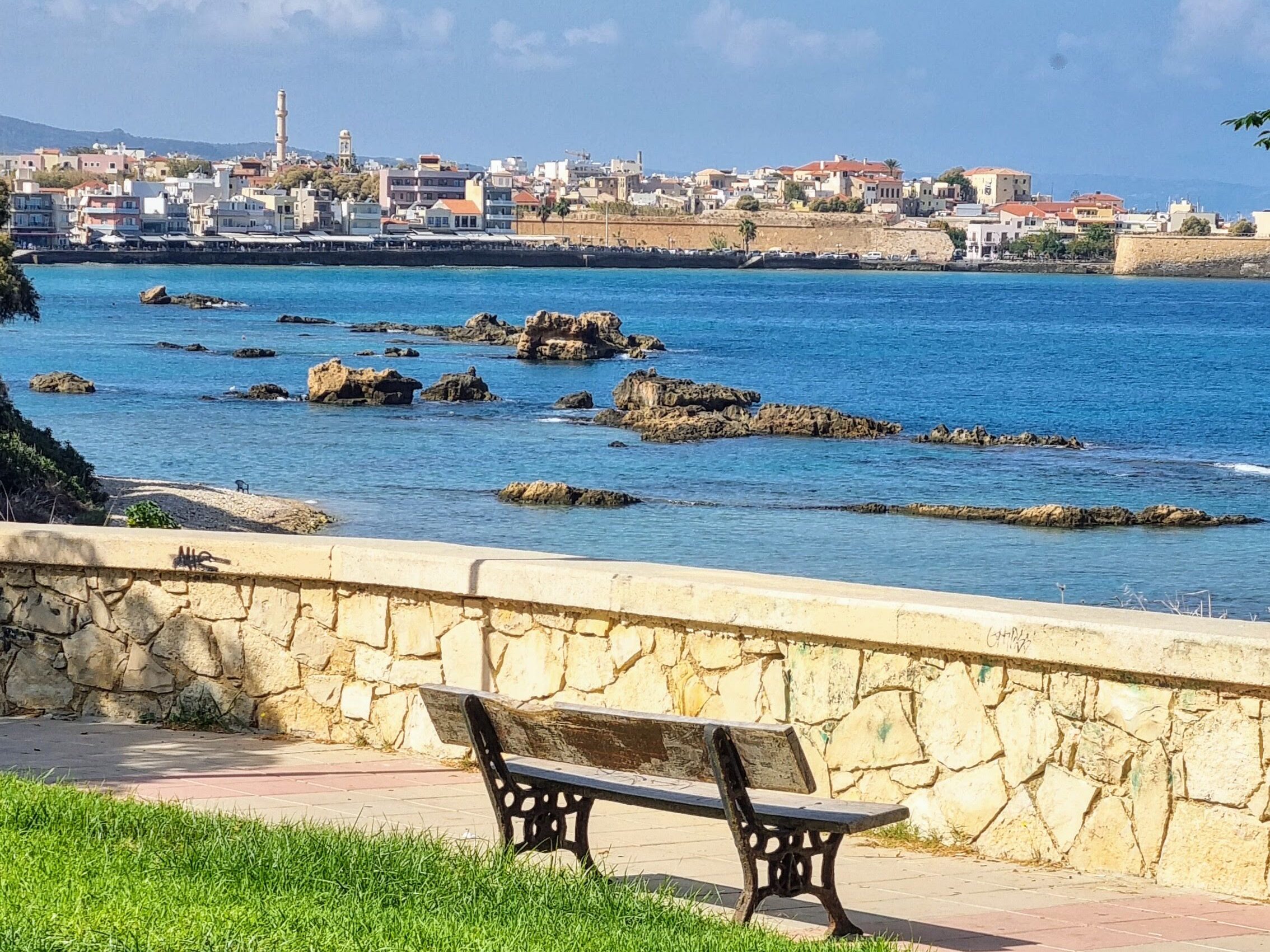
We were not disappointed. The coastal road winds along the high rocky shore and allows you to either see the magnificent Venetian gate of Chania (Sabbionara) from a new perspective or enjoy tropical views. The last 300 metres lead into the city, but there is still plenty to admire here, because Halepa gained its fame in the 19th century as a centre of politics and business for the greats of this world, which resulted in the creation of many beautiful and unusual villas and estates, which, either carefully renovated or still waiting for an investor with a bag of money, can be seen on the way to the museum.
But there is also the museum building. Low, blending into the hill, quite discreet from the outside, bright, uncluttered and open inside.
Standard tickets cost €6, but all EU residents under the age of 25 enter for free. Audio guides are also free of charge.
The permanent exhibition, covering the period from the Palaeolithic to Roman times, is housed in three large rooms. Most of the 4,100 exhibits come from the Chania area and the island of Gavdos, which is famous for its remains indicating that it was inhabited as early as 700,000 BC.
The first room presents the prehistory of this part of the world from the Palaeolithic period to the heyday of Minoan culture, with its palatial period, the remains of which are now mostly hidden in the Kastelli district of Chania, then known as Kydonia.
In the second room, we see a collection covering the Iron Age, the time of city-states, led by Kydonia and Aptera.
The third room is a narrative built around the destruction wrought by the terrible earthquake of 365 AD, and in particular the story of the destruction of a house called Filargyros, whose buried remains have become an excellent source of knowledge about that era.
There is another room on the first floor, which houses Mitsotakis’ private collection donated to the museum. It contains an absolute rarity – a stone seal engraved with the Minotaur, dated 1350 BC.
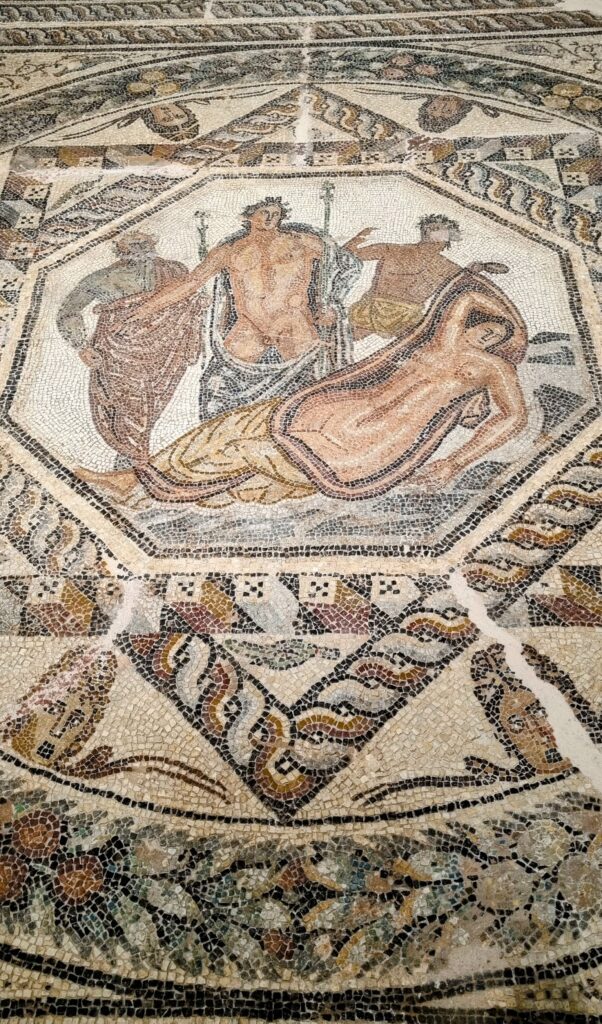
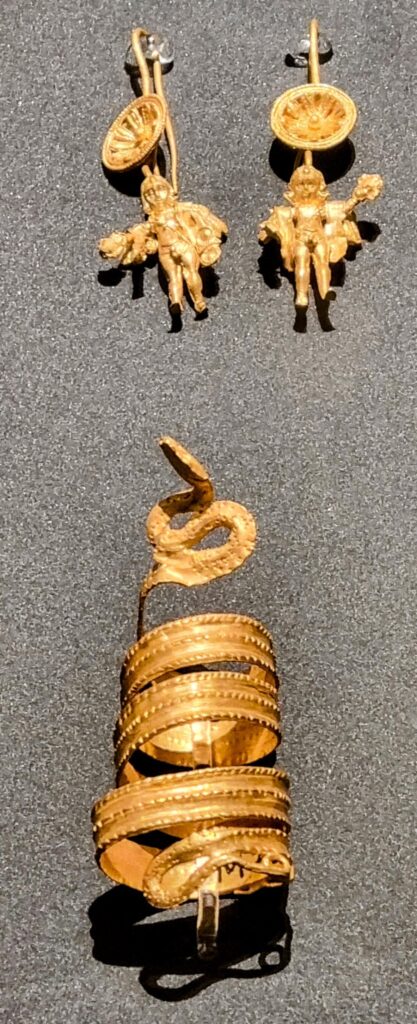
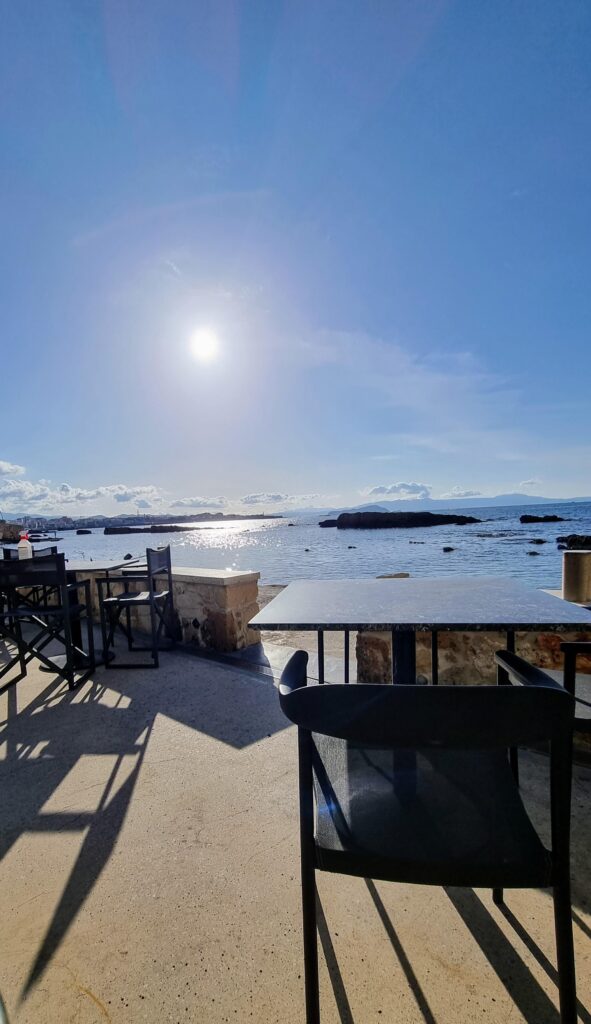
The exhibits are logically arranged, the most interesting ones are displayed and illuminated in an interesting way (I was delighted by the Minoan seal, jewellery, warriors’ graves and Roman mosaics), and clearly described. A leisurely stroll through all the rooms takes about 1.5 hours, and for those who are tired, there is a pleasant café with a terrace on the upper floor, offering an unobstructed, wonderful view of Chania and the Cretan Sea.
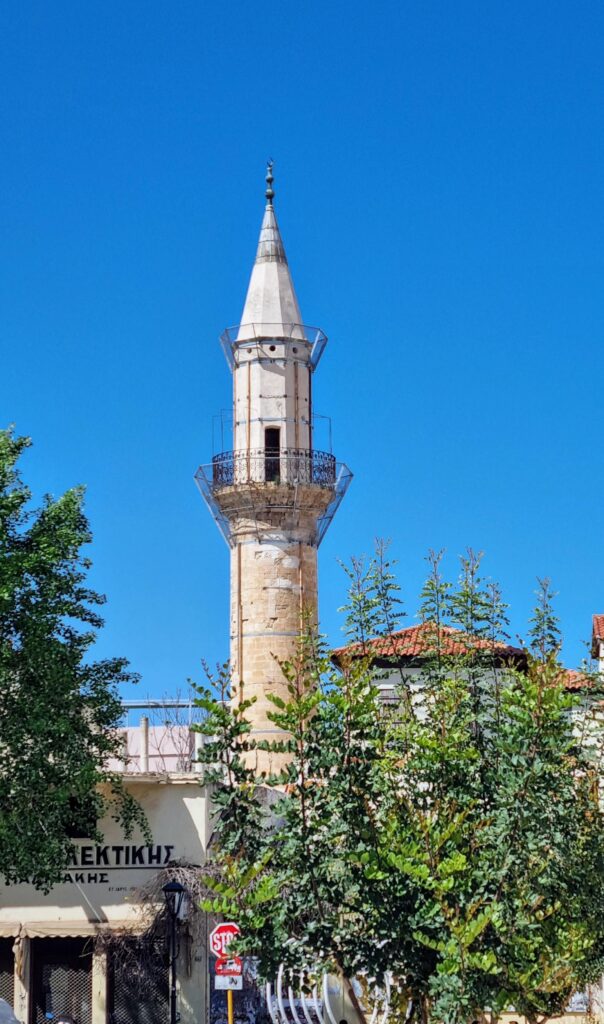
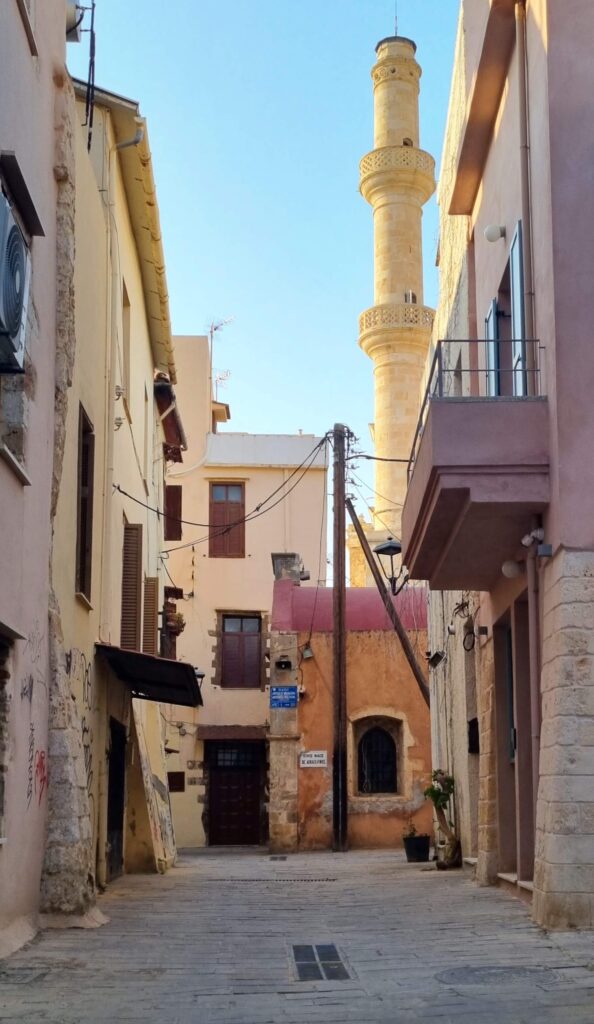
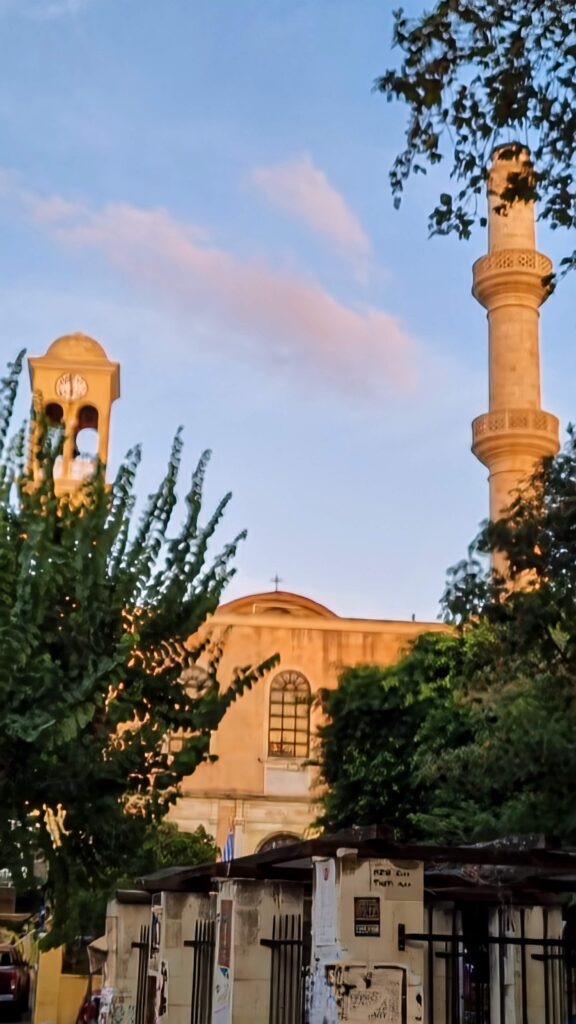
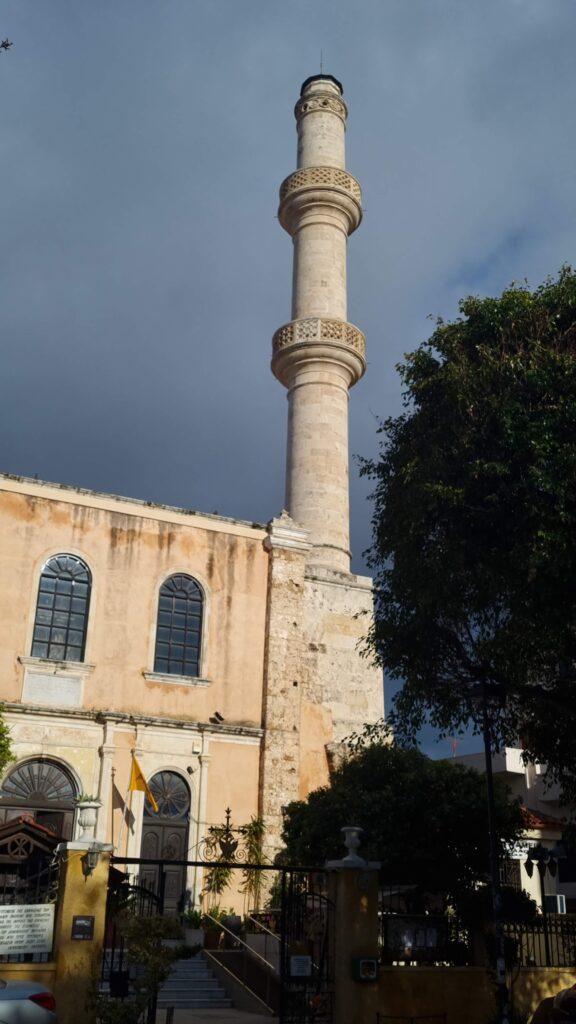
The area has a long and interesting history, going all the way back to the Venetian era. Back then, it was called Ponte Dei Viari, which means ‘bridge of the viari’ in Italian. This was because there was a bridge that connected the eastern gate of the Kasteli settlement with modern Daskalogianni Street and Splantzia Square. The bridge was named after a rich Venetian family who helped the city out when it was down on its luck. The area had lots of underground water, which explains why there were underground Venetian water tanks that could supply the city for six whole months. The current St. Nicholas Church was originally the monastery’s temple, which was run by the Order of the Dominican monks. It was built in 1320. After the Turks took over in 1645, they turned the church into a mosque called Houghiar Tzamissi – Hünkâr Camisi, by adding a minaret on the south side of the building.
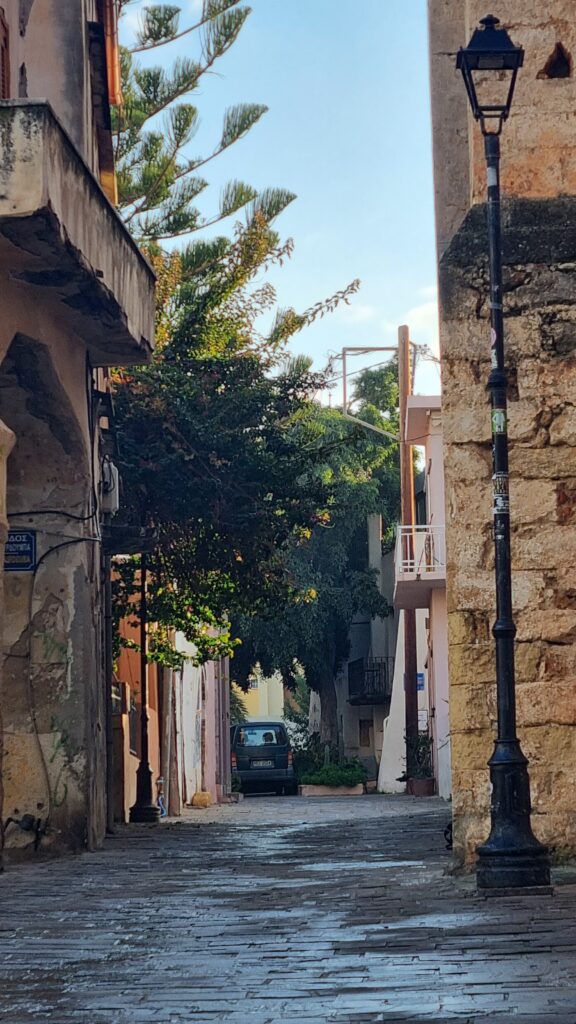
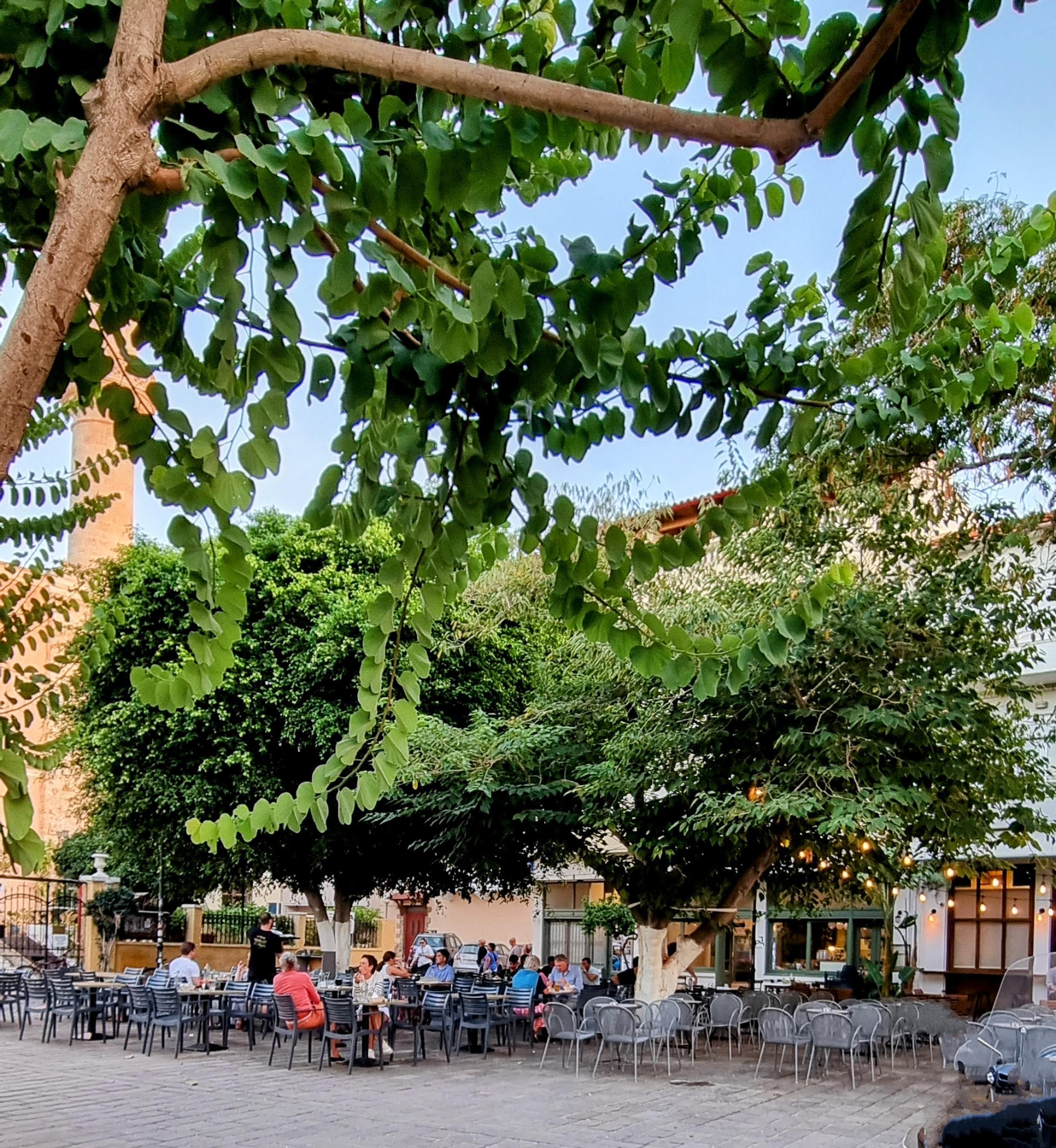
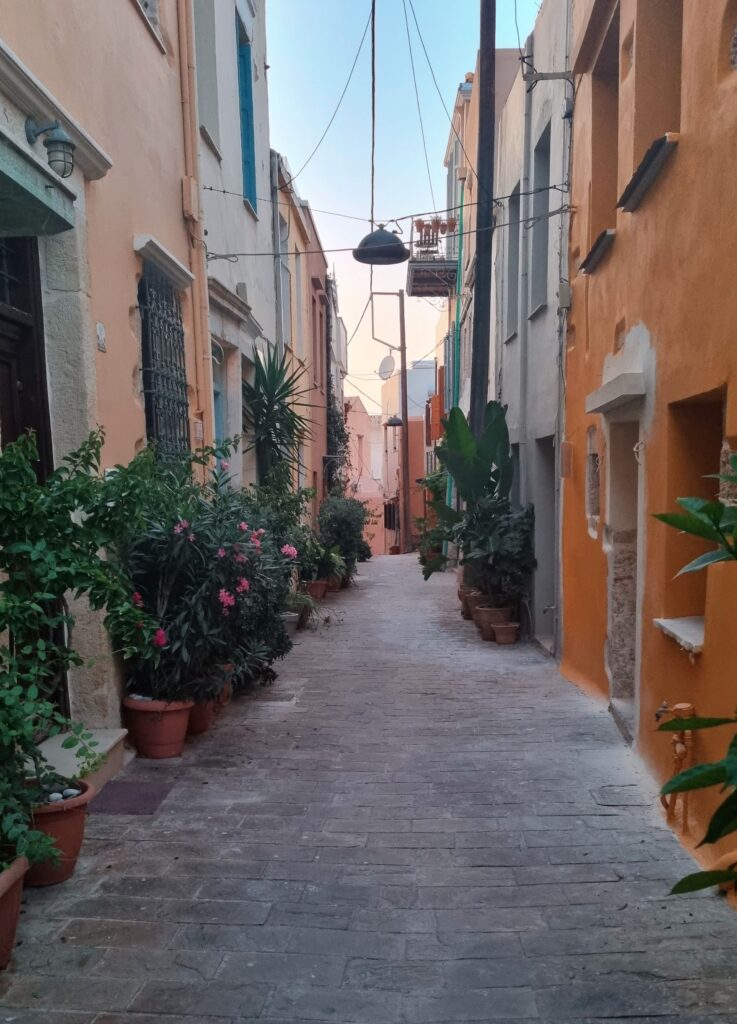
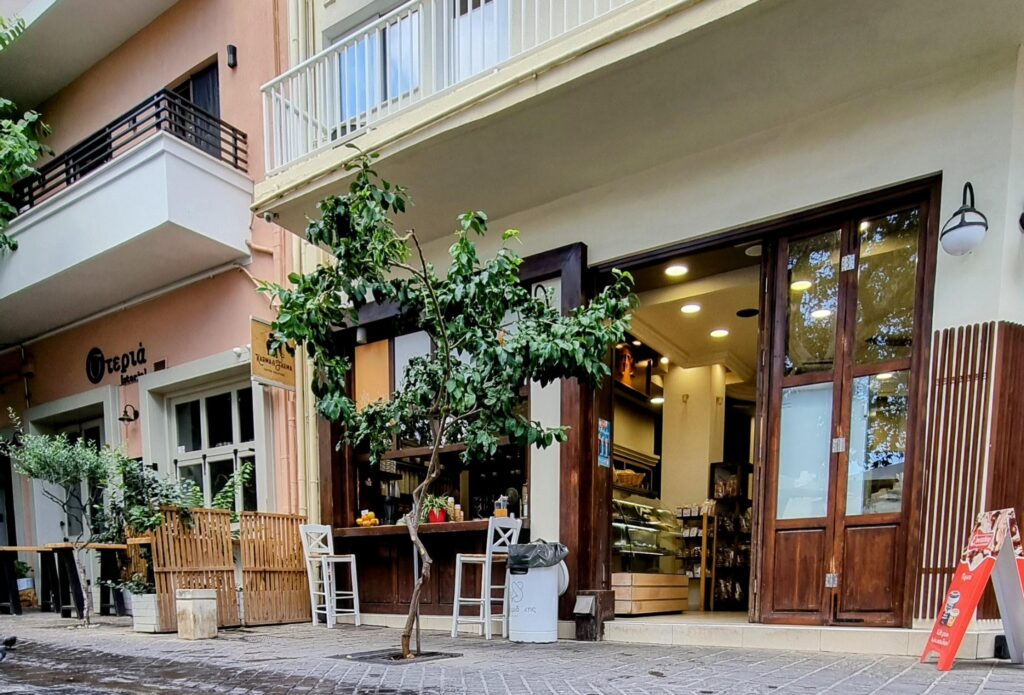
The Splantzia district after the Turks had been made to leave it (and whole Crete) entirely in the 1920s was synonymous with neglectand rough neighbourhood. However in recent years it has cleaned up its act, with many of its houses renovated, lots of young and alternative businesses popping up, and it has transformed into the most independent district of the old town. Fortunately, it has not yet succumbed to mass tourism, so it retains its local atmosphere, making it ideal for those seeking refuge rather than a tourist hotspot. The centrepiece of the neighbourhood is the historic square, officially known as ‘Plateia 1821’, with the equally historic Dominican church of St. Nicholas mentioned before. Either at the square or just a few steps away, you will find everything you need: a bakery, a mini-market, a pharmacy, a bookshop, a laundrette, as well as many interesting and high-quality restaurants and bars. Some of them are located right next to the square, under an old tree, which offers a pleasant place to relax on hot summer days and nights.
Some information in the post come from www.chaniatourism.gr
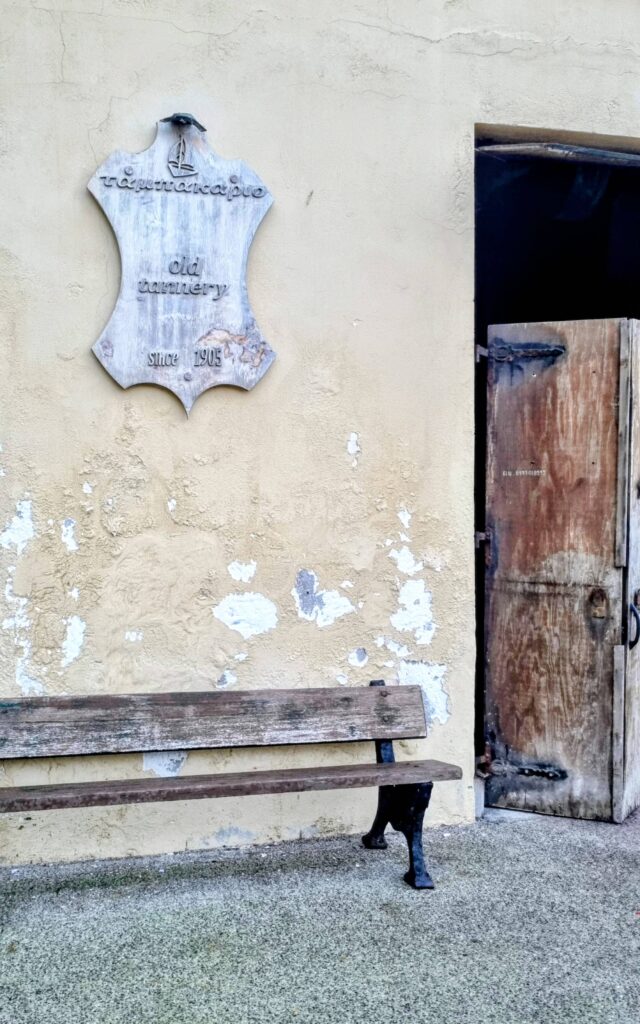
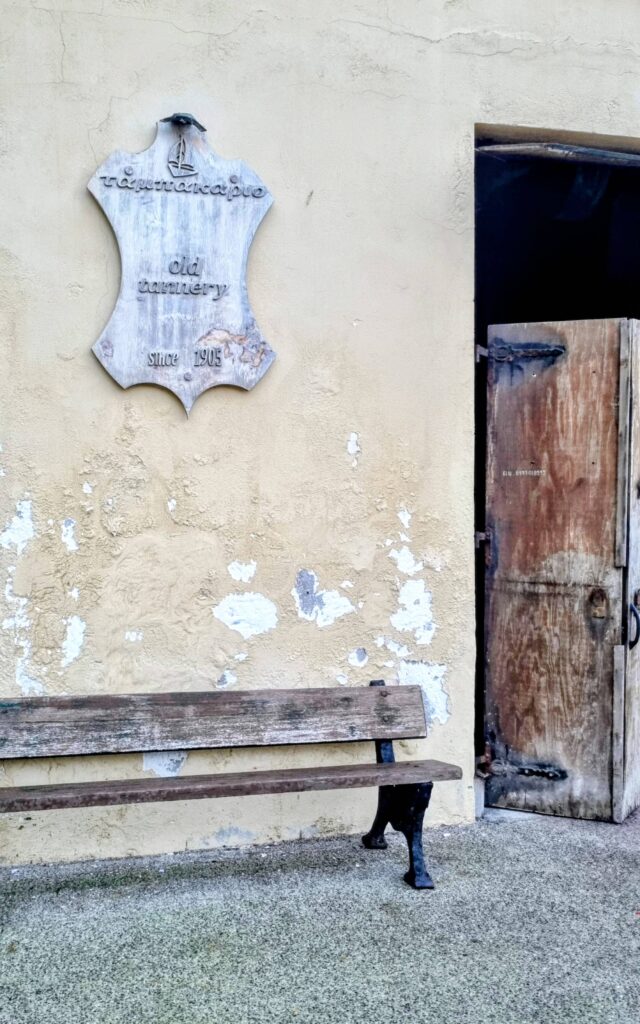
Today we headed to Tabakaria (Ταμπακαριά), roughly two kilometers from Thimari Gardens to the east. What a marvelous walk there, full of celestial blue, carpets of flowers in bloom and sweet scents of spring. Tabakaria, which used to be an area full of tanneries from the mid XIX century to the 70s of the XX century (80 of them at a certain point of history) now is slowly but constantly being revitalized. I predict that in 5-10 years its popularity may catch up with the old town of Chania as the views and its general ambiance are truly captivating.
It takes a lifetime for someone to discover Greece, but it only takes an instant to fall in love with her – Henry Miller.
About
My name is Marta, a Pole with Greece in heart. I am also a living proof that longlife dreams can come true. I always dreamt of having my place in beloved Greece and now here it is! And not just anywhere, but in the most wonderful city, steeped in the culture of ancient Greece, the Venetian Republic and the Ottoman Empire, my dream city of Chania, Crete.
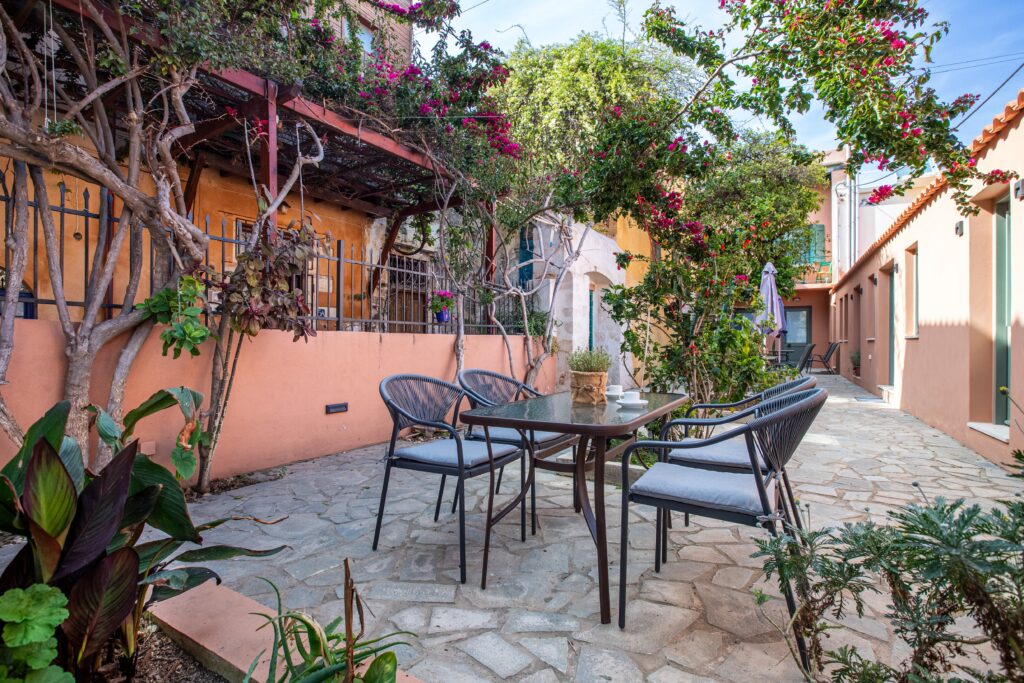
This blog aims at promoting Crete, Chania but also our home there- Thimari Gardens - which is seasonally rented out. More information about the apartment is available when you press the tab above named Thimari Gardens.
If you wish to ask about our rental offer, send an email at thimarigardens@gmail.com