First, let’s determine when winter begins and ends in Crete.
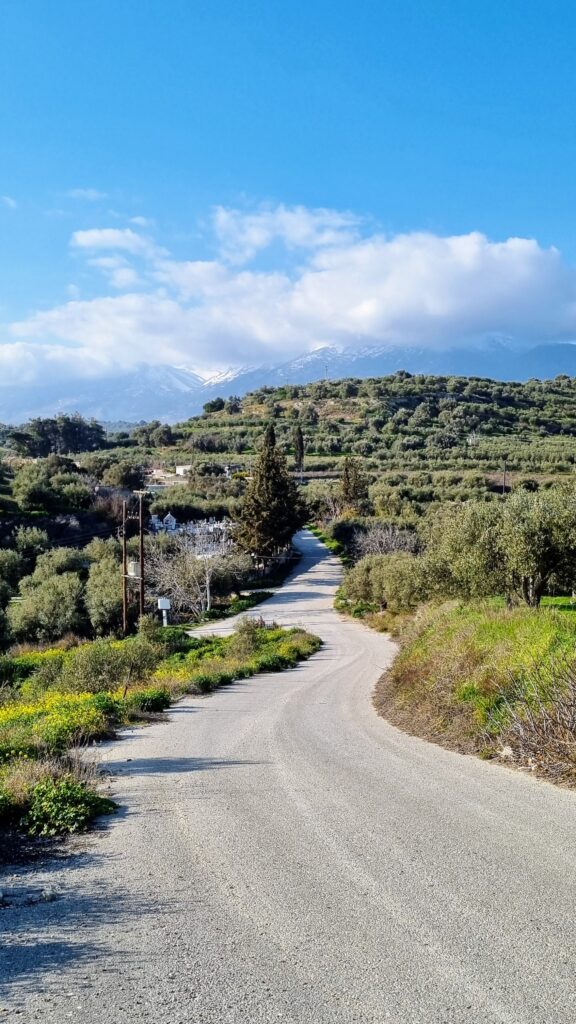
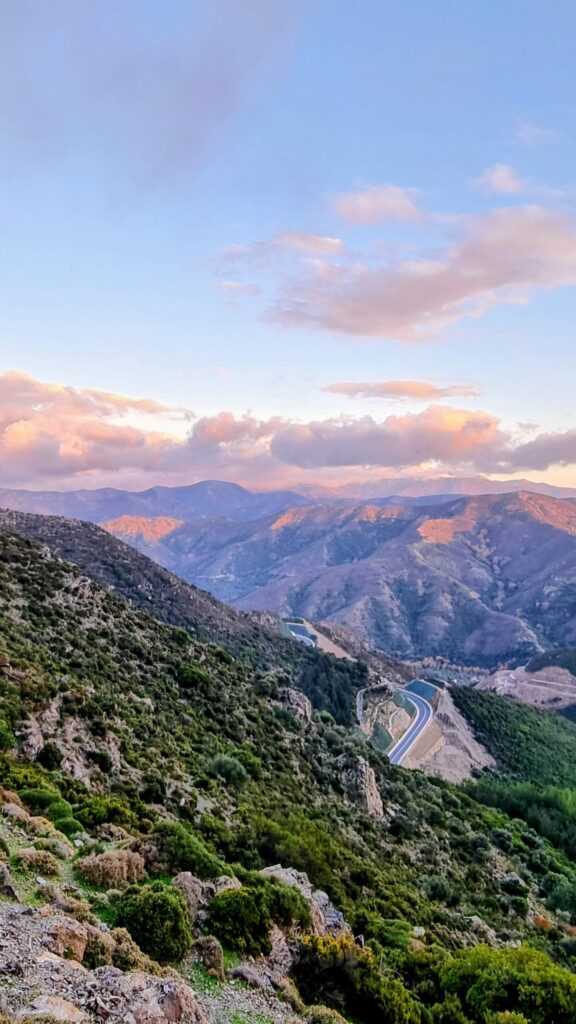
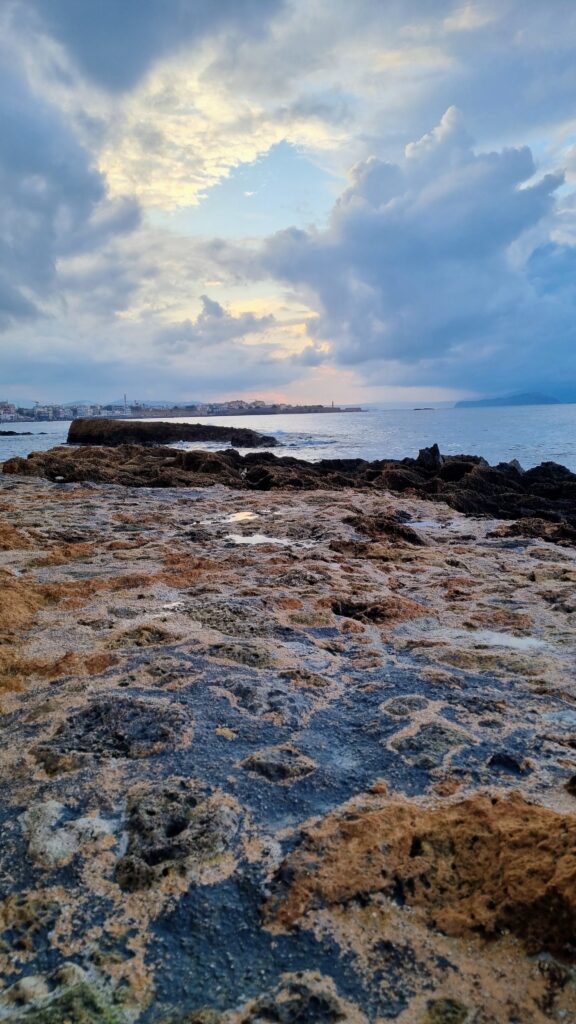
According to the calendar, one could say that it begins on 22 December, but that is not entirely true. Winter begins when the crowds of tourists stop coming, that’s all. In Crete, this means the beginning or, at the latest, the middle of November. By the same token, spring begins in early March, although here the calendar loses out to the logic of the nature of the Mediterranean climate.
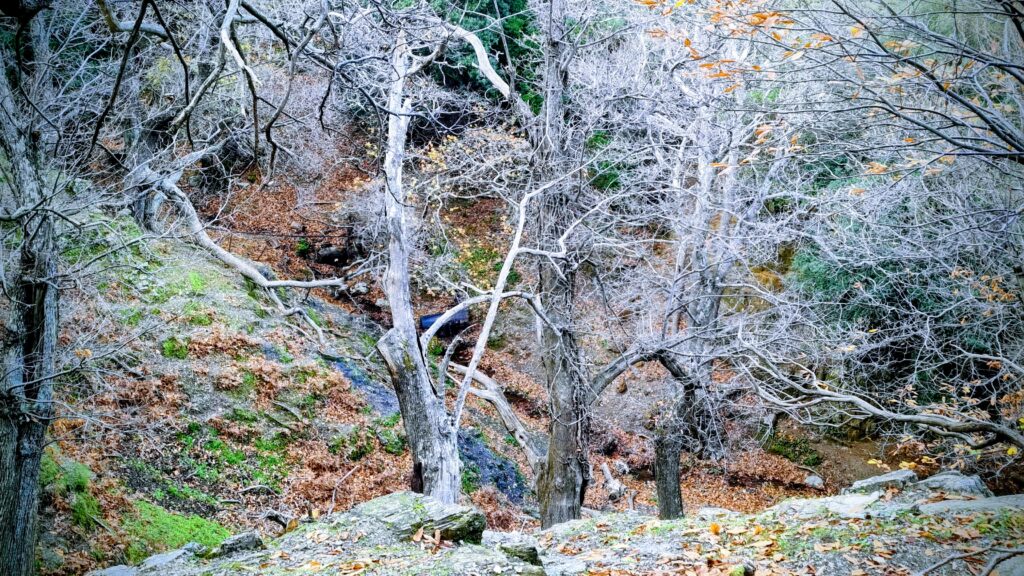
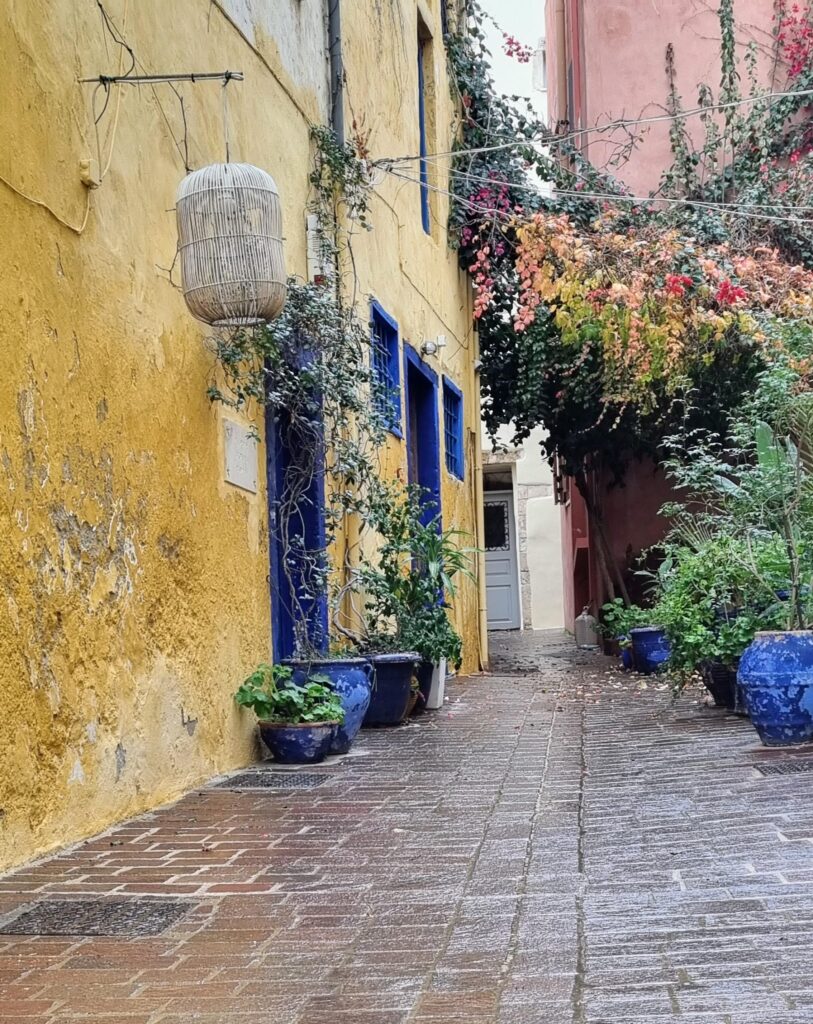
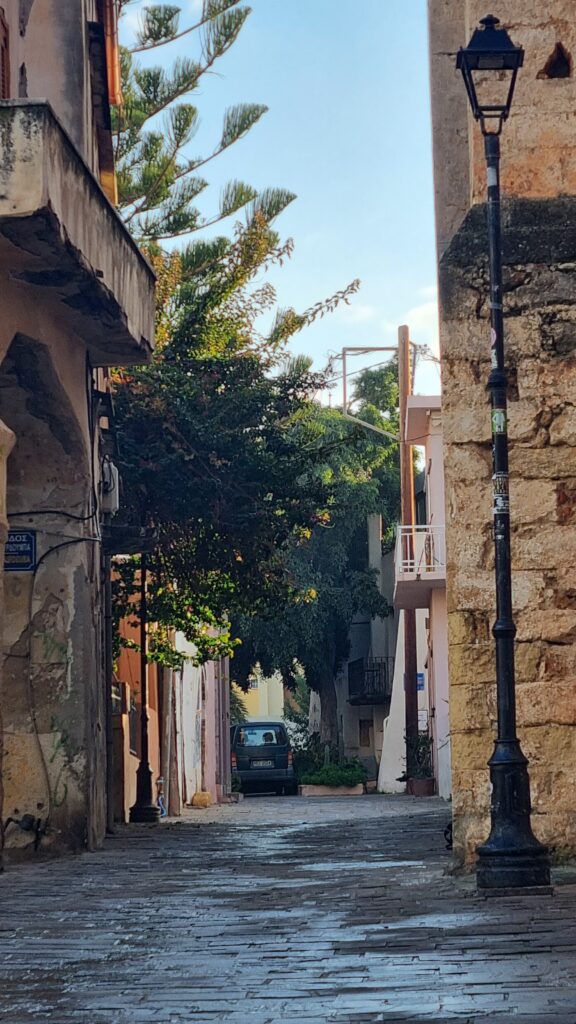
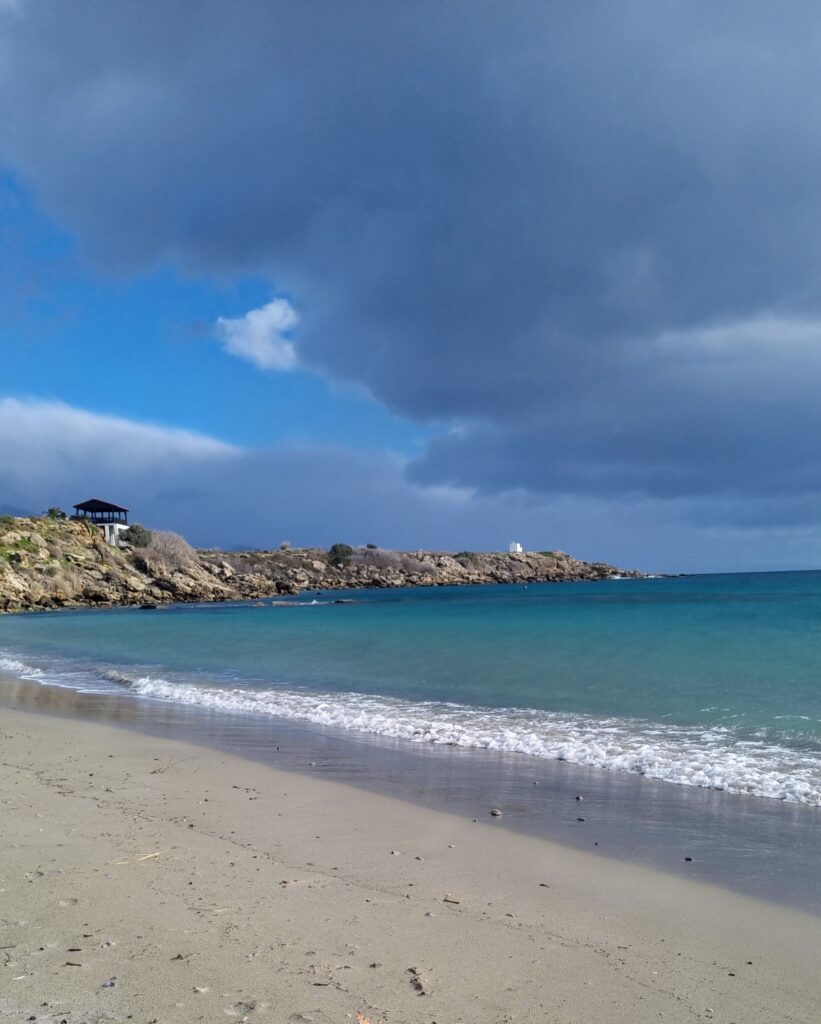
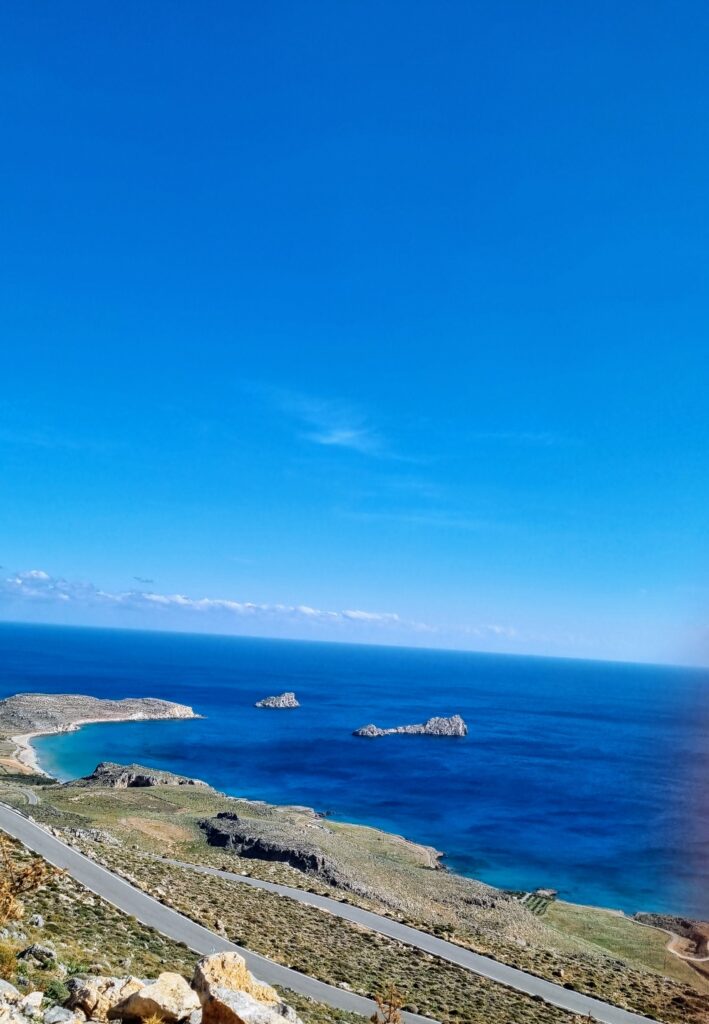
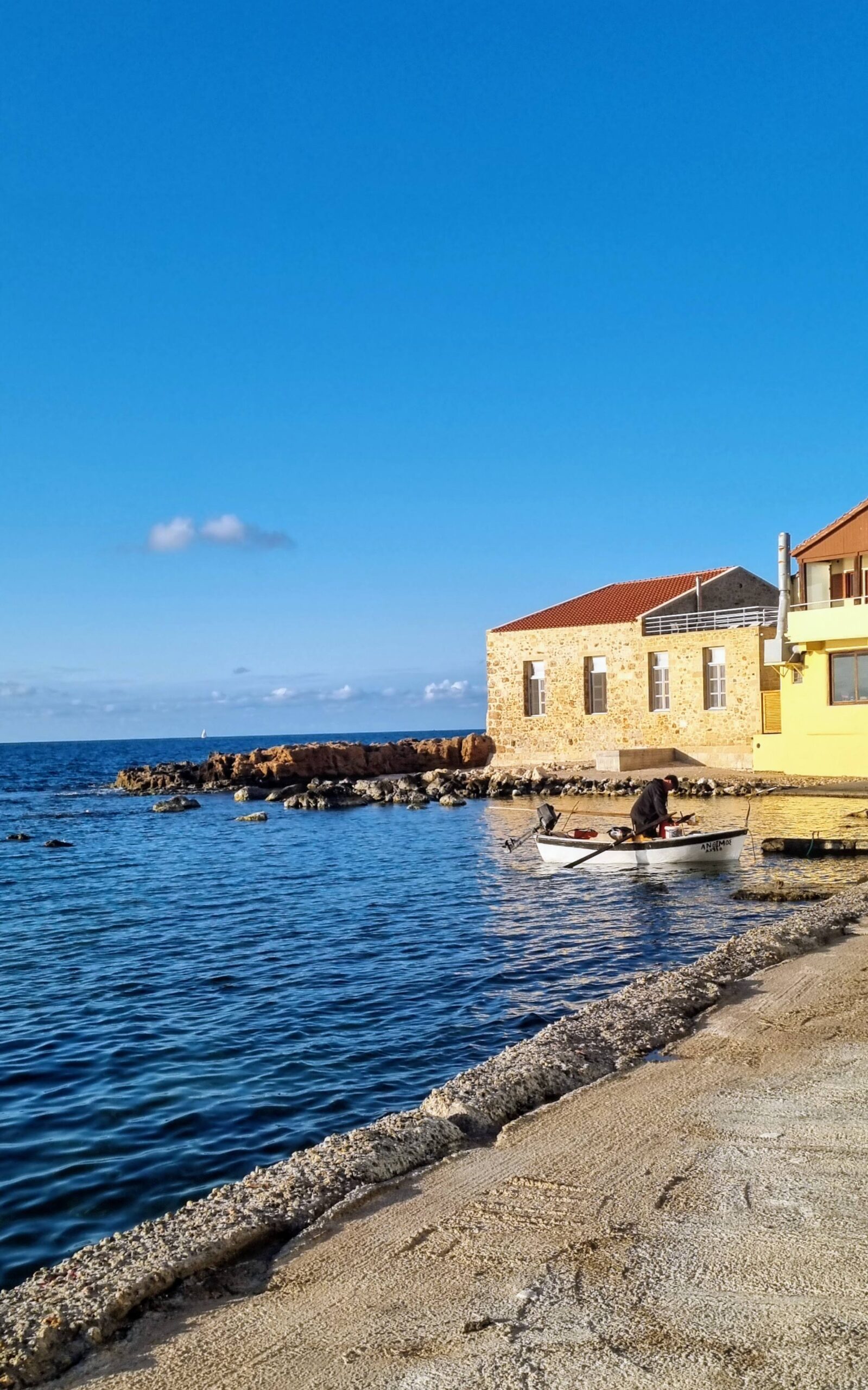
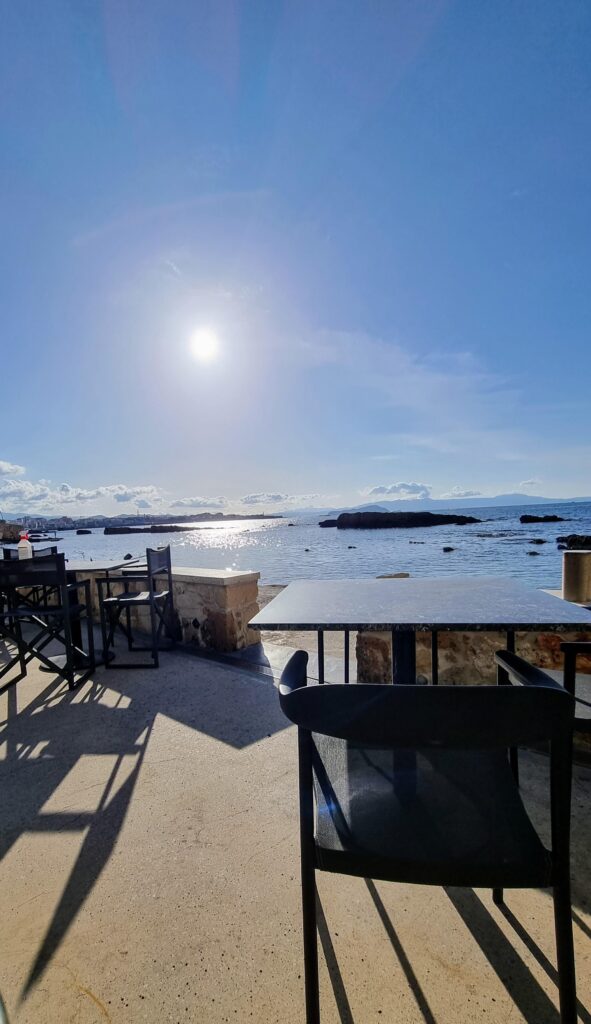
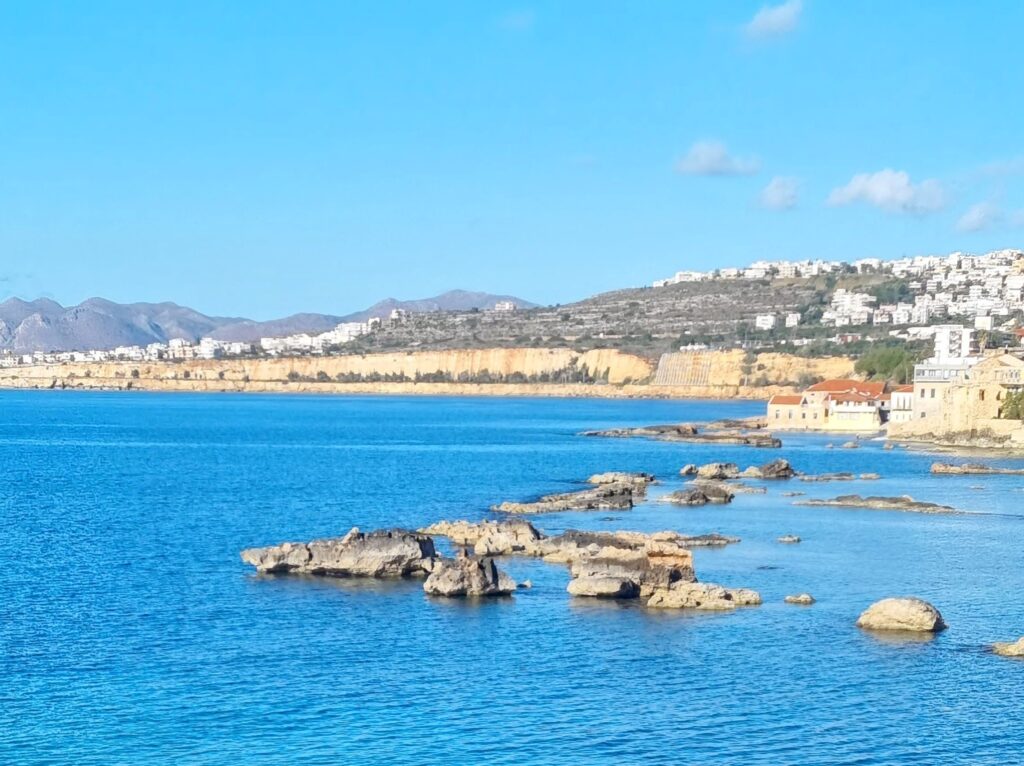
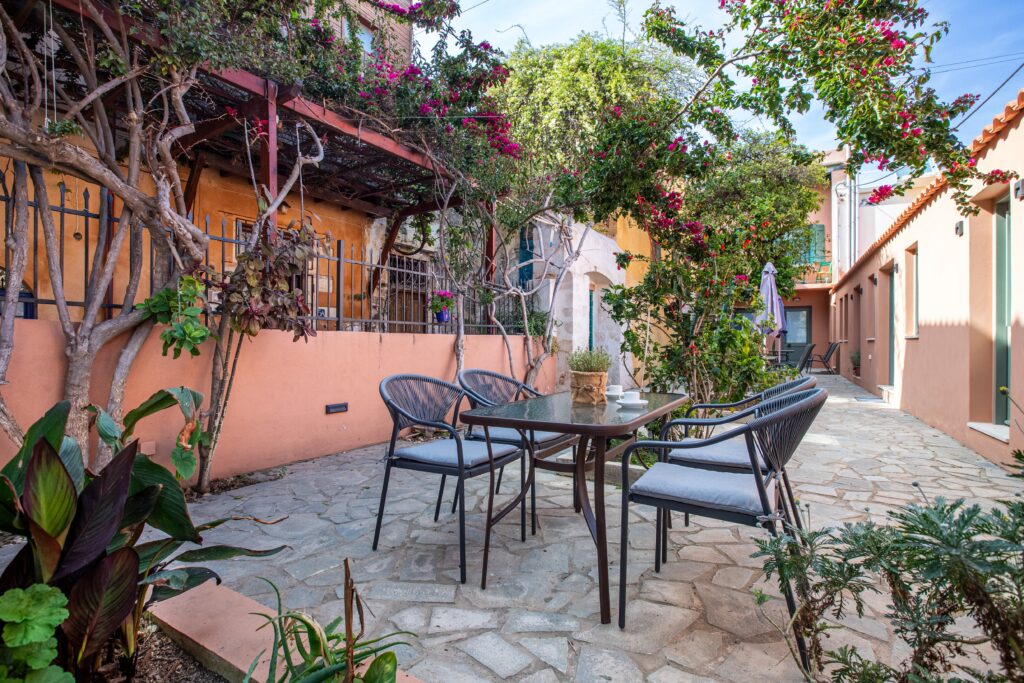
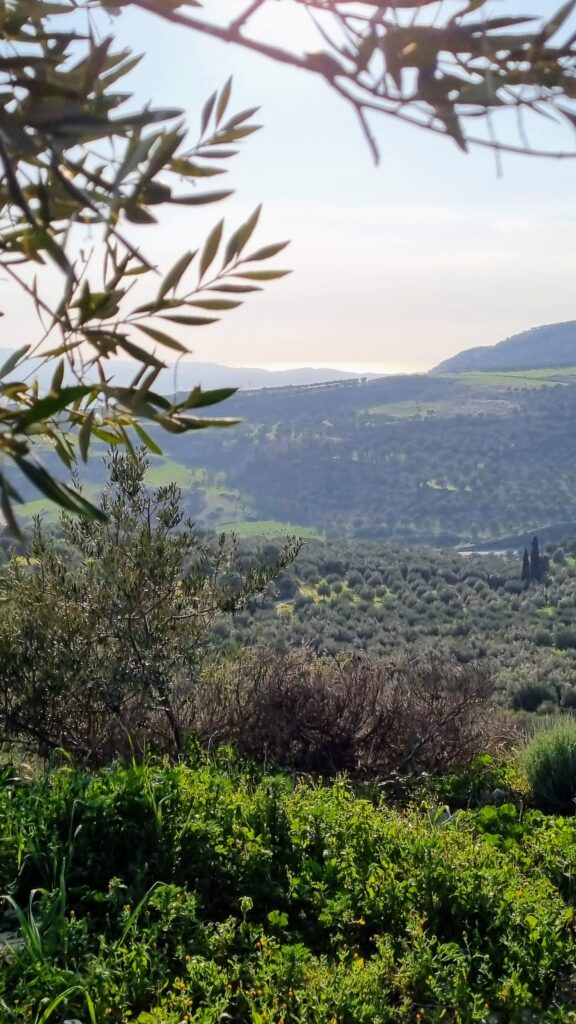
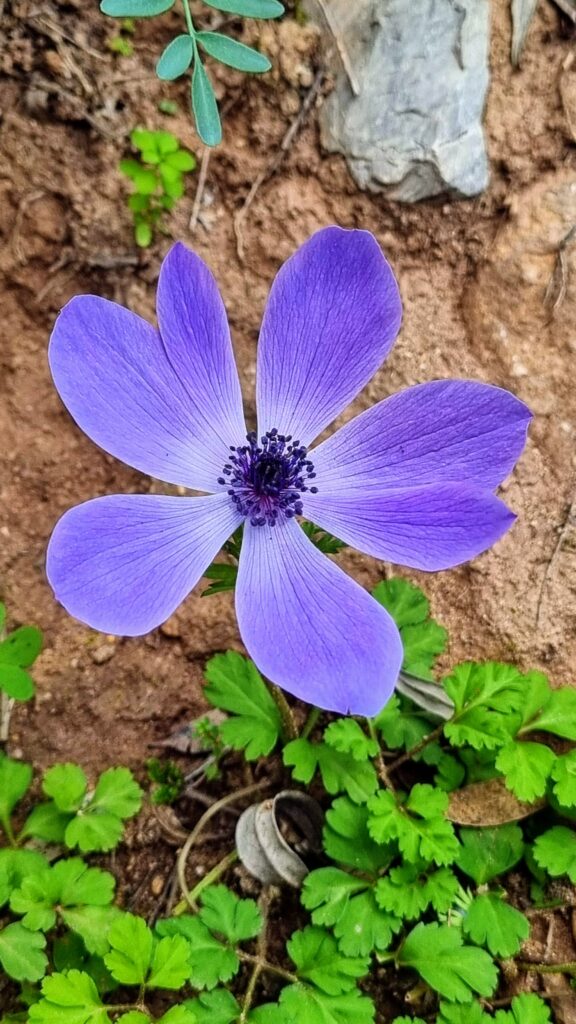
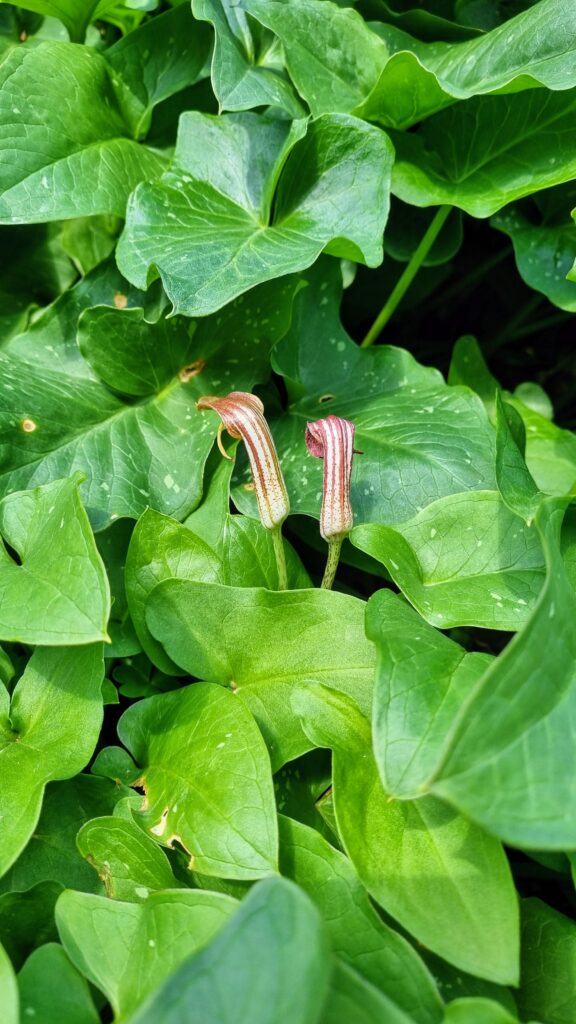
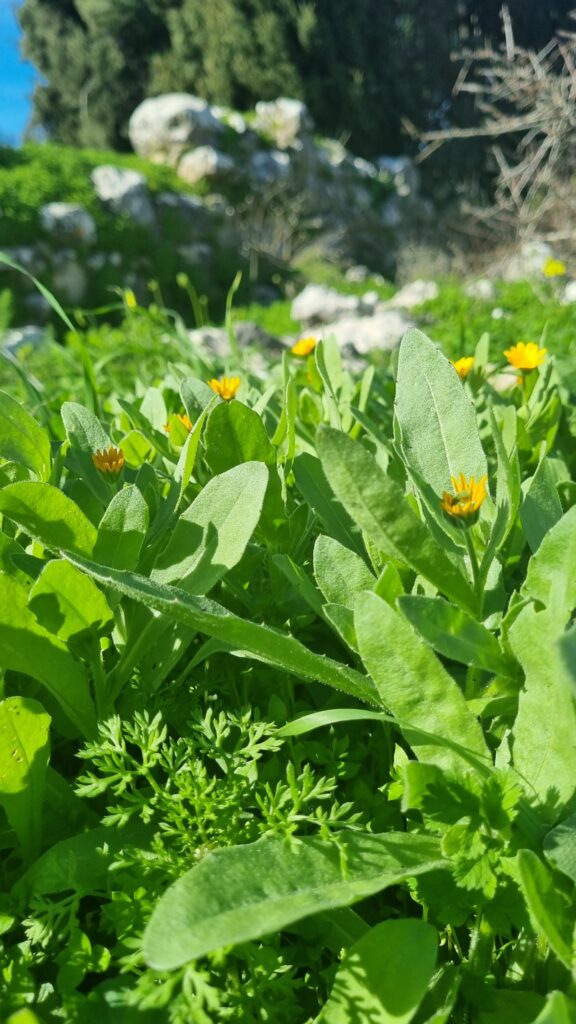
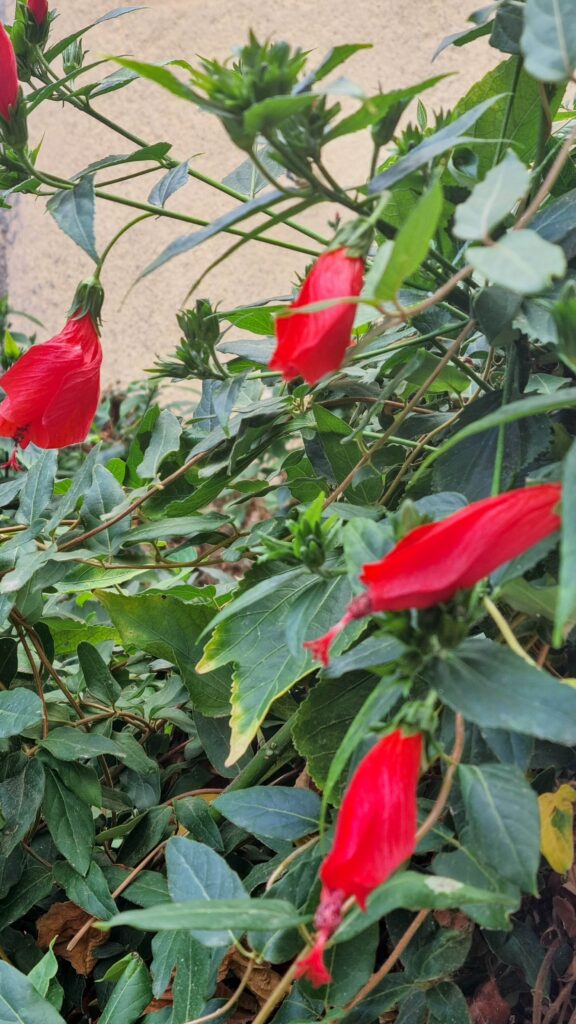
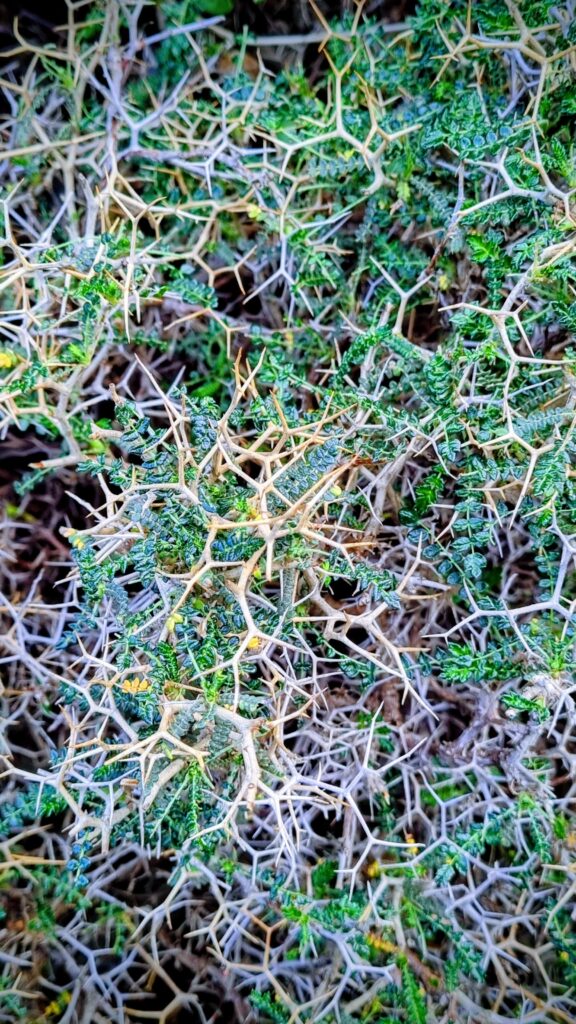
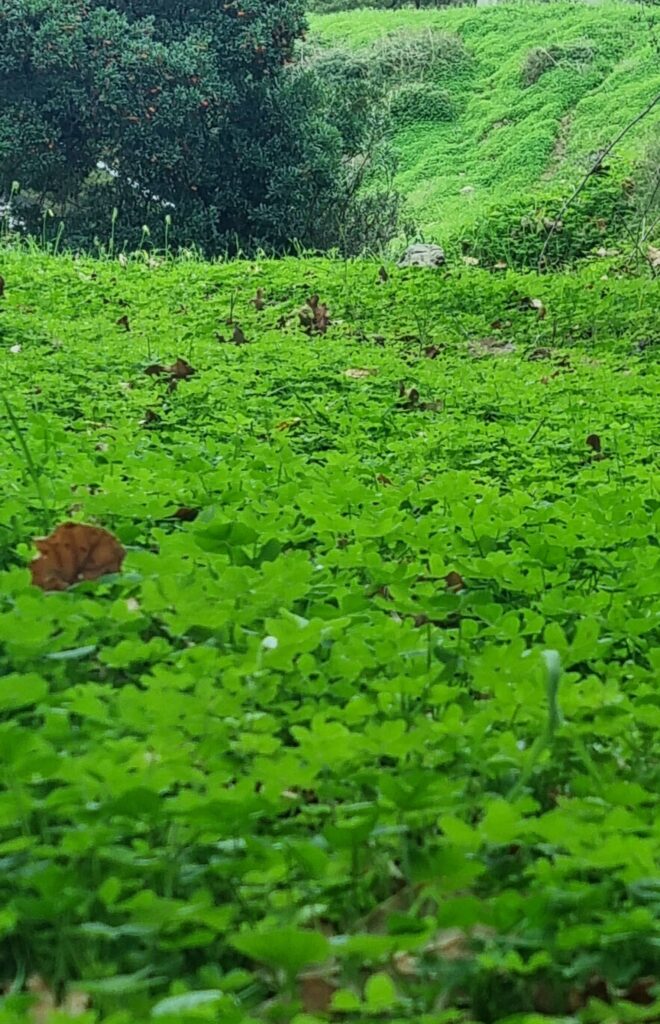
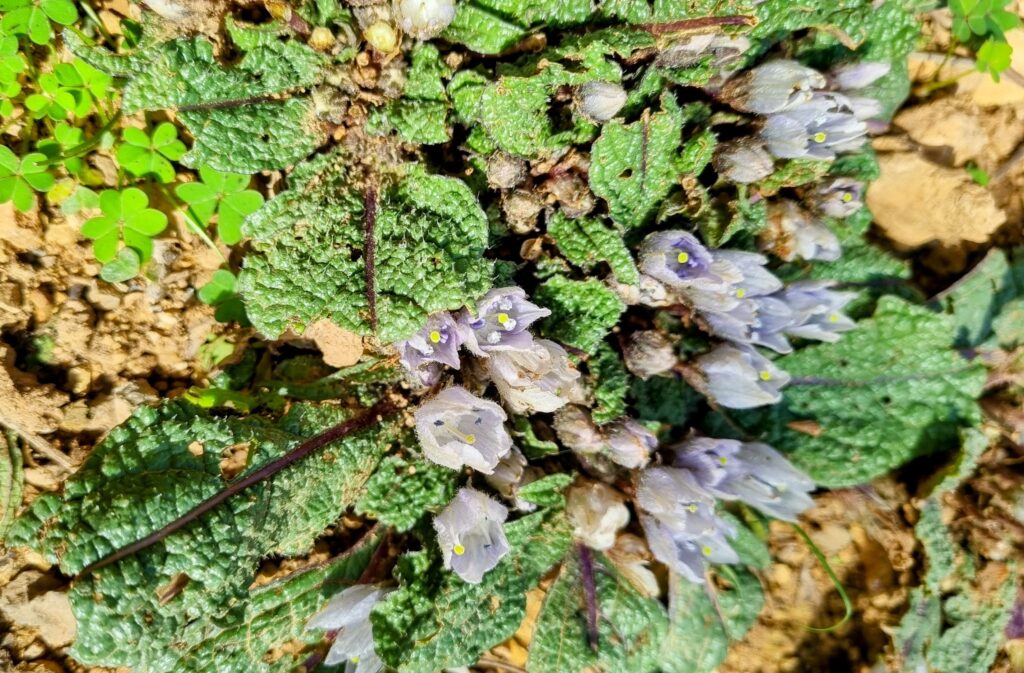
Winter, or the low season, is a time of calm, peace and respite for the people on the island, but also a time of rushing clouds interspersed with the dazzling blue of the sky; turquoise sea by the calm coves, but also waves crashing onto pavements and piers. On the one hand, nature loses its exuberant riot of colours, becomes quieter, turns grey in places, and sepia and smoky shades appear. But on the other hand, winter rains also bring the long-awaited moisture, and where in August there were burnt herbs and brushwood underfoot, now there are green carpets. We also encounter flowers, not as spectacular or lush as in summer, but perhaps all the more sought after and appreciated.
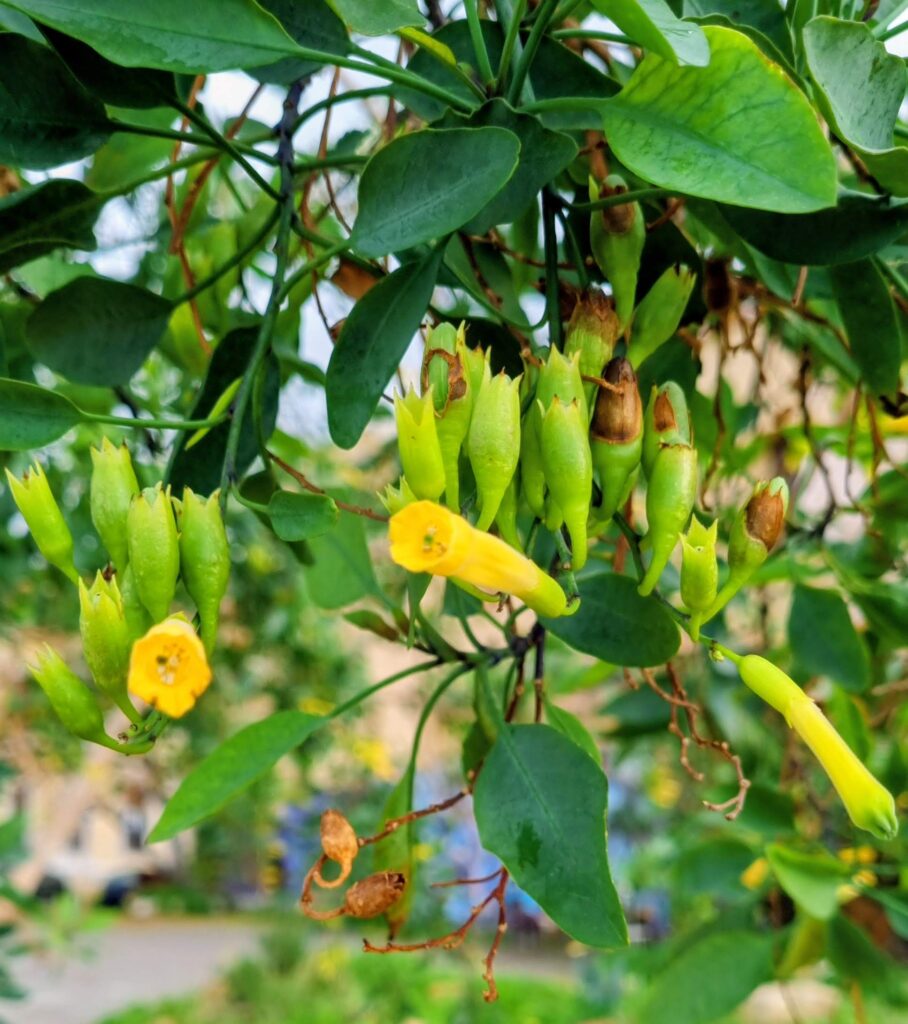
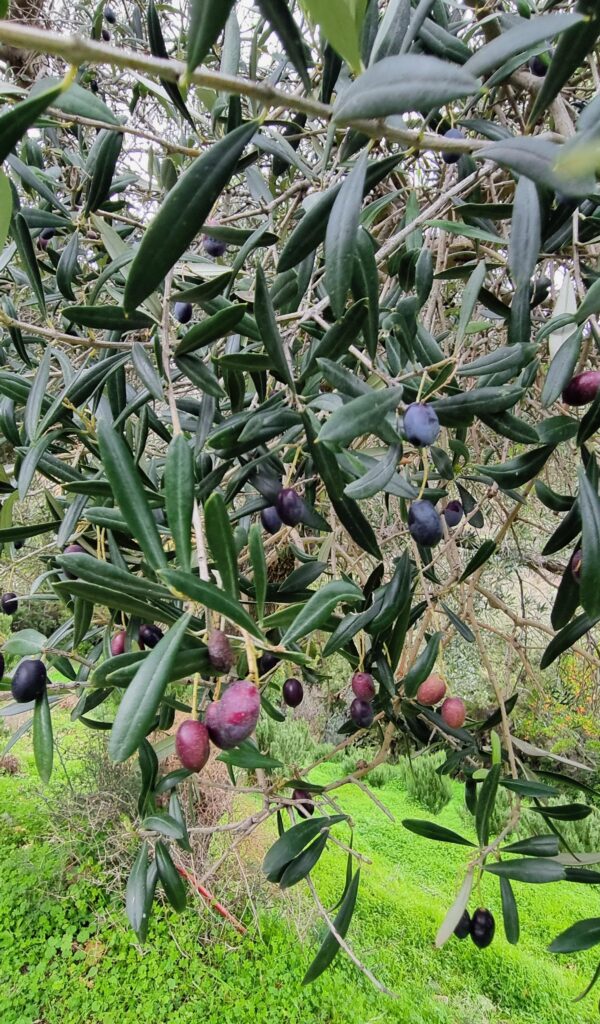
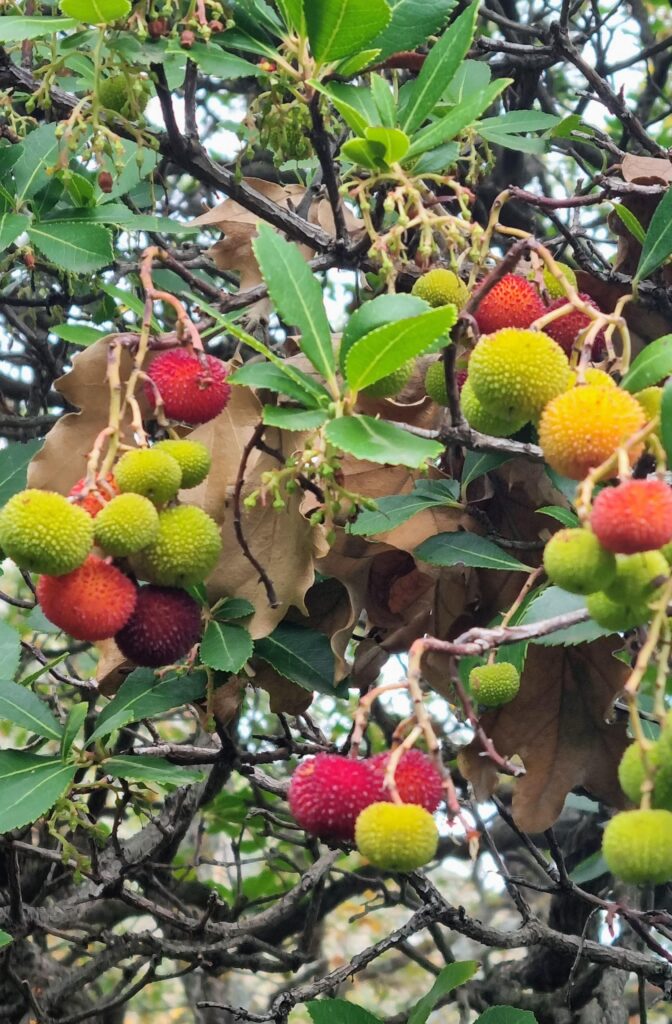
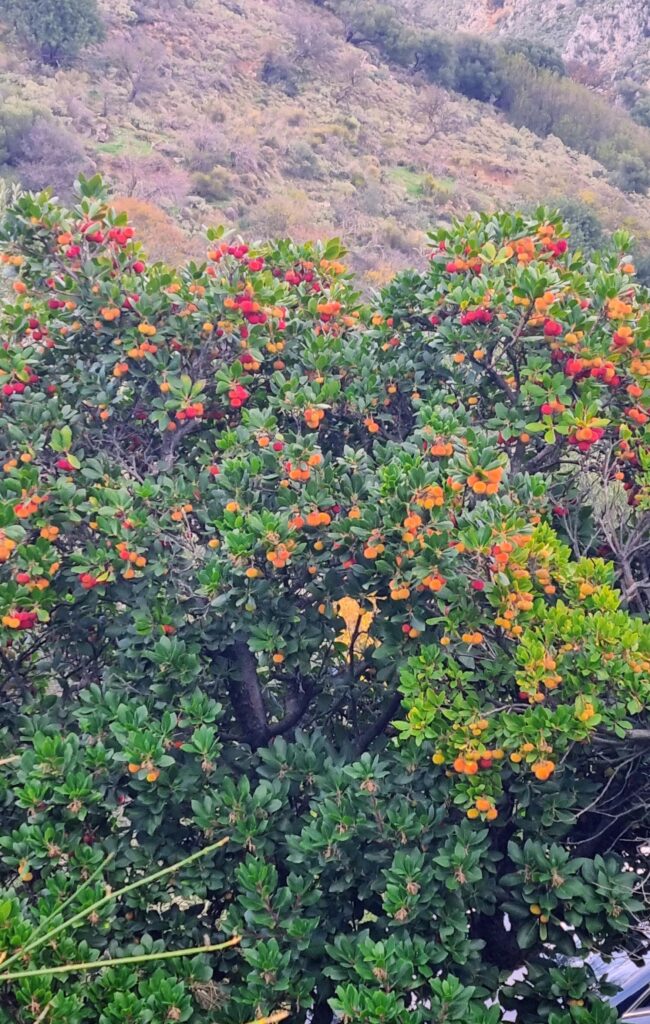
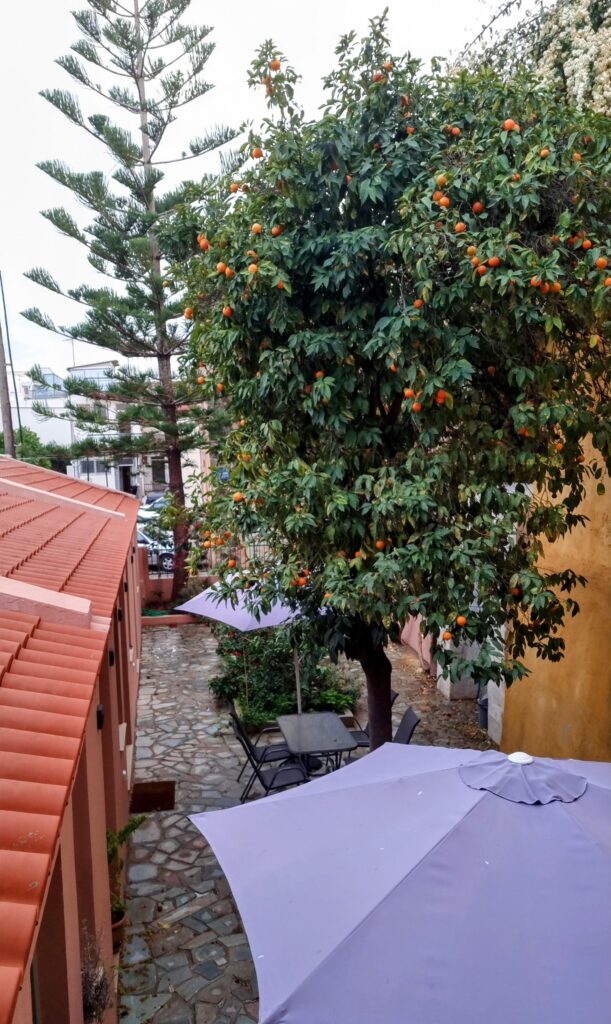
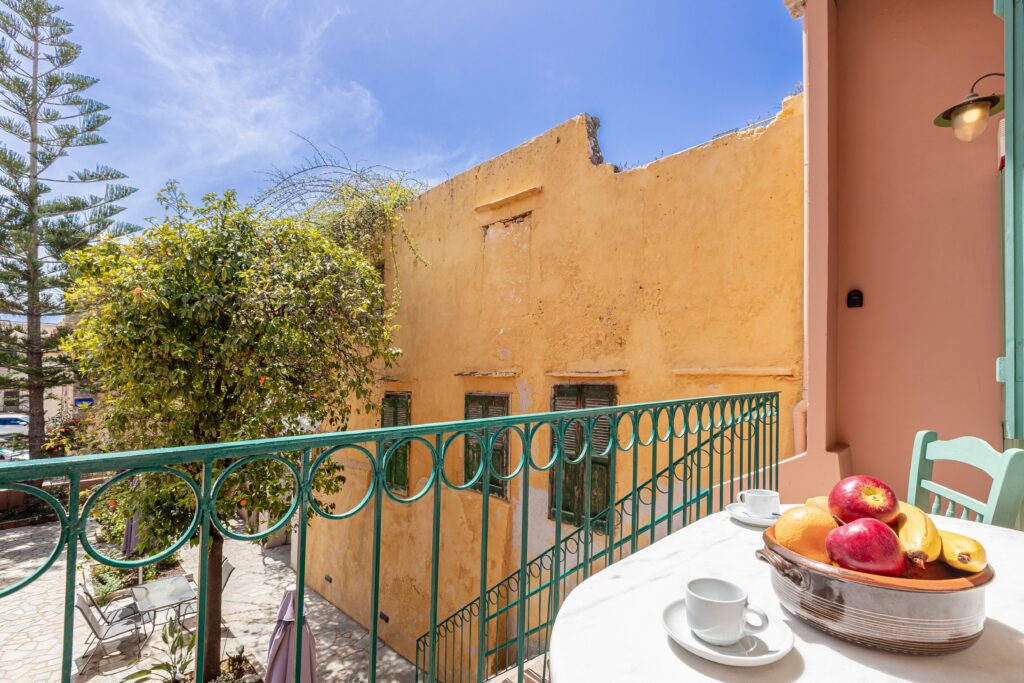
Some trees also bear fruit in winter. From November to January, olives are harvested, bitter oranges, saturated with rain and juices, bend delicate branches to the ground, and you can taste the sensually red berries from the wild strawberry tree.