I believe that everyone has heard about Orthodox monasteries in Greece. The monastic cuisine is a culinary tradition naturally shaped by centuries of Orthodox Christian fasting, local agricultural practices, and in case of Crete abundant natural resources. Cretan monks cook with fresh vegetables, wild greens, legumes, and grains, all seasoned with local herbs like oregano, thyme, marjoram, and fennel.
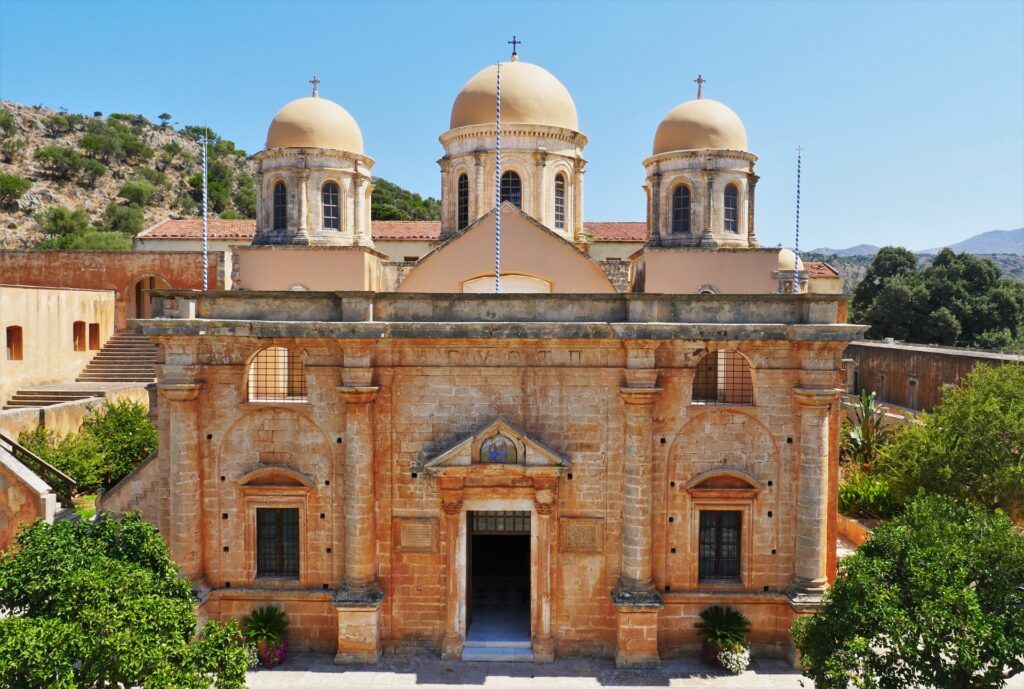
Agia Triada Monastery in Crete
photo credit allincrete.com
Both, the attitude and the practice is shared by plenty of the faithfull and as there are numerous days associated with religious holidays in Greece, many who wish to follow the recommendations of the church may and do fast or follow a restrictive diet for up to two hundred days a year.
Fasting was and is intended to prepare us for the coming holiday, to cleanse our bodies, but also indirectly our souls, to make us lighter. Its purpose was also to instil discipline in us, to teach us to limit ourselves and to appreciate what we have.
Nowadays, we read a lot about the growing popularity of intermittent fasting, which contributes to weight loss, but also to improved health and well-being.
Vegetarianism and veganism, which are becoming increasingly widespread, are an expression of a deep concern for animals, the climate and resources.
All these aspects indicate that it may be worth taking advantage of the wide range of excellent dishes that have been part of the cuisine of the Balkan countries and the Middle East for centuries.
I do not plan to describe the holidays and diets associated with them in detail, but for those interested, I highly recommend Georgina Hayden’s cookbook ‘Nistisima’, which inspired me to write this post. Instead, I will focus on a few interesting facts:
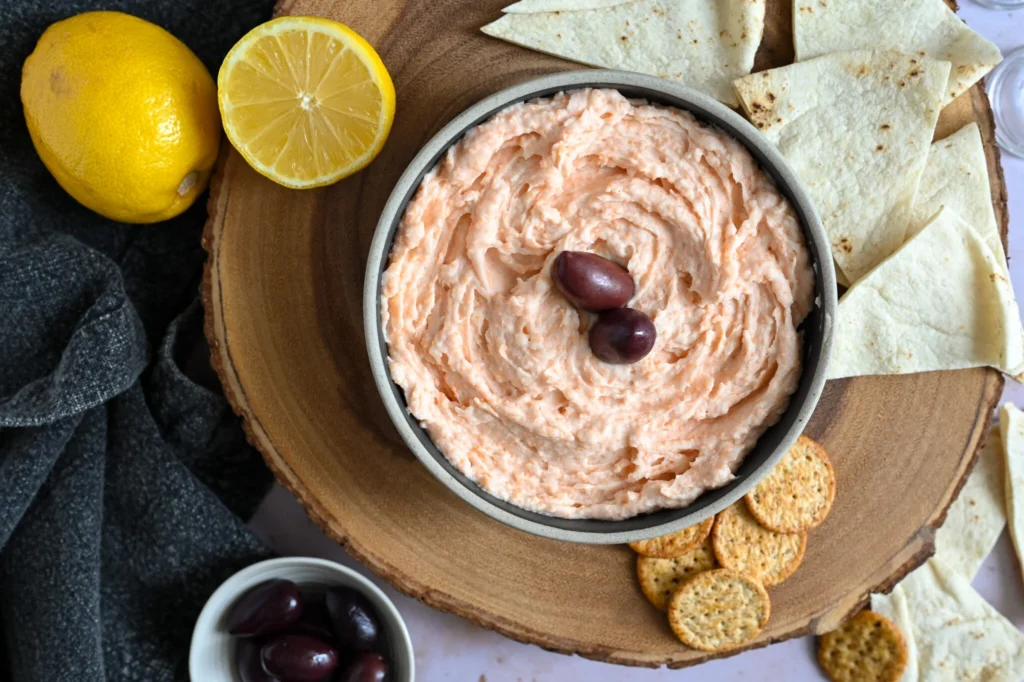
– Some holidays allow the consumption of seafood, but it is important that the creatures do not have a spine (e.g. mussels and taramosalata – a salad with roe – are allowed).
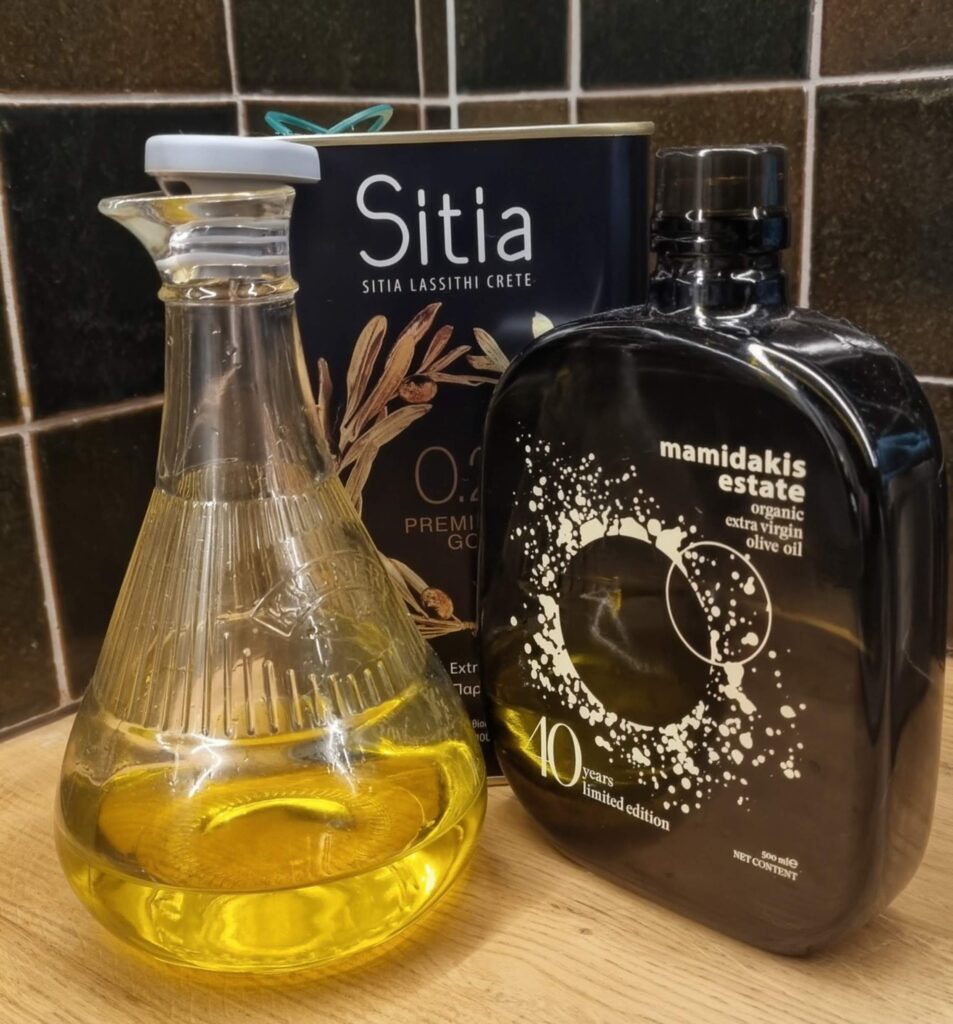
– Often, olive oil is not allowed. This is because in the past it was stored in sheep’s skin.
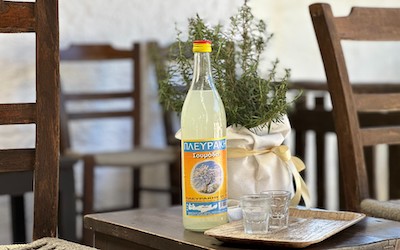
– Almond milk, a substitute for cow’s milk, has been known in Greece, Cyprus and the eastern Mediterranean for a very long time. It is called soumada. In Crete, it is made with a mixture of fresh, locally-grown almonds, sugar, and water, which is simmered in sugar syrup to create this drink.
The most popular vegetarian dishes available daily in traditional Greek restaurants are:
Fava – split pea paste
Dolmades – grape leaves stuffed with seasoned rice, sometimes with pine nuts or raisins
Gemista – stuffed vegetables
Lachanorizo – cabbage and rice stew
Melitzanosalata – eggplant dip
Kolokithoanthi – stuffed courgette flowers
Briam – roasted vegetables medley
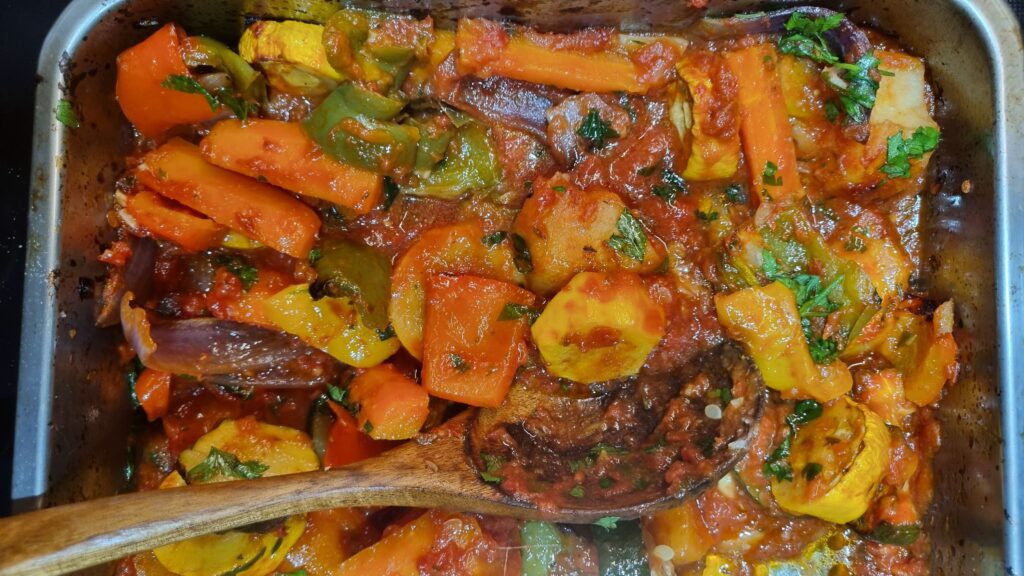
This one in the photo is homemade, but still (or maybe more) delicious !
This post was inspired by and used some information from the book ‘Nistisima’ by Georgina Hayden