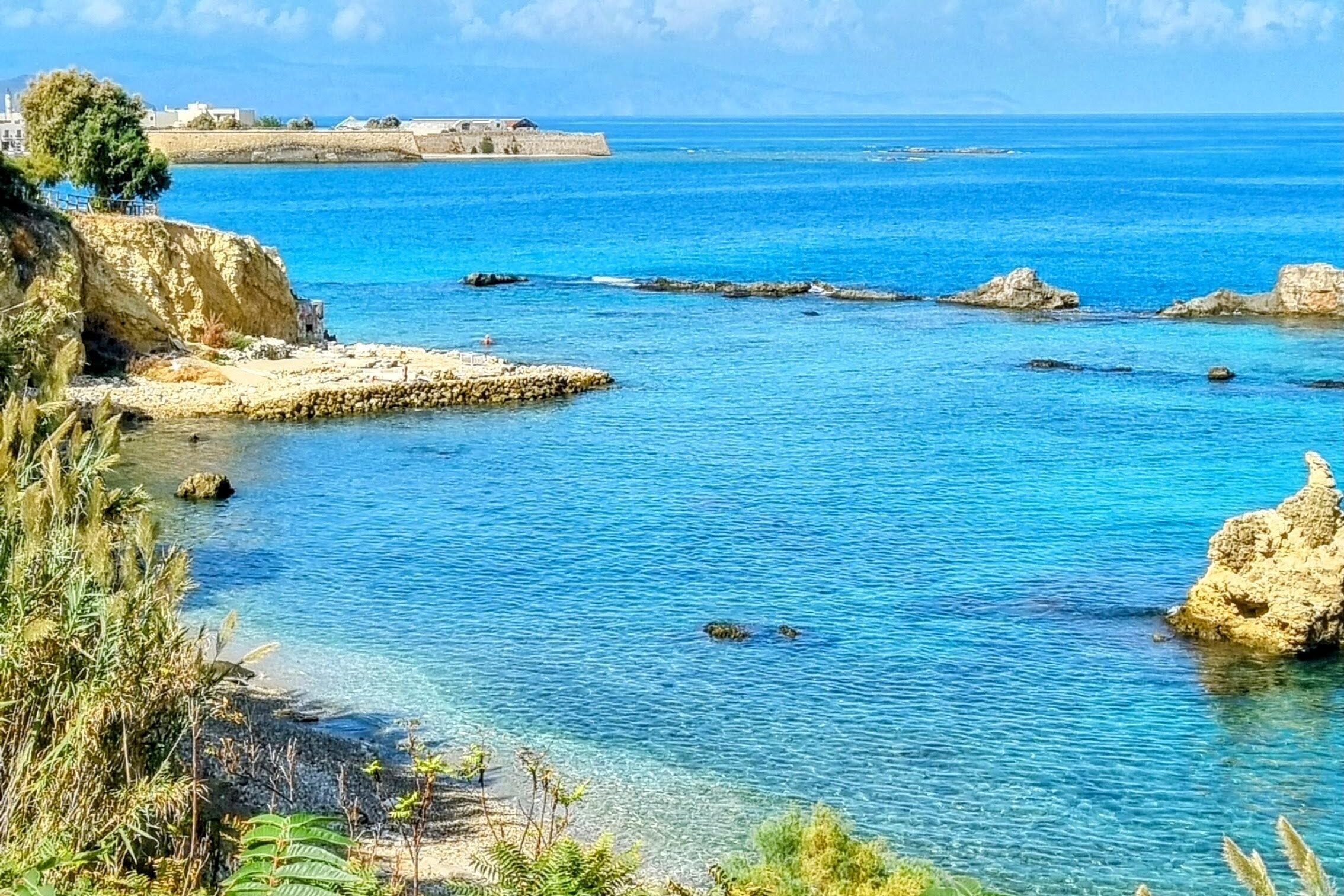
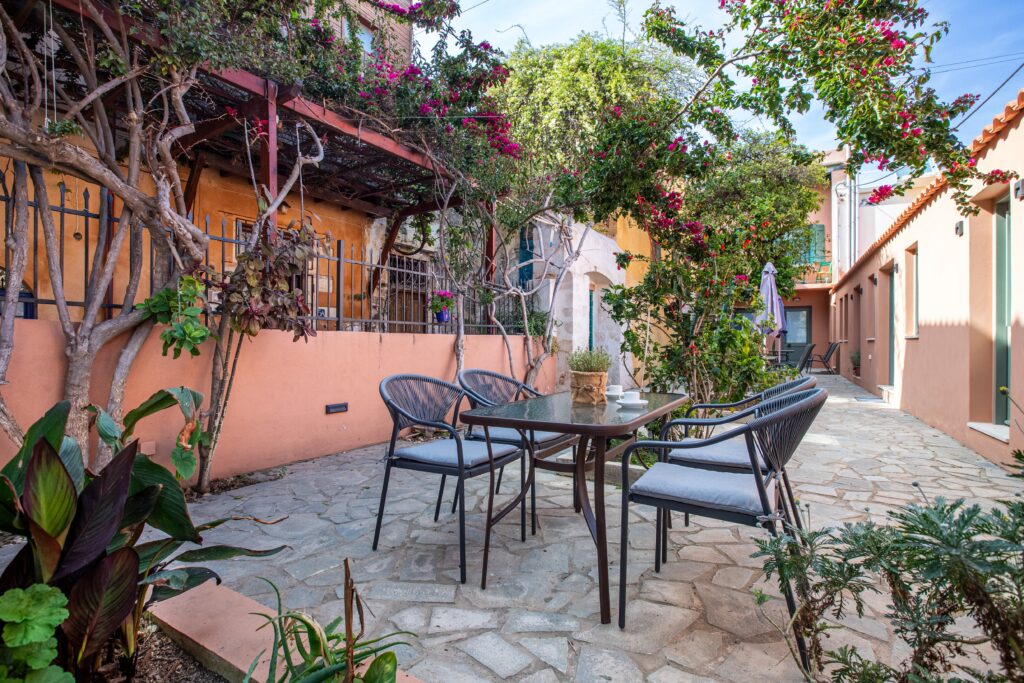
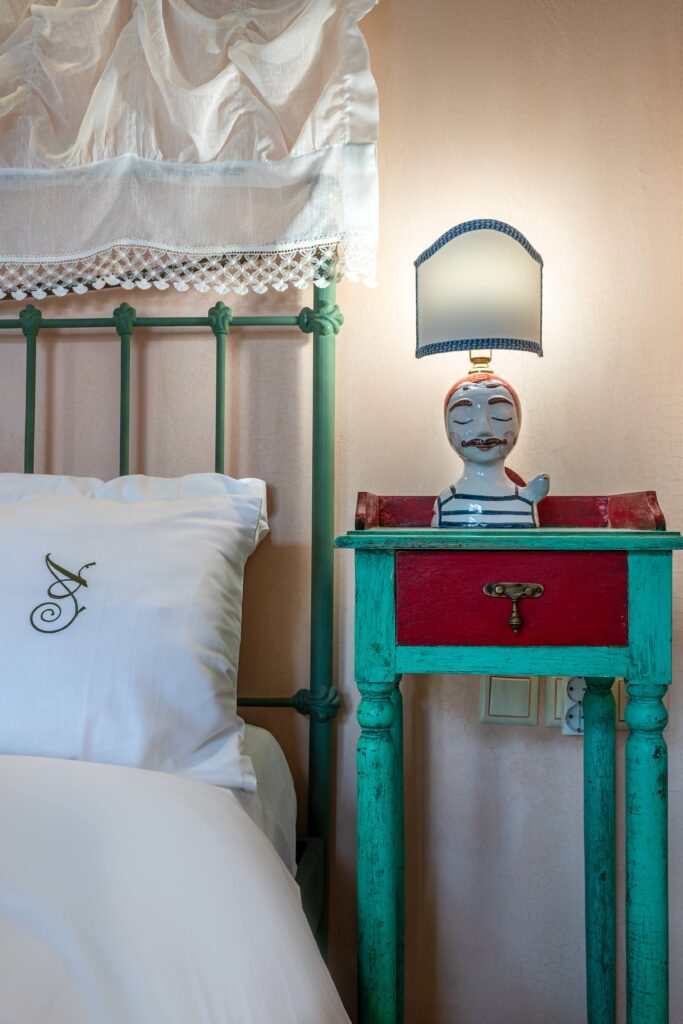
We were assured that tickets to the museum could be easily purchased on site, so we set off leisurely from Thimari Gardens on a beautiful October day around 11 a.m. Leisurely and on foot. Google suggested that the walk would take 25 minutes and would run picturesquely along the coast, from Splantzia in the old town of Chania, eastwards towards the Halepa district, where the modern and eco-friendly new building of the Archaeological Museum is located.
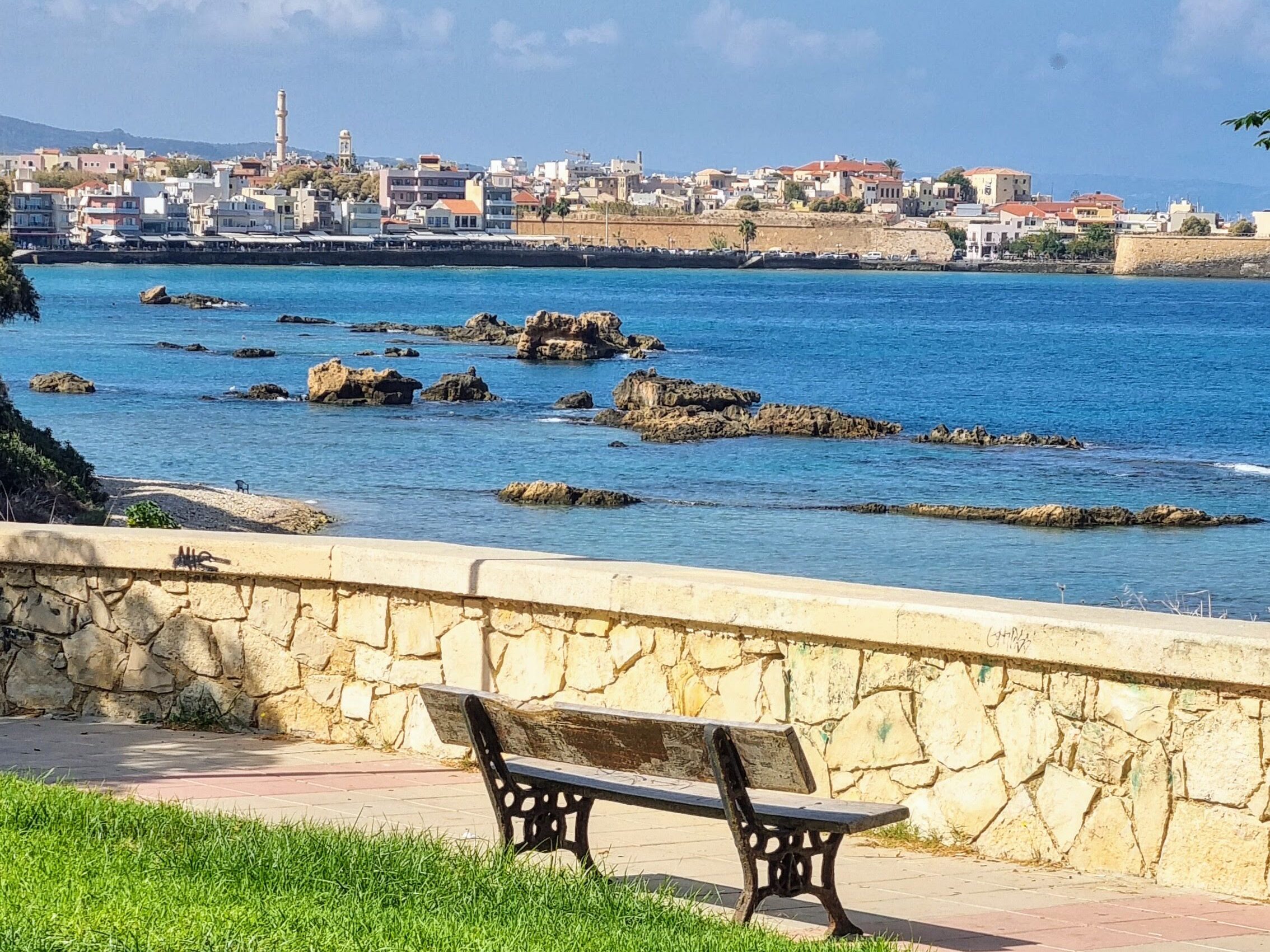
We were not disappointed. The coastal road winds along the high rocky shore and allows you to either see the magnificent Venetian gate of Chania (Sabbionara) from a new perspective or enjoy tropical views. The last 300 metres lead into the city, but there is still plenty to admire here, because Halepa gained its fame in the 19th century as a centre of politics and business for the greats of this world, which resulted in the creation of many beautiful and unusual villas and estates, which, either carefully renovated or still waiting for an investor with a bag of money, can be seen on the way to the museum.
But there is also the museum building. Low, blending into the hill, quite discreet from the outside, bright, uncluttered and open inside.
Standard tickets cost €6, but all EU residents under the age of 25 enter for free. Audio guides are also free of charge.
The permanent exhibition, covering the period from the Palaeolithic to Roman times, is housed in three large rooms. Most of the 4,100 exhibits come from the Chania area and the island of Gavdos, which is famous for its remains indicating that it was inhabited as early as 700,000 BC.
The first room presents the prehistory of this part of the world from the Palaeolithic period to the heyday of Minoan culture, with its palatial period, the remains of which are now mostly hidden in the Kastelli district of Chania, then known as Kydonia.
In the second room, we see a collection covering the Iron Age, the time of city-states, led by Kydonia and Aptera.
The third room is a narrative built around the destruction wrought by the terrible earthquake of 365 AD, and in particular the story of the destruction of a house called Filargyros, whose buried remains have become an excellent source of knowledge about that era.
There is another room on the first floor, which houses Mitsotakis’ private collection donated to the museum. It contains an absolute rarity – a stone seal engraved with the Minotaur, dated 1350 BC.
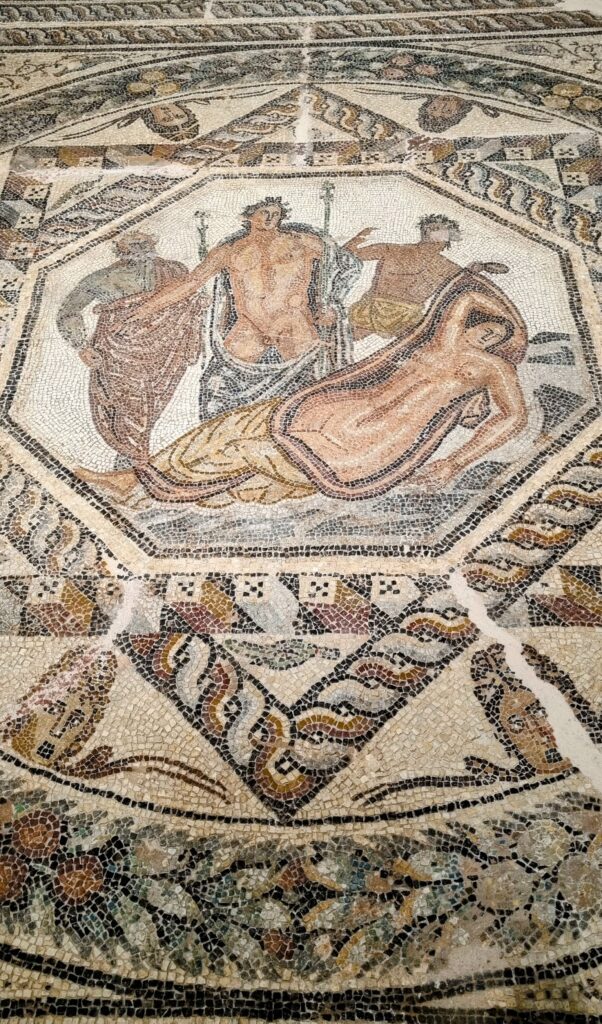
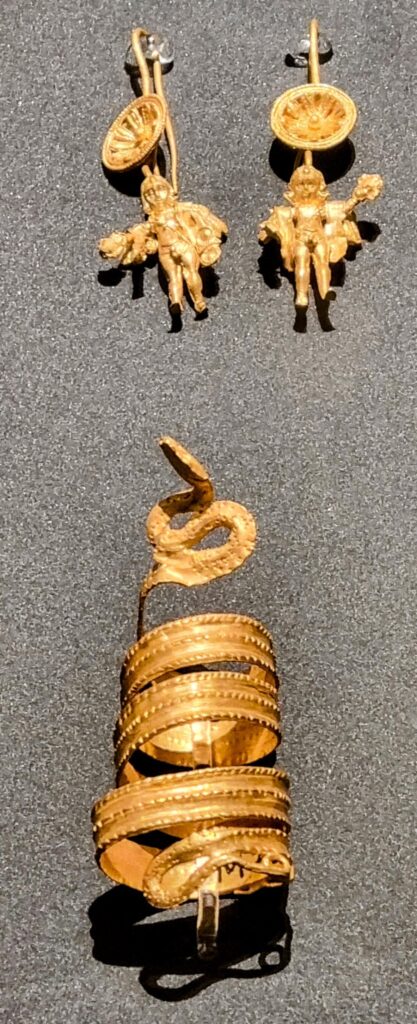
The exhibits are logically arranged, the most interesting ones are displayed and illuminated in an interesting way (I was delighted by the Minoan seal, jewellery, warriors’ graves and Roman mosaics), and clearly described. A leisurely stroll through all the rooms takes about 1.5 hours, and for those who are tired, there is a pleasant café with a terrace on the upper floor, offering an unobstructed, wonderful view of Chania and the Cretan Sea.